
Are you tired of wrestling with your kitchen cabinets every time you need to find a big dish? You're not alone.
It seems like those oversized platters and serving bowls have a knack for creating chaos in our kitchens. But imagine opening your cabinet and effortlessly locating the dish you need without fear of an avalanche. Sounds like a dream, right?
In this guide, you'll discover practical and effective ways to organize big dishes in your kitchen cabinets, transforming your cooking space into a haven of order and efficiency. By the time you're done reading, you'll have the tools and tips to not only declutter your cabinets but also make your kitchen a more inviting and functional place. So, let's dive into the secrets of mastering your kitchen storage and reclaim that precious cabinet space.
Assessing Cabinet Space
Assessing cabinet space is crucial for organizing big dishes. It helps you determine how much room you have and how to use it best. This ensures that your kitchen remains functional and tidy. Knowing the available space helps you avoid stacking dishes unsafely or struggling to retrieve them.
Understanding Your Current Storage
Start by checking what you already store in your cabinets. Take note of the space occupied by pots, pans, and other kitchen items. This will give you a clear idea of the free space. You might find some items can be relocated or discarded to make more room.
Measuring Cabinet Dimensions
Use a measuring tape to check the height, width, and depth of your cabinets. Write down these measurements. Knowing the exact dimensions helps you plan better. It ensures that your big dishes fit comfortably without squeezing.
Identifying Unused Areas
Sometimes, cabinets have unused corners or high shelves. Identify these areas and consider if they can store large dishes. Use stackable shelves or organizers to maximize these spaces. This approach makes the most of every inch available.
Evaluating Cabinet Accessibility
Easy access is important when storing big dishes. Check if you can reach the back of your cabinets without difficulty. Consider rearranging items for better access. Items used frequently should be placed in the most accessible spots.
Choosing The Right Cabinets
Organizing big dishes in kitchen cabinets can be challenging. The right cabinets make a difference. They provide ample space and easy access. Choosing the right type is crucial. Consider your kitchen layout and dish sizes. This guide helps you pick suitable cabinets for your needs.
Tall Cabinets
Tall cabinets offer vertical storage. Use them for stacking larger plates. They provide extra height, perfect for platters. Accessing dishes is easier with adjustable shelves. Tall cabinets maximize space in small kitchens. Ensure they fit your room’s height.
Deep Cabinets
Deep cabinets provide ample room for big dishes. They accommodate bulky items like serving trays. These cabinets allow stacking for space efficiency. Look for sliding shelves for easy access. Deep cabinets prevent clutter and keep dishes organized.
Using Adjustable Shelves
Organizing big dishes in kitchen cabinets can be challenging. Adjustable shelves offer a practical solution. They allow flexibility to store various-sized dishes efficiently. This approach maximizes space and keeps your kitchen tidy.
Benefits Of Adjustable Shelves
Adjustable shelves are customizable. They fit dishes of different sizes and shapes. This adaptability prevents clutter and makes accessing dishes easier. You can adjust shelves to accommodate deep or shallow dishes. This ensures every piece has its own space. It reduces the risk of chipping or breaking. Adjustable shelves also improve cabinet functionality. They make it simple to change the layout as your needs evolve.
Installation Tips
Start by measuring your cabinet's interior dimensions. This helps you determine shelf sizes. Use quality brackets for shelf support. They should be sturdy and reliable. Install shelves at heights that suit your dish sizes. This provides easy access and visibility. Ensure shelves are level during installation. This prevents dishes from sliding or tilting. Double-check measurements before drilling holes for brackets. This avoids mistakes and ensures accuracy. Consider installing shelf liners for added protection. They help prevent scratches and slipping.
:strip_icc()/open-shelving-kitchen-wallpaper-4cf392d3-2d68c3033ca4494780af0f9c1edb9401.jpg)
Credit: www.bhg.com
Utilizing Vertical Space
Maximizing vertical space can transform your kitchen cabinet organization. Big dishes often take up lots of room. Using vertical methods helps you store them efficiently. This strategy also keeps your kitchen looking tidy.
Stacking Techniques
Stacking dishes can save space. Place larger dishes at the bottom. Smaller ones should go on top. This keeps them stable. Use a soft liner between dishes. It prevents scratches and damage.
Vertical Dividers
Vertical dividers are great for organizing big dishes. They create separate sections for each type of dish. Plates, platters, and trays fit neatly between dividers. This method makes accessing dishes easier. You can see and grab what you need quickly.
Install adjustable dividers for flexibility. They accommodate different dish sizes. Choose dividers made from durable materials. This ensures long-lasting use. Vertical dividers also add a neat look to your cabinets.
Incorporating Pull-out Racks
Pull-out racks offer a practical solution for organizing large dishes in kitchen cabinets. These racks maximize space and provide easy access to heavy items. Effortlessly slide out the racks to reach dishes without rearranging everything.
Incorporating pull-out racks in kitchen cabinets can transform your storage space. These racks offer easy access and organization for large dishes. They also maximize cabinet space, making it more efficient. With pull-out racks, your big dishes stay neatly arranged and within reach.
Types Of Pull-out Racks
There are several types of pull-out racks available. Wire racks are a popular choice. They are durable and easy to clean. Wooden pull-out racks bring a classic touch. They add warmth and elegance to your kitchen. Metal pull-out racks offer a modern look. They are sturdy and can hold heavy dishes with ease.
Installation Guidelines
Start by measuring your cabinet space. Accurate measurements ensure a perfect fit. Choose a rack that matches your cabinet dimensions. Gather necessary tools like a drill and screwdriver. Follow the manufacturer's instructions carefully. Secure the racks firmly to avoid wobbling. Test the pull-out mechanism for smooth operation. Make adjustments if needed for optimal performance.
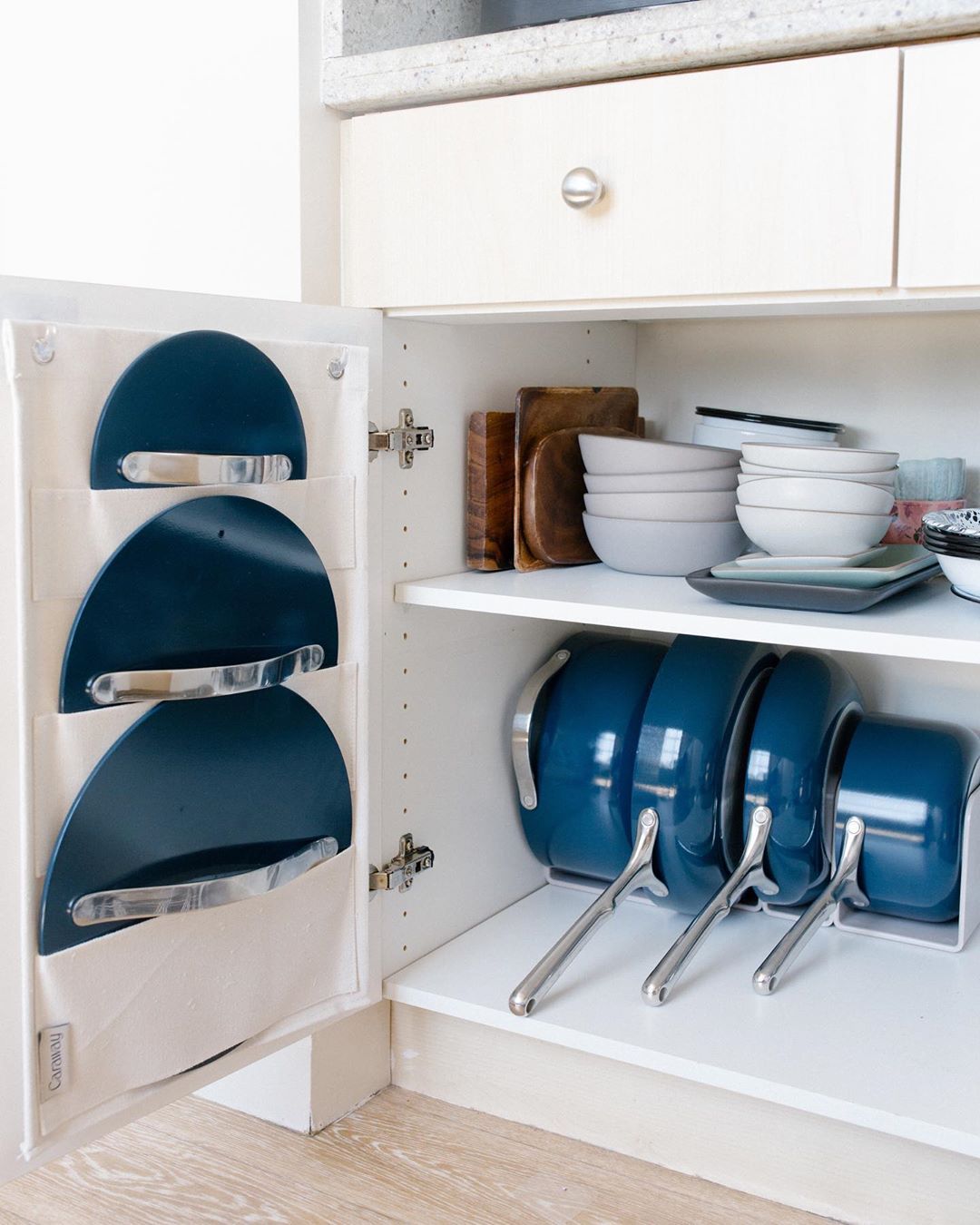
Credit: feedmephoebe.com
Employing Cabinet Organizers
Organizing big dishes in your kitchen cabinets can feel like a daunting task. However, employing cabinet organizers can transform chaos into order. With the right tools, you can easily access your favorite serving platter without causing an avalanche.
Lazy Susans
Lazy Susans can be a game-changer in maximizing cabinet space. These rotating trays make it easy to reach items at the back without removing everything in front. Imagine effortlessly spinning a Lazy Susan to grab that large salad bowl you need for dinner.
They are perfect for corner cabinets where space is often underutilized. By placing your big dishes on a Lazy Susan, you create a dynamic space that caters to your needs. Have you ever thought about how much time you could save by not rummaging through stacks of dishes?
Tiered Organizers
Tiered organizers can provide a structured, layered approach to storing your big dishes. They allow you to stack dishes vertically, making use of the cabinet's height and freeing up more space. Picture your cabinet as a tiered cake, with each layer holding a different set of dishes.
This method not only keeps your dishes visible but also prevents them from clattering against each other. If you've ever felt the frustration of pulling out one dish only to have another come crashing down, tiered organizers might be your solution. Consider how this simple adjustment could maintain the longevity of your cherished ceramic platters.
These practical solutions aren't just about storage; they enhance your cooking experience. What other creative ways have you found to organize your kitchen? Try implementing these ideas and watch your kitchen transform into an efficient workspace.
Maintaining Accessibility
Maintaining accessibility in your kitchen cabinets is crucial for efficiency. Organizing big dishes can be challenging. But with the right techniques, it becomes manageable. Easy access to your dishes saves time during meal prep. It also reduces the hassle of digging through stacks. This ensures a smoother cooking experience. Here are some effective methods to achieve this.
Front-loading Techniques
Front-loading techniques keep your dishes within reach. Place frequently used dishes at the front of the cabinet. This minimizes the need to move other items. Stack dishes vertically if the space allows. This helps in utilizing space efficiently. Use adjustable shelf dividers for better arrangement. They help in keeping dishes from toppling over.
Labeling For Easy Access
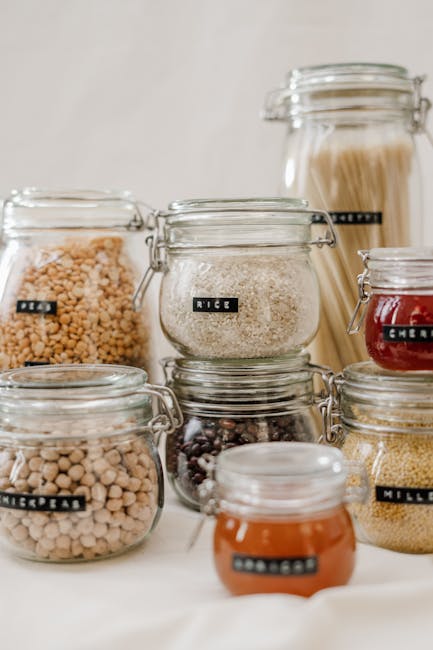
Labeling shelves and dish stacks aids in quick identification. Use clear labels for easy reading. Place labels at the edge of shelves or on dish stacks. This helps everyone in the household. They can find what they need without searching. Consider color-coded labels for different dish types. This adds a visual cue for quick access.
Safety Considerations
Ensure stability by placing heavier dishes on lower shelves. Avoid stacking too high to prevent tipping. Use sturdy dividers for better organization and accessibility.
Organizing big dishes in your kitchen cabinets requires more than just finding a spot where they fit. Safety is a crucial factor that should never be overlooked. After all, no one wants to deal with broken dishes or, worse, a kitchen accident. Let's dive into some key safety considerations you should keep in mind.
Weight Distribution
Ensuring even weight distribution is vital when stacking large dishes. Heavier dishes should be placed on sturdier, lower shelves to prevent cabinets from tipping over. Have you ever opened a cabinet door only to be greeted by a teetering stack of plates? Avoid this by distributing the weight evenly. Place larger, heavier dishes at the back and lighter ones toward the front. Consider the materials of your dishes. Porcelain is generally heavier than plastic. Mixing them together without balancing the weight can lead to instability. Have you checked if your shelves are adjustable? This small tweak can accommodate the weight better.
Securing Heavy Dishes
Securing your heavy dishes isn't just about stacking them carefully. It's about ensuring they stay in place even if someone accidentally bumps the cabinet. Think about using shelf liners. These provide a non-slip surface that can prevent dishes from sliding. They are easy to add and can make a significant difference. Are you using cabinet dividers? These handy tools can help separate dishes and prevent them from toppling over. They can be particularly useful for glassware and delicate items that might chip or break if they're knocked. By considering these safety aspects, you not only protect your dishes but also create a safer kitchen environment. Have you ever had a close call with falling dishes? Share your stories in the comments. Let's ensure our kitchens are as safe as they are functional.
Regular Maintenance Tips
Keeping large dishes organized is a challenge in many kitchens. Regular maintenance ensures they stay in top condition. It also makes cooking and cleaning easier. Here are some simple tips for regular maintenance of your big dishes.
Routine Cleaning
Clean your dishes regularly to keep them looking new. Use mild soap and warm water. Avoid harsh chemicals that might damage surfaces. Dry dishes completely before storing them. Water spots can make dishes look dirty and unkempt. Check for chips or cracks during cleaning. Replace damaged items promptly.
Reorganizing Strategies
Reorganize your cabinet space every few months. Consider how often you use each dish. Keep frequently used dishes within easy reach. Store seasonal or rarely used items higher up. Use dividers to separate different dish types. This prevents stacking too high and risking breakage. Label shelves to remind everyone where items belong. It helps maintain order and saves time.
:strip_icc()/drawer-storage-dishes-bowls-separators-7482ca26-843c9b1c0fbe4b65a1a45a43aced9333.jpg)
Credit: www.bhg.com
Frequently Asked Questions
How Do I Store Large Dishes In Cabinets?
To store large dishes, use adjustable shelves and dividers to optimize space. Consider vertical stacking to minimize footprint. Group similar items together for easy access and use protective padding for delicate dishes. Ensure heavy items are on lower shelves for safety.
What Is The Best Way To Organize Big Plates?
Organize big plates by stacking them vertically with plate holders or racks. This maximizes space and prevents damage. Keep frequently used plates at the front for easy access. Use shelf liners to prevent slipping and protect surfaces from scratches.
How Can I Maximize Cabinet Space For Large Items?
Maximize cabinet space by using tiered shelves, lazy Susans, or pull-out racks. Consider installing additional shelves or using organizers like bins and baskets. Arrange items by size and frequency of use. Utilize overhead space for infrequently used items.
Should I Use Dividers For Large Dishes?
Yes, dividers are helpful for organizing large dishes. They keep items separated and prevent shifting. Choose adjustable dividers for flexibility. This helps maintain order and protects dishes from damage. Dividers can be used for both vertical and horizontal stacking.
Conclusion
Organizing big dishes in kitchen cabinets doesn't have to be difficult. Start by grouping similar dishes together. Use stackable racks to save space. Shelves can be adjusted for taller items. Keep frequently used dishes at eye level. Store less-used items higher or lower.
Use labels for easy access. Organize by size to prevent clutter. Regularly check and rearrange as needed. With these simple tips, your kitchen will feel more organized. You'll find cooking more enjoyable with everything in its place. Happy organizing!