Is your kitchen cupboard a chaotic jumble of pots, pans, and mismatched containers? You're not alone.
Many people struggle to keep their kitchen cupboards organized, leading to frustration and wasted time. Imagine opening your cupboard and immediately finding everything you need, neatly arranged and easy to access. Sounds like a dream, right? But it doesn't have to be.
In this guide, we'll show you how to transform your cluttered cupboard into a well-organized space. You'll discover simple, practical tips that you can start using today. Say goodbye to chaos and hello to a streamlined kitchen that makes cooking a joy. Ready to make your kitchen work for you? Let's dive in!
Assessing Your Space
Organize kitchen cupboards by assessing space effectively. Start by removing unused items. Group similar items together for easy access. Use clear containers to see contents quickly. Keep frequently used items at eye level. Label shelves to maintain order and save time.
Organizing a kitchen cupboard starts with understanding the space you have. Before diving into arranging your items, take a moment to really look at your cupboard. A thorough assessment can uncover space you didn't know you had or reveal why things might feel cramped. This is the foundation for creating a functional and efficient kitchen.
Measure Your Cupboard Dimensions
Start with a tape measure. Knowing the exact height, width, and depth of your cupboard will help you choose the right storage solutions. Do you have tall shelves that could fit stackable bins? Or maybe a deeper section that could use pull-out organizers? By understanding these dimensions, you’ll avoid purchasing storage items that don’t fit, saving time and money.
Identify Your Storage Needs
Think about what you use most often. Are you a coffee lover with an assortment of mugs and beans? Maybe you're a baker with an abundance of flour and sugar. Identifying your needs will help prioritize what stays in prime real estate and what can be tucked away. This step ensures that your cupboard serves your daily routine, not just looks tidy.
Evaluate Current Clutter
Open those cupboard doors and take a hard look at what’s inside. Do you have expired spices or duplicate jars? Clearing out the clutter will give you a fresh start. This also allows you to make room for items you actually use, making your kitchen experience more enjoyable.
Consider Vertical Space
Don’t overlook the vertical space in your cupboard. Shelves often come with adjustable pegs—use them! Add extra shelves or use risers to maximize space. This approach can transform a cluttered cupboard into an organized haven, where every inch is utilized effectively.
Think About Access
Consider how easily you can access your items. Are your frequently used pots and pans tucked away at the back? Position your most-used items at the front and within easy reach. This simple change can streamline your cooking process and reduce frustration. Every kitchen cupboard is different, and so are your needs. Assessing your space with these strategies will lead to a more organized and functional kitchen. What surprising insight did you discover about your kitchen's potential? Dive in and start your cupboard transformation today!
Sorting And Decluttering
Organizing your kitchen cupboard can transform your cooking experience. Imagine opening the door to find everything in its rightful place, making meal preparation a breeze. The first step in this transformation is sorting and decluttering. This process not only helps you make space but also ensures that you keep what truly matters. Let's dive into the essentials of sorting and decluttering, focusing on identifying essentials, discarding expired items, and donating unused goods.
Identifying Essentials
Begin by pulling everything out of your cupboard and laying it out on a table. This gives you a clear view of what you have. Ask yourself: what do I use daily? Keep those items front and center. Consider if some rarely used gadgets or ingredients are worth the space they occupy. You might find that you have duplicates of certain items or tools you never use. Prioritize what truly adds value to your cooking routine.
Discarding Expired Items
Check the expiration dates on all food products. It's astonishing how many expired items can accumulate unnoticed. Toss anything past its prime. Not only does this free up space, but it also ensures your meals are safe and fresh. Have you ever reached for a spice only to realize it's years old? Keeping track of expiration dates prevents such surprises.
Donating Unused Goods
What do you do with items that are still good but not useful to you? Consider donating them. There are many local food banks and community organizations that accept non-perishable goods. This act not only declutters your space but also helps those in need. Reflect on the satisfaction of knowing someone else will benefit from the items you no longer require.
Sorting and decluttering your kitchen cupboard is a rewarding task. It brings clarity to your cooking space and helps you focus on what truly matters. Embrace the process, and enjoy the newfound ease in your kitchen routine.
Planning The Layout
Organizing your kitchen cupboard can simplify meal prep and cooking. Planning the layout is the first step to creating a functional space. A well-thought-out layout helps maximize space and improve efficiency. It ensures everything has its place, making it easy to find what you need. Let's explore how to plan your cupboard layout effectively.
Zoning For Efficiency
Divide your cupboard into zones. Each zone should have a specific purpose. Store similar items together for easy access. Group spices, oils, and condiments in one area. Keep canned goods and dry items in another. This zoning strategy saves time during meal prep.
Consider your cooking habits. Place frequently used items in accessible zones. Items used occasionally can be stored in less accessible zones. This makes your cupboard work for you.
Accessibility Considerations
Accessibility is crucial for a functional kitchen cupboard. Keep everyday items within reach. Place heavier items on lower shelves for safety. Store lighter items higher up to avoid clutter.
Organize shelves based on usage frequency. Put items you use daily at eye level. Store rarely used items on top shelves or at the back. This arrangement minimizes bending and stretching.
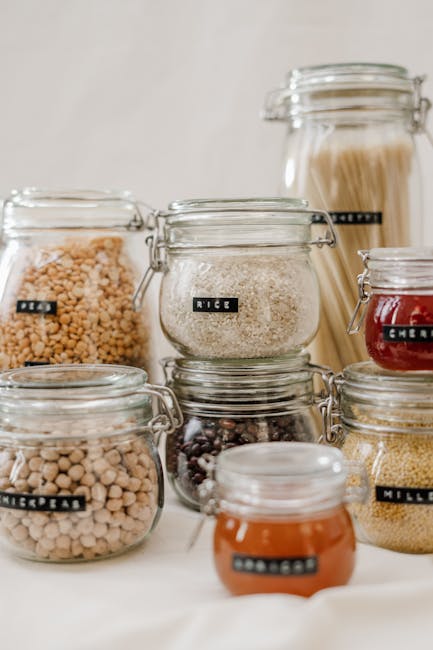
Use clear containers or labels. This helps quickly identify contents without opening every box or jar. It saves time and reduces frustration during busy cooking sessions.
:max_bytes(150000):strip_icc()/organize-your-kitchen-cabinets-2648622-04-6931115e04784603b782c69ec181d6ec.jpg)
Credit: www.thespruceeats.com
Choosing Storage Solutions
Choosing storage solutions for your kitchen cupboard can feel overwhelming. But a well-organized cupboard makes cooking more enjoyable. Efficient storage solutions help keep your kitchen tidy. They also save time when you need to find items quickly. Let's explore some effective methods to enhance your cupboard organization.
Utilizing Shelf Organizers
Shelf organizers maximize vertical space in your cupboard. They create multiple levels, allowing you to store more items. By using these, you can easily see and access everything. Tiered organizers work well for cans and spices. They prevent items from getting lost at the back. Adjustable shelves are another great option. They let you customize the height to fit your needs.
Incorporating Drawer Dividers
Drawer dividers bring order to your kitchen drawers. They keep utensils and gadgets neatly separated. No more digging through a cluttered drawer to find a spoon. Adjustable dividers provide flexibility. You can change their layout as your needs change. Use them for cutlery, measuring tools, or small gadgets.
Selecting Stackable Containers
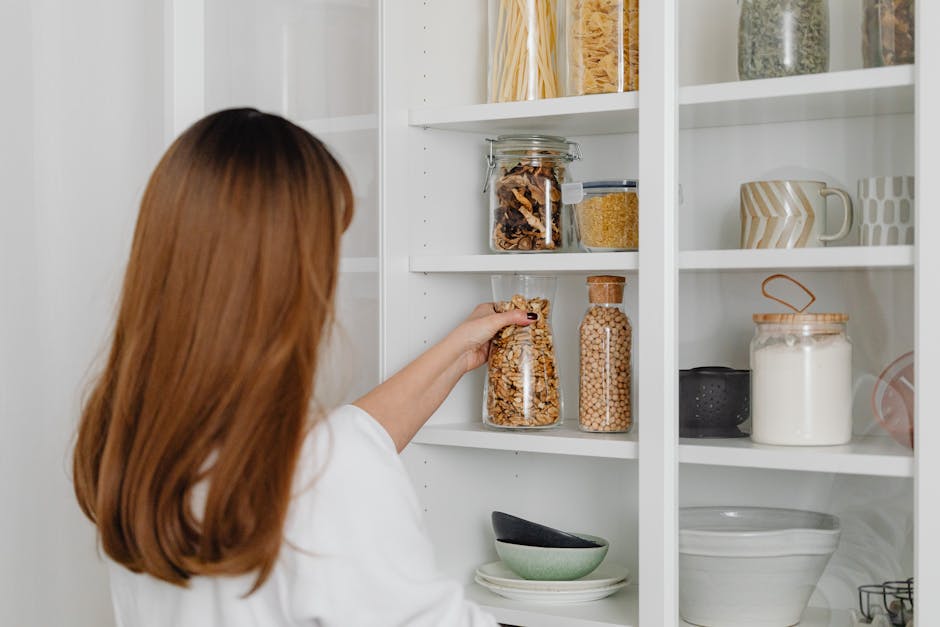
Stackable containers save space and keep items organized. They're perfect for storing dry goods like flour, sugar, and pasta. Transparent containers let you see contents at a glance. This helps you know when it's time to restock. Choose containers with secure lids to keep food fresh. Label them for quick identification.
Maximizing Vertical Space
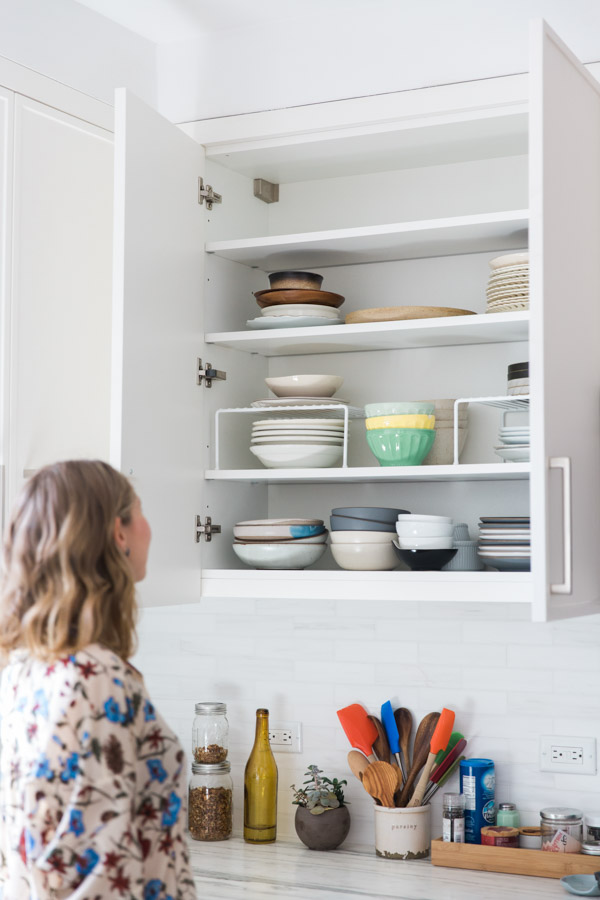
Organizing kitchen cupboards efficiently involves utilizing vertical space. Stackable shelves and under-shelf baskets can help store more items. Arrange dishes, spices, and containers to make the most of every inch.
Maximizing Vertical Space in your kitchen cupboard can transform chaos into order. Often, cupboards become cluttered not because of a lack of space, but due to inefficient use of the space available. By focusing on the vertical dimension, you can unlock hidden potential and make your kitchen work for you, not against you.
Installing Hooks And Racks
Hooks and racks are game-changers when it comes to utilizing vertical space. Consider hanging hooks on the inside of cupboard doors. This simple addition can provide a spot for measuring cups or small utensils, making them easy to access and freeing up shelf space for larger items. Racks can be mounted underneath shelves, offering a perfect perch for mugs or wine glasses. Imagine opening your cupboard to find your favorite mug hanging neatly, instead of being buried under a stack of dishes. It’s a small change that can make your daily routine smoother.
Using Tiered Shelves
Tiered shelves are like a mini-miracle for cramped cupboards. They allow you to layer items, providing a clear view of everything from the front to the back of the shelf. This is particularly useful for canned goods or spices, where you often need to see all your options at a glance. I once struggled to find a can of beans hidden behind a forest of soup cans. Adding a tiered shelf meant I could see everything at once, saving time and frustration. Have you ever found yourself buying duplicates because you couldn't see what you already had? Tiered shelves can help prevent that, making inventory management a breeze. Embrace these strategies to make the most of your kitchen cupboard's vertical space. By doing so, you're not just organizing; you're creating a more efficient and enjoyable cooking environment. What creative uses of space have you discovered in your kitchen? Share your thoughts and inspire others!
Credit: feedmephoebe.com
Labeling And Categorizing
Labeling and categorizing can transform a chaotic kitchen into a serene space. Knowing where each item belongs saves time and reduces stress. A clear system can turn a cluttered cupboard into an organized haven. This approach helps everyone in the household find what they need quickly.
Creating A Labeling System
Create a simple labeling system that everyone can understand. Use durable, waterproof labels for long-lasting results. Choose a consistent font and size for all labels. Consider color-coding for different categories to make items easy to spot. Place labels on the front of containers for easy visibility.
Labels should include the name and, if needed, the category of the item. Use clear and concise words. Avoid complex phrases or jargon. This approach ensures that everyone can identify items quickly.
Grouping Similar Items
Group similar items together to maintain order in your kitchen cupboard. Store baking supplies, spices, and canned goods in separate sections. This method prevents chaos and helps you find items faster. Place frequently used items at eye level for easy access.
Arrange items by size and shape to maximize space. Use baskets or bins to group loose items. This keeps them from scattering and creates a tidy appearance. Make sure each group has a designated spot in the cupboard. This strategy keeps your kitchen organized and efficient.
Maintaining Organization
Organize kitchen cupboards by grouping similar items together for easy access. Use baskets or containers to keep small items tidy. Label shelves or containers to quickly find what you need.
Maintaining an organized kitchen cupboard is not a one-time task. It requires ongoing attention to ensure that your cooking space remains efficient and enjoyable. The key to a well-organized cupboard lies in regular maintenance and adapting to changing needs throughout the year.
Regular Clean-outs
Regularly cleaning out your kitchen cupboard helps prevent clutter and keeps everything in its place. Set aside time every few months to remove expired items and reassess what you truly need. You'd be surprised at how many duplicates or unnecessary items you might have accumulated. During these clean-outs, wipe down shelves and reorganize based on usage frequency. Place frequently used items at eye level for easy access. This simple habit saves time and reduces stress during meal prep.
Adapting To Seasonal Needs
Your kitchen needs can change with the seasons. Adapting your cupboard organization accordingly can make your life easier. As winter approaches, you might want to bring holiday baking supplies or soup ingredients to the front. In the summer, grilling spices and outdoor dining essentials could take center stage. By rotating items seasonally, you ensure that your cupboard is always stocked with relevant items. This approach not only maximizes space but also keeps your meals aligned with the season's vibe. Think about your current cupboard setup. Is it flexible enough to adapt to your seasonal cooking habits? Making minor adjustments now can save you time and frustration later.
:strip_icc()/kitchen-pantry-snacks-c2bb5c24-7b13dec53fc446c8ad1ae36763639f30.jpg)
Credit: www.bhg.com
Frequently Asked Questions
How Do I Start Organizing My Cupboard?
Begin by emptying the cupboard and cleaning it thoroughly. Sort items into categories like spices, canned goods, and snacks. Assess what you use frequently and prioritize accessibility. Consider investing in organizers like shelves, baskets, and jars to maximize space and maintain order.
Label items for easy identification.
What Items Should Be In My Kitchen Cupboard?
Stock your cupboard with essentials like grains, pasta, canned goods, and spices. Include cooking oils, vinegar, and baking supplies. Keep frequently used items in easy-to-reach spots. Regularly check expiry dates and rotate stock to ensure freshness. Tailor contents based on your cooking habits and dietary needs.
How Can I Maximize Cupboard Space?
Utilize vertical space with stackable shelves and risers. Use clear containers for easy visibility and to prevent spills. Hang door organizers for small items like spices and utensils. Store bulky items at the bottom. Regularly declutter to remove expired or unused items and maintain space efficiency.
What Are The Benefits Of Organizing Cupboards?
Organized cupboards save time and reduce stress in meal preparation. They maximize storage space and help you keep track of supplies. You can easily find ingredients, preventing overbuying and reducing waste. A tidy cupboard enhances kitchen aesthetics and boosts motivation to cook more efficiently.
Conclusion
A tidy kitchen cupboard makes cooking more enjoyable. Start small to avoid overwhelm. Group similar items together for easy access. Use clear containers to see what's inside. Label everything to save time. Regularly check and remove expired items. Keep frequently used items at the front.
Utilize shelf risers for extra space. An organized cupboard can save you time and reduce stress. Try these tips to see a big difference in your kitchen. Remember, a little effort goes a long way. Happy organizing!