Imagine walking into your kitchen and everything is just where you need it—pots, pans, and utensils all within arm’s reach, ingredients neatly organized, and your countertops clutter-free. Sounds like a dream, right?
The truth is, a well-organized kitchen layout is more than just a fantasy; it’s entirely achievable. Whether you’re an avid home chef or someone who just wants to make meal prep a bit smoother, organizing your kitchen can transform the way you cook and entertain.
We’ll unravel the secrets to crafting a kitchen layout that not only maximizes space but also boosts your efficiency and enjoyment. Are you ready to revolutionize your cooking space and turn chaos into calm? Let’s dive in!
Assessing Your Space
Organizing a kitchen can seem overwhelming. Begin with assessing your space. Understanding your kitchen's layout is crucial. It sets the foundation for everything else. A well-organized kitchen saves time and effort. It makes cooking more enjoyable and less chaotic. So, how do you start? Let's dive into two essential steps.
Measuring Dimensions
First, measure your kitchen. Use a tape measure for accuracy. Start with the length and width of the room. Note the height of counters and cabinets. Don't forget doorways and windows. These measurements guide your planning. They help in selecting the right furniture and appliances. Proper measurements ensure everything fits perfectly.
Identifying Work Zones
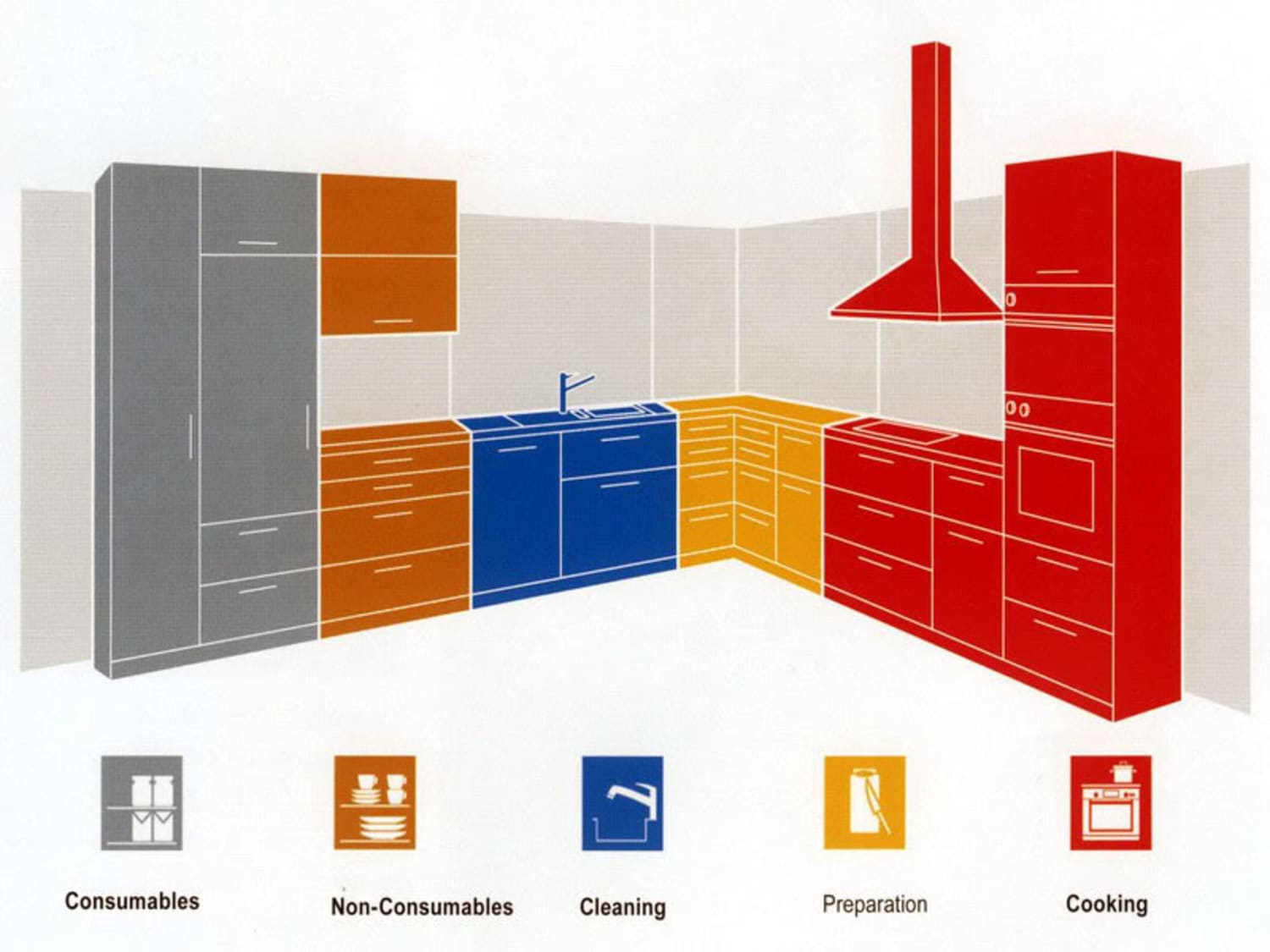
Work zones are key in kitchen organization. Identify three main zones: cooking, cleaning, and storage. The cooking zone includes the stove and oven. The cleaning zone centers around the sink and dishwasher. The storage zone holds your pantry and refrigerator. Arrange these zones for smooth workflow. It minimizes unnecessary steps and saves time.

Credit: m.youtube.com
Choosing The Right Layout
Selecting the right kitchen layout creates a functional and pleasant cooking space. Focus on work zones for efficiency. Ensure easy access to frequently used items and appliances.
Choosing the right kitchen layout is crucial. It impacts both functionality and style. The layout sets the tone for efficiency in your kitchen. Selecting the perfect fit can make cooking enjoyable. Each layout offers unique advantages. Let's explore some popular options.
Galley Kitchen
A galley kitchen features two parallel counters. It's ideal for small spaces. This layout maximizes efficiency and storage. It allows easy access to appliances. Everything is within arm's reach. It encourages a streamlined workflow. Galley kitchens are perfect for compact homes.
L-shaped Kitchen
The L-shaped kitchen is versatile. It fits well in open spaces. This layout offers ample counter space. There's room for multiple cooks. It creates a natural flow for movement. It's great for entertaining. This design suits a variety of home styles.
U-shaped Kitchen
U-shaped kitchens provide maximum workspace. They offer plenty of storage options. This layout surrounds you with counters. It provides a cozy cooking environment. It's perfect for larger families. The design promotes efficiency and organization. U-shaped kitchens are ideal for avid cooks.
Island Kitchen
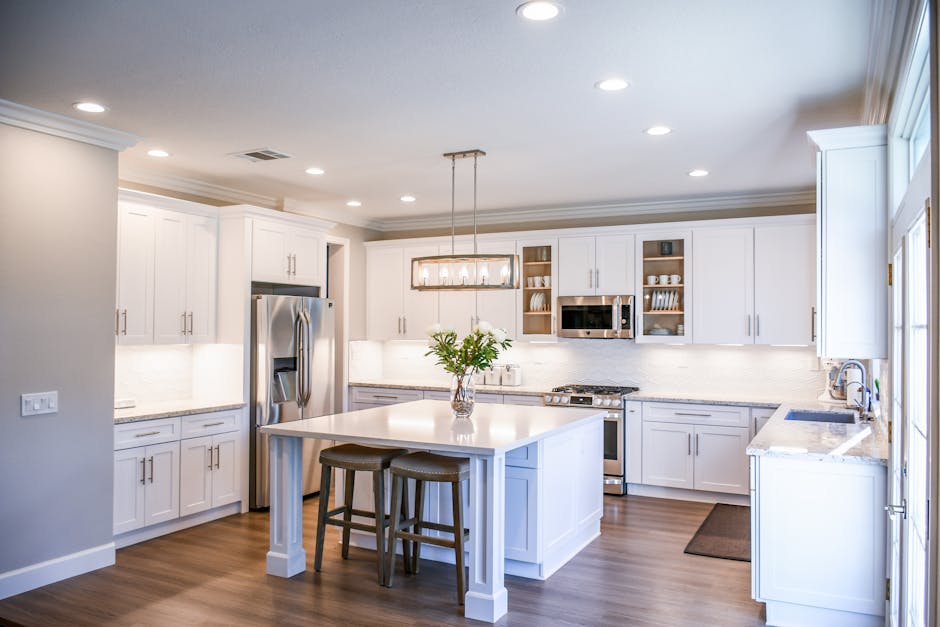
An island kitchen adds extra counter space. It serves as a focal point. Islands offer room for seating. They enhance social interaction. This layout suits open-plan homes. It provides flexibility in design. Islands can include sinks or cooktops.
Peninsula Kitchen
A peninsula kitchen extends from a wall. It's like an island but attached. This layout offers additional workspace. It defines kitchen boundaries. It's ideal for small areas. Peninsulas enhance storage options. They create a natural division in open spaces.
Maximizing Storage Solutions
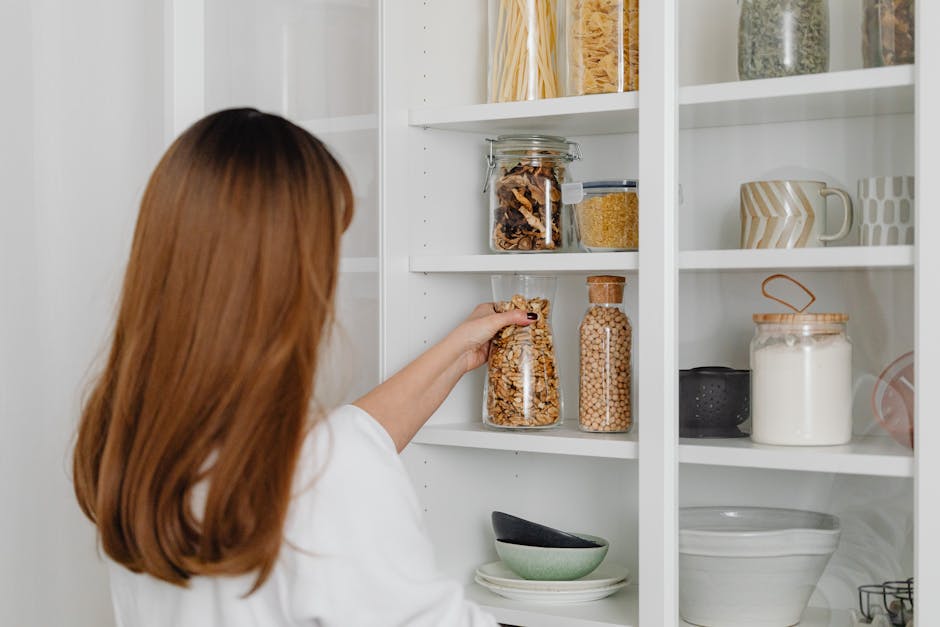
Organizing your kitchen layout efficiently enhances storage and accessibility. Utilize vertical spaces for shelving and hooks. Arrange frequently used items in easy-to-reach areas to streamline cooking tasks.
Maximizing storage solutions in your kitchen can transform the space. Efficient storage makes cooking easy and keeps clutter away. Smart organization uses every inch of your kitchen wisely. Discover practical ways to enhance storage below.
Cabinet Options
Cabinets are the backbone of kitchen storage. Opt for deep cabinets to store large pots and pans. Use pull-out trays for easy access to items at the back. Consider corner cabinets with rotating shelves. This design provides access to hidden spaces. Install dividers for neat organization of baking sheets and trays.
Open Shelving Ideas
Open shelves add style and function. Use them for items you use often, like dishes and glasses. Arrange spices in neat rows for easy reach. Display colorful mugs and bowls to brighten the kitchen. Mix practical items with decorative pieces for a balanced look. Ensure shelves are sturdy enough for heavy items.
Utilizing Vertical Space
Vertical space is often underused. Install tall cabinets reaching the ceiling for more storage. Hang pot racks to free up cabinet space. Use hooks for utensils and mugs. Consider wall-mounted shelves for small appliances. This creates more counter space for cooking. Maximize every inch by thinking vertically.
Credit: www.thekitchn.com
Optimizing Workflow
Optimizing workflow in your kitchen can save time and energy. A well-organized layout lets you cook, clean, and entertain with ease. Streamlining your kitchen's flow improves efficiency and enjoyment.
The Work Triangle Concept
The work triangle concept is a classic kitchen design principle. It connects the sink, stove, and refrigerator. This triangle forms the core of your kitchen activities. Ideally, each side of the triangle is between 4 and 9 feet. This arrangement minimizes walking distances while cooking. It also reduces unnecessary steps.
Keep the triangle clear of obstacles. Avoid placing large items like islands within the triangle. A clear path ensures smooth workflow.
Efficient Appliance Placement
Appliance placement affects kitchen efficiency. Position your refrigerator near the kitchen entrance. This makes grocery unloading convenient. Place the sink between the stove and refrigerator. This layout supports meal prep and cleanup.
Ensure your oven and microwave are easily accessible. These should be close to the stove for quick access. Store often-used appliances on the countertop. This keeps them within reach and saves time. Hide less-used appliances in cabinets to reduce clutter.
Incorporating Functional Design
Crafting a kitchen layout with functional design enhances efficiency and comfort. Prioritize easy access to essential items and maximize counter space. Smart organization can transform cooking into a seamless experience, making daily tasks simpler and more enjoyable.
Incorporating functional design into your kitchen layout enhances both style and efficiency. A well-organized kitchen saves time and effort during meal prep. It also makes cooking more enjoyable. Thoughtful design elements ensure your kitchen works for you. Let's explore some key aspects of functional kitchen design.
Countertop Selection
Choose countertops that are both durable and easy to clean. Materials like quartz and granite are popular choices. They resist stains and scratches. Consider the height of your countertops. It should suit your comfort level during cooking and prep work. Match the countertop color with your kitchen’s theme. This creates a harmonious look.
Lighting Considerations
Proper lighting is crucial in the kitchen. It enhances visibility and ambiance. Install bright task lighting over work areas. This includes countertops and the stove. Consider under-cabinet lighting for extra illumination. Soft, ambient lighting adds warmth to the dining area. Use energy-efficient LED bulbs. They last longer and reduce electricity costs.
Ergonomic Design Elements
Ergonomic design reduces strain and improves comfort. Arrange frequently used items within easy reach. Use pull-out drawers for pots and pans. Install cabinets at an accessible height. Avoid bending or stretching too much. Choose a sink depth that suits your height. This prevents back strain during dishwashing. An ergonomic kitchen promotes a healthier cooking environment.
Personalizing Your Space
Arranging your kitchen layout efficiently enhances both function and style. Think about the flow between cooking, storage, and cleanup areas. Smart placement of appliances and utensils reduces clutter and streamlines meal prep.
Personalizing your kitchen layout is a unique opportunity to make your cooking space truly yours. While functionality is essential, adding personal touches can transform your kitchen from a mere workspace into a welcoming hub of creativity and comfort. Let's dive into the ways you can infuse your personality into your kitchen, making it a space that reflects who you are and how you love to cook.
Color And Material Choices
The colors and materials you choose can significantly impact the mood of your kitchen. Consider which colors make you feel happy and energized. Do you love the serenity of soft pastels, or do bold, vibrant shades inspire you? Selecting materials is just as crucial. Would you prefer the warmth of wooden countertops, or does the sleekness of stainless steel appeal to your modern aesthetic? Mixing different textures, like a rustic wood with smooth marble, can add depth and interest. Think about how these choices affect your daily routine. A bright color scheme might lift your spirits every morning, while natural materials can create a calming atmosphere after a long day.
Adding Personal Touches
Adding personal touches is where your kitchen truly comes alive. Display cherished items that tell a story, like a vintage tea set from your grandmother or a travel souvenir that brings back memories of a special trip. Consider creating a gallery wall with family photos or inspirational quotes. This can be a constant source of motivation as you cook up new recipes. Think about the little details that make you smile. Maybe it's a quirky clock that amuses you every time you check the time or a collection of cookbooks arranged by color for a pop of visual interest. What personal elements would make your kitchen feel more like home? Personalizing your space isn’t just about aesthetics; it's about creating a kitchen that welcomes and inspires you every day.
Sustainability In Kitchen Design
Organize your kitchen layout for sustainability by optimizing space. Consider energy-efficient appliances and eco-friendly materials. Arrange items for easy access to reduce waste and promote a green lifestyle.
Sustainability is more than a trend; it's a necessity, especially in kitchen design. Your kitchen is where you spend a lot of time, and making it eco-friendly can have a big impact. Imagine saving energy and using less waste with every meal you prepare. By making sustainable choices, you contribute to a healthier planet and enjoy a more efficient kitchen. Let's dive into how you can make your kitchen layout more sustainable.
Eco-friendly Materials
Choosing eco-friendly materials is a great first step. Bamboo and reclaimed wood are excellent choices for cabinets and flooring. They're sustainable and give your kitchen a warm, natural look. Consider recycled glass or concrete for countertops. These materials are not only durable but also reduce waste by reusing materials that would otherwise end up in landfills. Think about using low-VOC paints and finishes. They improve indoor air quality, making your kitchen a healthier place to cook and gather.
Energy-efficient Appliances
Switching to energy-efficient appliances is a smart move. They consume less power, which saves you money on utility bills. Look for appliances with the Energy Star label to ensure they meet efficiency standards. Think about investing in an induction cooktop. It uses less energy than traditional gas or electric stoves and heats up faster, saving you time. LED lighting is another simple change. It uses a fraction of the energy that traditional bulbs do, and they last much longer. This small change can make a big difference in your kitchen's energy use. Reflect on how these small changes can lead to big savings and a healthier environment. What steps will you take to make your kitchen more sustainable? Your choices today can have a lasting impact tomorrow.
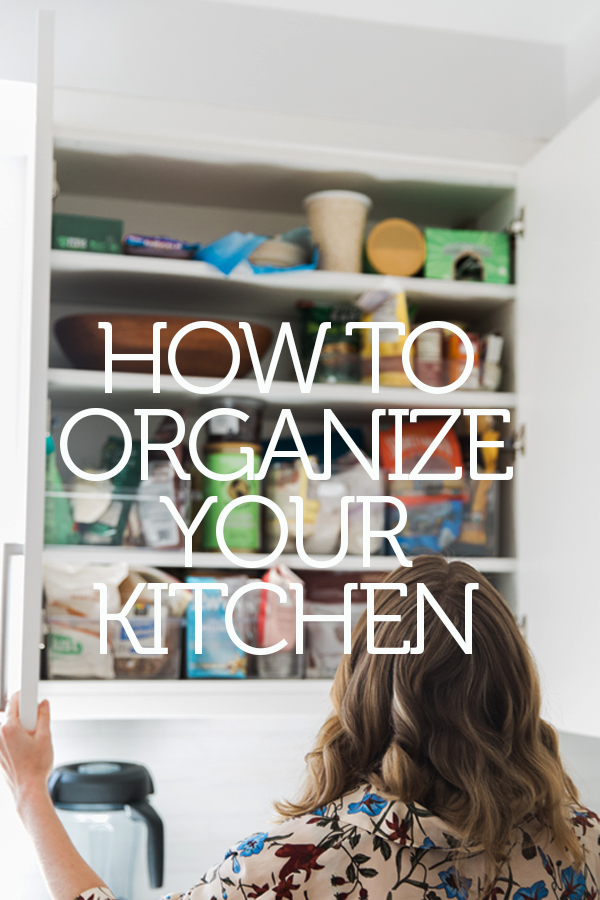
Credit: feedmephoebe.com
Budgeting And Planning
Organizing your kitchen layout can be a fulfilling project. But it’s essential to budget and plan effectively. This ensures you don't overspend and get the desired outcome. With proper planning, you can create a functional and stylish kitchen. Whether you have a small or large space, budgeting is crucial. It helps you allocate resources wisely and make informed decisions.
Cost-effective Solutions
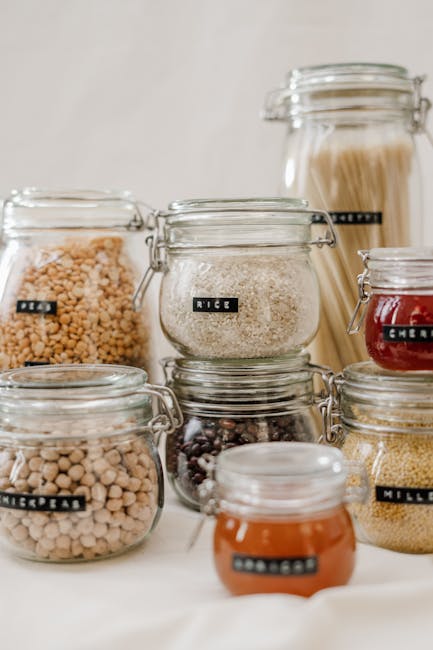
Find cost-effective solutions by repurposing existing items. Use open shelves instead of cabinets. They are cheaper and modern. Consider second-hand stores for affordable finds. Paint old cabinets for a fresh look. Change hardware for an updated appearance. Use containers to organize pantry items. They are inexpensive and make a difference.
Diy Vs. Professional Help
Decide between DIY or professional help. DIY saves money but requires skills. Online tutorials can guide you. Simple tasks are manageable alone. Painting walls or installing shelves are DIY-friendly. For complex projects, hire professionals. Plumbing or electrical work needs expertise. Professionals ensure safety and quality. Weigh costs and benefits before deciding.
Frequently Asked Questions
What Is The Best Kitchen Layout?
The best kitchen layout depends on your space and needs. The most common layouts are L-shaped, U-shaped, and galley. Consider your cooking habits, workflow, and storage requirements when choosing.
How Can I Maximize Kitchen Storage?
Maximize storage by using vertical space, such as shelves and wall-mounted racks. Use organizers in drawers and cabinets. Consider multi-purpose furniture like islands with built-in storage.
How Do I Create A Functional Kitchen Workflow?
Create a functional workflow with the kitchen work triangle. Position the sink, stove, and fridge in a triangular layout. This minimizes movement and maximizes efficiency.
What Are Some Tips For Small Kitchen Organization?
For small kitchens, use space-saving tools like stackable containers. Install hanging racks for utensils and pots. Maximize under-sink and above-counter storage.
Conclusion
Organizing your kitchen layout brings ease to everyday cooking. A tidy space reduces stress and boosts creativity. Start by decluttering countertops for a clean look. Arrange tools and utensils within reach. Keep frequently used items accessible. Store less-used gadgets up high or in cabinets.
Use drawers for spices and small items. Label everything for quick identification. Enjoy a harmonious kitchen where everything has its place. With these tips, cooking becomes fun and efficient. Transform your kitchen into a functional and inviting space. A well-organized kitchen is the heart of the home.