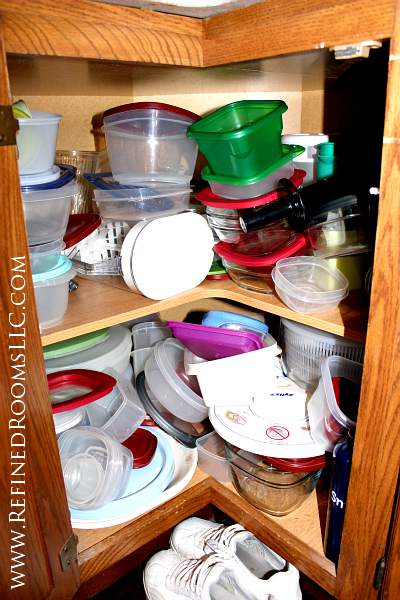
Are you tired of opening your kitchen cabinets only to face a chaotic mess of mismatched plastic containers tumbling out? You're not alone.
Organizing plastic containers can be a daunting task, but it doesn't have to be. Imagine a kitchen where every container has its place, making meal prep a breeze and saving you time and frustration. This guide will show you how to transform your cluttered cabinet into a well-organized space, giving you more peace of mind and efficiency in your everyday life.
Keep reading to discover practical tips and tricks that will turn your container chaos into a harmonious haven. Your kitchen—and your sanity—will thank you!
Assess Your Collection
Organizing plastic containers in the kitchen starts with assessing your collection for efficiency. Group similar sizes and shapes together to maximize space. Keep frequently used containers within easy reach for convenience and a tidy kitchen.
Assessing your collection of plastic containers is the first step towards a neatly organized kitchen. It’s easy to let these containers pile up until they become a jumbled mess. But with a little effort, you can transform your cabinet into a space that saves you time and frustration.
Identify Frequently Used Containers
Begin by pulling out all your containers. Take a good look and identify the ones you use most often. These are the containers that should be easily accessible. Think about which containers you reach for when storing leftovers or packing lunch. Do you always go for that big, round container for your salads or the small square ones for sauces? Prioritizing your frequently used containers can streamline your daily routine and make cooking and storing food much easier.
Sort By Size And Shape
Once you’ve identified the containers you use regularly, it’s time to sort them. Group them by size and shape to create a more organized space. Stack containers that are similar in size to save on space. For example, stack larger containers at the bottom and smaller ones on top. This simple sorting method can prevent the dreaded container avalanche when you open the cabinet door. Consider how often you use specific sizes. Would it make sense to keep smaller containers towards the front for easy access? Organizing by size and shape not only optimizes space but also makes it easier to find the container you need without a second thought. Have you ever found yourself rummaging through mismatched lids? Sorting by shape can help you quickly match lids to their containers, saving you valuable time in the kitchen. By taking a few moments to assess and sort your collection, you can create a kitchen that works for you, rather than against you. What other strategies do you use to keep your kitchen organized?
Utilize Cabinet Space
Organizing plastic containers can transform your kitchen space. Efficient use of cabinets is key. It helps keep things tidy. You find items quickly. This saves time during cooking. Let's explore some strategies.
Optimize Shelf Height
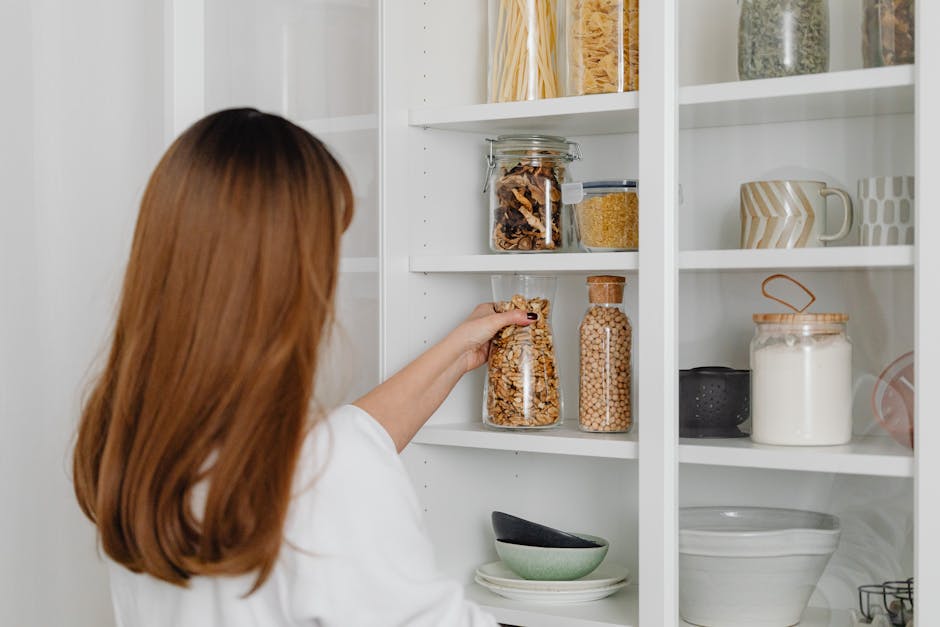
Adjust shelves for maximum space utilization. Place taller items on higher shelves. Keep smaller containers on lower shelves. This makes them easy to reach. It also prevents clutter. Utilize vertical space effectively. More storage without expanding cabinet size.
Use Stackable Solutions
Stack containers to save space. Use stackable containers with lids. They fit neatly together. This prevents mismatched lids and containers. Clear containers let you see contents easily. Choose durable materials. Stack them safely to avoid spills. A tidy cabinet means a tidy kitchen.
Drawer Organization
Organizing plastic containers in kitchen drawers can be challenging. They often become a jumble of mismatched lids and containers. Proper drawer organization can create a tidy and accessible space. This method saves time and reduces frustration during meal prep.
Insert Dividers
Dividers are essential for drawer organization. They separate containers from lids, creating a structured layout. Adjustable dividers fit different drawer sizes. They can be moved as needed, ensuring flexibility. This method prevents the clutter of stacking containers. Each item has its dedicated space, making retrieval easy.
Label Compartments
Labeling compartments adds clarity to drawer organization. Labels help identify container sizes or types. Use waterproof labels for durability. Clear labels are easy to read and can be customized. They guide users directly to the needed item. Labels reduce search time and improve efficiency. This step enhances kitchen productivity.
Credit: refinedroomsllc.com
Maximize Vertical Space
Organize kitchen plastic containers by stacking them vertically on shelves. Use shelf dividers to maximize storage. This saves space and keeps everything neat.
Organizing your kitchen can feel like a never-ending battle, especially with those pesky plastic containers that seem to multiply overnight. A key strategy is to maximize vertical space. This approach not only helps you make the most out of your kitchen but also keeps your counters clutter-free. Imagine opening your cabinet to a neatly stacked, easily accessible collection of containers, each in its place. Let's dive into how you can achieve this by using smart vertical storage solutions.
Install Hooks And Racks
Hooks and racks are game changers. They create additional storage without taking up counter space. Consider adding adhesive hooks to the inside of cabinet doors for lids. This keeps them visible and easy to grab when you need them. Racks can be mounted inside cupboards or even on walls. A simple wire rack can hold multiple containers vertically. This way, you can store more in less space, making it easier to find what you need.
Use Tiered Organizers
Tiered organizers bring order to chaos. These handy tools allow you to stack containers vertically with ease. They come in various sizes, so you can choose one that fits your space perfectly. Think about using a tiered shelf for your containers. It keeps everything visible, reducing the time spent rummaging around for that missing lid. Plus, you can easily see if you need to restock your favorite sizes. Have you ever noticed how much space is wasted in cabinets? Tiered organizers fill those gaps, ensuring every inch is put to good use. This small change can make a big difference in how your kitchen functions daily. Taking these steps to maximize vertical space can transform your kitchen into an organized haven. What creative ways have you found to keep your kitchen clutter-free?
Consider Alternative Storage
Organizing plastic containers in the kitchen can be a real challenge. Consider alternative storage solutions to maximize space and keep everything neat. Utilize creative ideas to make your kitchen clutter-free. Explore wall-mounted options and over-the-door solutions for effective storage.
Wall-mounted Options
Wall-mounted shelves offer a great way to store containers. They free up counter space and keep items within reach. Install adjustable racks for flexibility in storage. Use hooks to hang lids, saving more room. Choose sturdy materials to ensure safety and durability. These options help maintain an organized kitchen.
Over-the-door Solutions
Over-the-door organizers are practical for small kitchens. Utilize the back of pantry or cabinet doors. Hanging pockets can hold container lids or smaller items. Choose clear pockets to easily see contents. Install adjustable hooks for added convenience. These solutions maximize unused space effectively.
:strip_icc()/plastic-bins-in-cupboard-for-storage-container-organization-c532e2a5-db746fa3bbeb4c3abb005eeca27adeb9.jpg)
Credit: www.bhg.com
Maintain Order
Keeping your kitchen organized can be challenging. Especially with plastic containers. They tend to pile up and create chaos. To maintain order, a few simple strategies can help. These methods keep your kitchen tidy. They also save you time and frustration.
Regularly Declutter
Start by sorting through your containers. Remove any that are damaged or missing lids. This reduces clutter and frees up space. Make it a habit to declutter monthly. It prevents build-up and keeps your collection manageable. Consider donating containers you rarely use. This way, someone else can benefit.
Adopt A Labeling System
Labels are a great way to maintain order. They help you find what you need quickly. Use clear, waterproof labels for durability. Label each container with contents and date. This is especially useful for leftovers. A consistent labeling system reduces confusion. It also helps others in your household. They can easily locate and replace items.
Eco-friendly Practices
In today's world, taking care of the environment is crucial. Organizing plastic containers in an eco-friendly way helps reduce waste. It also promotes sustainable living. Let's explore some practices to make your kitchen greener. This guide will help you recycle and choose sustainable materials. Let's begin.
Recycle Unwanted Containers
Start by sorting through your plastic containers. Find the ones you don't use anymore. Some may be broken or mismatched. These can be recycled. Check the recycling codes on the bottom. This ensures proper recycling. Many communities have recycling programs. Participate in these to dispose of your plastics responsibly. By recycling, you reduce waste and help the planet.
Choose Sustainable Materials
Consider switching to sustainable materials. Glass and stainless steel are great options. They last longer and are better for the environment. Bamboo lids add a stylish touch. These materials are often safer for food storage. They don't leach chemicals like some plastics. Invest in quality containers. They might cost more, but they save money over time. Plus, they reduce your carbon footprint.
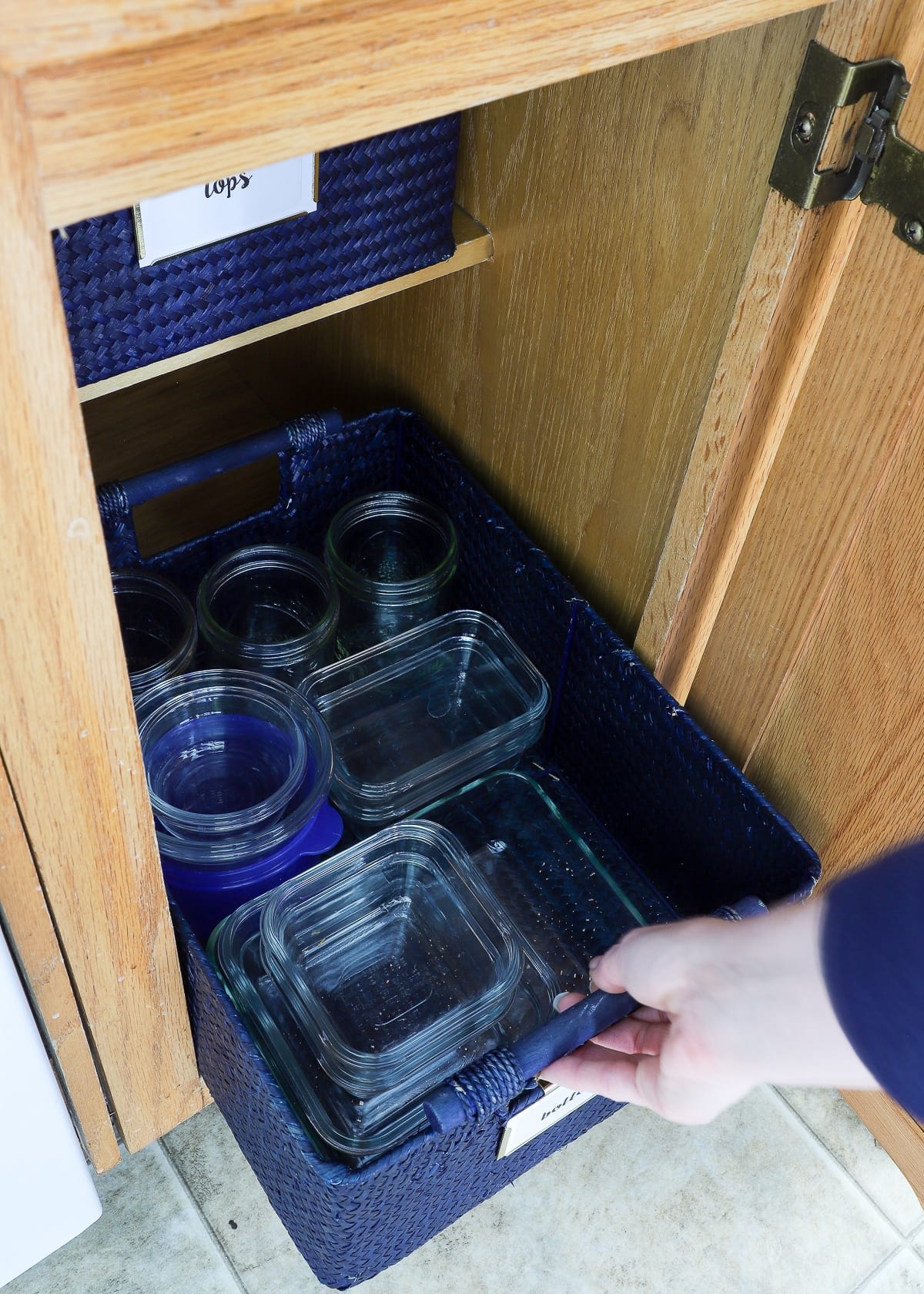
Credit: thehomesihavemade.com
Frequently Asked Questions
How Do I Maximize Cabinet Space For Containers?
To maximize cabinet space, stack containers and lids separately, using shelf risers and drawer organizers. Consider nesting similar-sized containers to save space. Utilize vertical storage solutions and label each container for easy access. Regularly declutter and assess your collection to ensure efficient use of available space.
What's The Best Way To Store Container Lids?
Store container lids upright in a separate basket or organizer to prevent clutter. Use a lid rack or tension rods to keep them easily accessible. Group lids by size and type for quick identification. Ensure they are stored in a dry place to avoid warping or damage.
Can I Use A Drawer For Plastic Containers?
Yes, using a drawer is an efficient way to store plastic containers. Place containers and lids separately, ensuring easy access. Use dividers to organize different sizes and types. Ensure the drawer is spacious enough to prevent overcrowding and allows for quick visibility of all items.
How Often Should I Declutter My Container Collection?
Declutter your container collection every three months to maintain organization. Regularly assess for damaged, unused, or mismatched items. Discard or recycle those that are unnecessary. This routine ensures only essential containers are kept, optimizing storage space and enhancing kitchen efficiency.
Conclusion
Organizing plastic containers in the kitchen brings many benefits. It saves time and reduces clutter. Cooking becomes easier with a tidy space. You find lids and containers without frustration. Labeling helps in quickly locating items. Stack containers neatly to maximize space.
Regular maintenance keeps the system effective. A well-organized kitchen feels welcoming. You enjoy cooking more when everything is in place. Try these tips today. Your kitchen will thank you!