
Moving to a new home is both exciting and overwhelming. As you stand in your new kitchen, surrounded by boxes, you might be wondering how to turn this blank canvas into a functional, organized space.
You’re not alone. Many people find the kitchen to be the most challenging room to set up when moving. But what if organizing your kitchen could be a straightforward, even enjoyable task? Imagine opening each cabinet to find exactly what you need, exactly where you expect it to be.
In this guide, we’ll unlock the secrets to transforming your kitchen chaos into a model of efficiency and order. Ready to make your kitchen the heart of your new home? Let’s dive into the simple strategies that will help you organize your kitchen with ease and confidence.
Planning The Move
Planning the move is a crucial step in organizing your kitchen when relocating. Proper planning can save time and reduce stress. Start by sorting through your kitchen items. Create a strategy that makes packing efficient and straightforward. A well-thought-out plan ensures nothing gets left behind.
Assessing Kitchen Inventory
Begin by assessing your kitchen inventory. Open each cabinet and drawer. Take note of what you have. Decide what to keep, donate, or discard. Consider the space in your new kitchen. This helps in making informed decisions. Minimizing clutter makes packing easier.
Creating A Moving Checklist
A moving checklist keeps you organized. List all tasks related to the kitchen. Include packing fragile items, labeling boxes, and cleaning up. This list acts as a guide. It helps you track progress. Check off tasks as you complete them. This provides a sense of accomplishment.
Setting A Realistic Timeline
Set a realistic timeline for moving. Break tasks into manageable steps. Assign deadlines to each task. This prevents last-minute rushes. Make sure the timeline fits your schedule. Allow extra time for unexpected delays. A well-paced timeline reduces stress.
Credit: www.onlinehsa.com
Decluttering And Downsizing
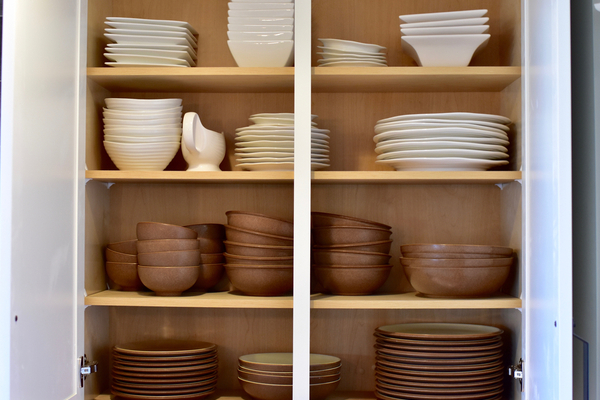
Moving often means a chance to refresh your kitchen's layout. Start by sorting items you use daily from those rarely needed. Pack pots, pans, and utensils efficiently, labeling boxes for easy access. Arrange essentials in a way that suits your new space, ensuring a clutter-free environment.
Moving to a new home offers a fresh start. Decluttering and downsizing your kitchen is crucial. It simplifies packing and helps you begin organized in your new space. Clearing out unnecessary items reduces chaos. You will feel lighter and more in control.
Identifying Unnecessary Items
Begin with identifying unnecessary items. Open each cupboard and drawer. Pull out everything you haven’t used in months. Ask yourself: Do I really need this? Keep essentials and let go of extras. Don't keep duplicate items. Multiple spatulas or measuring cups are often unnecessary. Prioritize functionality over quantity.
Donating Or Selling Kitchenware
Consider donating or selling kitchenware. Many items are still useful. Organizations like thrift stores welcome donations. Yard sales or online platforms are good for selling. This process is rewarding. You help others and earn a little money. Plus, fewer items mean less packing stress.
Proper Disposal Of Expired Goods
Proper disposal of expired goods is crucial. Check every pantry item. Look at expiration dates. Toss out anything past its prime. This ensures safe food consumption. It also clears space in your new kitchen. Dispose of items responsibly. Use eco-friendly methods when possible.
Efficient Packing Strategies
Organizing a kitchen when moving becomes easier with efficient packing strategies. Sort items by category and pack similar items together. Label boxes clearly to simplify unpacking in your new kitchen space.
Moving can be an exciting yet overwhelming experience, especially when it comes to organizing your kitchen. Efficient packing strategies can make a world of difference, ensuring your kitchen is set up smoothly in your new home. You might wonder, how can you pack your kitchen effectively without breaking the bank or your precious dishes? Let's dive into some practical tips to help you pack with ease and confidence.
Choosing The Right Packing Materials
Picking the right materials is crucial in safeguarding your kitchen items. Use sturdy boxes that can withstand weight and protect your belongings. Consider using bubble wrap for fragile items and packing paper to fill gaps and prevent movement. Don't underestimate the power of dish packing kits—they can save you time and prevent damage. And yes, you can reuse those old newspapers for added protection, just be mindful of ink stains on delicate surfaces.
Labeling Boxes Effectively
Labeling is your secret weapon for a stress-free unpacking experience. Clearly mark each box with its contents and destination room. Try using colored stickers or markers to categorize boxes by room. Consider adding a brief note if certain items need immediate attention upon arrival. Imagine the relief of finding your coffee maker quickly amidst the chaos on your first morning in the new house.
Protecting Fragile Items
Fragile items require extra attention to ensure they survive the move intact. Wrap each dish individually and create a buffer with bubble wrap or packing paper. Layer the bottom of boxes with padding to absorb shock. Place heavier items at the bottom and lighter ones on top to prevent crushing. It might sound like common sense, but double-checking can save you from unpleasant surprises. Have you ever opened a box only to find your favorite mug shattered? A little extra care goes a long way. Incorporating these strategies can transform your moving experience from chaotic to organized. How will you ensure your kitchen is ready for action in your new place?

Credit: www.resetyournest.com
Organizing For The New Kitchen
Moving into a new home? Start by organizing your kitchen efficiently. Sort items by category, and designate specific zones for cooking, storage, and cleaning. Use clear labels for easy access and keep frequently used items within reach.
Organizing your new kitchen when moving can feel overwhelming, but with a strategic approach, it becomes an exciting opportunity to create a space that works perfectly for you. Imagine walking into your new kitchen and everything is exactly where you need it—what a time saver! Here, we’ll guide you through setting up your new kitchen with ease and efficiency.
Creating A Floor Plan
Start by measuring your new kitchen. A simple sketch on paper or using an app can help. Knowing the dimensions will aid you in deciding where to place major appliances and cabinets. Think about your workflow. Where do you naturally move when cooking or cleaning? Arrange your kitchen to follow that pattern. This will make your daily tasks more intuitive. Consider the ‘kitchen triangle’—the space between the stove, sink, and refrigerator. Ensure this area is clear for smooth movement.
Designating Spaces For Essentials
Identify the items you use most frequently. These should be easily accessible. Store them at eye level to prevent unnecessary bending or stretching. Think about your morning routine. Keep your coffee maker, mugs, and coffee supplies together. This will save you time and make mornings easier. Create zones for different activities, like baking or prepping meals. This helps keep your kitchen organized and functional.
Maximizing Storage Solutions
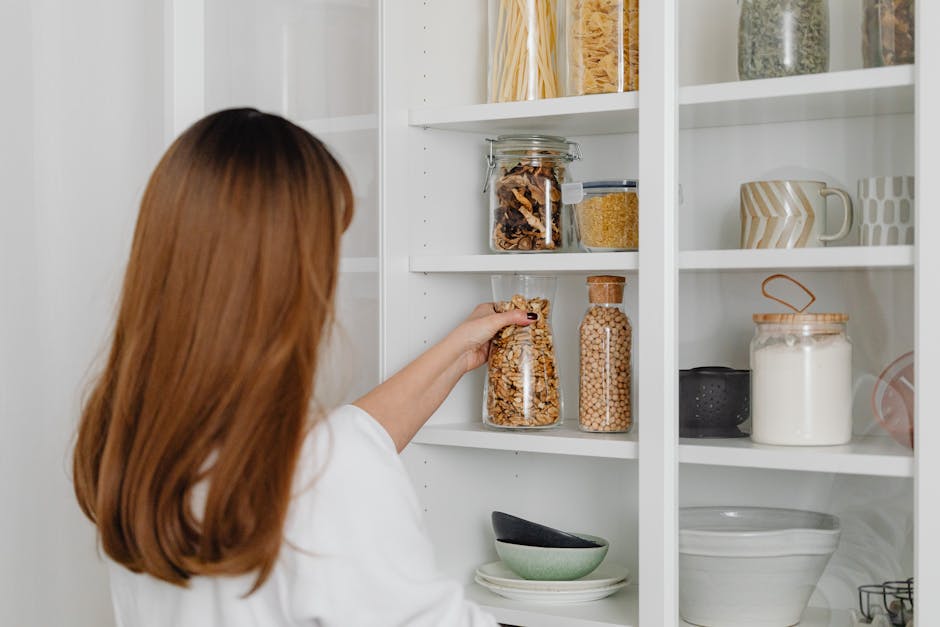
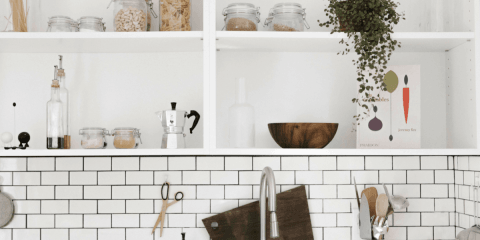
Use vertical space. Install shelves or hooks on walls to store pots and pans. This frees up cabinet space for other items. Consider drawer organizers. They help keep utensils and smaller items from becoming a jumbled mess. Get creative with storage. Use clear containers for dry goods to easily see contents. This can prevent overbuying and helps maintain order. Remember, organizing your kitchen is about making it work for you. What small changes can you make today for a more functional kitchen tomorrow? Whether it's a simple tweak or a complete overhaul, each step you take brings you closer to your dream kitchen.
Unpacking And Setting Up
Begin by unpacking kitchen items carefully, ensuring you sort essentials first. Arrange dishes, utensils, and cookware logically. Utilize drawers and cabinets effectively for easy access.
Unpacking and setting up your kitchen in a new home can be challenging. It's not just about placing items where they fit. It's about creating a space that feels right and functions well. This process can be smooth with a clear plan and a bit of patience.
Unpacking Essentials First
Start with the essentials. Unpack items you use daily. This includes dishes, cups, and basic utensils. Having these handy helps make the kitchen functional quickly. It also reduces the stress of searching through boxes.
Arranging Kitchenware Logically
Think about how you use your kitchen. Place items where they make sense. Pots and pans near the stove. Glasses close to the sink. This logical arrangement saves time and effort. It also makes cooking more enjoyable.
Finalizing The Layout
Once everything is out, step back. Look at your kitchen layout. Does it feel right? Make changes if needed. Remember, this space should be comfortable and efficient. Adjusting now saves hassles later.
Maintaining An Organized Kitchen
Maintaining an organized kitchen can make your daily life smoother. An orderly space saves time and reduces stress. It also enhances cooking experiences. After moving, keeping your kitchen tidy might seem challenging. But with some simple strategies, you can create a functional and pleasant space.
Regular Decluttering Practices
Declutter your kitchen often to maintain order. Start by removing items you no longer use. Donate or recycle them to free up space. Keep only essential appliances on your counters. This approach reduces visual clutter and makes cleaning easier. Set a routine for decluttering sessions. Monthly or quarterly practices work best for most.
Using Organizational Tools
Organizational tools can transform your kitchen space. Install shelf dividers to maximize cabinet space. Use drawer organizers for utensils and small gadgets. Label containers to identify contents quickly. Invest in stackable containers for pantry items. These tools keep things in place and easy to find. They also make your kitchen look neat and tidy.
Keeping A Cleaning Schedule
A cleaning schedule helps maintain a spotless kitchen. Assign tasks for daily, weekly, and monthly cleaning. Wipe counters and sweep floors daily. Clean appliances and cabinets weekly. Deep clean your kitchen monthly. Consistency in cleaning keeps your kitchen fresh and hygienic. It also prevents dirt and grime from building up.
Credit: www.tsishipping.com
Frequently Asked Questions
How Do I Start Organizing My Kitchen For Moving?
Begin by decluttering and sorting items into categories. Pack essentials separately for easy access. Use labels for boxes, specifying contents and rooms. Prioritize fragile items with bubble wrap or packing paper. Donate or discard unused items to reduce load. Create an inventory for quick unpacking in your new kitchen.
What Should I Pack First In The Kitchen?
Start with non-essential items such as seasonal or rarely used kitchen gadgets. Pack cookware and dishes you seldom use. Keep daily essentials like a few plates, cups, and utensils handy. Store pantry items in sturdy boxes. Securely seal containers to prevent spills during the move.
How Can I Protect Fragile Kitchen Items?
Wrap fragile items like glassware and dishes in bubble wrap or packing paper. Use dish boxes with dividers for extra protection. Fill empty spaces in boxes with packing peanuts or towels. Label boxes as "Fragile" to ensure careful handling during transit.
This minimizes the risk of breakage.
What Are The Best Packing Materials For Kitchen Items?
Use sturdy boxes, bubble wrap, and packing paper to secure kitchen items. Dish boxes are ideal for fragile items. Packing tape ensures boxes stay closed. Labels help identify contents easily. Reusable containers are eco-friendly and sturdy. These materials protect your kitchen items during the moving process.
Conclusion
Organizing your kitchen when moving can be easy with planning. Start by sorting items before packing. Label boxes clearly for quick unpacking. Use drawer dividers and shelf organizers. Store essentials in easy-to-reach places. Group similar items together. This saves time and reduces stress.
Consider donating unused items. This creates more space in your new kitchen. Enjoy your fresh start in a tidy, efficient space. A well-organized kitchen makes cooking more enjoyable. Follow these simple tips and settle in faster. Your new kitchen awaits, ready for you to create delightful meals.