Are your kitchen cabinets a chaotic mess of mismatched lids and tumbling plastic containers? You're not alone.
Many of us struggle with finding a system that keeps our plastic containers in order. This clutter can make cooking more stressful and finding the right container a frustrating game of hide and seek. But imagine opening your cabinets to find every lid paired perfectly with its container, neatly stacked and ready for use.
Sounds like a dream, right? In this guide, we’ll show you simple and effective ways to organize your plastic containers, bringing a sense of calm and efficiency back to your kitchen. Let's dive in and transform that cluttered chaos into a streamlined space you’ll love.
:strip_icc()/plastic-bins-in-cupboard-for-storage-container-organization-c532e2a5-db746fa3bbeb4c3abb005eeca27adeb9.jpg)
Credit: www.bhg.com
Declutter And Assess
Tidy the kitchen by sorting plastic containers, checking for damaged or mismatched lids. Clear out what you don't need. Arrange remaining containers by size and shape to maximize space and accessibility.
Organizing plastic containers in your kitchen can transform chaos into clarity. The first step is to declutter and assess, which sets the foundation for a more streamlined and efficient kitchen. By examining what you have and deciding what you truly need, you can create a space that's both functional and appealing.
Declutter: What Do You Really Need?
Open your kitchen cabinet and take a hard look at your plastic containers. How many do you actually use regularly? You might be surprised to find duplicates, mismatched lids, and containers that haven't been touched in months. Create three piles: keep, donate, and discard. Be honest with yourself. If a container hasn't been used in ages or you can't find the matching lid, it's time to let it go.
Assess: Quality Over Quantity
Now that you've decluttered, it's time to assess the quality of your containers. Are they durable enough to withstand frequent use? Opt for high-quality containers that seal properly and are easy to clean. This will save you time and frustration in the long run. Think about the purpose of each container. Do you really need multiple sizes and shapes? Streamline your collection to include versatile containers that can serve multiple functions.
Personal Insights: The Surprise Element
When I first tackled my plastic container mess, I discovered containers that belonged to sets I didn't even remember owning. This unexpected find made me question my buying habits. Do we often purchase more than we need just because it's convenient? What surprises are waiting in your cabinet? As you declutter and assess, you might uncover forgotten treasures or realize how little you actually need to maintain an organized space.
Practical Tips: Keep It Simple
- Sort by Size and Shape: Group similar containers together for easy access. - Label Clearly: Use labels to identify contents quickly. - Keep Lids Together: Store lids separately but nearby to avoid endless searching. As you organize, consider if your current system works for you. Are you spending too much time searching for a matching lid? If so, it might be time to rethink your strategy. By decluttering and assessing, you lay the groundwork for a kitchen that's not just organized, but also a joy to use. Are you ready to transform your kitchen space?
Categorize Containers
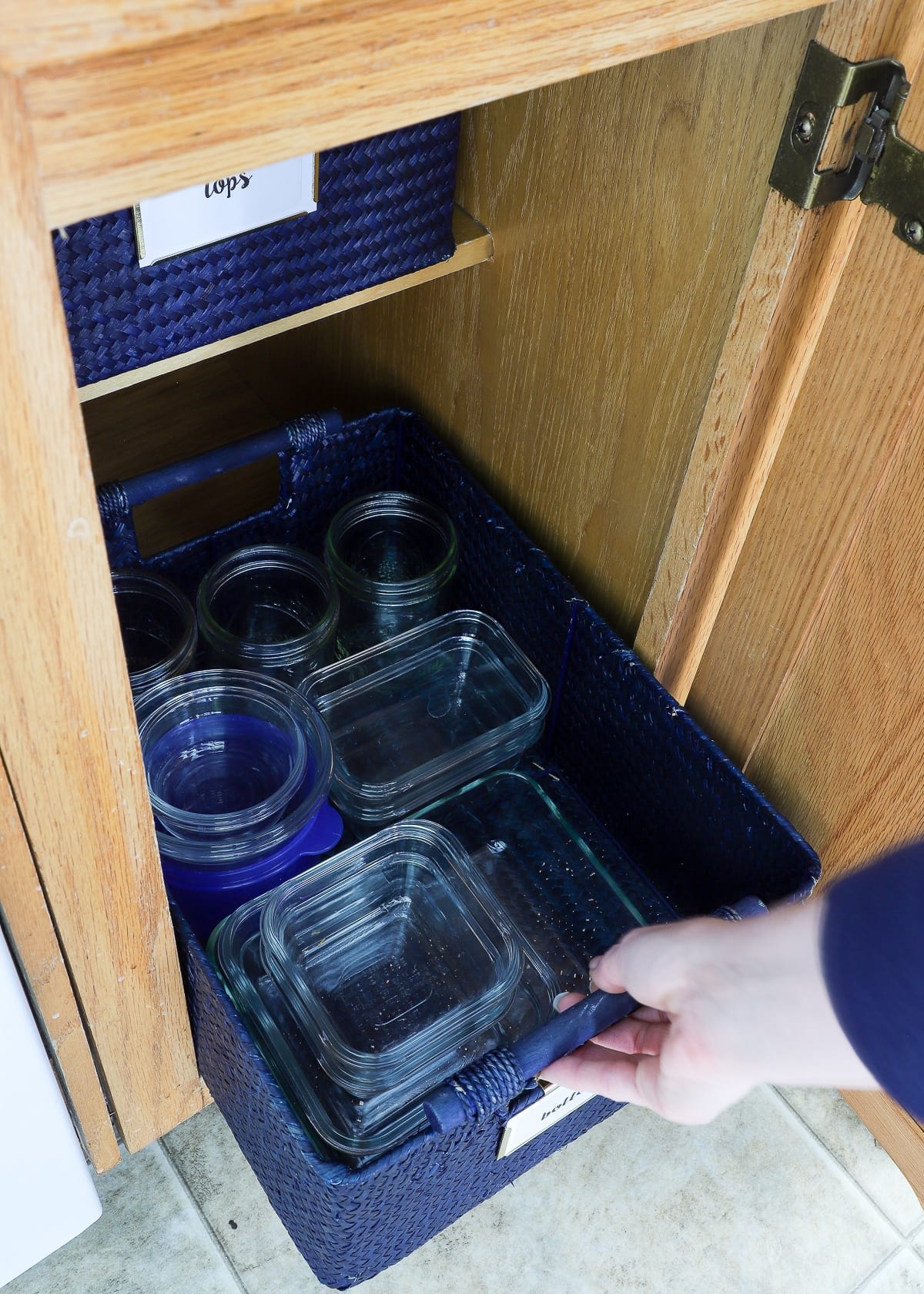
Organize plastic containers in the kitchen by grouping similar sizes and shapes together. Store lids separately to keep them from getting lost. Use clear bins to hold sets and label them for easy access.
Organizing plastic containers in the kitchen can simplify cooking tasks. Efficient categorization helps locate the right container quickly. Proper organization saves time and reduces clutter. Categorizing containers improves kitchen functionality and aesthetics.
Sort By Size
Categorizing by size makes storage easier. Stack similar-sized containers together. This method saves space and ensures easy access. Large containers at the back, small ones upfront. This arrangement provides a clear view of available options.
Group By Shape
Grouping by shape prevents mismatched lids. Place square containers with square lids. Round containers should be grouped similarly. This strategy keeps lids and bases together. It reduces frustration during food storage. An organized system enhances efficiency.
Separate By Usage
Containers for daily use should be easily accessible. Place frequently used containers at the front of the cabinet. Special occasion containers can be stored higher or at the back. This method prioritizes everyday convenience. It maintains a tidy and functional kitchen space.
Choose Storage Solutions
Organizing plastic containers in your kitchen can be a game changer. A well-organized kitchen not only saves time but reduces stress, making cooking a more enjoyable experience. Choosing the right storage solutions is crucial to transforming clutter into a harmonious space. But what options are out there that can help you achieve this transformation? Let’s explore some practical storage solutions that will keep your containers tidy and accessible.
Drawer Dividers
Drawer dividers are a fantastic solution for organizing plastic containers. They allow you to separate lids from containers easily, ensuring you never lose a lid again. You can find adjustable dividers that fit any drawer size, making it a versatile option. Imagine opening a drawer where everything is neatly separated — it’s a breath of fresh air.
Think about the time saved when you can grab a matching lid and container in seconds. Drawer dividers also prevent containers from sliding around and getting mixed up. Have you ever spent ages digging through a drawer, only to find mismatched lids? This simple solution helps avoid that frustration.
Stackable Shelves
Stackable shelves are another efficient way to organize plastic containers in your kitchen. These shelves maximize vertical space, allowing you to stack containers without risking an avalanche. They can be placed inside cabinets or on countertops, offering flexibility based on your kitchen layout.
The beauty of stackable shelves lies in their ability to keep everything visible and accessible. No more reaching blindly into the back of a cabinet. Have you ever thought about how much easier it would be to find things if you could see them all at a glance? With stackable shelves, that dream becomes reality.
Lazy Susans
Lazy Susans can be a surprising yet effective solution for organizing plastic containers. Their rotating design allows you to access items without digging through stacks. Place them in corner cabinets where space is often wasted, and you'll find new life in your kitchen storage.
Lazy Susans make it easy to grab exactly what you need, even if it’s at the back. Picture the ease of spinning a shelf and finding the right container without lifting a finger. Have you ever wondered why some kitchens seem effortlessly organized? This simple addition could be the answer.
When choosing storage solutions for your plastic containers, remember that practicality and accessibility are key. What changes can you make today that will transform your kitchen into a more organized space?
Credit: thehomesihavemade.com
Labeling Techniques
Organizing plastic containers becomes easier with clear labels. Use a label maker or simple stickers for quick identification. Categorize contents by type or usage, ensuring efficient kitchen storage.
Organizing plastic containers in your kitchen can be a rewarding task. It not only saves space but also makes your cooking process smoother. One effective method to achieve this is through labeling techniques. Labeling can transform a chaotic pile of containers into a neat, accessible collection. Let's dive into some practical labeling methods that will bring order to your kitchen.
Using Stickers
Stickers are a simple and budget-friendly way to label your containers. You can find them in various sizes and colors at any stationery store. Choose waterproof stickers to ensure they last through washes. Write the contents or the intended use of each container. For example, label one as "Lunch Leftovers" and another as "Baking Supplies." This clarity speeds up your cooking process. If you have kids, involve them in the labeling. It can be a fun activity, and they’ll be more likely to keep things organized.
Color Coding
Color coding adds a visual cue, making it easier to find what you need. Assign a specific color to each category of food or meal type. For instance, use green labels for vegetables and red for meats. This system works well for families with children who can't read yet. They can easily identify the containers by color, helping them to be more independent. Consider using colored lids or bands if you prefer not to use stickers. It's a creative way to integrate color without altering the container's surface.
Digital Inventory
In this digital age, why not use technology to your advantage? Create a digital inventory using a spreadsheet or an app designed for kitchen management. List all your containers, their contents, and the date they were stored. This method is great for those who love organization and tech. It can be particularly helpful for tracking expiration dates, reducing food waste. You could even share this inventory with family members. Everyone will have access to the same information, which encourages consistent use of the system. What labeling technique resonates with you? Try one or all, and watch your kitchen transform into a well-organized space.
Optimize Space
Organizing plastic containers in your kitchen can be a game-changer for maintaining a tidy and efficient space. When you optimize space effectively, you not only make your kitchen look better but also make meal prep and storage easier. Imagine opening your cupboard to find everything neatly arranged and accessible. Let's delve into some practical strategies to maximize your kitchen space.
Vertical Storage
Think about using vertical storage solutions to free up counter space. Stack containers vertically on shelves or inside cupboards. This approach can make a huge difference, especially if you have limited shelf space. You might be surprised at how much room you save by simply changing the orientation of your storage.
A friend once shared her trick of using tension rods to create adjustable dividers within a cupboard. This way, she could stack lids vertically alongside the containers without them falling over. How might you adapt this idea in your own kitchen?
Nesting Containers
Consider the magic of nesting containers. This involves stacking containers inside one another to minimize the space they occupy. It's perfect for fitting a variety of sizes into a compact area. When nesting, ensure that the lids are also nested or stacked separately to avoid clutter.
Once, I spent an afternoon sorting my mismatched containers, only to realize how much space I could reclaim by nesting them properly. Have you ever faced a similar situation where a small change led to big results?
Door-mounted Racks
Utilize the often-overlooked space behind cupboard doors by installing door-mounted racks. These racks can hold lids, small containers, or even spice jars. It's a creative way to make use of every inch of space without cluttering your counters.
I once installed a door-mounted rack and suddenly had space for all those awkwardly sized lids. It felt like discovering hidden storage. Have you considered what untapped potential lies behind your cupboard doors?
By organizing your plastic containers using these strategies, you can transform your kitchen into a more functional and inviting space. Each method offers a unique way to optimize space, providing you with easy access to your kitchen essentials. What will you try first?
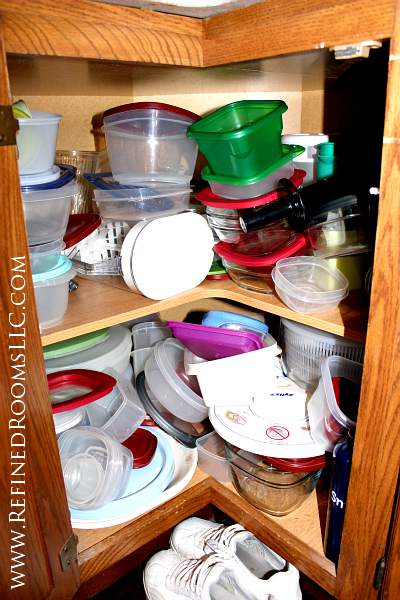
Credit: refinedroomsllc.com
Maintenance Tips
Organize plastic containers by stacking similar shapes together. Use drawer dividers for lids. Store containers near food prep areas for easy access.
Maintaining plastic containers in the kitchen can be simple. With a few smart practices, they can stay clean and organized. This section covers essential maintenance tips to keep your kitchen clutter-free. Enjoy fresh and accessible storage with these easy steps.
Regular Cleaning
Regular cleaning keeps containers looking fresh. Wash them with warm, soapy water. Rinse thoroughly to remove soap residue. Dry completely before storing. This prevents mold and mildew. Clean lids and seals, too. They can trap food particles.
Routine Reorganization
Reorganize your containers every few months. Check for missing lids or damaged containers. Stack by size and shape for easy access. Use drawer dividers for better organization. Label containers if needed. This helps find what you need quickly.
Handling Stains And Odors
Stains and odors are common with plastic containers. Use baking soda to remove smells. Sprinkle inside and let sit overnight. Rinse with warm water. For stains, try vinegar or lemon juice. Soak the container and scrub gently. This helps maintain a fresh look and smell.
Sustainability Practices
Organizing plastic containers in the kitchen boosts sustainability. Store lids separately to save space and find them easily. Stack containers by size to reduce clutter and make efficient use of storage.
Organizing plastic containers in your kitchen doesn't just mean stacking them neatly. It's about adopting sustainability practices that can make a real difference. Have you ever thought about the environmental impact of your plastic use? It's time to consider how small changes can lead to big results. Let's dive into practical ways to make your kitchen more eco-friendly.
Eco-friendly Alternatives
Switching to eco-friendly alternatives can be a game-changer. Glass containers, for instance, not only offer a sleek look but are also reusable and recyclable. Bamboo lids are a stylish choice that complements glass containers perfectly. Have you tried silicone bags for storage? They are flexible, reusable, and free of harmful chemicals. These alternatives reduce your plastic footprint significantly.
Recycling Old Containers
What do you do with containers that are past their prime? Recycling is a smart option. Many community programs accept old plastics and repurpose them into new products. Before tossing them out, check if they're recyclable. You might be surprised how many can be given a second life. This practice not only clears your space but also supports a circular economy.
Reducing Plastic Use
Reducing plastic use starts with awareness. How often do you buy single-use plastic containers? Next time, consider buying in bulk or opting for products with minimal packaging. An organized kitchen is one that prioritizes sustainable choices. Challenge yourself: can you go a week without buying new plastic items? Not only will you save money, but you'll contribute to a healthier planet. By integrating these sustainable practices, you transform your kitchen into a hub of eco-conscious living. What changes are you ready to make today?
Frequently Asked Questions
How To Store Plastic Containers Efficiently?
To store plastic containers efficiently, nest similar-sized containers together. Use drawer dividers or bins to separate lids and bases. Opt for clear containers to easily identify contents. Regularly declutter to avoid unnecessary accumulation. This method maximizes space and keeps your kitchen organized.
What Is The Best Way To Organize Lids?
The best way to organize lids is by using a dedicated lid organizer. Arrange them vertically to save space and ensure easy access. Alternatively, use a tension rod in a drawer to separate lids. This prevents clutter and makes it easy to find the right lid quickly.
How Can I Prevent Container Clutter?
Prevent container clutter by regularly sorting and discarding damaged or unused items. Invest in stackable or nesting containers to save space. Keep lids and bases together to avoid mismatches. Label containers for easy identification. Implement these strategies to maintain a tidy and efficient kitchen space.
Why Should I Use Transparent Containers?
Using transparent containers allows you to easily see the contents inside. This helps in quickly identifying what you need without opening each container. It also aids in inventory management, reducing food waste. Clear containers enhance organization and streamline your kitchen workflow.
Conclusion
Organizing plastic containers can simplify your kitchen life. Clear shelves mean easy access. Stack similar shapes for space efficiency. Label containers for quick identification. Use drawer dividers to keep lids sorted. This prevents clutter and saves time. Regularly check for damaged containers.
Replace or recycle as needed. Clean and dry containers before storing. This stops mold and odors. A neat system keeps your kitchen tidy. Make organizing part of your routine. Small changes lead to big improvements. Enjoy cooking in a well-organized space.
Your kitchen can be stress-free and functional. Happy organizing!