Imagine reaching for your favorite sauce only to find it buried behind a jumble of jars and bottles. Frustrating, isn't it?
A cluttered kitchen can turn meal prep into a chaotic experience. But there's good news—you can transform your kitchen into a space of order and efficiency. Organizing your sauces not only saves time but also enhances your cooking experience. This guide will show you how to bring harmony to your kitchen shelves, making every culinary adventure a breeze.
Dive in to discover simple, effective strategies to keep your sauces neatly arranged and easily accessible. Your future self will thank you!
Choosing The Right Storage Containers
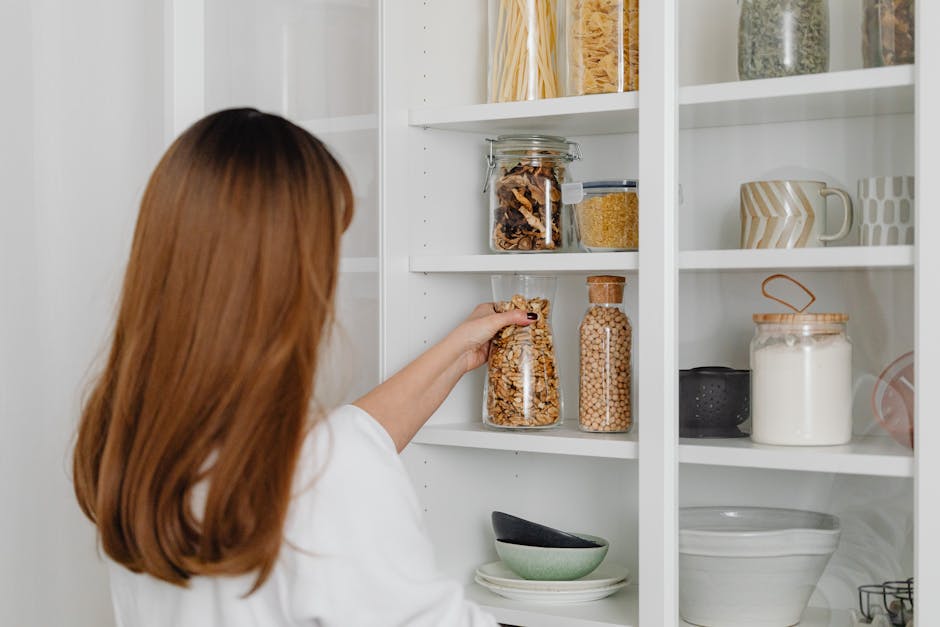
Choosing the right storage containers for your sauces can transform your kitchen organization. With the right containers, you can keep your sauces fresh, easily accessible, and well-organized. The decision often boils down to material and size. Let’s dive into these aspects to help you make the best choice for your kitchen.
Glass Vs. Plastic
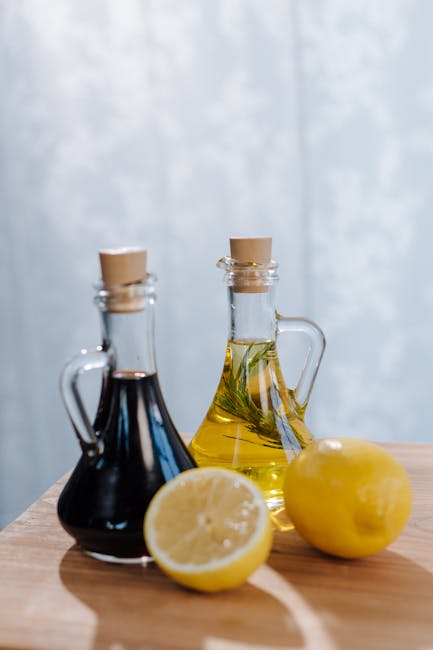
Glass containers are often praised for their durability and ability to keep flavors intact. They're great for storing acidic sauces like tomato and vinegar-based dressings. Plus, glass is microwave-safe, allowing you to heat sauces directly.
Plastic containers, on the other hand, offer convenience and are usually lighter. They can be easily stacked, saving precious shelf space. However, they might absorb odors over time, which is something to consider if you're storing spicy or strong-flavored sauces.
Think about your lifestyle. Do you prefer the elegance and eco-friendliness of glass, or do you lean towards the practicality and portability of plastic?
Size Considerations
When choosing containers, size is crucial. Small containers are perfect for sauces you frequently use, allowing you to keep them readily accessible. For larger quantities, opt for bigger containers to prevent constant refilling.
Consider your shelf space and refrigerator layout. A mix of sizes can help you maximize storage efficiency. A tall, narrow container may fit better in your fridge door, while a wide, short one could be ideal for pantry shelves.
Think about how often you use each sauce. Are there specific sauces you use daily that might need smaller, accessible containers?
Choosing the right containers is not just about storage; it’s about creating a kitchen space that works for you. Reflect on your cooking habits, and experiment with different options to find what suits your lifestyle best. Happy organizing!
Credit: my100yearoldhome.com
Labeling Techniques
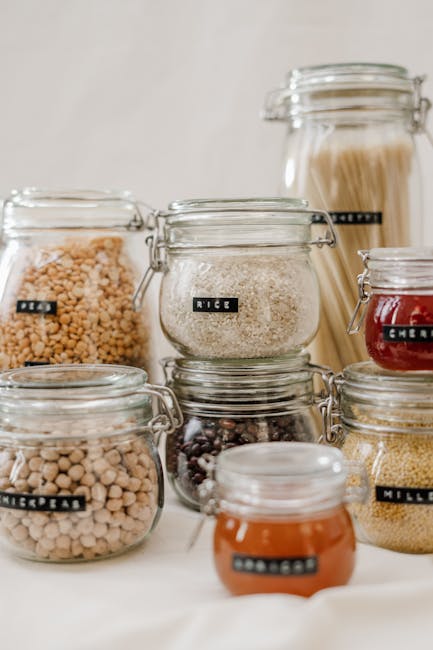
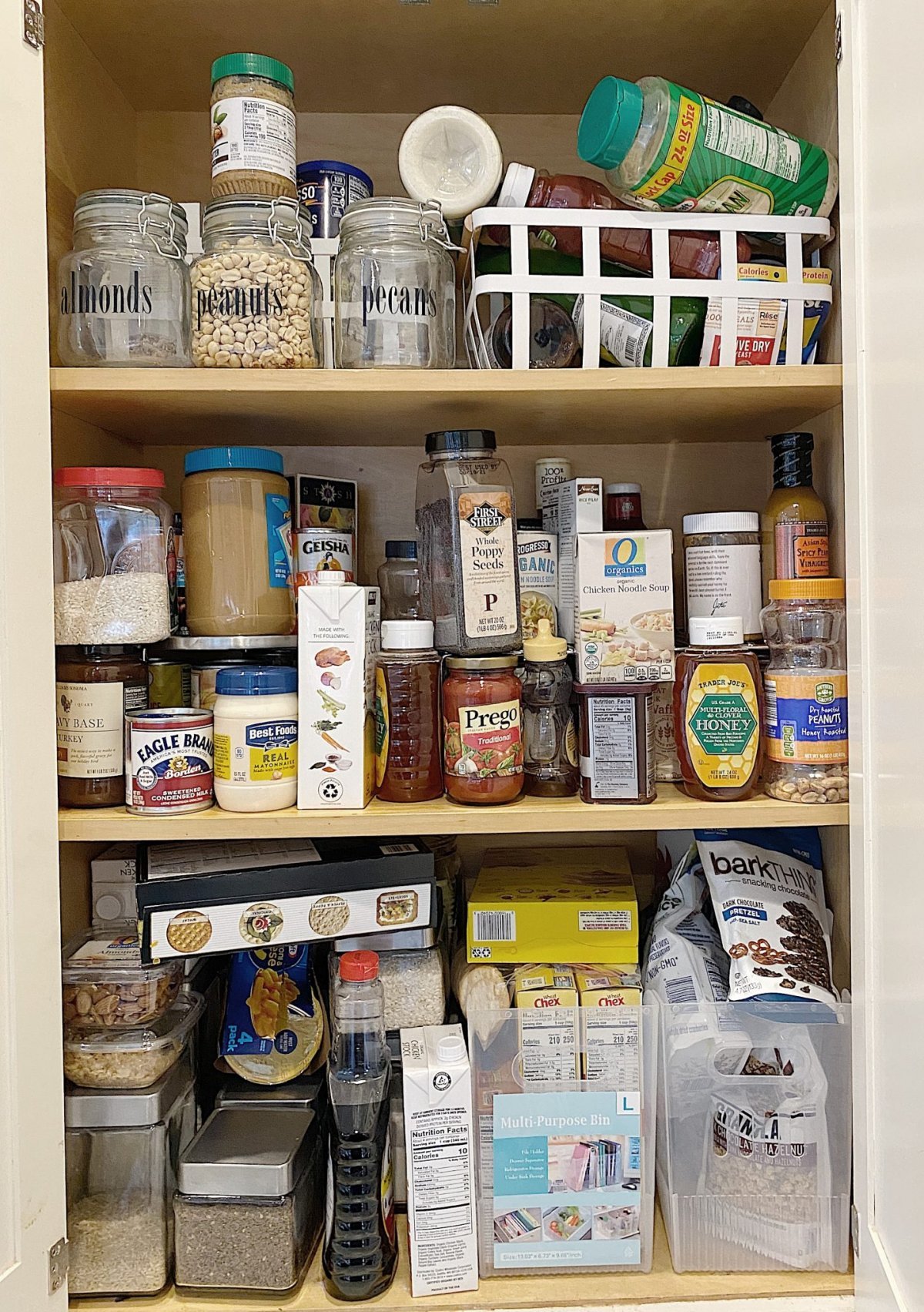
Organizing sauce in the kitchen becomes easy with effective labeling techniques. Use clear labels to identify each sauce quickly. Arrange them by category or frequency of use for convenience.
Organizing sauces in the kitchen can be a delightful task when you embrace the art of labeling. Imagine a kitchen where every sauce is easy to find, thanks to well-placed labels. It may seem like a small detail, but labeling can make a big difference in how efficiently you use your kitchen space. Let's dive into some effective labeling techniques to make your kitchen a model of organization. Importance of Labels Labels help you quickly identify sauces without rummaging through bottles. They save time when you’re cooking and make meal prep less stressful. Plus, neatly labeled bottles give your kitchen a tidy, professional look. Best Labeling Tools A simple label maker can be your best friend. It produces clear, durable labels that stick well to various surfaces. If you're feeling crafty, consider using waterproof stickers or chalk markers for a personalized touch. Have you ever mixed up soy sauce with balsamic vinegar? Such mix-ups can be avoided with proper labeling. You can choose between printed labels, handwritten ones, or even color-coded systems. Pick a style that suits your kitchen's vibe and your personal taste. Consider asking yourself: How much time do you spend searching for sauces? With labels, you can cut that time significantly. For those who want to go beyond basic labeling, try adding the purchase date. This extra detail helps you keep track of freshness, ensuring you use the sauces while they're at their best. Incorporating labeling techniques into your kitchen organization offers practical benefits. It's a small step with a big impact. Why not start today and see how it transforms your cooking experience?
Maximizing Cabinet Space
Maximizing cabinet space is crucial when organizing sauces in your kitchen. With so many bottles, jars, and containers to store, it's easy for your cabinets to become cluttered and chaotic. By implementing smart strategies, you can transform your kitchen into a functional space where every sauce is easy to find and use.
Shelf Organizers
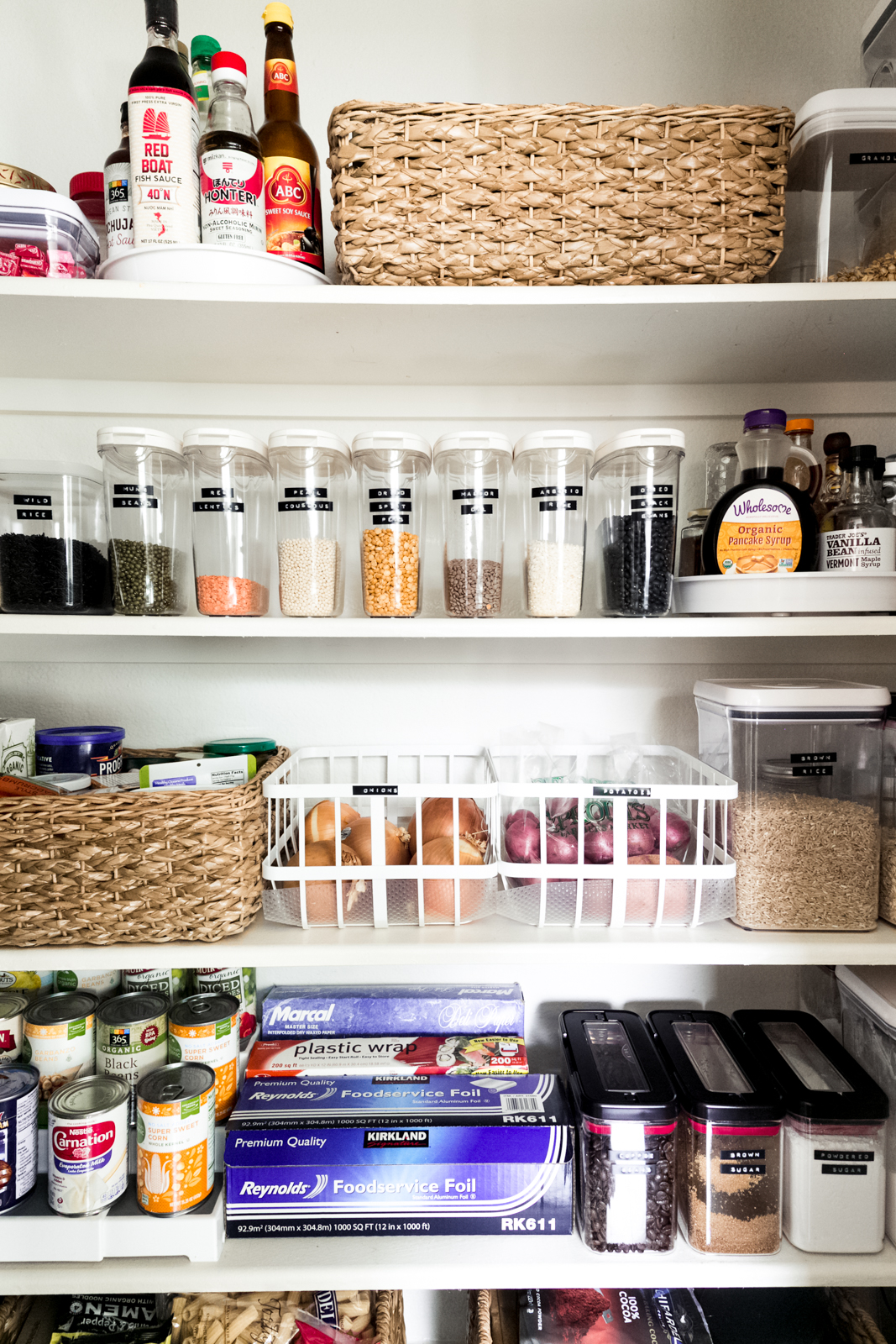
Using shelf organizers can significantly increase your cabinet space. Consider adjustable racks that fit perfectly into your existing shelves. These racks allow you to utilize vertical space efficiently, accommodating tall and short bottles alike.
Lazy Susans are another excellent option. They enable you to access items at the back of the cabinet without having to move everything around. This can be particularly useful for frequently used sauces.
Stacking Strategies
Think about stacking your sauce bottles to make the most of your cabinet space. Arrange them by size, placing larger bottles at the back and smaller ones at the front. This way, you can see all your sauces at a glance.
Grouping similar sauces together can also help. For example, stack all your hot sauces in one area and your salad dressings in another. This not only maximizes space but also makes it easier to grab the right sauce quickly.
Have you ever considered labeling your sauce containers? A small label can save you time and frustration by identifying sauces without having to pull them out. It's a simple step that makes a big difference.
Maximizing cabinet space requires creativity and a little planning. How do you currently organize your sauces? Are there any strategies you find particularly helpful? Sharing your experiences can inspire others to try new methods.
Refrigerator Organization
Organizing sauces in the kitchen can streamline cooking. Store bottles on a designated shelf in the refrigerator door. Group similar flavors together for easy access and a tidy appearance.
Organizing sauce in your refrigerator can be a game-changer for your kitchen efficiency. Imagine reaching for that perfect condiment without having to rummage through countless bottles. A well-organized fridge not only makes cooking more enjoyable but also helps reduce food waste. So, how can you organize your sauces effectively in your refrigerator?
Temperature Zones
Understanding your refrigerator's temperature zones can optimize sauce preservation. The top shelves are usually warmer, perfect for sauces that don’t require very cold temperatures. Think soy sauce or hot sauce. Colder zones are typically towards the back and bottom. Use these areas for sauces that require a bit more chill, like cream-based sauces. This organization can prolong the life of your sauces. Consider using see-through bins to separate different types of sauces. This visual clarity allows you to quickly grab what you need.
Rotating Stock
Rotating your stock is crucial for keeping sauces fresh. Place new bottles behind older ones. This simple practice ensures you use up sauces before they expire. How often do you find a forgotten sauce bottle at the back of the fridge? Avoid this by scheduling regular checks to rotate your stock. Labeling sauces with purchase dates can help you track freshness. You’ll be surprised how much this small step can prevent waste. Organizing your refrigerator might seem like a mundane task, but it’s an essential step for a functional kitchen. What strategies do you use to keep your sauces in check?
Using Door Racks And Drawers
Organize sauce bottles efficiently with door racks and drawers. Utilize vertical space to keep bottles accessible and tidy. This method saves counter space and prevents clutter, making it easy to find the sauce you need while cooking.
Organizing sauces in the kitchen can be a real challenge. Finding the right storage solutions is key. Using door racks and drawers is a practical approach. This method keeps your sauces accessible and tidy. Let's delve into the benefits of each.
Door Rack Benefits
Door racks offer easy access to sauces. They make use of vertical space. This helps in organizing without cluttering countertops. You can see all your sauce bottles at a glance. It saves time when cooking. No need to search through crowded shelves. Door racks are versatile. They fit any kitchen style. Adjustable racks cater to various bottle sizes. Installation is simple, requiring minimal tools. They are perfect for organizing your sauce collection.
Drawer Dividers
Drawer dividers create neat compartments. They prevent sauces from shifting around. This keeps them organized and easy to find. Dividers come in different sizes. You can customize them to fit your needs. Using drawer dividers maximizes space. It makes the most of your kitchen storage. You can sort sauces by type or brand. This helps in quick identification. It also ensures that each bottle has its place. Drawer dividers are easy to install. They require no complex setup. Most are adjustable, offering flexibility. This is ideal for changing needs or growing collections. They make sauce organization simple and efficient.
Creating A Sauce Inventory
Efficiently organizing sauce in the kitchen simplifies meal prep and saves space. Store sauces by type and frequency of use. Clearly labeled containers ensure quick access, enhancing cooking efficiency and maintaining order.
Creating a sauce inventory in your kitchen might sound like an unnecessary task, but it's a game-changer for a well-organized culinary space. Imagine never having to rummage through bottles and jars just to find that perfect sauce for your dish. With a clear inventory, you not only save time but also ensure you’re making the most of what you have. Plus, you’ll avoid the dreaded moment of realizing you’re out of a key ingredient mid-recipe.
Tracking Expiration Dates
Keeping track of expiration dates is crucial for maintaining a healthy kitchen. An expired sauce can ruin a dish and possibly pose health risks. Consider using a simple table or spreadsheet to log each sauce's purchase and expiration date. Place your most frequently used sauces at the front of your pantry or fridge. This ensures they are consumed before their expiration. A simple practice is to use a marker to write the expiration date on the bottle cap or front label for easy visibility. Have you ever had to throw out a sauce that you forgot about? Tracking prevents waste and saves money.
Restocking Tips
Knowing when and how to restock is key to a seamless cooking experience. Keep a list of your must-have sauces and always check this list before grocery shopping. This prevents overbuying and keeps your pantry clutter-free. Create a designated space for each type of sauce in your kitchen. This helps you quickly identify which ones are running low. Use clear storage containers or labeled sections to maintain order. Consider buying in bulk for sauces you use frequently, but always balance this with available storage space. Implement a "one in, one out" rule. Before buying a new sauce, ensure you have space by finishing or discarding an old one. This simple rule can keep your kitchen organized and efficient. What strategies have you found effective in keeping your pantry stocked with your favorite sauces?
Seasonal Sauce Rotation
Keep sauces organized by categorizing them seasonally. Place summer sauces near grilling tools for easy access. Store winter sauces with hearty meal ingredients to streamline cooking.
In a bustling kitchen, organizing your sauces can feel like a never-ending task. One innovative approach is the Seasonal Sauce Rotation. This strategy not only optimizes space but also keeps your culinary endeavors fresh and exciting. Imagine the delight of reaching for a perfectly curated sauce that complements the season's bounty, elevating your meal from ordinary to extraordinary.
Organizing By Season
One effective way to streamline your sauce collection is by sorting them according to the seasons. In the warmer months, lighter sauces like pesto or citrus vinaigrettes can take center stage. As the leaves turn, richer options such as marinara or creamy mushroom sauces might become your go-to. Label each sauce with the season it best complements. This makes it easy to grab the right bottle without second-guessing. You might even consider using a small shelf or a designated part of your pantry for these seasonal favorites.
Special Occasion Sauces
Ever found yourself scrambling to find that one special sauce for a holiday meal? Keeping a select few sauces reserved for special occasions can be a game changer. Think luxurious truffle oil for a New Year’s dinner or a spicy cranberry sauce for Thanksgiving. Store these sauces in a separate section of your pantry or fridge. This ensures they remain untouched until it's time to shine. As you plan your next gathering, you'll know exactly where to find that signature sauce that makes your meal memorable. By organizing your sauces by season and occasion, you not only maximize your storage but also enhance your cooking experience. What sauces will you rotate in your kitchen this season?
Credit: littlespicejar.com
Adopting Minimalist Approach
Adopting a minimalist approach in organizing sauce in your kitchen can be a game-changer. It allows you to reclaim space, simplify cooking, and reduce the clutter that often overwhelms your culinary haven. Embracing minimalism doesn't mean having less flavor; it's about having the right flavors at your fingertips. Are you ready to transform your kitchen into a streamlined and efficient space? Let's dive into some practical tips that will help you achieve just that.
Decluttering Techniques
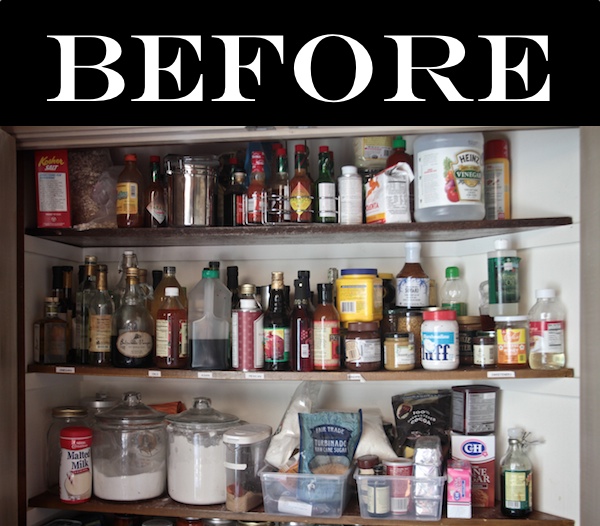
Start by assessing your current sauce collection. Take out every bottle, jar, and packet you have. Spread them across your countertop and really look at what you own. You might be surprised by the expired or duplicate items lurking in your pantry.
Decide which sauces are essential to your cooking habits. If you haven't used a sauce in the past few months, it might be time to let it go. Do you really need three types of soy sauce or that bottle of hot sauce you bought on a whim?
Consider donating or sharing unused sauces with friends and family. Not only will this declutter your space, but it will also bring joy to others who might appreciate a new flavor in their kitchen.
Prioritizing Essentials
Identify the sauces that are your staples. These are the ones you use consistently and add significant value to your meals. Keep these essentials within easy reach in your kitchen.
Organize your sauces based on frequency of use. The ones you use daily should be easily accessible, while those used occasionally can be stored in the back or higher shelves.
Think about adding labels or grouping similar sauces together. This simple step can save you time searching for a specific sauce when you're in the middle of cooking.
By adopting a minimalist approach, you not only create a visually appealing kitchen but also foster a more efficient cooking environment. Have you ever considered how much time you spend searching for the right sauce while cooking? What if you could streamline that process and enjoy a clutter-free space?
Minimalism in the kitchen is more than just aesthetics; it's about functionality and enhancing your culinary experience. Are you ready to embrace this change and discover the joy of a simplified sauce organization?
Credit: www.shutterbean.com
Frequently Asked Questions
How To Store Sauces In The Kitchen?
To store sauces efficiently, use clear containers or labeled jars. Group them by type, such as hot, sweet, or savory. Keep frequently used sauces in easy-to-reach spots. Avoid placing sauces near heat sources to maintain their quality.
What Is The Best Way To Organize Sauces?
The best way to organize sauces is by categorizing them. Sort by type or cuisine, and use shelves or racks. Ensure labels are visible for easy identification. This method makes cooking more efficient and enjoyable.
How Do I Maximize Space For Sauces?
Maximize space by using tiered racks or lazy susans. These tools help utilize vertical space and keep sauces accessible. Consider door-mounted organizers for additional storage options. Keeping sauces tidy saves time and reduces clutter.
Why Is It Important To Organize Sauces?
Organizing sauces prevents waste and improves kitchen efficiency. It ensures easy access and maintains sauce quality by avoiding heat exposure. A well-organized kitchen aids in faster meal preparation and enhances the cooking experience.
Conclusion
Organizing sauce in your kitchen enhances efficiency. A tidy space saves time. You find ingredients easily. Cooking becomes more enjoyable. Try different storage solutions. Use clear containers. Label them well. Place frequently used sauces in easy reach. Less clutter means less stress.
A neat kitchen boosts creativity. Enjoy experimenting with flavors. Keep sauces fresh and accessible. Tidy up regularly. Maintain your system. Organize based on your needs. Stay flexible. Adjust as your collection grows. Invite family to help organize. Make it fun.
Create a space that works for everyone. Happy cooking!