
Are you tired of opening your refrigerator only to be greeted by a chaotic jumble of meat packages? Does the thought of organizing it seem overwhelming?
You're not alone. Many people struggle with keeping their refrigeration meat section tidy and efficient. But don't worry, you're about to discover simple strategies that will transform your kitchen into a well-organized haven. Imagine effortlessly finding what you need, reducing food waste, and ensuring every meal you prepare is fresh and delicious.
By the end of this article, you'll have the tools you need to master the art of kitchen organization, specifically tailored for your refrigeration meat. Let's dive into the tips and tricks that will make your cooking experience smoother and more enjoyable.
Kitchen Layout Essentials
Efficient kitchen layout involves smart organization of refrigeration meat. Keep meats on lower shelves to prevent contamination. Use clear containers for easy identification and access.
When organizing a kitchen, especially one focused on refrigeration and meat storage, the layout is crucial. It can enhance efficiency, save time, and even reduce waste. Planning how you use your space and where you place appliances can transform your kitchen into a well-oiled machine. A smart layout not only makes cooking enjoyable but can also inspire healthier eating habits. Have you ever wondered how a simple change in your kitchen layout could elevate your culinary skills?
Efficient Use Of Space
Making the most of your kitchen space is about more than just cramming everything into cupboards. It's about creating a flow that makes cooking a breeze. Think of the triangle between your refrigerator, stove, and sink. This setup minimizes unnecessary steps and keeps everything within easy reach. Consider vertical storage to utilize wall space. Hanging pots and pans or using stackable containers can free up valuable counter space.
Strategic Appliance Placement
Where you place your appliances can drastically affect your kitchen's functionality. The refrigerator should be easily accessible, preferably near the food prep area, so you don’t have to cross the room every time you need an ingredient. The stove is best placed away from doorways to prevent accidents. Remember, the meat storage section in your fridge should be easily reachable but not in the door where temperatures fluctuate. Have you ever noticed how a misplaced appliance can disrupt your cooking flow? Organizing your kitchen is a personal journey. Each decision, from the placement of your refrigerator to the use of vertical space, is an opportunity to improve your cooking experience. Embrace the challenge and reap the rewards of a more efficient kitchen.
Refrigeration Basics
Refrigeration plays a crucial role in preserving meat's freshness. It slows down spoilage and bacteria growth. This is essential for maintaining food safety and taste. Understanding refrigeration basics can make your kitchen more efficient. Let's dive into the key aspects of refrigeration.
Types Of Refrigerators
Different refrigerators offer unique features. Side-by-side models provide easy access to meat and other items. Top-freezer designs are cost-effective and save space. Bottom-freezer units keep the refrigerator section at eye level. French door refrigerators combine style with functionality. Choose a model that fits your kitchen needs and budget.
Optimal Temperature Settings
Proper temperature settings are vital for meat preservation. Meat should be stored at 32 to 40 degrees Fahrenheit. This range keeps meat fresh and prevents bacterial growth. Use a thermometer to monitor your fridge's temperature. Adjust settings if needed to maintain the right conditions. Consistent temperature ensures meat stays safe and delicious.
Meat Storage Techniques
Organizing the kitchen for meat storage involves clear labeling and proper wrapping to prevent contamination. Arrange meat by type, using dedicated sections for poultry, beef, and pork. Regularly check expiration dates and maintain optimal temperatures to ensure freshness and safety.
Keeping your kitchen organized, especially when dealing with refrigeration meat, can seem daunting. Yet, the right storage techniques can make all the difference. Imagine opening your refrigerator and instantly spotting the meat you need without rummaging through countless packages. Efficient storage not only saves time but also keeps your meat fresh and safe to eat. Let's dive into some practical techniques that can transform the way you store meat in your kitchen.
Proper Packaging Methods
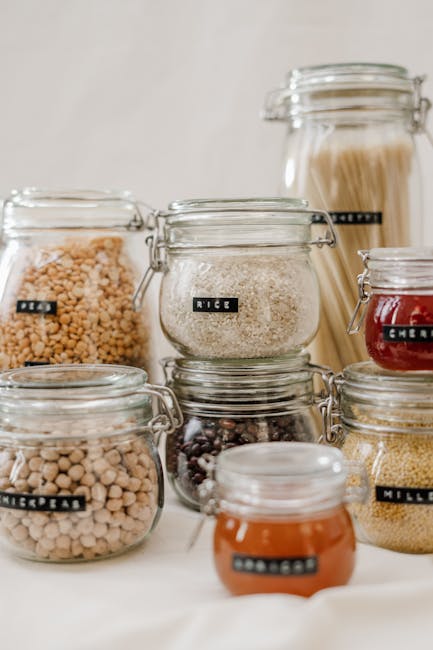
Proper packaging is your first line of defense against spoilage. Using airtight containers or vacuum-sealed bags can help keep your meat fresh longer. These containers prevent air exposure, which is a major cause of freezer burn and bacterial growth. Consider using ziplock bags for smaller cuts. They are convenient and take up less space. If you have larger portions, investing in vacuum-sealing equipment might be worth it.
Labeling And Dating Practices
Labeling meat is like adding a navigation system to your refrigerator. It helps you know what's inside and when it was stored. Use waterproof markers or labels to note the type of meat and the date you stored it. Have you ever thrown away meat because you couldn't remember when you bought it? Adding dates ensures you use meat before it spoils. This practice saves money and reduces waste. A quick tip: Create a chart with expiration dates for different types of meat. This can help you plan meals and avoid last-minute grocery runs. Why not take a few minutes today to label and date your meat packages? You'll thank yourself the next time you need to cook a quick dinner.
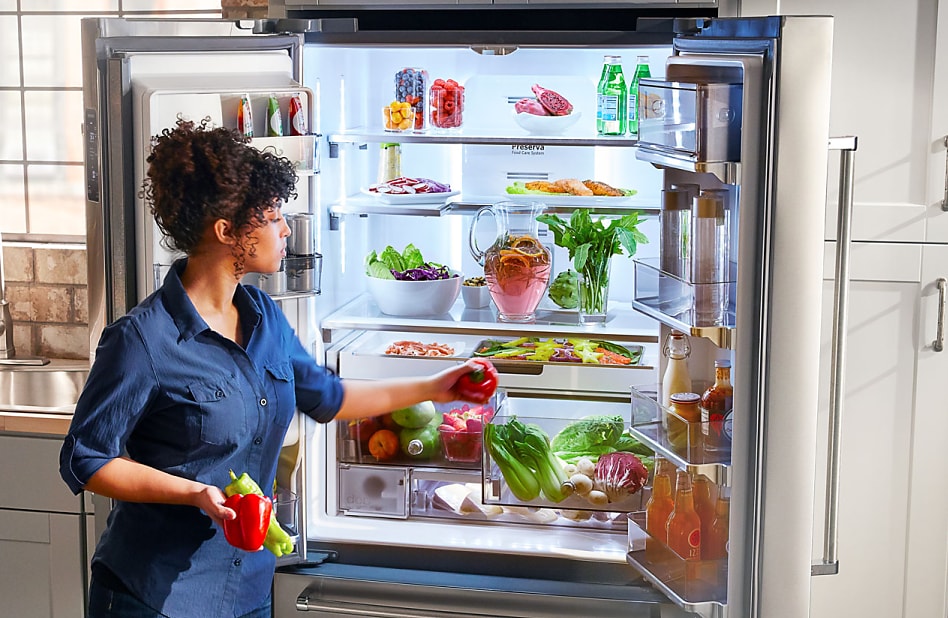
Credit: www.kitchenaid.com
Organizing Meat By Type
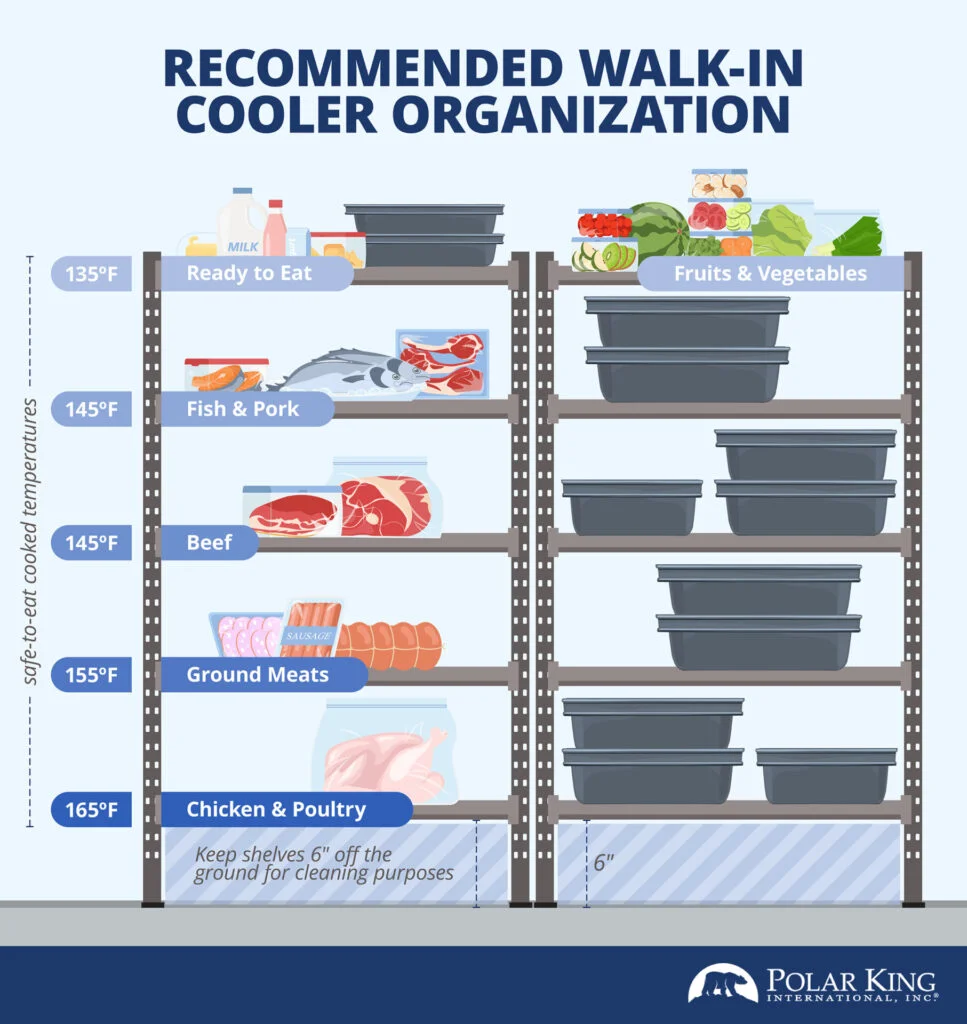
Arranging meats in the fridge by type ensures easy access and freshness. Separate chicken, beef, and pork on different shelves. Group similar items together to prevent cross-contamination and maintain quality.
Organizing Meat by Type When it comes to maintaining a well-organized kitchen, sorting your refrigerated meat by type is a game-changer. It not only streamlines your cooking process but also helps in keeping your ingredients fresh and easily accessible. Have you ever found yourself rummaging through a messy fridge, trying to find that elusive pack of chicken? Let's tackle that chaos by categorizing your meat into distinct types.
Poultry And Game
Start by allocating a specific section for poultry and game. These meats have distinct cooking times and flavors, so keeping them together makes planning meals easier. Consider using clear, airtight containers to store chicken breasts, thighs, or turkey slices. Label each container with the date of purchase to ensure freshness. This simple step can prevent the dreaded "mystery meat" situation in your fridge. Additionally, you might want to dedicate a separate space for game meats like duck or quail. This way, they're not mixed with more commonly used poultry, making them easy to locate for those special recipes.
Beef And Lamb
Next, create a dedicated space for beef and lamb cuts. Think about how often you cook steaks or roasts and arrange them accordingly. Try using a shallow drawer or a specific shelf to keep these meats together. This not only organizes your fridge but also maintains the integrity of the flavors by preventing cross-contamination. Don't forget to rotate your stock regularly. Place newer purchases at the back and older ones at the front. This ensures you're using up what you already have before it spoils.
Pork And Sausages
Finally, designate an area for pork and sausages. Whether it's chops, bacon, or a variety of sausages, having them in one spot saves time and hassle. Consider using stackable bins to maximize space and keep different types of sausages separate. Imagine being able to grab a quick breakfast sausage without sifting through a pile of pork chops. Taking a few minutes to organize these meats can transform your cooking experience. Your fridge will feel less cluttered, and you'll be more inspired to cook with what's on hand. How do you currently organize your meat, and what changes will you make today?
Safety And Hygiene Practices
Organizing the refrigeration area for meat ensures safety and hygiene. Store raw meat separately to prevent contamination. Label and date packages for freshness checks.
Organizing your kitchen, especially the refrigeration of meat, is crucial not just for efficiency, but also for maintaining safety and hygiene. Keeping raw and cooked meat stored properly can prevent health risks and ensure meals are both tasty and safe. Let's explore some essential practices to maintain a clean and organized kitchen.
Preventing Cross-contamination
Cross-contamination is a major concern in any kitchen. It's when harmful bacteria spread from one food item to another. Always store raw meat on the lowest shelf of your fridge. This prevents any juices from dripping onto other foods. Use separate cutting boards for raw meat and other food items. This simple practice can significantly reduce the risk of spreading bacteria. Regularly clean your utensils and surfaces with hot, soapy water to maintain a hygienic kitchen space.
Safe Thawing Methods
Thawing meat safely is just as important as cooking it thoroughly. Never leave meat on the counter to thaw. Instead, plan ahead and thaw meat in the refrigerator. This method is slower but keeps meat at a safe temperature. If you're in a hurry, use the microwave's defrost setting. Just be ready to cook the meat immediately after. Another quick option is to submerge the meat in cold water, changing the water every 30 minutes to keep it cold. How do you ensure your kitchen practices are safe? Do you have any tips that have worked wonders for you? Keeping your kitchen clean and your food safe can be a rewarding endeavor, both for your peace of mind and your health.
Credit: polarking.com
Maximizing Shelf Life
Efficiently organize your fridge to keep meat fresh longer. Store raw meat on the bottom shelf. Maintain cleanliness to avoid bacteria.
Organizing your kitchen, especially the refrigeration section for meat, is crucial for maximizing shelf life. Proper organization not only helps you reduce food waste but also ensures your meals are fresh and delicious. By implementing smart storage techniques, you can keep your meat fresher, longer.
Vacuum Sealing Benefits
Vacuum sealing is a game changer for preserving meat. It removes air from packaging, which significantly slows down spoilage. Without air, harmful bacteria have fewer opportunities to grow. Imagine preparing a family-sized steak dinner only to find the meat has spoiled. Vacuum sealing can prevent this disappointment. It locks in freshness and flavor, allowing you to plan meals without worry. Investing in a vacuum sealer might seem daunting, but think of the savings. You’ll waste less food and make fewer trips to the grocery store. It's an upfront cost that pays off with peace of mind and extended shelf life for your meats.
Marination And Preservation
Marinating meat not only enhances flavor but also acts as a preservation method. Acidic ingredients like lemon juice or vinegar slow bacterial growth, giving you more time to enjoy your meat. Consider marinating chicken for the week’s meals. A simple blend of olive oil, garlic, and herbs can be enough. This approach not only keeps your chicken fresh but also means your meals are half-prepped. Keep your marinades balanced. Too much acid can start cooking the meat, which isn’t ideal for extended storage. A good rule is to marinate for no more than 48 hours, ensuring flavor without compromising texture. Are you maximizing your fridge space effectively? Using these methods can save you time, money, and trips to the store. How do you currently manage your meat storage? Are there techniques you could improve for better shelf life?
Smart Inventory Management
Organizing the kitchen for refrigerated meat involves labeling and arranging items by expiration date. Keep older products at the front for easy access. Ensure proper spacing for airflow to maintain freshness and reduce waste.
Keeping your kitchen’s refrigeration meat section organized can be a game-changer for both efficiency and freshness. Smart Inventory Management is essential in ensuring you not only minimize food waste but also always have the ingredients you need on hand. Imagine opening your fridge and knowing exactly what’s inside and when it needs to be used. It’s not just a dream—it's entirely possible with the right strategies.
Tracking And Rotation Systems
One of the simplest yet most effective ways to manage your meat inventory is through tracking and rotation systems. Label your packages with the purchase or freeze date. This way, you can always ensure you're using the oldest items first. Consider implementing a "first in, first out" system. Place newer items at the back and older items at the front. This method can save you from unpleasant surprises, like discovering expired meat buried in the depths of your freezer. Develop a habit of doing a quick inventory check each week. This small task can prevent wastage and even save you money. Plus, it ensures you're never caught off guard without a crucial ingredient for your next meal.
Utilizing Technology For Inventory
Technology can be a powerful ally in managing your kitchen inventory. Apps designed for inventory management can help you keep track of what you have and what you need to buy. Some even offer reminders for expiration dates, so nothing goes to waste. Imagine your phone alerting you when a particular meat is nearing its expiration date. This can help you plan meals more effectively and avoid last-minute rushes to the grocery store. Digital solutions can also streamline your shopping lists. Sync your inventory app with your shopping list, and you'll always know what to pick up on your next trip. It’s like having a personal assistant dedicated to your kitchen needs. Embrace these smart inventory strategies and transform how you manage your kitchen. What will you try first?
Expert Tips For Efficiency
Organizing meat in the fridge ensures freshness and safety. Store raw meat on the bottom shelf to prevent drips. Label and date packages for easy tracking.
Organizing the kitchen, especially when it comes to refrigeration meat, is crucial for efficiency and ease. You want your kitchen to be a space where you can quickly find what you need, reduce waste, and save time. It's about making your daily cooking routine smoother and more enjoyable. Here are some expert tips to help you achieve just that.
Time-saving Hacks
Efficiency is key in the kitchen. Have you ever found yourself rummaging through the fridge, trying to find that elusive pack of chicken? A simple hack is to label your containers. Use clear plastic bins with labels like "Chicken," "Beef," or "Pork." This way, you know exactly where each type of meat is stored. Another time-saver is organizing your fridge based on cooking frequency. Place frequently used meats at the front. Less common cuts can go towards the back. This setup minimizes the time spent on searching and maximizes your cooking flow. Do you often forget about the meat you bought last week? Use a dry-erase board on your fridge door. Jot down expiration dates and meal plans for the week. This visual reminder can save you from last-minute grocery runs.
Reducing Waste
Waste reduction is not just good for your wallet; it's vital for the environment. Have you ever thrown out a forgotten pack of meat? A great strategy is to create a meal plan before grocery shopping. This helps you purchase only what's needed, reducing excess and spoilage. Consider vacuum sealing meat portions. It extends the shelf life and keeps flavors intact. You can then freeze them, ensuring you have fresh meat available without the risk of waste. How about leftovers? Don't toss them! Transform them into new dishes. A leftover roast can become a hearty stew or a delicious stir-fry. Use creativity and make the most of what you have. It's a smart way to reduce waste and enjoy varied meals. Organizing your kitchen efficiently is a game changer. It's about creating a seamless cooking experience and making the most of your resources. With these tips, you can turn your kitchen into a well-oiled machine. Are you ready to take control of your kitchen space?

Credit: www.kitchenaid.com
Frequently Asked Questions
How To Store Meat In The Refrigerator?
To store meat in the refrigerator, keep it in the coldest section. Use airtight containers or zip-lock bags. Store raw meat on the lower shelf to prevent drips contaminating other foods. Follow the "first in, first out" rule to use older items first.
How Long Can Refrigerated Meat Last?
Refrigerated meat can last 1-4 days, depending on the type. Ground meats and poultry last 1-2 days. Beef, pork, lamb, and veal can last 3-5 days. Always check for signs of spoilage like odor and color changes.
What Temperature Should My Fridge Be For Meat?
Keep your refrigerator at 34-40°F (1-4°C) for optimal meat storage. This temperature range inhibits bacterial growth. Use a thermometer to ensure accuracy. Consistent temperatures help maintain meat freshness and safety.
Can I Freeze Meat Directly From The Fridge?
Yes, you can freeze meat directly from the fridge. Ensure it's in airtight packaging to prevent freezer burn. Label packages with the date to monitor storage time. Properly frozen meat can last several months.
Conclusion
Organizing your kitchen meat section makes life easier. Label containers clearly. Use airtight storage to keep meat fresh. Arrange meats by type and date. This helps avoid waste. Clean regularly to maintain hygiene. Proper organization saves time and stress. You find items quickly.
Less clutter means more space. Keep track of your meat inventory. Plan meals effectively. Enjoy cooking with ease and confidence. A tidy meat section contributes to a well-organized kitchen. Stay organized, stay efficient, and enjoy your kitchen routine. Simple steps make a big difference in daily life.