Imagine walking into your child's playroom and seeing a perfectly organized toy kitchen. The pots are neatly stacked, the toy food is categorized, and every utensil has its place.
Sounds like a dream, right? It doesn't have to be. Organizing a toy kitchen can be simple and incredibly satisfying. When everything is in order, playtime becomes more enjoyable, and cleanup becomes a breeze. In this guide, you'll discover practical tips and clever tricks to transform the chaos into a charming setup that encourages creativity and fun.
Get ready to turn your child's toy kitchen into a delightful space where imagination can truly flourish.
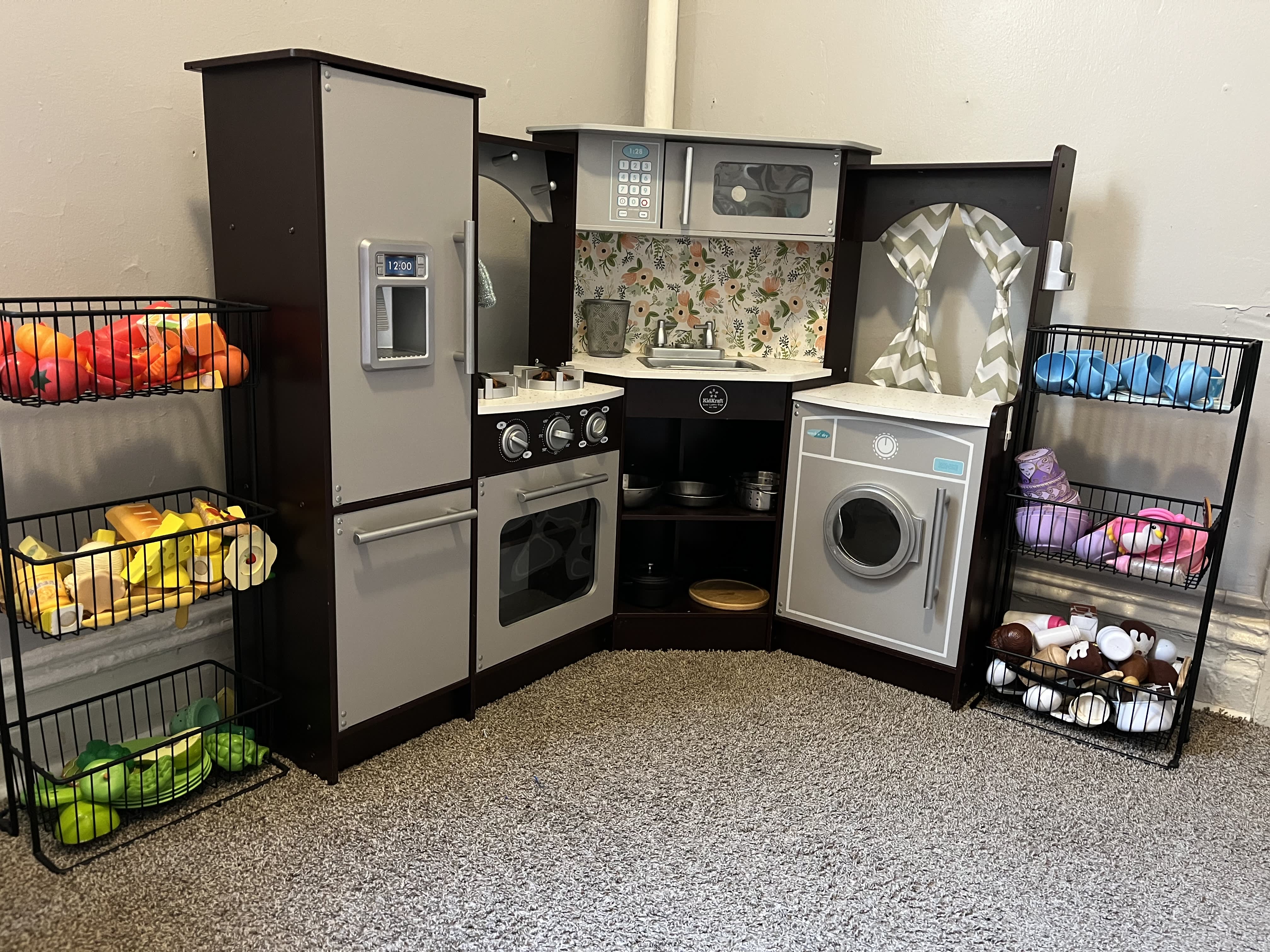
Credit: www.cubbyathome.com
Decluttering The Toy Kitchen
Decluttering the toy kitchen can transform playtime. Kids find it easier to engage with a tidy space. Parents appreciate the organized look. A well-organized toy kitchen allows for more creative play. It also reduces the stress of searching for lost items. Begin this process by sorting and evaluating each piece carefully.
Sorting Toys
Start by gathering all the toys from the kitchen set. Spread them out so you can see everything clearly. Group similar items together. Place all the pots and pans in one pile. Gather all the pretend food in another. This helps identify what is essential for play. It also highlights duplicates or broken toys.
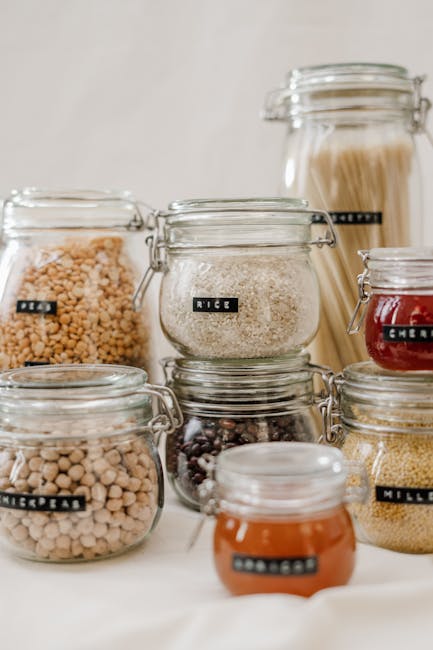
Label containers to keep similar items together. This makes cleanup easier for kids. Clear labels can be fun and educational. Use images for younger children who can't read yet. Sorting toys into categories simplifies the organizing process.
Donating Or Disposing
Once sorted, decide which toys to keep. Consider the toys your child plays with most often. Remove items they have outgrown. Think about donating gently used toys. Local charities or daycare centers welcome donations. This gives old toys a new life.
Dispose of broken or damaged toys responsibly. Recycling centers often take plastic items. Check their guidelines before discarding. Removing unused toys creates space for more meaningful play. It also teaches children about the importance of sharing.
Maximizing Storage Space
Organizing a toy kitchen can save space and make playtime more fun. Use small bins for utensils and food items. Label shelves for easy access and encourage kids to put things back.
Maximizing storage space in a toy kitchen can transform chaos into order. This is not just about tidying up; it's about creating a playful and efficient environment. When toys are neatly organized, your child can enjoy their playtime without distractions. Plus, it makes cleanup time a breeze!
Using Bins And Baskets
Bins and baskets are your best friends when organizing a toy kitchen. They help you categorize everything, from pretend food to tiny pots and pans. Choose bins that are easy for your child to handle. Transparent ones allow your child to see what's inside, making it easy for them to grab their favorite items. Label each bin or basket, so your child knows exactly where to find things—and where to put them back! Consider using baskets of different sizes. Smaller baskets can hold utensils and play food, while larger ones can store pots and pans. This way, every item has its own home.
Wall-mounted Solutions
Wall-mounted solutions are a game-changer in maximizing storage space. They free up floor space and add an organized look to the toy kitchen. Install hooks for hanging aprons and oven mitts. Pegboards can hold kitchen tools and accessories, making them easily accessible and neatly displayed. Shelves are perfect for storing recipe cards, small cookbooks, or even displaying miniature kitchen gadgets. Magnetic strips can hold metal items like toy knives and spoons. This keeps them visible and within reach, adding both functionality and style to your child’s kitchen. Think about how you can use vertical space creatively. How would having more floor space change the play dynamics in your child’s kitchen? By using bins, baskets, and wall-mounted solutions, you'll not only maximize storage space but also inspire your child to play creatively and responsibly.
Categorizing Kitchen Items
Organizing a toy kitchen involves sorting every tiny item. Proper categorization helps children find their toys quickly. It also teaches them about real kitchen setups. This makes playtime more fun and less chaotic. Focus on grouping and labeling to create an orderly space.
Grouping By Type
Start by grouping kitchen items by type. Put all toy fruits in one section. Gather vegetables in another area. Separate pots and pans from utensils. This approach simplifies access during play. It also mimics real-world kitchen organization. Children learn which items belong together.
Consider grouping by color as well. This adds a visual element to the organization. Young children often respond well to colors. It keeps their toy kitchen visually appealing. Plus, it makes cleanup easier.
Labeling Sections
Once items are grouped, label each section. Use simple words or images for clarity. Labels help kids identify where items go. They also reinforce word recognition. This is ideal for early learners.
Place labels at eye level for children. This ensures they see them easily. Encourage kids to respect the labels. It instills a sense of responsibility. A well-labeled kitchen is easy to maintain.
Consider using removable labels. This lets you adapt as your child grows. Change labels as their interests evolve. It keeps the toy kitchen dynamic and engaging.
Incorporating Play Zones
Create a tidy toy kitchen by sorting items into labeled bins and baskets. Keep similar play items together for easy access. Arrange utensils, pans, and play food in separate sections to encourage organized play.
Incorporating play zones in a toy kitchen can transform it into an engaging and educational playground. By dividing the space into distinct areas, you encourage children to explore various activities and develop different skills. These zones not only enhance creativity but also help in organizing toys efficiently.
Cooking Area
The cooking area is where the magic happens. It's the heart of the toy kitchen, filled with tiny pots, pans, and utensils. Keep this area stocked with essential items like plastic fruits, vegetables, and pretend spices. Arrange them neatly on shelves or hooks for easy access. This setup encourages children to mimic real-life cooking, fostering creativity and fine motor skills. Consider adding a small apron and chef hat to make your child feel like a true chef. This little touch can boost their confidence and make playtime more immersive.
Dining Space
Creating a dining space adds realism to the toy kitchen experience. Use a small table and chair set to designate this area. Place a miniature tablecloth and some toy plates and cutlery to set the scene. This encourages role-playing as kids serve their culinary creations to family members or dolls. Think about introducing a chalkboard or magnetic board nearby for writing down "menu" items. This addition can spark imagination and teach basic writing skills. Have you ever watched your child beam with pride as they serve a "meal" they've prepared? It's a delightful moment that shows how these play zones enhance their learning experience. Consider how these simple tweaks can make the toy kitchen more organized and fun.
Maintaining Organization
Tidy up a toy kitchen by sorting items into categories like utensils, food, and cookware. Use bins and labels to keep everything in place. Regularly rotate toys to keep the play area fresh and engaging.
Maintaining organization in your child's toy kitchen can seem like a never-ending task. However, establishing a routine can make this task more manageable and even enjoyable. A well-organized toy kitchen not only enhances playtime but also teaches your child valuable skills in maintaining cleanliness and order.
Regular Clean-ups
Consistent clean-ups are crucial for keeping the toy kitchen tidy. Allocate a specific time each day or week for this activity. Perhaps after dinner or before bedtime, when winding down is already part of the routine. Simple tasks such as wiping down surfaces or sorting play food back into baskets can make a big difference. Imagine how much easier your life would be if you didn’t have to face a cluttered toy kitchen each time your child plays. Keeping cleaning supplies like wipes handy can speed up the process.
Involving Kids In Tidying
Engaging your child in the tidying process not only helps maintain organization but also instills responsibility. Encourage them to put items back in their designated spots after playtime. This can be done through playful methods like singing a clean-up song or turning it into a game. For instance, challenge them to see who can sort items the fastest, or let them be the chef in charge of "closing the kitchen." Do you notice how much pride they take in their space when they have a role in maintaining it? You’re teaching them that keeping their area clean is just as fun as the play itself. Making these practices part of your routine can transform the chaos into calm, encouraging your child to appreciate the value of an organized space. What small steps can you take today to make toy kitchen clean-up a natural, enjoyable part of your daily life?
Safety Considerations
Organizing a toy kitchen involves attention to safety. Ensure sharp objects like toy knives are kept out of reach. Regularly check for broken pieces that could pose choking hazards. Secure the kitchen setup to prevent tipping, ensuring a stable play environment for children.
When organizing a toy kitchen, ensuring the safety of your little ones should be your top priority. A well-organized play space not only enhances their playtime experience but also keeps them safe. You want to create an environment where fun and safety go hand in hand. Let's dive into some crucial safety considerations that will help you maintain a secure and enjoyable play area for your children.
Child-safe Materials
Choose materials that are safe for children. Avoid sharp edges and small parts that could pose a choking hazard. Opt for non-toxic paints and finishes, especially if your child is prone to putting things in their mouth. Check for sturdy construction. A solid build ensures that the kitchen set won't easily tip over, minimizing the risk of injuries. Have you ever thought about the difference a well-constructed toy can make in play safety?
Secure Heavy Items
Heavy items can be a tipping risk. Secure them to the wall or floor to prevent accidents. This is especially important for larger kitchen sets that might be top-heavy. Use brackets or straps to anchor these items. It might seem like an unnecessary step, but it can make a huge difference. How confident are you that your child's play space is safe from accidental falls? Think about the layout. Placing heavier toys at the bottom and lighter ones on top can also help in maintaining balance. Your child's safety is worth the extra effort, don't you agree? By focusing on these safety considerations, you ensure that your child's play kitchen is both fun and safe. It's all about making small adjustments that have a big impact on your child's safety and your peace of mind.
Creative Display Ideas
Organizing a toy kitchen can be fun and easy. Use baskets to separate utensils and food items neatly. Label shelves for quick access to pots and pans, creating an inviting play area.
Organizing a toy kitchen can be a delightful challenge, especially when you're looking to keep it both functional and visually appealing. Creative display ideas can transform a cluttered play area into a charming mini-café or a bustling home kitchen. By focusing on how items are displayed, you not only make the space more inviting but also encourage more imaginative play.
Using Color Coding
Color coding is a fantastic way to bring order to chaos. Imagine opening the doors of your toy kitchen to find everything organized by color—it's like a rainbow of creativity! This method helps children quickly find what they need and makes cleaning up a breeze. Consider using baskets or bins in different colors to store similar items. Red for all the play food, blue for utensils, and green for small appliances. This visual distinction encourages kids to sort and store items independently, cultivating responsibility and organization skills. Have you ever noticed how much more attractive things look when they're grouped by color? It’s not just pleasing to the eye; it creates a sense of harmony. Try it, and see if your little chef doesn't take more pride in their play kitchen.
Showcasing Favorite Items
Highlighting favorite items can make the toy kitchen feel more personal and special. Display your child's most loved toys where they can easily see and reach them. An open shelf or a small wall-mounted rack can work wonders for showcasing these prized possessions. Think about the joy on your child's face when they see their beloved toy mixer or pretend pizza oven proudly on display. This can spark their creativity and encourage them to play more often. Do you have a budding baker or a future chef? Make their favorite cooking toys a centerpiece. This not only showcases their interests but also builds their confidence in their culinary adventures.

Credit: thetravelingred.com

Credit: www.youtube.com
Frequently Asked Questions
How To Start Organizing A Toy Kitchen?
Begin by sorting items into categories like utensils, food, and appliances. Use bins or baskets for easy access. Labeling each container helps maintain order. Consider donating unused toys to free up space. Regularly review and adjust the organization for efficiency.
What Storage Solutions Work Best For Toy Kitchens?
Use shelving units, bins, and baskets to maximize space. Clear containers make items visible and accessible. Hooks can hold aprons and utensils. Consider investing in stackable storage for flexibility. Choose solutions that fit the room's layout and your child's needs.
How Can I Involve Kids In Organizing?
Encourage kids to sort toys by type or color. Use fun labels for categories they can understand. Turn organizing into a game by timing activities. Praise their efforts to keep them motivated. Involving kids teaches responsibility and helps them maintain order.
How Often Should I Reorganize A Toy Kitchen?
Reorganize every few months or when clutter builds up. Regularly assess toys for damage or disinterest. Seasonal rotations keep the kitchen fresh and engaging. Adjust organization as your child grows and their interests change. Consistent updates maintain a clutter-free space.
Conclusion
Organizing a toy kitchen can bring joy to playtime. Start by sorting items. Group similar toys together. Use containers or baskets for storage. Label them for easy access. Keep frequently used items in reach. Rotate toys to keep the kitchen fresh.
Encourage kids to clean up after play. Make organizing a fun activity. A tidy toy kitchen inspires creativity. It helps children learn responsibility. Parents find less mess and stress. With these tips, your toy kitchen stays neat. Everyone enjoys more playtime.
Organize today and see the difference. Simple steps lead to big smiles.