Are you tired of rummaging through overflowing trash cans every time you need to throw something away? Organizing your kitchen trash cans might just be the solution you need.
Imagine a kitchen where waste management is effortless and efficient, making your daily routine smoother and more enjoyable. By optimizing your trash can setup, you can not only enhance the functionality of your kitchen but also create a cleaner, more inviting space.
In this guide, you'll discover practical tips and tricks to streamline your trash organization, reduce clutter, and improve your overall kitchen experience. Dive in to transform your kitchen chaos into a haven of order and cleanliness.
Choosing The Right Trash Can
Organizing kitchen trash cans can enhance your cooking space. Choosing the right trash can makes a big difference. It impacts functionality and aesthetics. Selecting the perfect trash can involves several factors. Consider size, material, and design.
Size And Capacity
Trash cans come in various sizes. A larger family needs a bigger can. Smaller cans fit in tight spaces. Think about your trash output. Larger cans hold more waste. This reduces frequent emptying. Measure your space before purchasing. Ensure your trash can fits comfortably.
Material And Durability
Materials affect durability and ease of cleaning. Stainless steel is strong and easy to clean. Plastic is lightweight and affordable. Metal cans are sturdy but may rust. Choose a material that suits your lifestyle. Consider ease of maintenance and durability.
Design And Aesthetics
Design influences your kitchen's look. Sleek designs add a modern touch. Some cans have pedal openings for convenience. Others have touch-free sensors. Color can match your kitchen decor. Choose a style that complements your space. A well-designed trash can enhances your kitchen's appeal.
Optimal Placement
Organizing kitchen trash cans can make your space more efficient. Place them near food prep areas for easy access. Ensure they are convenient yet discreet, fitting seamlessly into your kitchen layout.
Organizing your kitchen trash cans with optimal placement can transform your cooking and cleaning routine. By strategically positioning your bins, you can make your kitchen more efficient and clutter-free. Let's dive into the ideal ways to position your trash cans for maximum functionality and convenience.
Accessibility And Convenience
Think about where you usually generate the most waste in your kitchen. Near the sink, where you peel vegetables? Or by the island, where you prep meals? Positioning your trash cans near these areas can save you valuable steps and time. Make sure your trash can is easy to reach. If you have to bend awkwardly or move things out of the way, it might be time to reconsider its location. A conveniently placed trash can encourages everyone in the household to use it more consistently.
Space-saving Ideas
In smaller kitchens, floor space is precious. Consider using a pull-out drawer system under the sink or a compact, slim-profile trash can that fits snugly against a wall. These options can help you keep your kitchen tidy without sacrificing valuable space. If you're short on cabinet space, wall-mounted trash cans can be a practical solution. They keep the floor clear and can be placed at a comfortable height for easy access. You might be surprised by how rearranging your trash cans can also lead to a more organized kitchen layout. Have you considered placing a recycling bin alongside your trash to streamline sorting waste? This small adjustment can make a big difference in maintaining a clean and eco-friendly kitchen environment. By taking the time to thoughtfully place your kitchen trash cans, you can enhance both the functionality and aesthetics of your space. Where will you position yours for the best impact?
Segregation For Recycling
Organizing your kitchen trash cans with an eye towards segregation for recycling can make a big difference in how effectively you manage waste. It's not just about throwing things away; it's about knowing what goes where. Imagine the satisfaction of reducing your environmental footprint right from your kitchen. With a few simple steps, you can ensure that recyclable materials find their way to the right place, and non-recyclables don't end up contaminating them. Let's dive into the practical ways to make your kitchen trash segregation a breeze.
Types Of Waste
Understanding the types of waste you deal with daily is key to effective segregation. You have recyclables like paper, plastic, metal, and glass. Then there are compostables like fruit peels and coffee grounds. Finally, there are non-recyclables like certain packaging materials and dirty napkins. By identifying these categories, you can set up a system that ensures each type of waste finds its proper bin.
Think about the items you frequently toss away. Do you often find yourself discarding plastic bottles? Or maybe your household uses a lot of canned goods. Recognizing these patterns helps you plan accordingly. You might even find opportunities to reduce waste by opting for products with recyclable packaging.
Labeling For Clarity
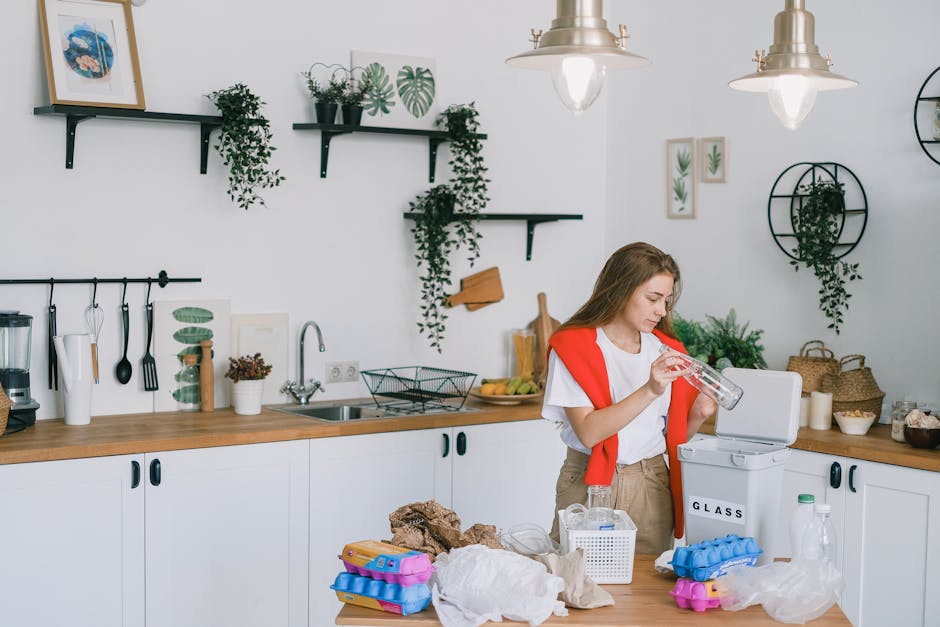
Labels are your best friends in making sure everyone in the household knows what goes where. Clearly marked bins prevent confusion and ensure compliance. Use simple, bold labels like "Plastic," "Paper," and "Organic Waste." This clarity aids even guests in knowing which bin to use.
Consider color-coding your bins for an extra layer of clarity. Green for compostables, blue for recyclables, and black for non-recyclables. These visual cues are incredibly helpful. You might even remember a time you accidentally tossed a can in the wrong bin; labels and colors reduce such mishaps.
Are you ready to turn your kitchen into a hub of efficient waste management? With types of waste defined and bins clearly labeled, you'll be well on your way to a more organized, eco-friendly kitchen. What's stopping you from taking that first step today?
Odor Control Solutions
When it comes to keeping your kitchen fresh, managing trash can odors is crucial. Nobody enjoys cooking or dining in a space that smells like yesterday's leftovers. If you're tired of battling unpleasant odors, it's time to explore some effective odor control solutions for your kitchen trash cans. You can minimize bad smells with a few simple changes and enjoy a fresher home.
Liners And Bags
Choosing the right liners and bags can make a significant difference in controlling odors. Opt for bags that are sturdy and have odor-blocking features. These bags often come with a pleasant scent or additional layers to trap and neutralize smells.
Consider using double-bagging for extra protection, especially if you dispose of items that can leak or create strong odors. Changing the liners regularly is another simple yet effective way to prevent odors from lingering. Make it a habit to take out the trash before it overflows to minimize smell buildup.
Natural Deodorizers
Natural deodorizers can be a game-changer in keeping your kitchen smelling fresh. Baking soda is a popular choice. Sprinkling a small amount at the bottom of the trash can help neutralize odors before they become overwhelming.
White vinegar is another excellent option. Place a small bowl of vinegar near the trash can to absorb odors without leaving any lingering scent. You can also use essential oils. A few drops of your favorite scent on a cotton ball can create a pleasant aroma that masks unwanted smells.
Have you ever used coffee grounds to combat smells? They not only absorb odors but also leave behind a subtle, inviting aroma. It’s a clever way to recycle your morning brew and keep your kitchen pleasant.
So, what steps will you take to keep your kitchen trash cans odor-free? Implementing these solutions not only improves the air quality in your home but also makes your kitchen a more enjoyable place to be. Choose the methods that fit your lifestyle and watch as the odors fade away.
Maintenance Tips
Keeping your kitchen trash cans clean ensures a hygienic environment. Regular maintenance prevents odors and keeps pests away. Follow these simple tips for easy upkeep.
Regular Cleaning Routine
Clean your trash cans once a week. Use hot, soapy water and a scrub brush. Remove any stuck-on debris. Rinse thoroughly with clean water. Allow to dry completely before using again. This routine keeps germs and odors at bay.
Handling Spills And Leaks
Spills happen, but quick action prevents stains. Wipe spills immediately with a damp cloth. For leaks, check the trash bag for tears. Replace it if needed. Use absorbent liners to catch any liquid. This reduces cleaning efforts and keeps your kitchen fresh.

Credit: www.amazon.com
Innovative Storage Solutions
Organizing your kitchen trash cans can improve efficiency and cleanliness. Innovative storage solutions offer practical ways to manage waste. These solutions save space and make your kitchen look tidy.
Pull-out Systems
Pull-out systems hide trash cans inside cabinets. They keep your kitchen looking neat. This method uses rails to slide trash cans in and out. It’s easy to use and keeps odors contained. You can install them under sinks or inside other cabinets. These systems come in various sizes to fit different cabinet spaces.
Stackable Options
Stackable trash cans are perfect for small kitchens. They use vertical space efficiently. You can stack multiple bins for sorting different types of waste. This option is flexible and can be rearranged as needed. Stackable bins often have lids to keep trash secure. They are lightweight and easy to clean, making them user-friendly.
Eco-friendly Practices
Organizing kitchen trash cans helps embrace eco-friendly practices. Separate bins for recycling, compost, and waste simplify sorting. Keep them accessible to encourage proper disposal habits.
Organizing your kitchen trash cans doesn't just help keep your home tidy; it's an excellent opportunity to adopt eco-friendly practices. By making small changes, you can significantly reduce waste and contribute positively to the environment. So, what are some practical ways to make your kitchen trash management more eco-friendly?
Composting Tips
Composting is a game-changer for reducing kitchen waste. Start by setting up a small compost bin next to your trash cans. It's easy to toss in fruit peels, vegetable scraps, and coffee grounds. This organic waste can transform into nutrient-rich compost for your garden. Did you know that composting also cuts down on landfill waste? It's a simple act with a huge impact. If you've never composted before, begin with a small batch and watch your garden flourish.
Reducing Waste Generation
Reducing waste is simpler than it sounds. It starts with being mindful of what you bring into the kitchen. Opt for products with minimal packaging or those that are recyclable. Consider buying in bulk to reduce plastic waste. How often do you find yourself throwing away single-use items? Swap them for reusable options like cloth napkins and glass containers. Challenge yourself to have a zero-waste day each week. This might sound daunting, but you'll find creative ways to cut down waste. Small actions lead to big changes in your kitchen's footprint. Remember, every step towards eco-friendly practices is a step towards a healthier planet. Are you ready to make the change in your kitchen today?

Credit: www.pinterest.com

Credit: www.amazon.com
Frequently Asked Questions
How Many Trash Cans Should A Kitchen Have?
A kitchen typically benefits from having two trash cans. One can be used for general waste, while the other is for recyclables. This setup encourages recycling and keeps waste organized. If space permits, consider adding a compost bin for organic waste, promoting a more sustainable kitchen environment.
Where Is The Best Location For Kitchen Trash Cans?
Place kitchen trash cans near food prep and cooking areas. This ensures easy access while cooking or cleaning. Ensure they are not obstructing paths or workspaces. Ideally, position them under the sink or in a pantry to save space and maintain a tidy kitchen appearance.
How Can I Reduce Kitchen Trash Odor?
To reduce kitchen trash odor, ensure you empty the bins regularly. Use trash bags with odor-blocking technology. Consider placing a baking soda box or charcoal filter at the bottom. This helps absorb unpleasant smells. Regular cleaning of the trash cans also prevents odor build-up.
What Size Trash Can Fits Under A Kitchen Sink?
A 7 to 10-gallon trash can usually fits under most kitchen sinks. Measure your space to ensure the trash can fits comfortably. Consider the bin's shape and whether you need a lid. A compact size optimizes space and keeps your kitchen organized without sacrificing waste capacity.
Conclusion
Organizing kitchen trash cans can simplify daily tasks. A well-placed trash can reduces clutter. It saves time during meal prep. Use labeled bins for recycling and compost. This helps with sorting waste quickly. Choose compact designs for smaller kitchens. This maximizes space efficiency.
Regular cleaning prevents odors and pests. Encourage family to follow the system. Everyone contributes to a tidy space. An organized kitchen offers peace of mind. It's easier to maintain cleanliness daily. Enjoy the benefits of a clutter-free environment. Your kitchen becomes a pleasant place to cook and gather.