Imagine having a brilliant idea for a food business, but you’re stuck on where to start. You may not have the space or budget for a full-blown commercial kitchen.
Then, a thought strikes you: Could a storage unit be the solution? This unconventional idea might just be the key to unlocking your culinary dreams. As you explore this possibility, you might wonder about the practicalities, legalities, and logistics involved.
This article will guide you through the ins and outs of setting up a commercial kitchen in a storage unit, providing you with the insights you need to make an informed decision. By the end, you'll have a clearer vision of whether this unique approach could be the right fit for your business. Ready to dive in and explore this potential game-changer for your culinary venture? Let’s get started.
Legal Considerations
Setting up a commercial kitchen in a storage unit can be complex. Legal considerations play a crucial role in this decision. Navigating these legal requirements is essential for success. Here's what you need to know.
Zoning Laws
Zoning laws dictate how land can be used in specific areas. They determine if commercial activities are allowed in storage units. It's important to check local zoning regulations. Zoning restrictions vary by location. Some areas may not permit commercial kitchens in storage units. Contact local authorities for zoning information. Understanding these laws prevents future legal issues.
Health And Safety Regulations
Health and safety regulations ensure public safety. These rules govern food preparation and storage. Compliance is mandatory for a commercial kitchen. Regular inspections may be required. Food safety protocols must be followed strictly. Proper sanitation and hygiene are crucial. Employees need training in health and safety practices. Violations can lead to fines or closure.
Permits And Licenses
Operating a commercial kitchen requires permits and licenses. These documents allow legal operation. Check local guidelines for necessary permits. Food service licenses are often required. Building permits might be needed for modifications. Obtain all required permits before starting operations. Keep licenses up to date to avoid penalties. Proper documentation ensures smooth operation.

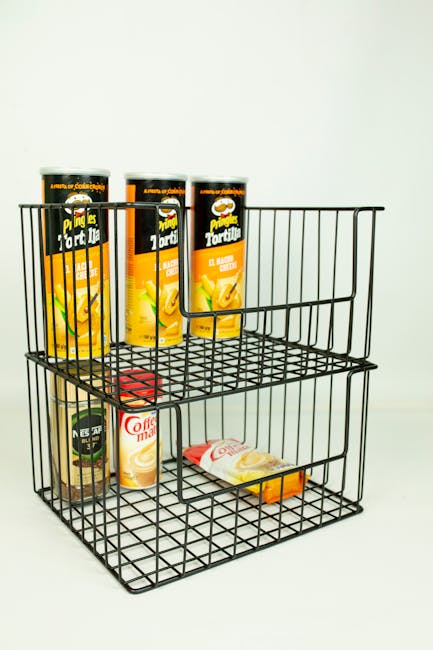
Credit: www.amazon.com
Practical Challenges
Setting up a commercial kitchen in a storage unit presents several practical challenges. These challenges can affect efficiency and safety. Addressing them is crucial for a successful operation.
Space Limitations
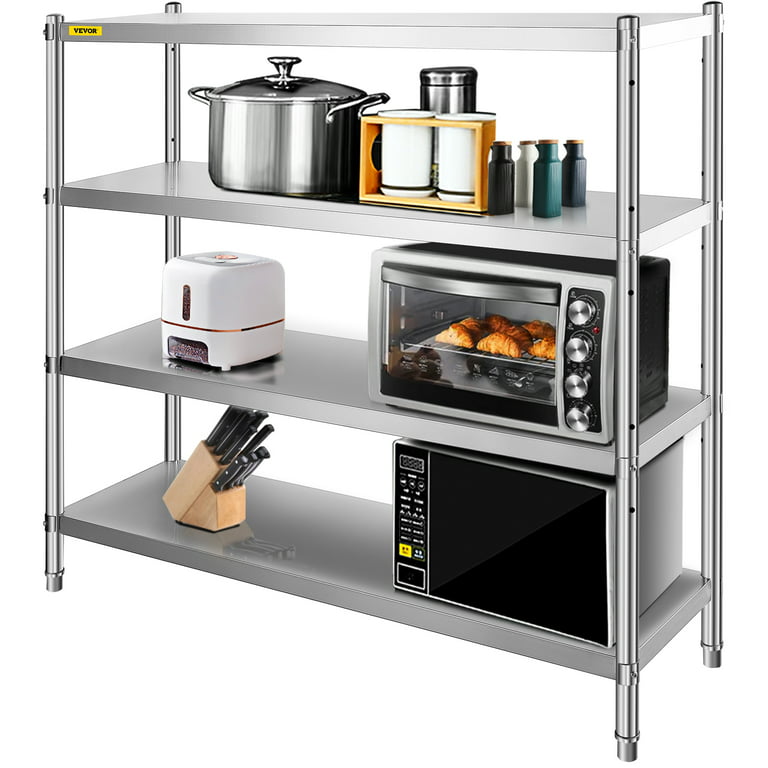
Storage units often have limited space. This restricts the kitchen layout. Equipment needs careful arrangement to fit. Limited space can hinder movement and workflow. Planning is essential to maximize every inch. Shelves and compact appliances can help.
Utility Access
Access to utilities is a major concern. Commercial kitchens require water, electricity, and sometimes gas. Storage units might lack these essential connections. Installing utilities can be costly and complex. Ensure the unit can support necessary hookups before starting.
Ventilation Requirements
Proper ventilation is vital in a commercial kitchen. Cooking generates heat, smoke, and odors. Storage units often have poor ventilation. Installing exhaust systems may be necessary. Adequate airflow prevents health hazards and maintains air quality. Consider this before setting up your kitchen.
Cost Implications
Setting up a commercial kitchen in a storage unit involves various costs. Understanding these costs helps you budget effectively. Let's explore the financial aspects.
Initial Setup Costs
Initial setup costs can vary widely. You need to consider the price of essential equipment. Stoves, ovens, and refrigerators are necessary. You also need to install proper ventilation. This ensures safe cooking conditions. Permits and licenses are another expense. These are crucial for legal operation.
Maintenance Expenses
Maintenance expenses keep your kitchen running smoothly. Regular cleaning is vital for hygiene. Equipment servicing prevents breakdowns. You must also replace worn-out parts. This keeps your kitchen in top condition. Budgeting for these expenses is wise.
Utility Costs
Utility costs are an ongoing expense. Electricity powers your equipment. Water is needed for cleaning and cooking. Gas may be required for certain appliances. Monitoring these costs helps manage your budget. Consider energy-efficient appliances to save money.
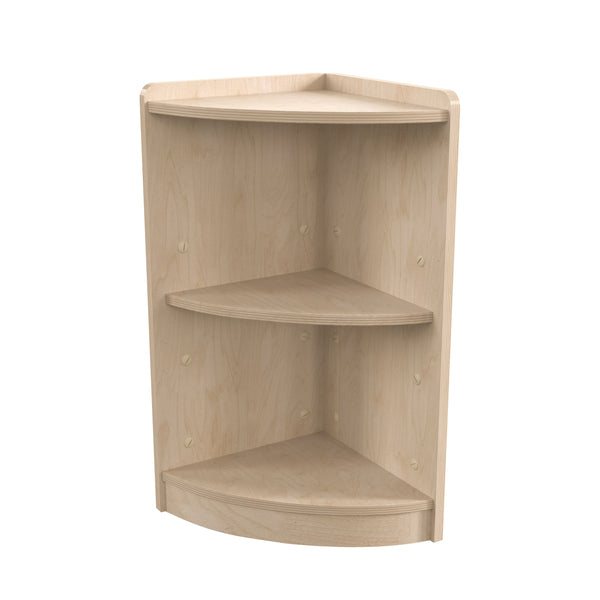
Credit: www.bizchair.com
Alternative Solutions
When you think about setting up a commercial kitchen, you might wonder if a storage unit could be the right place. While it may seem convenient, there are alternative solutions that might be more suitable. Let's dive into some practical options that could serve your culinary ambitions better.
Shared Kitchen Spaces
Shared kitchen spaces, also known as commissary kitchens, are a popular choice for many food entrepreneurs. These kitchens are fully equipped and meet health and safety regulations, allowing you to focus on cooking without the hassle of setup.
Imagine walking into a kitchen that has everything you need, from ovens to prep stations. You pay a fee to use the space, often based on the hours you need. This not only saves money but also offers flexibility if your cooking schedule changes.
One of the biggest advantages is the community feel. You can network with other chefs and food business owners, exchanging tips and even collaborating on projects. Have you ever thought about the potential to learn from others while working? Shared kitchens provide that unique opportunity.
Mobile Kitchens
If you're looking for something that offers mobility, why not consider a mobile kitchen? These are kitchens on wheels, often set up in trucks or trailers, allowing you to take your culinary creations to different locations.
Mobile kitchens are ideal if you want to cater to outdoor events, festivals, or markets. With all the necessary equipment built-in, you can start cooking without a hitch, right where your customers are.
Think about the freedom this offers: changing your location based on demand, weather, or events. It's a dynamic way to reach your audience directly and create a buzz around your culinary brand.
Commercial Kitchen Rentals
Another viable option is renting a commercial kitchen. This provides you with a dedicated space that you can use exclusively during your rented hours, ensuring privacy and uninterrupted work.
Commercial kitchen rentals often come with high-quality equipment, meeting all health and safety standards. It's a great choice for businesses that need more control over their cooking environment.
Have you considered the peace of mind this brings? Knowing that your kitchen meets all regulations allows you to focus on what truly matters—creating delicious food. Why settle for a makeshift setup when you can have a professional kitchen at your disposal?
Exploring these alternatives can help you find the best fit for your culinary business. Each option offers unique benefits, whether it's shared resources, mobility, or dedicated space. Consider what aligns best with your goals and take the next step in your food venture. Which of these solutions resonates with your needs?
Success Stories
Transforming a storage unit into a commercial kitchen may seem challenging. Yet, many have succeeded with creative solutions. Discover how entrepreneurs utilize space wisely, ensuring all health and safety standards are met. These stories show it's possible with careful planning and innovation.
Starting a commercial kitchen in a storage unit might sound unconventional, but there are success stories that show it's not just possible but can be a game-changer. From budding entrepreneurs to seasoned chefs, these stories offer valuable insights into how creativity and resourcefulness can overcome challenges. Let's dive into some inspiring examples that highlight the potential of this unique approach.
Case Studies
Consider the journey of Lisa, a pastry chef who transformed a 200-square-foot storage unit into a bustling bakery. With limited space, she optimized every inch, using stackable shelves and multipurpose equipment. Her unit became a local hub for artisan pastries, attracting a loyal customer base and even garnering media attention. Another success story is John, a food truck owner looking to expand his menu without breaking the bank. By setting up a commercial kitchen in a storage unit, he managed to experiment with new recipes and cater to larger events. His strategic use of space allowed him to double his revenue within a year.
Lessons Learned
These success stories teach us that the key to thriving in a storage unit kitchen is innovation. Prioritizing efficient layout and versatile equipment can drastically improve functionality. Lisa, for example, learned to maximize vertical space, which was crucial for her baking operation. Another lesson is the importance of community engagement. John's story shows that building relationships with local suppliers and customers can turn a small operation into a beloved brand. He regularly hosted tasting events outside his unit, creating buzz and attracting new clients. Have you ever considered the potential of unconventional spaces for your culinary dreams? These stories illustrate that with the right mindset and strategies, a storage unit can be more than just a place for old furniture—it can be the birthplace of your next big success.
Future Trends
Transforming a storage unit into a commercial kitchen could be a future trend. It offers flexibility and cost-effectiveness. This solution may appeal to startups and small businesses seeking affordable kitchen spaces.
The concept of putting a commercial kitchen into a storage unit is gaining traction. As more entrepreneurs and businesses look for cost-effective solutions, the adaptability of storage spaces is becoming a hot topic. But what does the future hold for this trend? Let's explore some of the key developments shaping this innovative idea.
Innovations In Kitchen Spaces
The future of storage-unit kitchens is bright with potential. The integration of smart technology is transforming these confined spaces into efficient culinary hubs. Imagine controlling your kitchen's appliances remotely or using AI-driven systems for inventory management. Consider the rise of modular kitchen designs. These setups allow for flexibility and customization, enabling you to maximize space while maintaining functionality. It’s not just about fitting a kitchen into a storage unit anymore; it’s about creating a space that evolves with your needs.
Evolving Regulations
One crucial aspect of turning a storage unit into a kitchen is understanding the legal landscape. Regulations around food safety and building codes are constantly evolving. Staying updated can help you avoid potential pitfalls and fines. Local authorities might have specific requirements for ventilation, waste disposal, and fire safety. It’s essential to research these regulations before setting up shop. Have you checked with your local zoning board to ensure compliance? As more people explore this trend, we might see new guidelines emerge. This could include standardized procedures for converting non-traditional spaces into commercial kitchens. Will you be ready to adapt to these changes? As we look to the future, it's clear that the idea of a commercial kitchen in a storage unit is more than a passing fad. It's an innovative solution with the potential to reshape how we think about kitchen spaces. Will you be part of this exciting trend?
Credit: www.walmart.com
Frequently Asked Questions
Can You Legally Operate A Kitchen In A Storage Unit?
Operating a commercial kitchen in a storage unit often violates zoning laws and health codes. Storage units are not typically designed for food preparation. It's crucial to consult local regulations and health authorities to ensure compliance. Always prioritize safety and legal requirements before considering this option.
What Are The Challenges Of Using A Storage Unit As A Kitchen?
Using a storage unit as a kitchen poses challenges like limited space and inadequate ventilation. Storage units lack essential utilities like plumbing and electrical systems required for kitchen operations. Additionally, meeting health codes can be difficult. Proper planning and understanding of local regulations are essential for compliance.
Are Storage Units Equipped For Kitchen Installations?
Storage units are generally not equipped for kitchen installations. They lack essential utilities like plumbing and adequate electrical systems. Ventilation and temperature control are also inadequate for food preparation. Modifying a storage unit to meet commercial kitchen standards can be challenging and may require extensive renovations.
Can You Install Kitchen Equipment In A Storage Unit?
Installing kitchen equipment in a storage unit is possible but challenging. Most units lack essential utilities like plumbing and sufficient power supply. Modifications may be necessary to meet health and safety standards. Always consult local regulations to ensure compliance before attempting any installation.
Conclusion
Transforming a storage unit into a commercial kitchen is complex. It requires careful planning and understanding of regulations. Consider costs, ventilation, and space constraints. Check local laws before proceeding. Consulting experts can help navigate challenges. Ensure safety and compliance at all stages.
A well-planned approach saves time and money. Investing in the right equipment is crucial. Think about long-term sustainability and efficiency. Proper research leads to successful outcomes. Make informed decisions to avoid future issues. Remember, a good plan is key to success.