Have you ever faced the frustrating situation of a clogged kitchen sink? The water just won’t go down, and the dishes are piling up.
You might be tempted to reach for that bottle of drain cleaner lurking under your sink. But wait—before you pour it down the drain, there are a few things you should know. Is it safe for your pipes? Could it cause harm in other ways?
These questions are crucial if you want to avoid a costly plumbing bill or even damage to your kitchen. We’ll explore whether you can put drain cleaner in a kitchen sink, and what you need to consider before making that choice. Keep reading to find out how to tackle that stubborn clog without causing more trouble than it’s worth.
Drain Cleaners And Their Ingredients
When you're dealing with a clogged kitchen sink, reaching for a drain cleaner might seem like a quick fix. But have you ever wondered what's actually inside those bottles? Understanding the ingredients can help you choose the right product and use it safely. Dive in to learn more about the types of drain cleaners and the chemicals they contain.
Types Of Drain Cleaners
Drain cleaners generally fall into three categories: caustic, oxidizing, and acidic. Each type works differently to break down clogs.
- Caustic Drain Cleaners:These are typically made with lye or caustic potash. They work by converting grease into a soap-like substance that can dissolve in water.
- Oxidizing Drain Cleaners:These contain bleach or nitrates. They release gas that helps break down organic material, like food particles.
- Acidic Drain Cleaners:Often made with sulfuric or hydrochloric acid, these are powerful and can quickly clear heavy clogs.
Have you ever found yourself staring at a clogged sink, unsure of which product to choose? Knowing the type of cleaner you need can save both time and frustration.
Common Chemicals Used
Drain cleaners contain potent chemicals designed to clear blockages effectively. Here's a closer look at some common ingredients:
- Sodium Hydroxide:Known as lye, it's effective in clearing grease and soap scum. But it can be dangerous if mishandled.
- Sodium Hypochlorite:The main component in bleach, this chemical can dissolve organic material, but be cautious of its fumes.
- Sulfuric Acid:A powerful acid that can cut through hair and food debris. It’s effective but requires careful use due to its corrosive nature.
It’s fascinating how a simple bottle can contain such powerful substances. But remember, mixing chemicals can be dangerous. Always read labels and follow safety instructions.
Before reaching for a drain cleaner, ask yourself: is this the safest option? Sometimes a plunger or a natural remedy might be all you need. Understanding what’s inside those cleaners empowers you to make informed choices.
Credit: trusteyman.com
Potential Risks Of Using Drain Cleaner
Using drain cleaner in your kitchen sink might seem like a quick fix for stubborn clogs, but are you aware of the potential risks? Drain cleaners are powerful chemical solutions, and while they can effectively dissolve blockages, they can also lead to significant hazards and damage. It’s crucial to weigh the risks before pouring that bottle down your sink.
Health Hazards
Drain cleaners often contain harsh chemicals like lye or sulfuric acid. These substances can pose serious health risks. Imagine accidentally splashing the cleaner on your skin or breathing in the fumes. This can lead to burns, irritation, or even respiratory issues. Have you ever considered how these chemicals might affect the air quality in your kitchen?
Even a small mishap can result in a trip to the doctor. If you have children or pets at home, the risk multiplies. Their curious nature can lead to accidental exposure. Is it worth the danger when there are safer alternatives available?
Damage To Plumbing
Drain cleaners are designed to be powerful, but that strength can be a double-edged sword. Regular use can corrode pipes, especially if they're older or made of certain materials. Picture dealing with a leak because a cleaner weakened your plumbing system. It's an expensive and inconvenient problem.
Moreover, if the cleaner doesn't completely clear the blockage, it can harden inside your pipes, creating even more stubborn clogs. Have you considered how this could affect the longevity of your plumbing? Investing in a professional plumber might be a better option in the long run.
By understanding these risks, you can make informed decisions about how to handle your kitchen sink woes. Have you explored safer methods like a plunger or baking soda and vinegar? Your kitchen is a central hub of your home, and protecting it should be a priority.
When To Use Drain Cleaner
Using a drain cleaner in your kitchen sink can be a quick fix, but it's not always the best option. Knowing when to reach for that bottle is essential. Use it when you’re sure it's the right solution and not just a temporary band-aid.
Identifying Blockages
Before you use drain cleaner, identify the blockage. Is it just a slow drain, or is water refusing to budge? Start by checking the sink for obvious culprits like food scraps or grease.
Sometimes, running hot water can dissolve minor blockages. If that doesn’t work, a plunger might help. Only consider a drain cleaner if these steps fail.
Signs Of Serious Clogs
Not all clogs are created equal. If your sink is gurgling or emitting foul odors, it might be time to act. These signs often indicate a more severe issue lurking beneath.
Water backing up into the sink is another red flag. It suggests a blockage further down the pipes, demanding more than just a quick fix. In these cases, a drain cleaner could be your ally, but use it cautiously.
Have you ever faced a stubborn sink clog that refused to budge, even with a plunger? Sometimes, calling a professional might be the wiser choice. When you weigh the situation carefully, you ensure the best outcome for your kitchen sink.
Credit: www.liquidplumr.com
Alternatives To Chemical Drain Cleaners
When faced with a clogged kitchen sink, reaching for a chemical drain cleaner might seem like the quickest solution. However, these powerful agents can be harmful to both your pipes and the environment. Fortunately, there are numerous alternatives that are not only effective but also kinder to your home and planet. Let's explore some natural remedies and mechanical tools that can help you tackle those stubborn sink blockages.
Natural Remedies
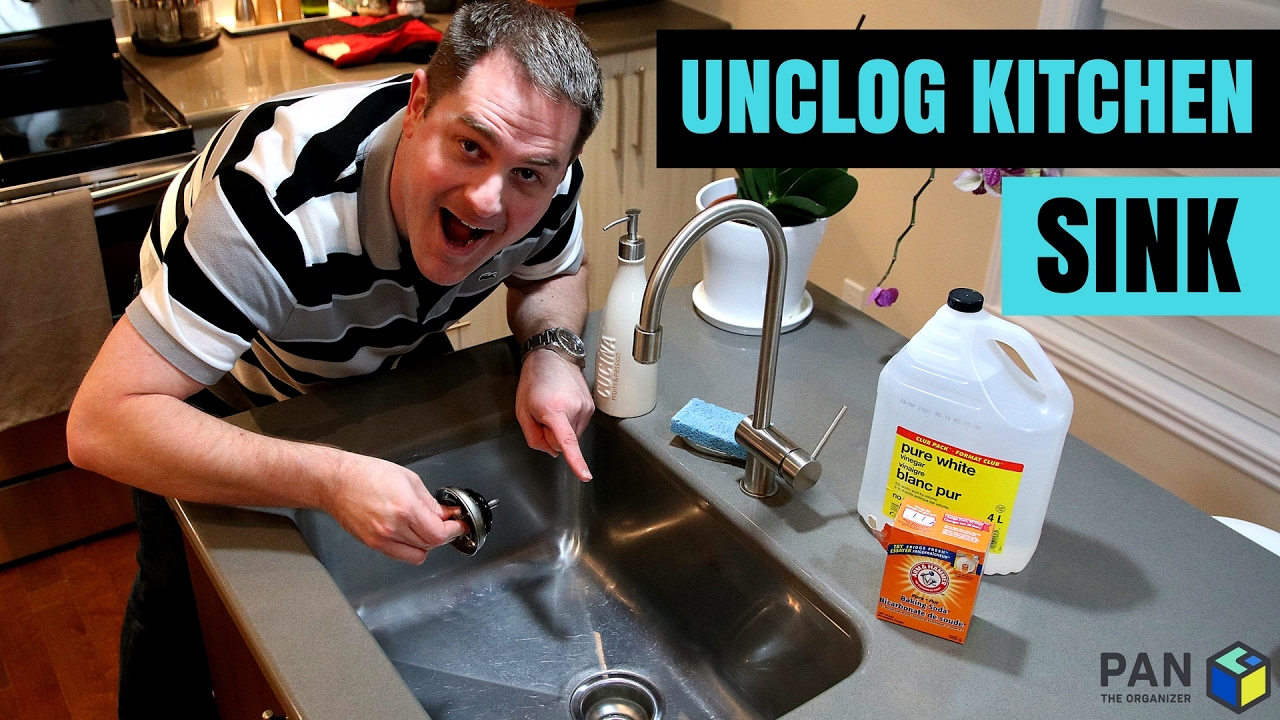
Have you ever tried using baking soda and vinegar to unclog your sink? This dynamic duo is a fantastic natural remedy. Start by pouring a cup of baking soda down the drain, followed by a cup of vinegar. The fizzing reaction helps break down the grime blocking the pipes.
Another option is salt and hot water. Mix half a cup of salt with boiling water and pour it down the drain. This method can be particularly effective for grease buildup, something you might encounter after a weekend of cooking indulgent meals.
Consider using lemon juice as a fresh alternative. It's not only natural but also leaves a pleasant scent. Combine it with baking soda for added potency. Have you ever noticed how lemon can cut through grease on your dishes? It works similarly in your pipes.
Mechanical Tools
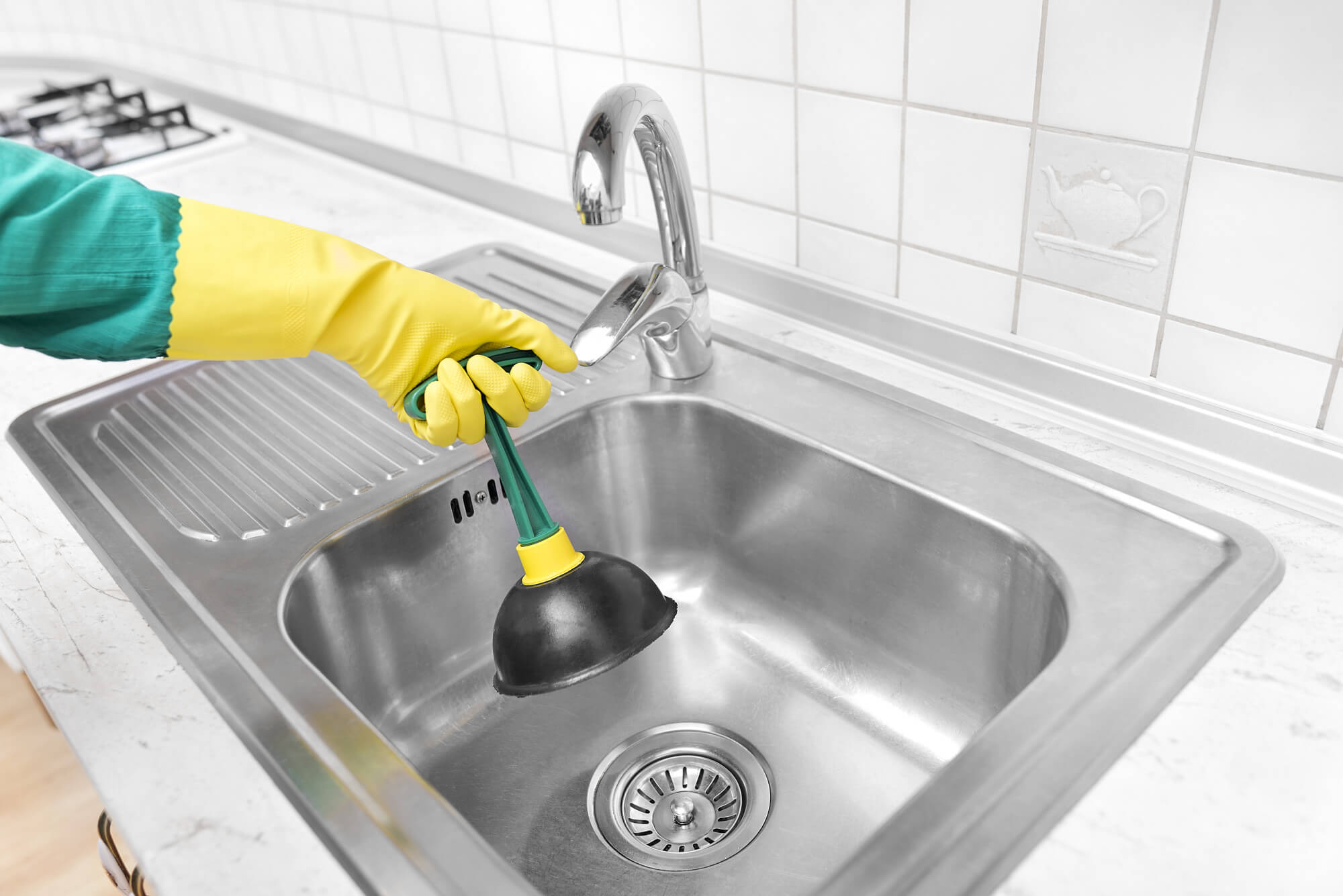
Plungers aren't just for toilets. They can be a valuable tool for your kitchen sink as well. A few firm plunges can create the necessary pressure to dislodge clogs. It's simple, effective, and doesn't require any chemicals.
If you're dealing with a more persistent blockage, a plumber's snake might be your best bet. You can guide it through the pipes to physically break up the clog. This tool is handy for those stubborn blockages that refuse to budge.
Have you heard of the Zip-It tool? It's a thin, flexible plastic strip with barbs that can catch hair and debris. It's inexpensive and easy to use, making it a great addition to your DIY toolkit.
Next time your kitchen sink refuses to drain, consider these alternatives. Have you found any unconventional methods that work for you? Share your tips and tricks and let’s help each other keep our pipes clear without the chemicals.
Safe Usage Tips
Pouring drain cleaner into a kitchen sink can be risky. Use it sparingly and ensure proper ventilation. Follow the product instructions closely to avoid pipe damage and harmful fumes.
When you're dealing with a clogged kitchen sink, reaching for drain cleaner might seem like a quick fix. However, using these powerful chemicals improperly can lead to more harm than good. Let's dive into some safe usage tips to ensure you can clear those blockages without damaging your plumbing or risking your safety.
Precautionary Measures
Before you even open that bottle of drain cleaner, consider your safety. Always wear gloves and protective eyewear to shield yourself from splashes. These chemicals can be harsh on your skin and eyes, so protecting yourself is crucial. Ensure your kitchen is well-ventilated. Open windows or switch on the exhaust fan to avoid inhaling any harmful fumes. Remember, safety first. Read the product label thoroughly. Different drain cleaners have varied instructions. Knowing the details can prevent mishaps and ensure effective use.
Correct Application Methods
Pour the recommended amount slowly into the sink. Avoid splashing by pouring steadily and directly into the drain. This ensures the cleaner targets the blockage without spreading elsewhere. Allow the cleaner to sit for the time specified on the label. Patience is key here. Rinsing it too soon might not give it enough time to work. Use hot water to rinse the drain after the waiting period. This helps to flush away dissolved debris, ensuring your sink is clear. But be cautious if you’ve used a chemical cleaner; sometimes mixing with water too soon can cause splattering. Have you ever tried a different approach that worked wonders? Share your experiences in the comments. Your insights might just help someone else avoid a sticky situation.
Credit: m.youtube.com
Preventing Future Clogs
Kitchen sink clogs can disrupt daily life. Regular maintenance prevents these issues. Simple habits and mindful practices keep drains clear. This guide shares effective tips to maintain a clog-free sink. Let's explore how.
Regular Maintenance Tips
Regular cleaning keeps your kitchen sink in top shape. Pour hot water down the drain weekly. This helps dissolve grease and soap buildup. Use a natural cleaner like baking soda and vinegar monthly. They break down debris without harming pipes. Inspect your sink stopper often. Ensure it functions properly to catch debris.
Proper Waste Disposal
Dispose of waste properly to avoid clogs. Avoid pouring grease or oil down the drain. They solidify and block pipes. Use a compost bin for food scraps. Coffee grounds, eggshells, and fibrous vegetables can cause clogs. Install a sink strainer. It catches larger food particles before they enter the drain. Encourage family members to follow these disposal practices.
Frequently Asked Questions
Is It Safe To Use Drain Cleaner In Kitchen Sinks?
Using drain cleaner in kitchen sinks can be safe if used properly. Follow the product instructions carefully to avoid damaging pipes or fixtures. Drain cleaners can be harsh, so consider alternative methods like baking soda and vinegar for minor clogs.
Can Drain Cleaner Damage Kitchen Sink Pipes?
Yes, harsh drain cleaners can damage kitchen sink pipes, especially if used frequently. They may corrode metal pipes or harm plastic ones. For persistent clogs, try mechanical methods like a plunger or snake before resorting to chemical solutions.
What Alternatives Exist To Using Drain Cleaner?
Alternatives to drain cleaner include baking soda and vinegar, hot water, or using a plunger. These methods are less corrosive and safer for pipes. If clogs persist, consider seeking professional plumbing help.
How Often Can I Use Drain Cleaner?
Limit drain cleaner use to occasional instances when clogs are severe. Frequent use can damage pipes and harm plumbing systems. Consider preventative measures like regular cleaning and using drain guards to minimize clogging.
Conclusion
Deciding to use drain cleaner needs careful thought. It's not always safe for kitchen sinks. Chemicals can harm pipes. Natural solutions may be better. Vinegar and baking soda work well. They are gentle and effective. Regular maintenance helps too. Clean drains often to avoid clogs.
Use strainers to catch food bits. Be proactive with drain care. It saves money and trouble. Consider professional help for tough clogs. Experts know how to handle them safely. Always prioritize safety and pipe health. Choose wisely for a clean, functional kitchen sink.