Imagine this: you've just finished preparing a delightful meal, and now it's time to clean up. As you rinse the dishes, you notice your kitchen sink drain isn't quite doing its job.
Water pools around, and there's an unpleasant smell wafting up. Sound familiar? You're not alone. Many people face this common yet frustrating problem. But don't worry, because we’ve got you covered. In this guide, you'll discover exactly what cleans kitchen sink drains, keeping them fresh and free-flowing.
From simple home remedies to effective products, we'll explore the best solutions for your sink woes. Ready to say goodbye to clogged drains and hello to a cleaner, fresher kitchen? Keep reading to find out how you can transform your sink into the efficient, odor-free helper it’s meant to be.
Credit: trusteyman.com
Common Causes Of Clogged Drains
Have you ever found yourself staring at a slow-draining kitchen sink, wondering what might be lurking down there? Clogged drains are a common nuisance in many households, and understanding the root causes can help you tackle them effectively. Let’s explore what’s often behind these annoying blockages.
Food Residue
Your kitchen sink is probably a hotspot for food scraps. Even if you use a garbage disposal, some bits and pieces can slip through the cracks. Potato peels, rice, and coffee grounds are notorious for sticking together and forming stubborn clogs. Have you ever scraped a plate into the sink only to regret it later? It's easy to forget how quickly these little leftovers can build up.
Grease And Fat Buildup
Have you ever poured cooking oil or bacon grease down the drain thinking it’ll wash away? You’re not alone. Grease cools and hardens as it travels through your pipes, creating a sticky mess that traps other debris. Over time, this gooey buildup can choke your drain completely. Next time you cook, consider setting aside a jar for leftover grease instead of sending it down the sink.
Foreign Objects
Sometimes, items end up in drains that simply don't belong there. From jewelry to small toys, unexpected objects can cause blockages. Ever lost an earring while rinsing dishes? It might still be lodged somewhere in your plumbing. Think about what goes down your sink, and keep an eye out for anything that might accidentally slip in. It’s amazing how even the smallest things can create big problems.
Knowing these common causes of clogged drains can empower you to keep your kitchen sink running smoothly. What steps will you take to prevent these pesky problems in your home?
Natural Cleaning Solutions
Kitchen sink drains often face clogs and build-ups. Chemical cleaners can be harsh. Natural cleaning solutions offer a gentler approach. Many options are effective and safe. They use ingredients found at home. Explore these simple methods to keep drains clear.
Baking Soda And Vinegar
Baking soda and vinegar work wonders. Start by sprinkling baking soda down the drain. Follow with vinegar. Let them fizz and bubble. This reaction breaks down grime. It helps clear blockages. After a few minutes, flush with hot water. The combination is powerful yet gentle.
Salt And Hot Water
Salt can clean and deodorize drains. Pour half a cup into the drain. Follow with boiling water. The salt scrubs and cleans. Hot water dissolves soap scum. This method is simple and effective. Repeat weekly to prevent build-up.
Lemon Juice And Baking Soda
Lemon juice adds freshness. Mix it with baking soda for a paste. Apply this paste to the drain. Let it sit for a while. Lemon cuts grease and grime. Baking soda scrubs away residue. Rinse with hot water for a clean finish.
Chemical Drain Cleaners
Chemical drain cleaners are effective for cleaning kitchen sink drains. They dissolve grease, food particles, and hair. Always follow safety instructions when using them.
Chemical drain cleaners are a popular choice for many homeowners trying to clear a clogged kitchen sink. These products promise quick results, often dissolving stubborn blockages within minutes. However, before reaching for that bottle, it's essential to understand what these cleaners entail and the impact they can have on your plumbing, health, and the environment.
Types Of Chemical Cleaners
Chemical drain cleaners typically come in three forms: liquid, gel, and powder. Liquid and gel cleaners are easy to pour directly down the drain and are often designed to target grease and soap buildup. Powdered cleaners require you to add water, activating their components to break down tougher clogs. Each type has its unique formula, often containing strong acids or bases. These ingredients work aggressively to dissolve organic material. If you've ever faced a stubborn clog, you know how tempting it is to opt for the strongest cleaner available. But is it always the best solution?
Safety Precautions
Using chemical drain cleaners requires caution. Always read the instructions carefully. Ensure that the area is well-ventilated, as these products can release harmful fumes. Wearing gloves is a must. These chemicals can cause burns or irritation if they come into contact with your skin. Splashing is a real risk, so take care when pouring the cleaner into the drain. Do you have kids or pets? Make sure they are at a safe distance.
Environmental Concerns
Chemical drain cleaners might offer a quick fix, but they pose significant environmental risks. Once flushed down the drain, these chemicals can contaminate water supplies and harm aquatic life. Consider the long-term effects of frequent use. Over time, these harsh substances can corrode your pipes, leading to costly repairs. You might find yourself spending more on plumbing than you saved on the cleaner. Have you thought about alternative methods, like natural cleaners or mechanical tools? Remember, while chemical drain cleaners might seem like a convenient option, they come with a set of challenges. Weigh the pros and cons before making your decision.
Diy Drain Cleaning Tools
Cleaning kitchen sink drains is easy with DIY tools. Plungers can quickly remove clogs. Drain snakes reach deeper blockages. Baking soda and vinegar are natural solutions, breaking down buildup effectively.
Keeping your kitchen sink drain clean can be a daunting task, especially when commercial cleaners seem ineffective or too harsh. That's where DIY drain cleaning tools come to the rescue. These handy techniques and tools are not only easy to use but also kind to the environment and your wallet. Let's dive into some practical methods that you can tackle right at home.
Plunger Techniques
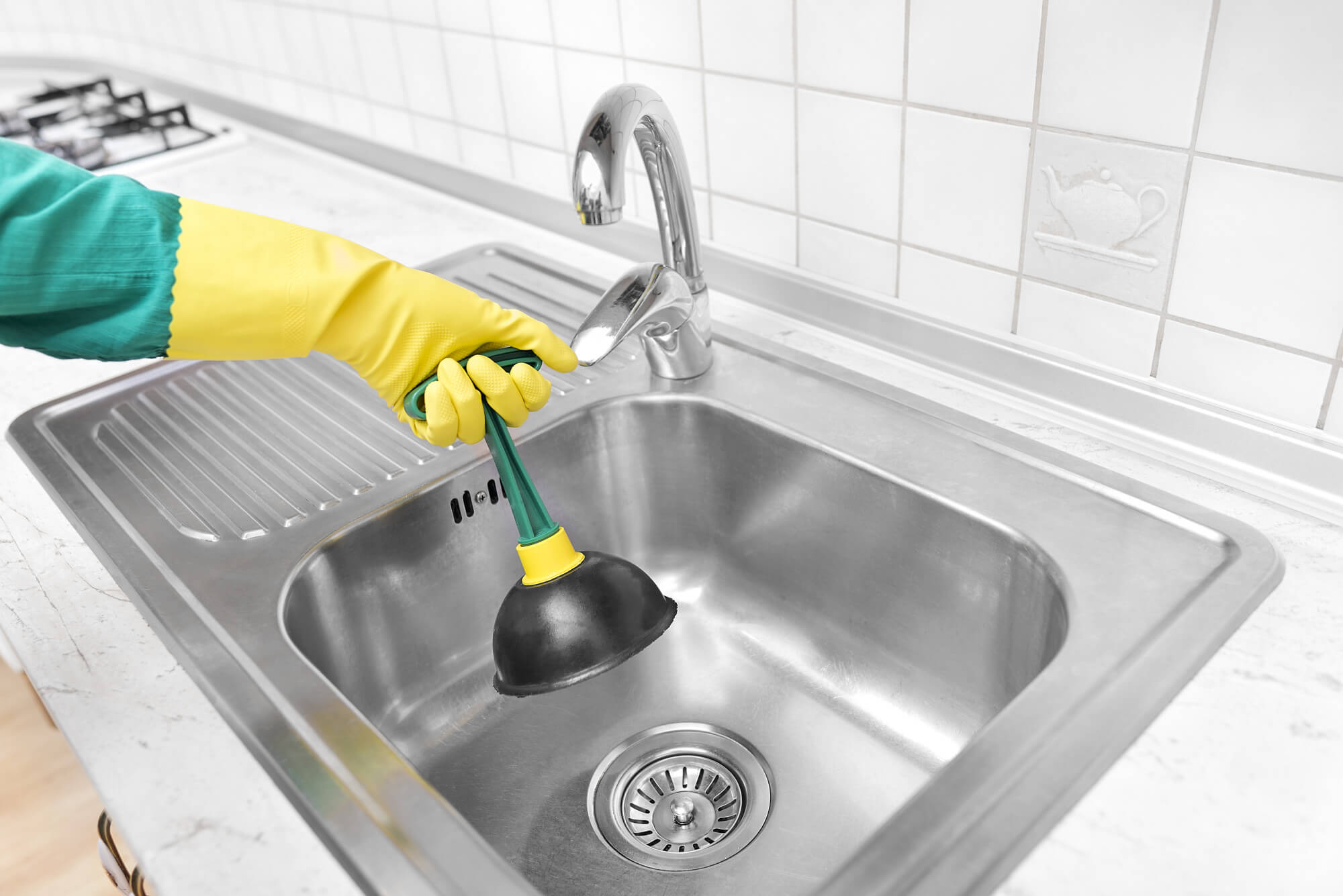
Using a plunger isn't just for toilets. It can be a game-changer for kitchen sinks too. Start by filling the sink with enough water to cover the plunger's cup. Next, position the plunger directly over the drain and give it a few firm pumps. This action creates pressure that can dislodge stubborn clogs. Remember to maintain a good seal around the drain to maximize effectiveness. Have you ever tried using a plunger on your sink before? It might just surprise you.
Using A Drain Snake
A drain snake, or plumber's auger, is another effective tool for cleaning kitchen drains. It's a flexible wire coil that can navigate through your pipes to clear blockages. Feed the snake down the drain until you feel resistance, then gently rotate the handle to break up the clog. For more stubborn debris, you might need to apply a bit more pressure. Once you've cleared the blockage, run hot water to flush out any remaining residue. Have you ever noticed how satisfying it is to hear the water flow freely again after using a drain snake?
Homemade Cleaning Devices
Your kitchen likely holds several items that can double as effective drain cleaners. A simple wire coat hanger can be straightened out and used to fish out clogs. Or, consider using a mixture of baking soda and vinegar. Pour half a cup of baking soda down the drain, followed by a cup of vinegar. The fizzy reaction helps break down grime. Cover the drain and let it sit for about 15 minutes before flushing with hot water. Have you ever thought that such simple household items could be so effective? By employing these DIY tools, you not only save money but also minimize your environmental impact. Why not try these methods the next time your kitchen sink drain needs some attention? The results might just surprise you.
Preventative Measures
Keeping your kitchen sink drains clean can prevent clogs and bad odors. Simple habits can save time and money. Implementing preventative measures ensures your sink works efficiently. Let's explore easy tips to keep your kitchen sink in top shape.
Regular Maintenance Tips
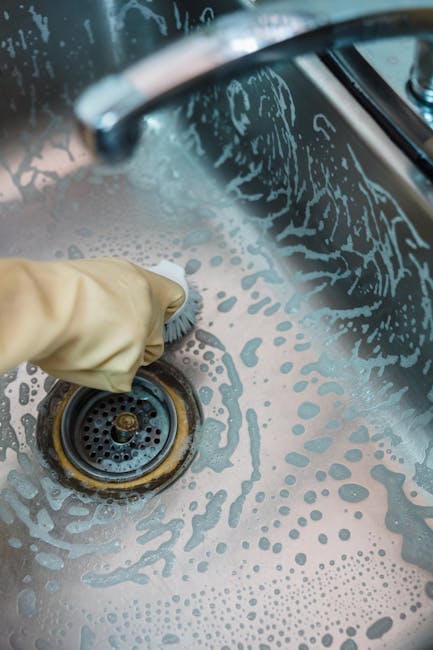
Clean your sink drains once a week. Use a mixture of baking soda and vinegar. Pour the mixture down the drain. Let it sit for 15 minutes. Rinse with hot water to flush out debris. This helps prevent blockages and keeps drains smelling fresh.
Proper Waste Disposal
Dispose of kitchen waste correctly. Avoid pouring grease or oil down the drain. Use a container to collect used oil. Throw food scraps in the trash or compost. These habits reduce the risk of clogs.
Installing Drain Guards
Install drain guards to catch food particles. These small tools fit over the drain opening. They trap debris, preventing it from going down the pipes. Clean the guards regularly to ensure effectiveness. This simple step can extend the life of your plumbing.

Credit: www.wikihow.com
When To Call A Professional
Professional help is essential when persistent clogs resist regular cleaning methods. Strange odors or slow drainage indicate deeper issues. A skilled plumber can effectively diagnose and resolve these complex problems, ensuring a smoothly functioning kitchen sink drain.
A clogged kitchen sink drain can be a real headache. You've tried the DIY methods—baking soda, vinegar, plunging—but sometimes the blockage just won't budge. Knowing when to call a professional is crucial. Ignoring the signs could lead to bigger problems and costly repairs. So, how do you know when it's time to bring in the experts?
Signs Of Serious Blockages
You notice water pooling in the sink, and it's taking forever to drain. Perhaps there's a foul odor that just won't go away, no matter how much you clean. If you hear gurgling sounds or see water backing up into other drains, these are red flags. These signs suggest a blockage deep in the pipes that you can't reach on your own. Waiting could worsen the problem, leading to potential water damage.
Benefits Of Professional Help
A professional plumber can diagnose the root cause of the blockage quickly. They have the right tools and expertise to clear it efficiently. This not only saves you time but also provides peace of mind. You can avoid the frustration of repeated attempts with DIY methods that may not work. Additionally, professionals can inspect for underlying issues that you might miss, preventing future clogs.
Cost Considerations
You might wonder about the cost of hiring a plumber. While it may seem expensive upfront, consider the long-term savings. Fixing a minor issue before it escalates can prevent costly repairs down the line. Professionals often offer a warranty on their work, adding an extra layer of security. Would you rather spend a little now or risk a hefty bill later? Always weigh the immediate cost against potential future expenses.
:strip_icc()/how-to-clean-a-kitchen-sink-and-drain-04-5660035-d06ca6443e794a9f89b0963e6dba321d.jpg)
Credit: www.bhg.com
Frequently Asked Questions
How Do I Unclog A Kitchen Sink Drain Naturally?
To unclog naturally, use baking soda and vinegar. Pour half a cup of baking soda, followed by half a cup of vinegar. Wait for 15 minutes, then flush with hot water. This combination helps break down grime and deodorizes the drain effectively.
What Are The Best Cleaning Solutions For Kitchen Drains?
Effective cleaning solutions include baking soda, vinegar, and lemon juice. These natural ingredients help dissolve grease, neutralize odors, and remove buildup. Simply mix and pour them down the drain. This method keeps your kitchen sink drain clean and fresh.
How Often Should I Clean My Kitchen Sink Drain?
Clean your kitchen sink drain every week to prevent clogs. Regular maintenance helps avoid foul odors and buildup. Use baking soda and vinegar or lemon juice for a fresh scent. This routine ensures your drain remains functional and hygienic.
Can Boiling Water Clean Kitchen Sink Drains?
Boiling water can help clean drains by dissolving grease and debris. Pour it down the drain slowly. This method is effective when combined with baking soda and vinegar. Regular use prevents clogs and keeps your kitchen sink drain clear.
Conclusion
Keeping your kitchen sink drain clean is crucial. It prevents clogs and odors. Use simple solutions like baking soda and vinegar. They work wonders. Regular cleaning ensures smooth water flow. It also extends your sink's life. Remember, a clean drain promotes a healthy kitchen.
Avoid harsh chemicals. They can damage your pipes. Instead, opt for natural methods. They're effective and safe. Consistency is key. Make it a habit. Your kitchen will thank you. Happy cleaning!