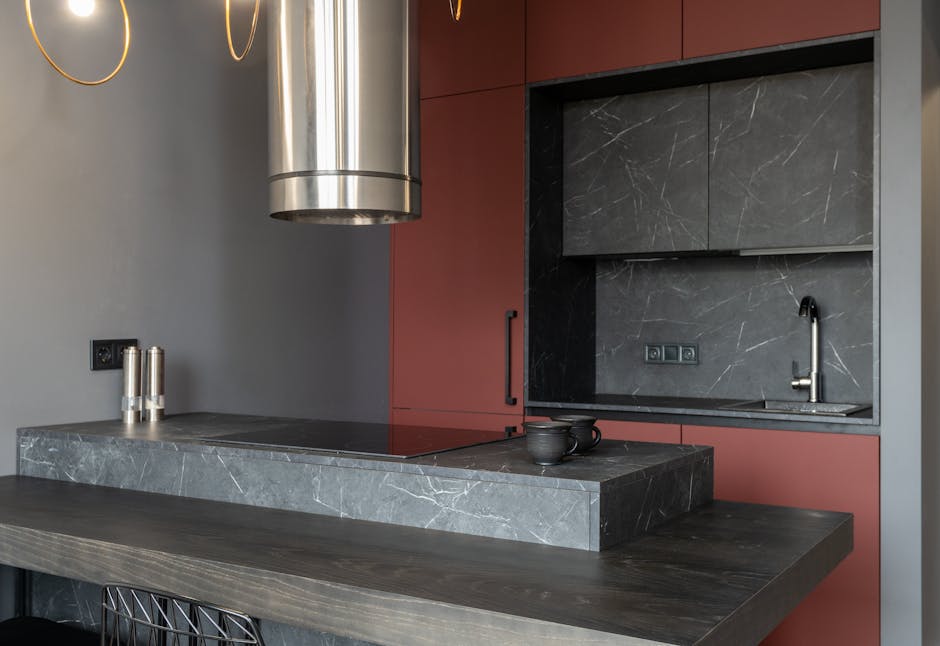
Do you dream of having a kitchen island but worry about the space in your small kitchen? You're not alone.
Many homeowners feel the same way, wondering if they can ever enjoy the benefits of a kitchen island without sacrificing precious space. But what if you could have both? Imagine preparing meals with ease, having additional seating for your loved ones, and enjoying extra storage—all in your cozy kitchen.
Designing a small kitchen island doesn't have to be an impossible task. With the right tips and tricks, you can transform your kitchen into a functional and stylish space. In this guide, you'll discover simple steps to design a small kitchen island that fits perfectly in your home. We'll explore space-saving ideas, clever storage solutions, and design inspirations that will make you wonder how you ever lived without it. Ready to unlock the potential of your small kitchen? Read on to find out how you can make it happen.
:strip_icc()/homemade-kitchen-island-marble-BsH3SH3hqUZ8hnfrY0s28T-896be47e12ec47b5b83bb8c7f295c4bf.jpg)
Credit: www.bhg.com
Space Assessment
Designing a small kitchen island requires thoughtful space assessment. Consider storage needs and functionality first. Opt for compact designs that blend seamlessly with existing decor. Prioritize seating arrangements and ensure ample room for movement around the island.
Designing a small kitchen island requires careful planning, especially when space is limited. Space assessment is your first step to creating a functional and stylish island that fits perfectly into your kitchen. By understanding your kitchen's layout and your specific needs, you can maximize functionality without sacrificing style. Let's dive into the key aspects of space assessment.
Measuring Your Kitchen
Start with precise measurements. Use a tape measure to get the dimensions of your kitchen space. Measure the width, length, and height. Consider door swings and appliance placements. Think about traffic flow—how people move around the kitchen. A well-measured space ensures your island doesn’t obstruct paths or create bottlenecks.
Identifying Functional Needs
Determine what you need most from your island. Is it additional counter space for food prep? Do you need extra storage for pots and pans? Or is seating a priority for family meals or entertaining guests? Think about how you use your kitchen. Make a list of must-haves for your island. This will guide your design decisions, ensuring your island meets your lifestyle needs. By focusing on these aspects, you create a kitchen island that's tailored to your space and lifestyle. What unique needs do you have that your island could fulfill?

Credit: www.housebeautiful.com
Island Style Choices
Your kitchen island is more than just a functional space—it’s an opportunity to express your style. With limited space, choosing the right design for your kitchen island can make a big impact. Whether you lean towards modern sophistication, rustic charm, or minimalist simplicity, your island style choice can set the tone for your entire kitchen.
Modern Designs
Modern kitchen islands often feature sleek lines and innovative materials. Think about using stainless steel or quartz countertops for a polished look. Consider adding a built-in wine rack or a hidden charging station for a tech-friendly vibe. A friend of mine installed LED lights under the countertop, creating a futuristic glow that transformed her small kitchen into a chic space.
Rustic Appeal
If you love the warmth and coziness of rustic design, a kitchen island can be a perfect centerpiece. Opt for natural wood finishes or reclaimed wood to bring character and texture. Add open shelving to display vintage kitchenware or potted herbs. I once visited a home where the island had barn-style sliding doors, offering both storage and style. Could this be the unique touch your kitchen needs?
Minimalist Options
Minimalist design embraces simplicity and functionality. Choose clean, uncluttered surfaces and integrated appliances. A small island can have a waterfall countertop, offering elegance without excess. My neighbor went minimalist with a compact island that doubled as a breakfast bar, proving that less can indeed be more. How can you streamline your kitchen island to enhance your space?
Making your kitchen island a style statement doesn't require a large budget or space. It requires creativity and a sense of what suits your lifestyle. What style resonates with you?
Material Selection
Choosing the right materials for a small kitchen island enhances its functionality and style. Opt for durable countertops like granite or quartz. Consider wood for a warm, inviting look. Select materials that match your kitchen's theme. This creates a cohesive design.
Designing a small kitchen island involves several key considerations, with material selection being a crucial aspect. Your choice of materials impacts both the functionality and the aesthetic appeal of your island. Making informed decisions will ensure your kitchen island not only looks great but also stands the test of time.
Durable Countertops
When choosing countertops for your small kitchen island, durability should be a top priority. You might want to consider materials like granite or quartz, which are known for their strength and resistance to scratches and stains. During a kitchen renovation, I opted for quartz and found it not only elegant but also incredibly easy to maintain, even with a busy cooking schedule. Think about how often you cook and the types of activities you’ll be doing on the island. If you frequently chop vegetables or prepare meals, a durable surface will save you from constant worry about damage. What material would give you peace of mind while complementing your kitchen’s style?
Eco-friendly Materials
If sustainability is important to you, eco-friendly materials can be a great choice for your kitchen island. Consider bamboo or recycled glass, which are both environmentally friendly and stylish. A friend recently renovated her kitchen and chose recycled glass; the unique patterns not only sparked conversations but also aligned with her commitment to eco-conscious living. These materials can add a unique touch to your kitchen while reducing your carbon footprint. Are you ready to make a choice that benefits both your kitchen and the planet?
Budget-friendly Choices
Creating a stunning kitchen island doesn’t have to break the bank. Laminate or butcher block countertops offer affordability without sacrificing style. When I was on a tight budget, I opted for butcher block, which added warmth to my kitchen and allowed for easy refinishing down the road. Consider how much you're willing to spend and what you value most in a countertop. Do you prioritize cost, appearance, or longevity? By weighing these factors, you can find a material that fits your budget and meets your needs. By carefully selecting the right materials, you can design a small kitchen island that is functional, beautiful, and tailored to your lifestyle. What material will you choose to transform your kitchen space?
Incorporating Storage Solutions
Designing a small kitchen island involves smart storage solutions. A well-thought-out design maximizes space and enhances functionality. Storage is key. It keeps your kitchen organized and clutter-free. Let's explore some creative storage ideas for your kitchen island.
Cabinet Options
Cabinets are a staple in kitchen islands. They offer ample storage space. Choose cabinets with adjustable shelves. This flexibility accommodates various items. Opt for deep drawers. They store pots and pans efficiently. Soft-close hinges add a touch of luxury. They prevent slamming and preserve cabinet quality.
Shelving Ideas
Open shelves add charm and accessibility. Use them for frequently used items. Display cookbooks, bowls, or decorative pieces. Adjustable shelves provide adaptability. They suit different needs and items. Consider floating shelves for a modern look. They create a sleek and spacious feel.
Hidden Compartments
Hidden compartments offer clever storage. They keep your kitchen neat and tidy. Install a pull-out spice rack. It keeps spices organized and accessible. Consider a built-in trash bin. It hides away unsightly waste. Use toe-kick drawers for extra storage. They utilize space under cabinets.
Enhancing Functionality
Enhancing functionality in a small kitchen island is vital. It transforms a simple counter into a versatile workspace. It allows you to maximize space and streamline kitchen tasks. A well-designed island can offer more than just a prep area. It can include storage, seating, and even appliances. With thoughtful planning, your small kitchen island can serve many purposes.
Built-in Appliances
Consider integrating appliances into your kitchen island. Built-in ovens or microwaves save space. They keep your countertops clear. Compact dishwashers or fridges can also fit in. This setup makes cooking and cleaning more efficient. It helps maintain a tidy and organized kitchen.
Seating Arrangements
Seating adds functionality to your island. It creates a casual dining space. You can enjoy quick meals or snacks there. Choose stools that slide under the counter. This saves space and keeps the area open. Consider the height and comfort of the seating options. It ensures they fit well and are enjoyable to use.
Multipurpose Features
Your island can serve many roles. Add storage solutions like shelves or drawers. This keeps kitchen tools within reach. Use the surface as a cutting board or serving area. Install hooks for hanging utensils or towels. Each feature should enhance your daily routine. The goal is to make the island a central hub. Efficient, practical, and user-friendly.
Lighting Considerations
Proper lighting enhances the functionality and aesthetics of a small kitchen island. Choose pendant lights for focused illumination. Consider under-cabinet lighting to highlight countertops and create a warm ambiance.
Designing a small kitchen island can transform your cooking space into a functional and stylish hub. However, one crucial aspect that often gets overlooked is lighting. The right lighting can make your island both practical and inviting, enhancing the overall ambiance of your kitchen. Let's dive into the three main types of lighting you'll need to consider for your small kitchen island.
Task Lighting
Task lighting is essential for any kitchen island. It provides focused illumination for specific activities such as chopping vegetables or reading recipes. Consider installing pendant lights directly above the island. They not only offer ample light but also add a decorative element. In my own kitchen, I opted for adjustable pendant lights to direct the light exactly where I needed it most. What kind of tasks do you perform most frequently at your island?
Ambient Lighting
Ambient lighting sets the overall mood of your kitchen. It should create a welcoming atmosphere without overshadowing the task lighting. Recessed ceiling lights or a central chandelier can serve this purpose well. They spread light evenly across the room, making the kitchen look bright and airy. Try using dimmable switches to control the intensity. This way, you can adjust the light depending on the time of day and the mood you want to create.
Accent Lighting
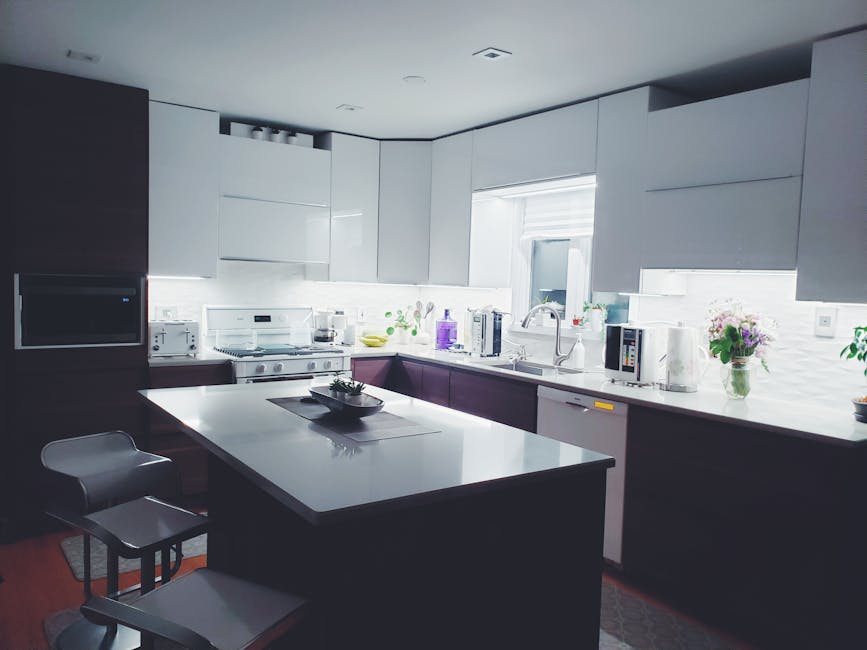
Accent lighting is your chance to add a little drama and highlight specific features of your kitchen island. Think of under-cabinet lights or LED strips along the edges of your island. They can emphasize the island's contours and create visual interest. I once added LED strips under the countertop lip, and it instantly made the island pop. What features of your kitchen island do you want to highlight? By considering these lighting options, you can design a kitchen island that's not only functional but also enhances the overall beauty of your space. Each type of lighting plays a unique role, so think carefully about how they can work together in your kitchen. What are your lighting priorities for your kitchen island?
Color And Finish
Designing a small kitchen island involves more than just size and shape. Color and finish play a crucial role in creating an appealing space. The right palette and texture can transform a simple island into a stunning centerpiece.
Choosing A Palette
Select colors that suit your kitchen's overall theme. Neutral tones like white, grey, and beige often create a timeless look. Bold colors such as navy or emerald can add a modern touch. Consider the mood you wish to evoke. Warm colors make the space feel inviting and cozy. Cool tones can give a sleek and clean vibe.
Surface Textures
Texture adds depth and interest to your kitchen island. Glossy finishes can make a small space appear larger. Matte finishes offer a sophisticated, understated look. Wood grains provide warmth and a touch of nature. Metal finishes can create a contemporary feel. Choose textures that enhance your kitchen's style.
Matching With Decor
Your kitchen island should complement existing decor. Match the island color with cabinet hues for cohesion. Consider countertop materials that blend with your kitchen's elements. Use similar finishes to tie the room together. Accents like stools or pendant lights should harmonize with the island's design.
:max_bytes(150000):strip_icc()/MichelleGersonUESKitchenPhotographerMarcoRicca-2aebd23874364a59a658be9588388a67.jpeg)
Credit: www.thespruce.com
Final Touches
Designing a small kitchen island involves choosing the right size and shape for your space. Consider built-in storage to maximize functionality. Add a touch of style with a unique countertop material or color.
Adding the final touches to your small kitchen island can transform it from a functional piece to a stylish centerpiece. This stage is where your creativity can shine. These last details can make your kitchen feel more personal and inviting.
Decorative Elements
Consider adding a pop of color with a vibrant vase or a bowl of fresh fruit. These items are not only decorative but also practical. You can change them with the seasons to keep your kitchen feeling fresh. Lighting is another crucial element. A statement pendant light above your island can add character and improve functionality. Choose a fixture that complements your kitchen's style. Don't forget about plants. A small herb garden or a few succulents can bring life to your kitchen. Plus, having fresh herbs on hand is always a bonus for cooking.
Personalized Details
Think about what truly reflects you and your family. Maybe you have a collection of beautiful mugs or handmade pottery. Displaying these items can give your kitchen a personal touch. Consider adding a chalkboard or whiteboard on one side of the island. It can be a place for grocery lists, family messages, or even a rotating gallery of kids' artwork. Don't underestimate the power of textures. A woven basket for storage or a soft rug underneath the island can add warmth and depth to the space. What makes a space truly yours? It's often the small, thoughtful details. Share a piece of your story through these final touches, and watch how your kitchen comes to life.
Frequently Asked Questions
What Are The Benefits Of A Small Kitchen Island?
A small kitchen island adds extra counter space and storage. It enhances functionality without overwhelming the area. Islands can also serve as a dining or prep area, making the kitchen more versatile. Additionally, they can increase the aesthetic appeal by being a focal point in the kitchen design.
How To Choose The Best Shape For A Small Island?
Consider your kitchen’s layout and available space. Rectangular islands suit narrow spaces, while L-shaped ones fit corners well. Curved or circular designs can work in open layouts. Ensure the shape allows for easy movement and complements the existing kitchen design for optimal functionality.
What Materials Are Ideal For Small Kitchen Islands?
Choose durable materials like granite, quartz, or butcher block for the countertop. These materials are sturdy and easy to maintain. For the base, consider wood or metal for durability and style. Ensure the materials match or complement your kitchen's overall design for a cohesive look.
Can A Small Kitchen Island Include Appliances?
Yes, small kitchen islands can include compact appliances like microwaves or wine coolers. Choose appliances that fit the island’s size to maintain functionality. Ensure the island has adequate electrical outlets and ventilation. Incorporating appliances maximizes efficiency and can enhance the island's utility in the kitchen.
Conclusion
Designing a small kitchen island can be a fun project. Focus on maximizing space. Choose materials that match your kitchen style. Consider storage options that suit your needs. Think about seating arrangements for comfort. Lighting can highlight your island and improve functionality.
Make sure the design complements the rest of your kitchen. A well-planned kitchen island adds value and efficiency. It enhances both aesthetics and usability. Enjoy the process of creating a space that fits perfectly in your home. Small changes can make a big difference in your kitchen's look and feel.