
Imagine walking into your kitchen and instantly feeling the comforting embrace of warmth and coziness. Your kitchen is more than just a place to cook; it's the heart of your home, where memories are made and shared.
But how do you transform this crucial space into a warm sanctuary that invites and delights every time you step in? This article will reveal the secrets to designing a warm kitchen that not only nourishes the body but also the soul.
By the end, you'll have the tools and inspiration to make your kitchen the inviting haven you've always dreamed of. Ready to discover how a few thoughtful design choices can completely change the atmosphere of your kitchen? Let's dive in!
Color Choices For Warmth
Choosing the right colors can transform your kitchen into a warm and inviting space. Colors have the power to change the mood of a room, and selecting hues that evoke warmth can make your kitchen feel cozy and welcoming. Whether you're renovating or simply refreshing your kitchen's look, understanding how color choices influence the ambiance can guide you in creating a space that feels like home.
Inviting Color Palettes
Creating a warm kitchen starts with choosing a color palette that invites warmth. Consider earthy tones like terracotta, deep orange, and rich browns. These colors can provide a grounded feeling and make the space feel intimate.
Light yellows and soft creams are also great choices. They reflect natural light beautifully, giving your kitchen a sunny disposition even on cloudy days. Picture a morning cup of coffee amidst these gentle hues—it’s an instant mood booster.
Combine these colors with natural wood finishes to enhance the warmth. Wood adds texture and depth, making the colors pop while maintaining a cozy atmosphere. Have you ever noticed how a wooden countertop can tie a room together?
Accent Colors For Coziness
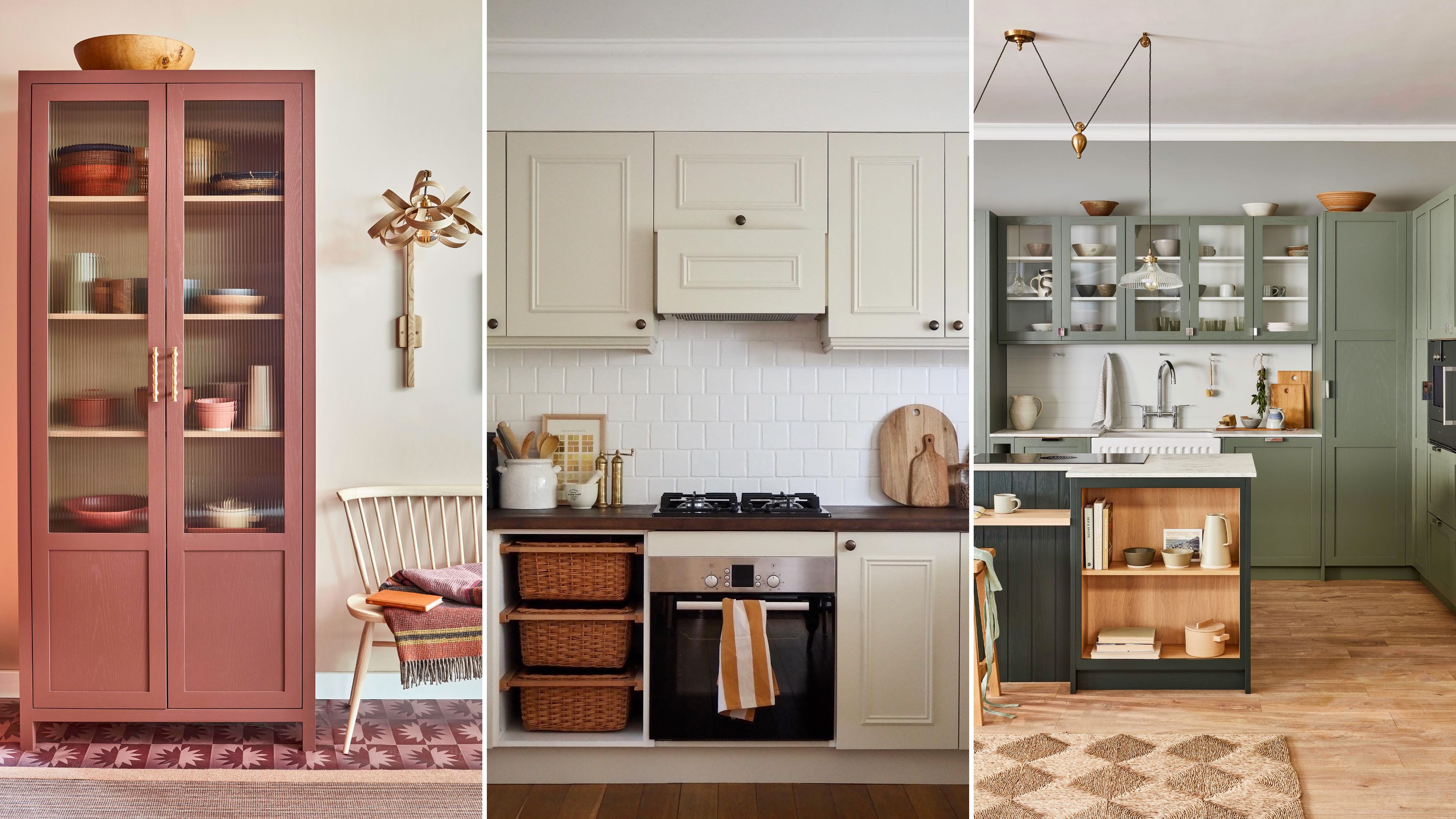
Accent colors can make or break the warmth in your kitchen. Deep reds and muted greens add a layer of coziness that invites you to linger. These accents can be introduced through kitchen accessories or a feature wall.
Consider using bold colors sparingly for a balanced look. A bright red kettle or a green backsplash can serve as focal points without overwhelming the space. These pops of color can draw the eye and create a sense of harmony.
Don't shy away from experimenting with metallics like copper or brass. These add a touch of elegance and warmth, reflecting light in a way that softens the overall look. Have you ever thought about how a copper lamp can change the vibe of an entire room?
Choosing the right colors for your kitchen can be an enjoyable journey. What colors would you feel happiest cooking in? Each choice can help turn your kitchen into a warm haven where memories are made and shared.
:max_bytes(150000):strip_icc()/modern-kitchens-PhotobyChristopherTestaniforRealSimple-31faf2b127c34294bf38b0989cade32e.png)
Credit: www.realsimple.com
Lighting For Comfort
Lighting shapes the atmosphere of your kitchen. It plays a crucial role in making it feel inviting and warm. Proper lighting can elevate your kitchen's design and comfort level. Let's explore some lighting options to create a cozy ambiance in your cooking space.
Ambient Lighting Options
Ambient lighting sets the overall mood. Consider ceiling fixtures like pendant lights for a warm glow. Use dimmable lights to adjust brightness as needed. Wall sconces add elegance and spread soft light. Choose bulbs with warm tones for a cozy feel. LED strips under cabinets can provide gentle illumination.
Task Lighting Enhancements
Task lighting focuses on work areas. Under-cabinet lights help during meal prep. They ensure you see clearly while cooking. Adjustable desk lamps can enhance visibility on kitchen islands. Track lighting allows you to direct beams where needed. Small spotlights can highlight specific zones.
Materials And Textures
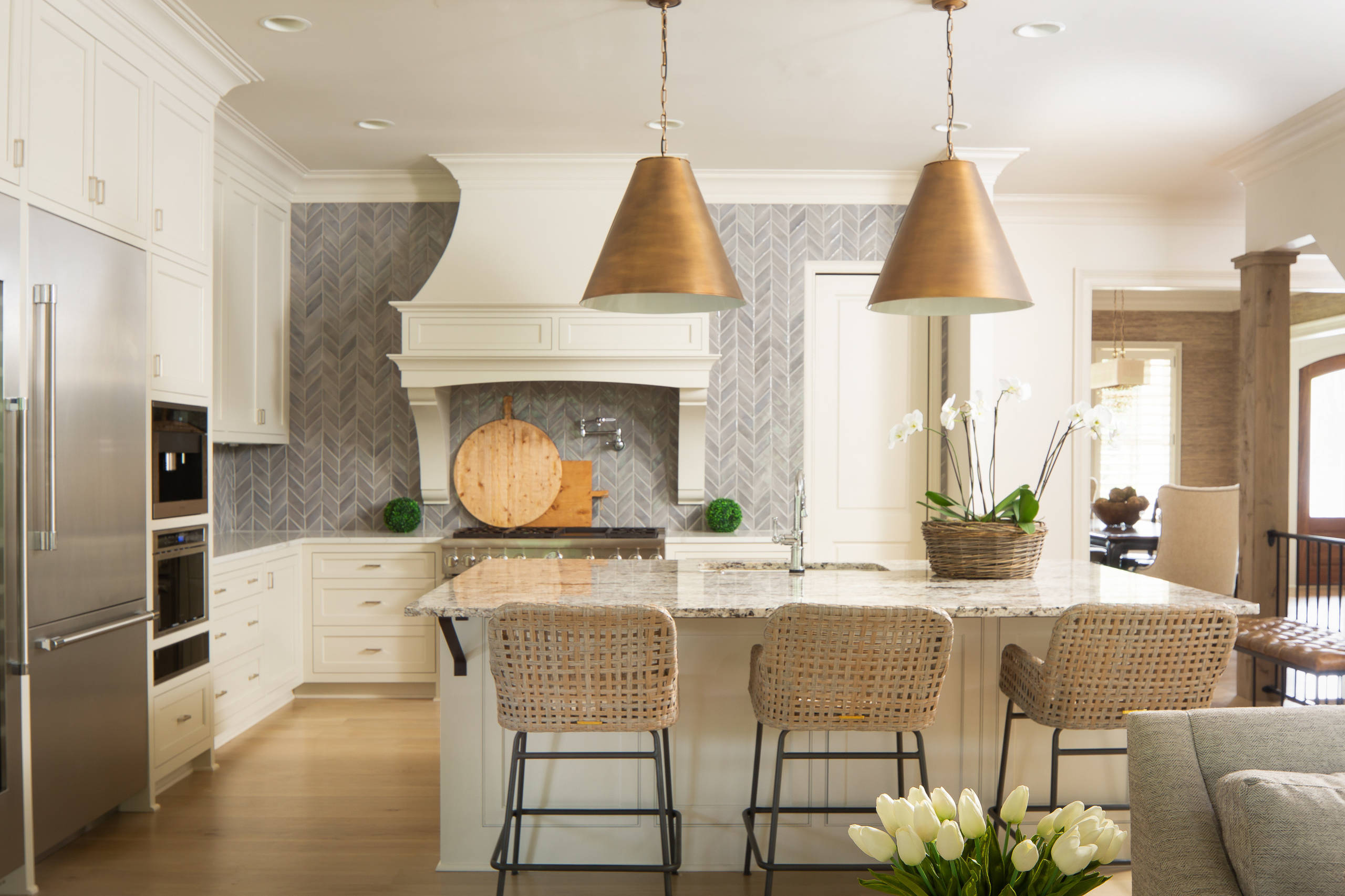
Warm kitchen design thrives on the thoughtful use of materials and textures. Wood cabinets bring coziness, while stone countertops add rustic charm. Soft textiles like curtains and rugs provide a welcoming touch, creating an inviting atmosphere.
Designing a warm kitchen involves more than just choosing the right color palette. It’s about creating a space that feels welcoming and cozy, where family and friends love to gather. One of the most effective ways to achieve this warmth is through the thoughtful use of materials and textures. These elements can transform a cold kitchen into a heartwarming haven.
Wood And Natural Elements
Wood is a timeless choice that instantly adds warmth. Imagine the comfort of stepping into a kitchen with rich, wooden cabinets and a sturdy oak dining table. The natural grain and earthy tones provide a sense of calm and connection to nature. Consider using reclaimed wood for a rustic touch or bamboo for an eco-friendly option. Both can enhance the warmth and character of your kitchen. Mix different types of wood for a layered effect. For instance, pair a walnut butcher block with lighter beechwood shelves. This combination adds depth and intrigue.
Textile Additions For Softness
Introducing textiles can soften the hard surfaces typical of a kitchen. Think about adding a plush rug underfoot or cushioned stools at the breakfast bar. These touches invite you to linger and relax. Curtains or roman shades made from natural fibers like linen can filter sunlight beautifully. They add a gentle texture that complements the wood elements. Don't forget about dish towels and aprons. Choose materials like cotton or linen in warm colors or subtle patterns. These small details can tie the whole look together, making the space feel more lived-in and personal. Have you ever noticed how a simple throw blanket draped over a chair can make a room feel cozier? Apply this concept in your kitchen with textiles that speak to your personal style. What materials and textures have you used in your kitchen that evoke warmth? Share your ideas and inspire others to create their own cozy culinary space.
Credit: www.houzz.com
Furniture And Layout
Designing a warm kitchen involves thoughtful choices in furniture and layout. These elements define the kitchen's functionality and ambiance. The right setup can make your kitchen inviting and practical. Let's explore how to maximize space and comfort in your kitchen.
Space-saving Solutions
Maximize kitchen space with smart storage. Use wall-mounted shelves for extra storage. Choose cabinets that reach the ceiling. This offers more storage and reduces clutter. Consider foldable tables for small kitchens. They save space and offer flexibility.
Opt for compact appliances to free up space. Install pull-out pantry shelves. They provide easy access and save room. A tidy kitchen feels larger and more welcoming.
Comfortable Seating Arrangements
Cozy seating enhances kitchen warmth. Add cushioned chairs for comfort. Consider a breakfast nook with built-in benches. It creates an intimate dining spot. Use stools at the kitchen island. They offer casual seating and save space.
Arrange seats for easy conversation. Ensure everyone has enough elbow room. Comfortable seating makes your kitchen inviting. It encourages gatherings and family bonding.
Decorative Touches
Decorative touches breathe life into a warm kitchen. They transform a simple space into a cozy haven. By incorporating personalized accents and seasonal decor, you can create an inviting atmosphere. These elements reflect your style and warmth. They also make your kitchen a place where everyone feels at home.
Personalized Accents
Add personal touches to your kitchen with unique accents. Display family photos in stylish frames. Use a chalkboard or letter board for daily quotes or messages. Choose kitchenware in your favorite colors or patterns. Personalized mugs, dish towels, or aprons can also add charm. These elements make your kitchen feel uniquely yours.
Seasonal Decor Ideas
Seasonal decor refreshes your kitchen with the changing seasons. For spring, introduce pastel colors with fresh flowers. During summer, use bright fruit bowls or citrus-scented candles. In fall, incorporate warm tones with pumpkins or leaves. Winter calls for cozy textiles like plaid tablecloths or knitted chair covers. Adjusting decor seasonally keeps your kitchen vibrant and inviting.
Functional Yet Cozy
Creating a kitchen that's functional yet cozy is every homeowner's dream. A space where you can cook efficiently and feel comfortable is essential. This balance requires thoughtful design choices. It's about blending practicality with warmth. Let's explore how to achieve this in your kitchen.
Efficient Storage Solutions
Storage is vital in a functional kitchen. Opt for cabinets with pull-out shelves. These help you reach items easily without strain. Consider deep drawers for pots and pans. They offer great space for bulky items. Use vertical dividers to organize lids and trays. This keeps everything tidy and accessible.
Floating shelves can add both style and storage. They give you a spot for decorative items. Glass jars can store pantry essentials. They look great and keep ingredients fresh. Use drawer organizers to separate utensils. This makes finding what you need simple and quick.
Practical Appliances With Style
Choose appliances that are both practical and stylish. Stainless steel is a popular choice. It offers a sleek look and is easy to clean. Consider energy-efficient models to save on costs. A fridge with a built-in water filter is convenient. It also reduces the need for bottled water.
Small appliances can add style to countertops. A colorful toaster or mixer can brighten the space. Match these with your kitchen's color scheme for harmony. Integrated appliances, like dishwashers, blend with cabinetry. This creates a seamless and cozy look.
Credit: www.realhomes.com
Frequently Asked Questions
What Colors Make A Kitchen Feel Warm?
Warm colors like red, orange, and yellow can make your kitchen feel cozy. These colors create a welcoming atmosphere and stimulate appetite. Consider using these shades in accents, walls, or decor to enhance warmth.
How To Add Warmth With Kitchen Lighting?
Use warm-toned LED lights to create a cozy ambiance. Under-cabinet lighting and pendant lights can add depth and warmth. Dimmers allow control over light intensity, enhancing the kitchen's warmth.
What Materials Add Warmth To A Kitchen?
Wood, brick, and natural stone add warmth to a kitchen space. These materials offer a rustic feel and enhance coziness. Incorporate them in cabinets, flooring, or backsplashes for a warm design.
How To Incorporate Textiles For Warmth?
Textiles like rugs, curtains, and cushions add warmth and texture. Choose soft, warm-toned fabrics to enhance coziness. These elements can soften hard surfaces and make the kitchen feel inviting.
Conclusion
Creating a warm kitchen brings comfort and joy to your home. Focus on color and lighting. They make a big difference. Choose warm tones like red, orange, or yellow. Add soft lights for a cozy feel. Use natural materials like wood or stone.
They bring warmth and texture. Keep the layout simple and functional. This ensures easy movement. Decorate with personal touches. Photos or plants add life and warmth. Remember, your kitchen is the heart of your home. Make it inviting and warm.
Enjoy every moment spent cooking and gathering there.