Is your kitchen feeling more like a chaotic mess than a culinary haven? You're not alone.
The heart of the home often becomes a clutter magnet, where gadgets, groceries, and gizmos battle for space. But imagine walking into your kitchen and feeling a sense of calm, where every item has its place and cooking becomes a joy, not a chore.
Sounds like a dream, right? This transformation is within reach, and it starts with understanding the secrets to organizing clutter effectively. In this guide, we'll uncover simple yet powerful strategies to reclaim your kitchen space. Ready to turn chaos into order and make your kitchen work for you? Keep reading, and discover how a few changes can lead to big results. Your dream kitchen is just a few steps away.
Decluttering Strategies
Organizing kitchen clutter involves using baskets for grouping similar items and utilizing drawer dividers for utensils. Labeling containers helps identify contents quickly. Regularly checking pantry items prevents expired products from accumulating. Storing frequently used items within easy reach enhances kitchen efficiency.
Decluttering your kitchen can feel like a daunting task, but with the right strategies, it becomes manageable and even enjoyable. Imagine opening your cabinets and seeing only what you need and love—no more digging through piles or feeling overwhelmed by chaos. Let’s dive into some effective decluttering strategies that will transform your kitchen into a space of efficiency and calm.
Sorting Essentials
Start by categorizing your kitchen items. Group together similar items like pots and pans, utensils, and dishes. This way, you can easily assess what you have. Consider whether each item is genuinely essential. Ask yourself, "Do I use this regularly?" If the answer is no, it might be time to let it go. Create a simple table to track your items. List what you own and mark what’s used frequently. This visual will help you make informed decisions about what to keep.
Donation And Disposal
Once you’ve sorted, it’s time to decide on donation or disposal. Many items gather dust but could be treasures for someone else. Identify items that are in good condition but rarely used. These can be donated to local charities or friends who might appreciate them. For items that are broken or beyond repair, consider disposal. Remember, holding onto broken things only adds to clutter. Are you holding onto anything just in case?
Daily Decluttering Habits
Decluttering isn’t a one-time event; it’s a habit. Implement simple daily practices to maintain order in your kitchen. Set aside a few minutes each day to tidy up. Put away items after use and wipe down surfaces. This keeps clutter from creeping back in. Involve your family in the process. Encourage everyone to return items to their rightful places. This shared responsibility makes decluttering less of a chore. What small change can you make today to start decluttering your kitchen? By adopting these strategies, you’ll find your kitchen becomes not just a space for cooking, but a haven of simplicity and joy.
:max_bytes(150000):strip_icc()/211116-MV-Neat_030-1-26d53691f43448a1b92fe66d56bd30d0.jpeg)
Credit: www.thespruce.com
Optimizing Storage Space
Tidy up kitchen clutter by organizing pots, pans, and utensils. Group similar items together for easy access. Use shelves, racks, and containers to maximize space efficiently.
Optimizing storage space in the kitchen can transform chaos into calm. Efficient storage solutions make cooking easier and more enjoyable. Clear countertops and organized cabinets enhance the kitchen's functionality. Discover strategies to use space wisely and reduce clutter.
Maximizing Cabinet Use
Cabinets often hold a jumble of items. Begin by sorting pots, pans, and dishes. Group similar items together. Use stackable shelves to create more layers. Store less-used items in the back. Use the cabinet doors for hanging small utensils. Hooks and racks can hold measuring spoons and oven mitts. Consider pull-out drawers for easy access to deep cabinets.
Utilizing Vertical Space
Vertical space is frequently overlooked. Install wall-mounted shelves for storing spices and oils. Use magnetic strips to hold knives and scissors. Hang pots and pans on wall hooks. Stack containers and jars to save counter space. Mounting pegboards can organize small tools and gadgets. Keep everyday items within easy reach.
Drawer Organization Solutions
Drawers can quickly become messy. Insert dividers to separate utensils and gadgets. Use small bins for loose items like clips and rubber bands. Label each section for quick identification. Store frequently used utensils in the front. Deep drawers can hold larger items like mixing bowls. Roll-out trays provide easy access to items at the back.
Smart Kitchen Tools
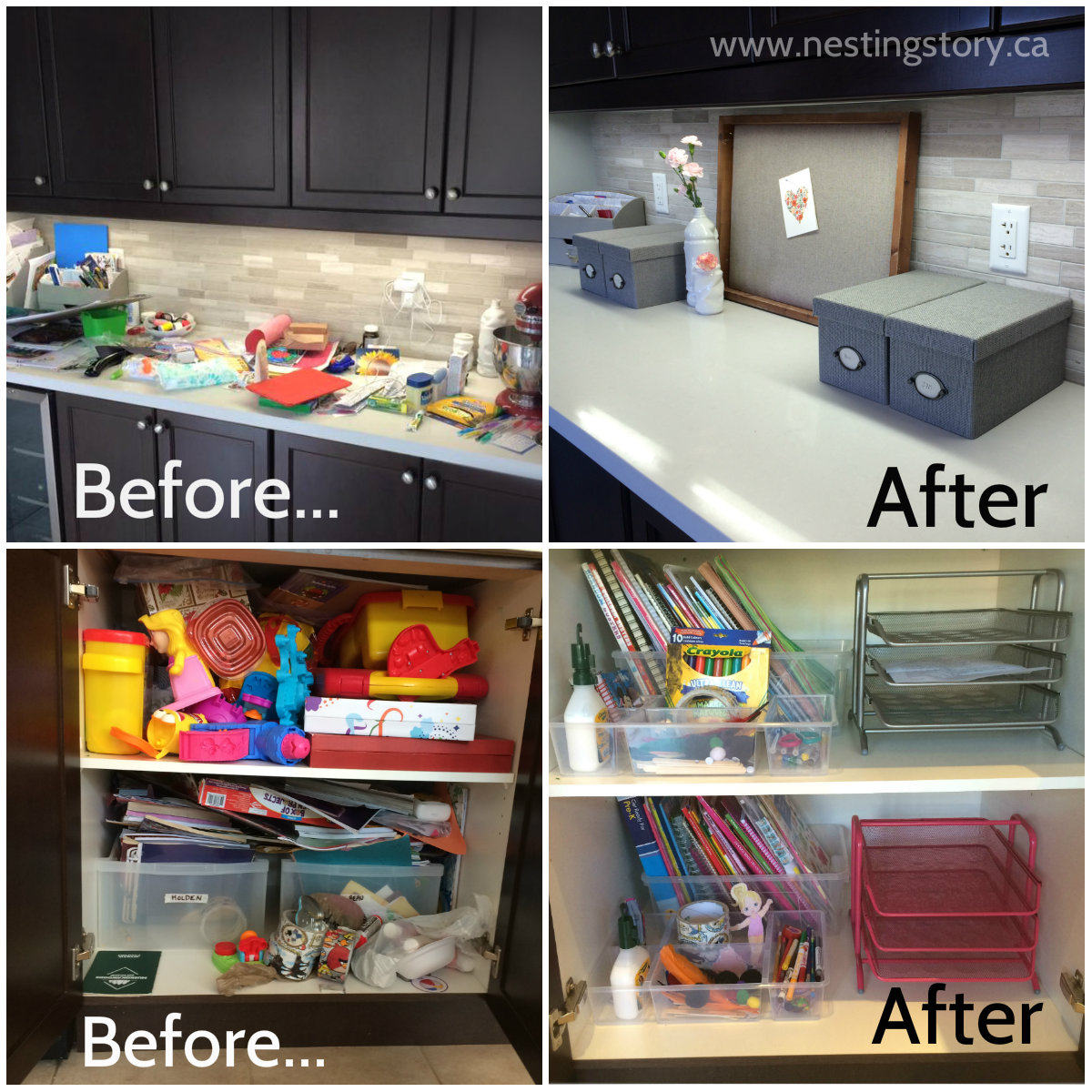
Organizing clutter in the kitchen can be a daunting task, but smart kitchen tools can transform your space into a tidy and efficient haven. Imagine opening your cabinets to find everything neatly stored and easily accessible. Smart tools aren't just about technology; they're about clever designs that maximize your space and simplify your life.
Space-saving Appliances
Have you ever found yourself juggling pots and pans just to access your blender or toaster? Space-saving appliances are your answer. These compact wonders fit snugly into your kitchen without hogging precious counter space.
- Stackable Cookware:Opt for pots and pans that nestle together, freeing up cupboard space.
- Foldable Toasters:Some models fold flat when not in use, making storage a breeze.
Think about how much easier cooking would be if everything had a designated spot. These appliances can make that dream a reality.
Multi-functional Gadgets
Why clutter your kitchen with single-use gadgets when multi-functional ones can do the job? These tools are designed to perform multiple tasks, reducing the need for excess items.
- Instant Pot:It’s not just a pressure cooker; it’s a slow cooker, rice cooker, and steamer all in one.
- Mandoline Slicer:It slices, dices, and grates, helping you prep meals faster and with fewer tools.
Next time you're tempted to buy another single-use gadget, ask yourself: How often will I use this? Multi-functional tools offer versatility and can save you both space and money.
Organizing your kitchen doesn't have to be a chore. Embrace smart kitchen tools to create a clutter-free environment. Imagine the satisfaction of knowing exactly where everything is without having to search through chaos. What smart tools will you add to your kitchen?
Credit: nestingstory.ca
Efficient Pantry Organization
Efficient pantry organization can transform your kitchen space. It makes cooking easier. Finding ingredients becomes quick and simple. A well-organized pantry reduces waste. It ensures you use all food items before they expire. Let's explore how you can categorize, label, and manage your pantry inventory effectively.
Categorizing Food Items
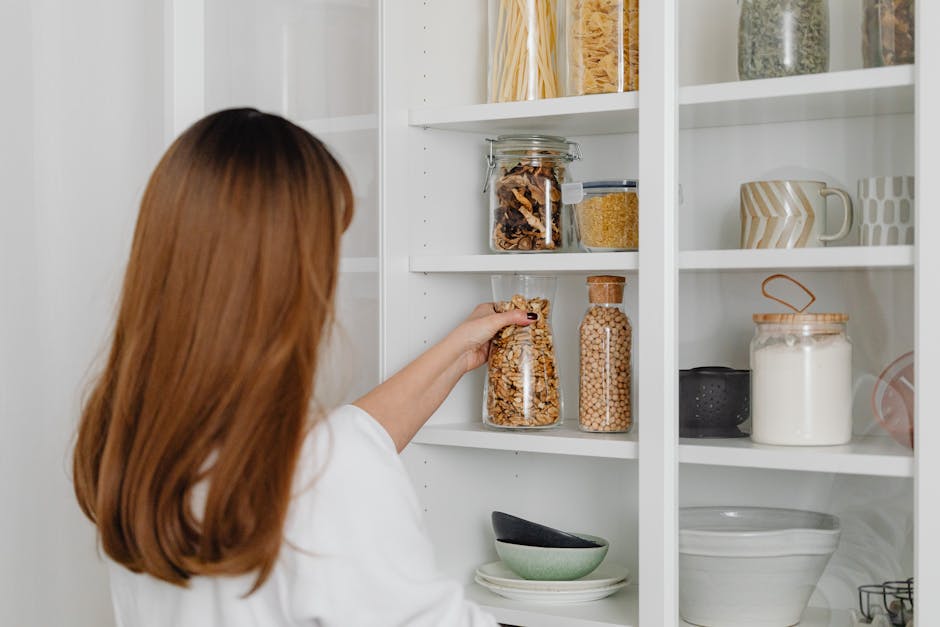
Start by sorting food into categories. Group similar items together. Place grains with grains, canned goods with canned goods. It helps in locating items faster. Use baskets or bins for loose items. This keeps shelves tidy and accessible. Organizing by category also makes restocking a breeze.
Labeling And Containers
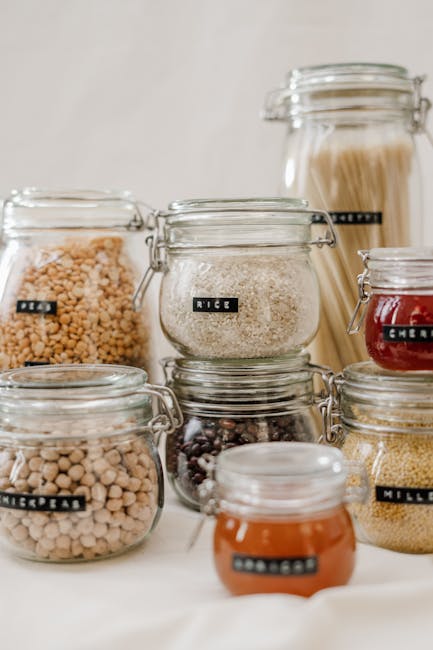
Labels are your pantry’s best friend. Clearly label every container. Use large, readable fonts. This prevents confusion and saves time. Opt for transparent containers. They let you see contents easily. Uniform containers create a neat look. They maximize shelf space efficiently.
Inventory Management Tips
Keep track of pantry items regularly. Use a simple checklist system. Note down what’s running low. Check expiration dates frequently. Arrange items by expiry date. Older items should be at the front. This ensures nothing goes to waste. Consider using apps for inventory management. They make tracking more convenient.
Creating Functional Zones
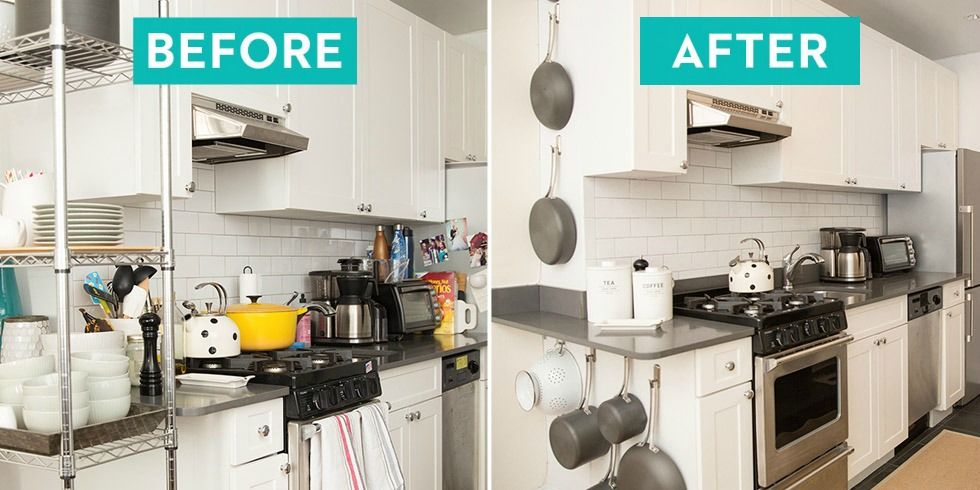
Organize kitchen clutter by creating functional zones. Designate areas for cooking, cleaning, and storage. Use labeled containers and shelves. Maximize space with hooks and racks. Simplify access to utensils and ingredients. Ensure a tidy, efficient kitchen environment.
Creating functional zones in the kitchen can make a big difference. It helps in reducing clutter and boosts efficiency. By defining specific areas for tasks, you maximize space and streamline operations. Each zone serves a unique purpose. Let’s explore how to create effective functional zones.
Cooking And Baking Areas
Designate a specific spot for cooking and baking. Store pots, pans, and utensils near the stove. Keep baking sheets and mixers in a nearby cabinet. Arrange spices and oils within arm's reach. This setup keeps essentials handy and minimizes movement. A clutter-free cooking area enhances your culinary experience.
Cleaning And Waste Management
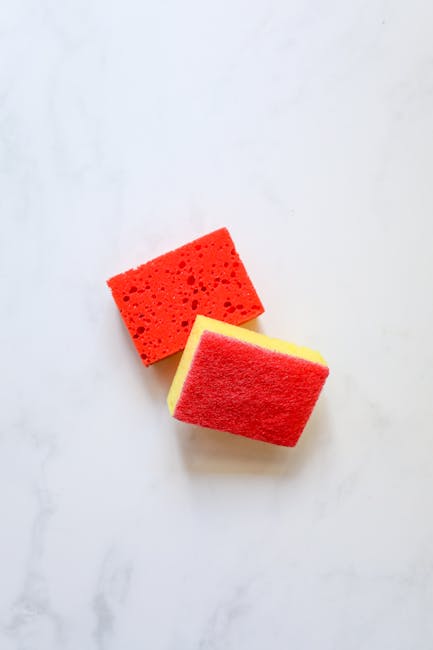
Set up a cleaning zone near the sink. Store dish soaps, sponges, and towels under the sink. Place a waste bin and recycling container nearby. This arrangement simplifies cleaning tasks. A tidy cleaning area promotes hygiene and reduces stress.
Meal Prep And Snack Stations
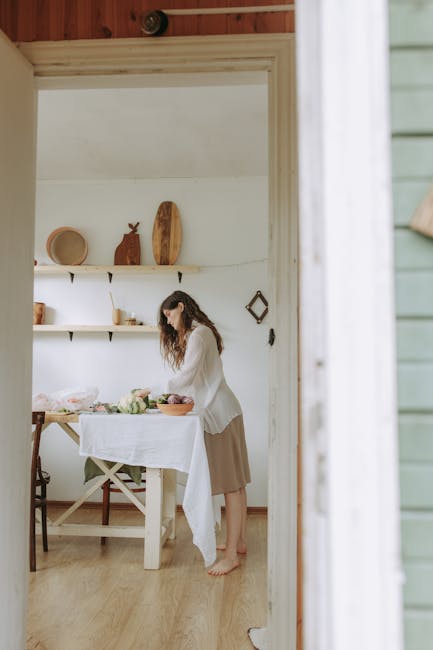
Create a meal prep zone with a clear countertop. Store cutting boards, knives, and mixing bowls nearby. Organize snacks in a designated spot. Use clear jars or bins for easy access. This setup encourages healthy eating habits. A well-organized prep area saves time and energy.
Credit: www.housebeautiful.com
Maintaining Order
Transforming a cluttered kitchen into a tidy space involves smart storage solutions and decluttering techniques. Shelves, baskets, and drawer organizers help keep items accessible and orderly. Regularly sorting and discarding unused items maintains a streamlined, efficient kitchen environment.
Maintaining Order in your kitchen is an ongoing process, essential for a stress-free cooking experience. It’s not just about tidying up once and hoping it sticks. You need a system that evolves with your lifestyle and family needs. This section breaks down simple strategies to keep your kitchen clutter-free and functional.
Regular Cleaning Routines
Set aside time each week for a thorough clean-up. A consistent schedule helps prevent clutter from piling up. Consider dedicating Saturday mornings to wiping down countertops, organizing pantry items, and checking expiry dates. You'll be amazed at how less daunting cooking becomes when you know everything is in its place.
Family Involvement
Engage your family in maintaining kitchen order. Assign simple tasks like clearing the table or putting away groceries. Make it a fun family challenge—who can sort the cutlery faster or stack the plates neatly? Involving everyone not only reduces your workload but also teaches valuable organizational skills. Are your kids more inclined to help if they get to pick the dinner menu once a week? Try it out!
Periodic Reassessment
Regularly reassess your kitchen layout and storage. What worked six months ago might not be efficient now. Ask yourself, is that top shelf really the best place for daily-use items? Are you holding onto gadgets you never use? Take time every few months to review and adjust your system. You’ll find new ways to optimize space and enhance functionality. Does your current setup support your cooking habits or hinder them? Think about it. Maintaining order in your kitchen is not a one-time effort but a continuous journey. Keep it engaging and adaptable, and watch your kitchen transform into a haven of efficiency.
Frequently Asked Questions
How Can I Organize Kitchen Countertops Effectively?
Start by clearing your countertops of non-essential items. Use trays or baskets to group similar items together. Utilize vertical space with shelves or wall-mounted organizers. Keep frequently used items within easy reach for convenience. Regularly declutter to maintain an organized and functional kitchen space.
What Are Some Tips For Decluttering Kitchen Cabinets?
Begin by emptying cabinets and sorting items into categories. Discard or donate items you no longer use. Use organizers such as racks, bins, and dividers to maximize space. Label shelves for easy access and maintain cleanliness. Regularly assess contents to prevent clutter from accumulating over time.
How Do I Optimize Kitchen Drawer Space?
Use drawer dividers to separate utensils and tools. Consider custom inserts for specific items like cutlery or gadgets. Keep only necessary items in drawers, avoiding overcrowding. Regularly review contents to ensure everything is in its designated place. This helps maintain order and ease of access.
What Are Some Smart Storage Solutions For Small Kitchens?
Utilize vertical space with wall-mounted shelves and hooks. Install pull-out pantry cabinets for easy access. Use stackable containers to maximize cupboard space. Consider furniture with built-in storage, like benches or tables. Regularly declutter to maintain a tidy and efficient small kitchen.
Conclusion
Creating a clutter-free kitchen is achievable. Start with sorting items. Donate or discard things you no longer need. Use labeled containers for organization. Keep frequently used items accessible. Utilize vertical space with shelves. Maintain cleanliness by wiping surfaces regularly. Arrange items in categories for easy finding.
Make it a habit to tidy up daily. This keeps your kitchen functional and pleasant. A neat kitchen enhances cooking experience. Enjoy more efficiency and less stress. Embrace simplicity and order. Your kitchen can be a welcoming space. Happy organizing!