Are your kitchen cupboards overflowing with chaos? Do you find yourself rummaging through clutter just to find that one elusive spice jar or mismatched lid?
You're not alone. Many of us struggle with keeping our kitchen cupboards organized, but there's good news. You can transform your cupboards into a model of efficiency and order with just a few simple steps. Imagine opening those cupboard doors to a neatly arranged space where everything has its place and is easy to find.
This isn't just about tidiness; it's about making your daily life smoother and more enjoyable. Stick with us, and you'll discover the secrets to turning your kitchen chaos into a masterpiece of organization. Let's dive in and make your kitchen work for you!
Assessing Your Space
Assessing cupboard space involves checking shelf heights and depths. Group items by function for easy access. Place frequently used items in front for quick retrieval.
Organizing your kitchen cupboards can transform your cooking space and make meal preparation more efficient. Before you start arranging, you need to assess your space. Knowing exactly what you have and the space available is crucial for a successful organization.
Measure Your Cupboards
Grab a tape measure and note down the dimensions of each cupboard. Knowing the exact size helps in planning what can fit where. Remember, it's not just about width; depth and height matter too.
Evaluate Your Inventory
Take everything out of your cupboards. Assess what you have—dishes, pots, pans, and pantry items. This gives you a clear picture of what needs to go back in and helps you decide what might need a new home.
Identify High-traffic Areas
Consider which areas of the kitchen you use most. Are your frequently used items easily accessible? Position your everyday essentials within arm’s reach for a smoother cooking experience.
Set Priorities Based On Usage
Group items based on how often you use them. Rarely used items can be placed in the harder-to-reach spots. Think about how often you host parties or bake; adjust your cupboard content accordingly.
Consider Future Needs
Think about your future cooking plans. Are you planning to try out new recipes that require more pots and pans? Leave some space for growth so you’re not cramming new items later.
Think Vertically
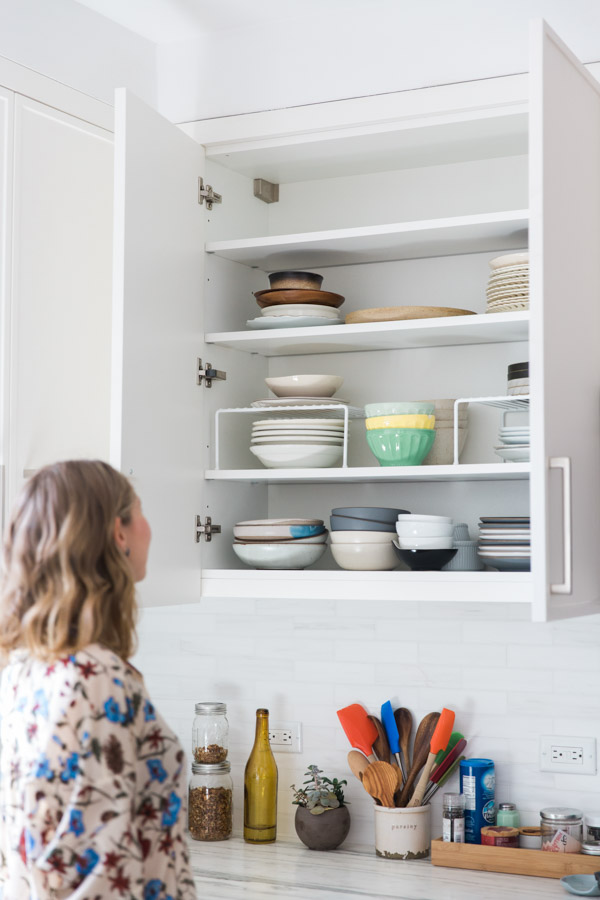
Don’t let vertical space go to waste. Use stackable shelves or risers to maximize cupboard space. This way, you can keep more items within easy reach without cluttering your counters.
Ask Yourself: What Can I Let Go?
Do you really need four identical spatulas? Letting go of duplicates or unused items can free up significant space. Donate what you don't use and keep only what you truly need. By assessing your space thoughtfully, you not only make your kitchen more functional but also a more enjoyable place to cook. Have you ever thought about how a simple reorganization could change your kitchen experience?
:strip_icc()/kitchen-pantry-snacks-c2bb5c24-7b13dec53fc446c8ad1ae36763639f30.jpg)
Credit: www.bhg.com
Decluttering Essentials
Transform kitchen cupboards into organized spaces with decluttering essentials. Sort items by use and frequency. Use clear containers and labels for easy access and identification.
Decluttering your kitchen cupboards is the first step towards a more organized and efficient cooking space. Imagine opening a cupboard and knowing exactly where everything is. No more rummaging through piles of mismatched containers or expired food items. It's possible, and it starts with decluttering essentials.
Identify And Remove Expired Items
Begin by checking expiration dates. You might be surprised at how many expired spices or canned goods are lurking in the back of your cupboards. Removing these not only clears space but also ensures you're using fresh ingredients.
Group Similar Items Together
Think of categories like baking supplies, canned goods, or snacks. Grouping similar items allows you to quickly find what you need. Plus, it prevents overbuying because you can easily see what you already have.
Decide What You Really Need
Ask yourself, do you really need five spatulas or three sets of measuring cups? Consider donating or recycling duplicates. Keeping only essentials can free up valuable space and simplify your cooking process.
Use Clear Storage Containers
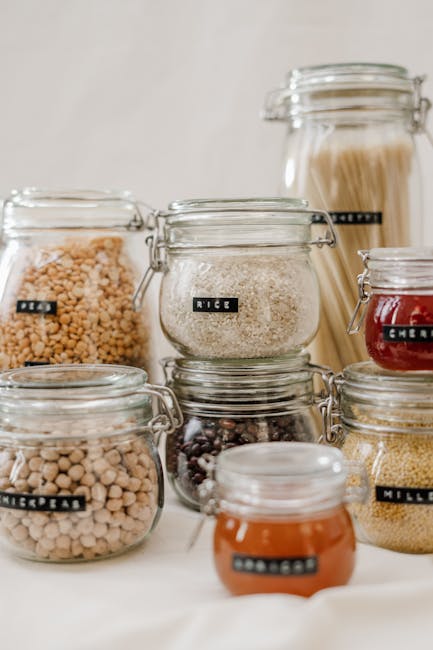
Clear containers help you see what's inside without opening them. They are perfect for organizing pasta, grains, and snacks. Investing in good quality containers can make a big difference in maintaining order.
Label Everything
Labels are your best friend in an organized kitchen. They save time and prevent confusion. Label shelves, containers, and even drawers to keep everything in its place.
Reflect On Personal Habits
Think about your cooking habits. Do you often buy ingredients you rarely use? Adjust your shopping habits to avoid clutter. This reflection can lead to a more mindful approach in your kitchen.
Commit To Regular Maintenance
Decluttering isn’t a one-time event. Make it a habit to regularly check your cupboards for expired items or things you no longer use. Regular maintenance keeps your kitchen running smoothly. Engaging in these decluttering essentials can transform your kitchen cupboards from chaotic to calm. How will you start your decluttering journey today?
Categorizing Kitchen Items
Organizing your kitchen cupboards can transform your cooking space into a haven of efficiency and ease. The key is to categorize kitchen items, which simplifies the process of finding what you need when you need it. Imagine opening a cupboard and immediately spotting the exact spice or utensil you're looking for. No more rummaging around and wasting time. By categorizing, you create a system that works for you and your cooking style.
1. Group Similar Items Together
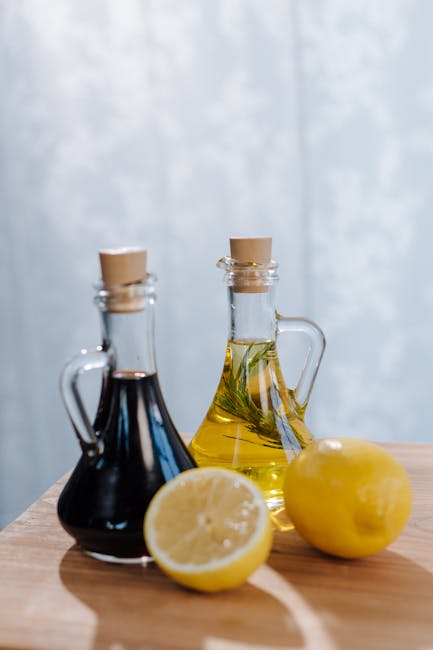
Start by grouping similar items together. Place all your baking supplies on one shelf, and cooking oils and vinegars on another. It’s like giving each item its own little neighborhood. This makes it easy to locate things and ensures you’re not left searching for that elusive bottle of vanilla extract.
2. Use Clear Containers
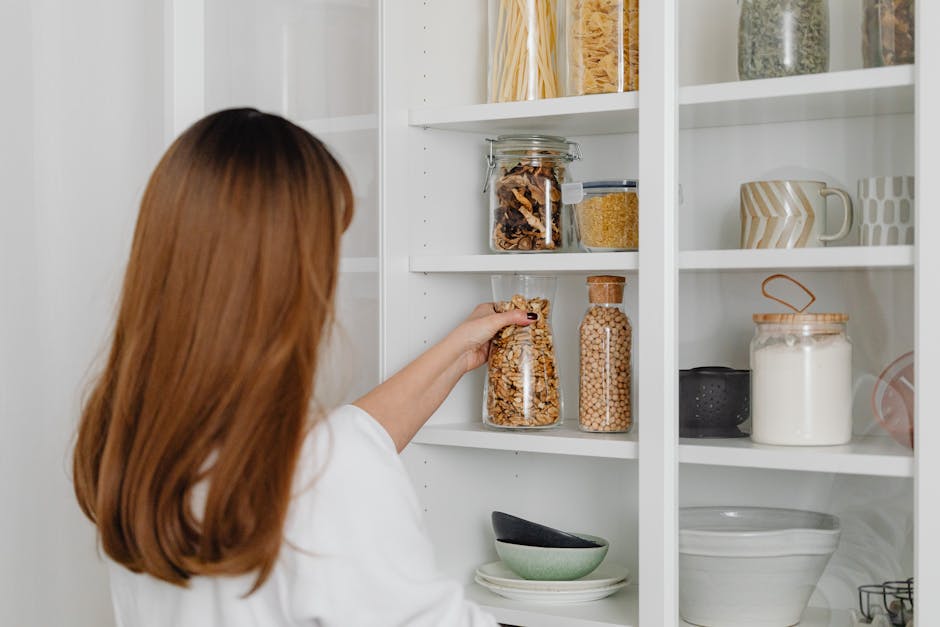
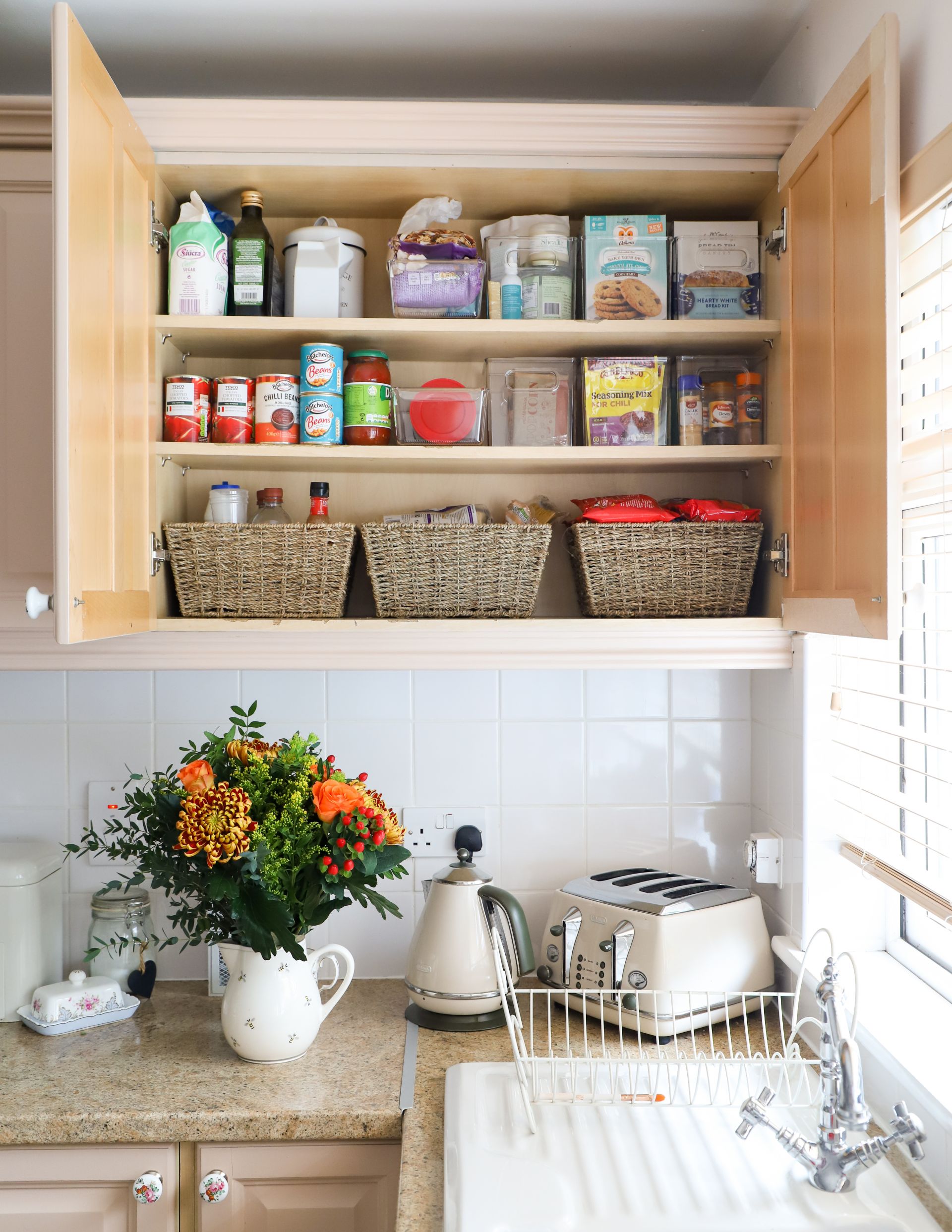
Consider using clear containers for dry goods like pasta, rice, and flour. This not only keeps your items fresh but also lets you see exactly what you have at a glance. There’s something satisfying about seeing everything lined up neatly in matching containers.
3. Label Everything
Labels can be your best friend in maintaining order. They eliminate the guesswork. If you’ve ever accidentally sprinkled salt instead of sugar, you know the importance of labeling. Use simple labels to identify the contents and expiration dates, ensuring you use items before they go bad.
4. Prioritize Accessibility
Think about what you use most often and place those items within easy reach. Keep frequently used spices, oils, and utensils in the front. Less-used items can go toward the back or on higher shelves. This saves you from unnecessary climbing or reaching.
5. Consider Your Cooking Habits
Your kitchen organization should reflect your cooking habits. If you love to bake, dedicate a section of your cupboard to baking tools and ingredients. If you’re more of a stove-top chef, keep pans and seasoning close. It’s all about creating a space that caters to your unique needs.
6. Rotate Items Regularly
Every few months, take time to rotate items. This helps you keep track of what you have and prevents wastage. You might discover forgotten treasures in the back of your cupboard. It's a chance to evaluate what you actually use, versus what is just taking up space.
Organizing your kitchen cupboards through categorizing items can be a game-changer. It’s a strategy that saves time and reduces stress. What's your favorite tip for keeping your kitchen organized? Share your thoughts and experiences in the comments below!
Credit: www.daintydressdiaries.com
Efficient Storage Solutions
Finding efficient storage solutions in your kitchen cupboards can transform your cooking space into an organized and stress-free zone. Imagine opening your kitchen cupboards and knowing exactly where everything is. With smart strategies, you can maximize space and make your daily tasks easier. Let's dive into some actionable tips that will help you achieve a clutter-free kitchen.
Utilizing Vertical Space
Have you ever noticed the unused space between shelves? This area can be a goldmine for extra storage. By adding stackable shelves, you can create additional layers for storing plates, bowls, or canned goods. Hooks can also be a great addition for hanging mugs or utensils.
Consider using tension rods vertically to store cutting boards or baking sheets. This keeps them upright and easy to access. Imagine how much more space you could free up by stacking pots and pans on tiered racks. Think about what you could do with all that extra room!
Choosing The Right Containers
Containers can be a game-changer for your cupboards. Opt for clear, stackable containers to store dry goods like pasta, rice, or snacks. This not only keeps them fresh but also helps you see when you're running low.
Labeling containers can help you quickly identify contents without opening them. Choose containers that fit well in your space; sometimes square ones fit better and maximize shelf space compared to round ones. Have you ever thought about the difference it could make in your daily routine?
Incorporating Drawer Dividers
Drawers can quickly become a chaotic mess. Drawer dividers can sort utensils, kitchen gadgets, or even spices, making everything easy to find. Adjustable dividers can be customized to fit your specific needs.
Try sorting items by frequency of use. Keep everyday utensils upfront and special occasion items towards the back. Think about how much time you’ll save during meal preparation when everything has a designated spot.
By applying these efficient storage solutions, your kitchen can become a well-organized and enjoyable space. What changes are you excited to make in your kitchen cupboards today?
Optimizing Accessibility
Organizing kitchen cupboards is essential for a functional cooking space. An optimized arrangement ensures you find what you need quickly. Prioritizing accessibility minimizes stress during meal preparations. Consider the frequency of use and seasonal needs for effective organization.
Frequently Used Items
Place everyday items within easy reach. Store them at eye level or on lower shelves. This includes plates, bowls, and cups. Keep pots and pans near the stove. Store utensils in a drawer close to your prep area. This setup saves time and effort while cooking.
Seasonal And Specialty Tools
Assign a spot for seasonal tools you use occasionally. Store them on higher shelves or in the back. Items like holiday baking dishes and summer grilling tools fit here. Consider using labeled bins for specialty gadgets. This keeps them organized yet accessible when needed.
Credit: feedmephoebe.com
Labeling And Organizing
Efficiently organize kitchen cupboards by sorting items into categories. Use labels for easy identification and quick access. Arrange frequently used items within reach, ensuring a clutter-free and functional space.
Organizing your kitchen cupboards can transform your cooking space from chaotic to calm. One key aspect of achieving this is through effective labeling and organizing. This process doesn't just make your kitchen look neat; it also saves you time and effort when you're hunting for ingredients or kitchen tools. By creating a system that works for you, you can streamline meal preparation and make cooking a more enjoyable experience. Let's dive into how you can achieve this with some simple yet effective strategies.
Labeling: A Simple Step With Big Impact
Start by labeling your containers and shelves. Use clear, bold labels that are easy to read at a glance. This eliminates guesswork and helps everyone in the household know where things belong. If you're not a fan of sticky labels, consider using a label maker or chalkboard labels that can be wiped clean and reused. You might find this particularly handy for items that change frequently. Keep in mind, labeling isn't just for containers; shelves and drawers benefit too.
Categorizing: Group Items For Efficiency
Think about how you use your kitchen and categorize items accordingly. Group similar items together, like spices, baking supplies, or canned goods. This way, you can easily locate what you need without rummaging through everything. Consider creating zones within your cupboards. For instance, have a breakfast zone with cereals and spreads, or a baking zone with flour and sugar. This logical setup mimics grocery store aisles and makes finding items intuitive.
Maintain Visibility: Avoid Hidden Surprises
Visibility is key to good organization. Use transparent containers so you can see contents at a glance. This is particularly useful for dry goods like pasta, rice, and beans. Avoid deep stacking of items where possible. It can be frustrating to forget about items hidden at the back. Opt for tiered shelf organizers or lazy Susans to keep everything in view and within reach.
Adjusting With Flexibility: Adapt As You Go
Your needs might change over time, and your organization should too. Be open to adjusting your system as necessary. Perhaps you now bake more than before, and your baking supplies need more space. In my own kitchen, I found that rearranging shelves seasonally helped accommodate changing habits. During holiday seasons, for example, I move baking supplies to more accessible locations. Does your current setup support your cooking habits, or could a few tweaks make your kitchen more efficient? Remember, organizing your kitchen cupboards is not just about tidiness. It's about creating a space that works for you and makes your time in the kitchen more enjoyable. With clear labels and a thoughtful arrangement, you can turn your cupboards into a model of efficiency and ease.
Maintaining Order
Keeping your kitchen cupboards organized brings peace and efficiency. A well-organized cupboard saves time and reduces stress. Maintaining this order requires simple routines and periodic checks. With a few steps, your kitchen can stay tidy and functional.
Regular Cleaning Routine
A regular cleaning routine is key to maintaining order. Begin by emptying the cupboards. Wipe down shelves with a damp cloth. This removes dust and spills. Ensure all surfaces are dry before replacing items. Check each item for expiration dates. Discard anything past its prime. This keeps your food storage safe and fresh.
Periodic Reassessment
Periodic reassessment helps keep your cupboards efficient. Review the contents every few months. Identify items you no longer use. Donate or discard them. Adjust the arrangement if necessary. Store frequently used items within easy reach. Reassess your storage solutions. Ensure they still meet your needs. Consider adding baskets or dividers. These tools can help maximize space and maintain order.
Expert Tips And Tricks
Organizing kitchen cupboards can simplify your cooking routine. It also maximizes space and keeps your kitchen tidy. Experts have shared their tips to make this task easier. Let's dive into some practical advice.
Sort And Categorize
Group similar items together. Place pots and pans in one section. Store spices and seasonings in another. This method helps find items quickly. It also maintains order.
Use Clear Containers
Clear containers show contents at a glance. They reduce clutter and enhance visibility. Store dry goods like rice and pasta in them. Label them for easy identification.
Adjust Shelves
Adjust shelves to fit your items. This creates more space. Tall bottles or jars need higher shelves. This flexibility accommodates different sizes.
Utilize Vertical Space
Vertical space in cupboards often goes unused. Use stackable shelves or racks. They increase storage capacity. Store less-used items higher up.
Keep Essentials Handy
Place frequently used items within reach. Store cooking oils and utensils near the stove. This saves time during meal preparation. It also makes cooking more efficient.
Regular Decluttering
Declutter cupboards regularly. Remove expired or unused items. This frees up space for new purchases. It also keeps cupboards organized.
Invest In Organizers
Organizers streamline storage. Use drawer dividers for utensils. Install lazy susans for condiments. These tools enhance accessibility and order.
Maximize Corner Cupboards
Corner cupboards often hold wasted space. Use rotating trays or carousels. They provide easy access. They also maximize storage in tricky areas.
Sustainable Practices
Organizing kitchen cupboards promotes sustainable practices by reducing waste and maximizing space. Store items in clear containers for easy visibility and accessibility. Group similar items together, like spices or canned goods, to streamline cooking and minimize clutter.
The way you organize your kitchen cupboards not only affects the aesthetics and functionality of your space but also plays a significant role in promoting sustainability. Adopting sustainable practices in your kitchen can lead to a more eco-friendly lifestyle, reducing your environmental footprint and helping you make the most of your resources. Let's dive into some practical ways you can organize your cupboards with sustainability in mind.
Eco-friendly Storage Options
Think about using glass jars or stainless steel containers for storing food items. These materials are durable and can be reused for years, reducing the need for plastic. Consider bamboo or wooden racks for organizing spices or small kitchen tools. They are not only stylish but also biodegradable and renewable. Repurpose old boxes or baskets as storage solutions. This not only keeps them out of the landfill but also adds a unique touch to your kitchen decor.
Minimizing Waste
Arrange your cupboards to ensure older items are at the front, so you use them first and reduce food waste. This simple change can make a big difference in how much food you throw away. Label your containers with expiration dates to keep track of what's going bad soon. This helps in planning meals and using up items before they spoil. Use a compost bin to dispose of organic waste like vegetable peels or coffee grounds. If you have a garden, this compost can nourish your plants, closing the loop on waste. Have you ever thought about how much packaging waste comes into your home? Reducing this starts with how you store and organize your kitchen supplies. By focusing on sustainable practices, you can create a kitchen that’s not only tidy but also kind to the planet.
Frequently Asked Questions
How Do I Start Organizing Kitchen Cupboards?
Begin by emptying all contents and sorting them. Categorize items by frequency of use and type. Clean the shelves thoroughly before placing items back. Use organizers like baskets or dividers to maximize space and maintain order. Label shelves if necessary to simplify future organization efforts.
What Are The Best Storage Solutions For Small Cupboards?
Use vertical space efficiently with stackable shelves or racks. Utilize clear containers for visibility and easy access. Install hooks or door-mounted organizers for additional storage. Consider rotating trays for spices and smaller items. Maximize corner spaces with lazy Susans or pull-out units for easy reach.
How Can I Keep Cupboards Clutter-free?
Regularly declutter by removing unused or expired items. Store frequently used items within easy reach. Use designated bins or baskets for similar items to maintain order. Implement a labeling system for easy identification. Periodically review contents to ensure everything is organized and accessible.
How To Organize Pots And Pans In Cupboards?
Use a pot rack or vertical organizer for easy access. Stack pans and lids separately to save space. Consider pull-out drawers for heavy items. Use dividers to prevent scratches and maintain order. Store frequently used pots and pans near the stove for convenience.
Conclusion
Organizing kitchen cupboards brings order and peace to your cooking space. Simple steps can make a big difference. Keep items you use often within easy reach. Group similar items together for efficiency. Use clear containers for better visibility. Labels help you find things quickly.
Regularly check and remove expired goods. This keeps your kitchen fresh and tidy. With a little effort, your cupboards stay neat. An organized kitchen makes cooking more enjoyable. Try these tips to maintain a pleasant and functional space. You’ll love how a tidy kitchen feels.