Is your kitchen a chaotic mess every time you open a cabinet? You’re not alone.
Disorganized kitchen cabinets can turn meal prep into a stressful experience, leaving you frustrated and wasting precious time. Imagine opening your cabinets to find everything neatly in place, making it easy to grab exactly what you need without the headache.
Sounds like a dream, right? In this guide, you’ll discover simple, effective strategies to transform your kitchen cabinets into a well-organized haven. You'll learn how to maximize your space, keep everything accessible, and even make cooking more enjoyable. With just a few adjustments, you can turn your cluttered chaos into a streamlined system that works for you. Ready to reclaim your kitchen and make your life easier? Let's dive in!

Credit: neatmethod.com
Assessing Your Space
Organizing kitchen cabinets starts with knowing your space well. Take a close look at what you have. Different cabinet sizes serve different purposes. Understanding this helps you plan better.
Look at the layout. Some kitchens have deep cabinets. Others might have narrow shelves. Each type needs a different approach. Knowing the size of each helps in organizing efficiently.
Measuring Your Cabinets
Grab a measuring tape. Check the height, width, and depth of each cabinet. Accurate measurements help in choosing the right storage solutions. A small cabinet might fit containers, while a larger one is better for pots.
Identifying High Traffic Areas
Some cabinets are used more than others. Identify these high traffic areas. Place frequently used items here. This saves time and makes cooking easier.
Considering Shelf Height
Check the height of shelves inside your cabinets. Adjustable shelves offer flexibility. They allow you to customize the space according to your needs. Taller items need more space, while shorter ones fit in tighter spots.
Noting Corner Cabinet Challenges
Corner cabinets often have awkward spaces. They can be hard to reach. Consider lazy susans or pull-out trays. These make corner spaces more accessible.
Credit: www.cleanandscentsible.com
Sorting And Categorizing
Organizing kitchen cabinets can make meal prep easier. Sort food items by type and frequency of use. Group cans, spices, and dry goods separately for quick access.
Organizing food in your kitchen cabinets can transform your cooking experience from chaotic to efficient. Sorting and categorizing the items in your cabinets ensures that you find what you need quickly and avoid clutter. It's all about creating a system that works for you, making meal preparation both enjoyable and stress-free.
Grouping Similar Items
Start by grouping similar items together. This means placing all canned goods on one shelf and cereals on another. Consider how grocery stores organize their aisles—they use this method because it works. It helps you find what you need without having to rummage through your entire cabinet. When you group similar items, you also keep track of what you have. You'll avoid buying duplicates, which saves you money and prevents waste. Imagine opening your cabinet to find a neat row of pasta sauces, all standing at attention, ready for your next Italian feast.
Identifying Frequently Used Items
Identify the items you use most often and keep them within easy reach. These might be spices, oils, or snacks. Think about what you grab when cooking or preparing meals. Keeping these items accessible saves time and energy. Consider the frustration of digging through a packed shelf for your favorite spice while your soup boils over. By arranging frequently used items at the front, you eliminate this hassle. This simple change can make a big difference in your daily routine. Are there items that could be removed from your cabinet? Perhaps they’re taking up space but rarely used. Decluttering these can make room for essentials and keep your kitchen more organized. By focusing on sorting and categorizing, you can create a kitchen space that supports your lifestyle. What changes can you make today to enhance your cooking experience?
Maximizing Cabinet Storage
Organizing food in kitchen cabinets can be challenging. Maximizing cabinet storage is essential for a clutter-free kitchen. With smart strategies, you can create more space for your groceries.
Utilizing Vertical Space
Vertical space often goes unused in cabinets. Install hooks or hangers to store lightweight items. Use hanging baskets for snacks or small pantry goods. This keeps your shelves clear for larger items. Consider stacking containers vertically. This method saves space and improves accessibility.
Incorporating Shelf Risers
Shelf risers add extra layers within cabinets. They help store dishes, canned goods, and spices. With risers, you can see everything at a glance. Choose adjustable risers for flexibility. This ensures a perfect fit for your cabinet height. Risers are a budget-friendly solution to utilize space effectively.
Labeling And Containers
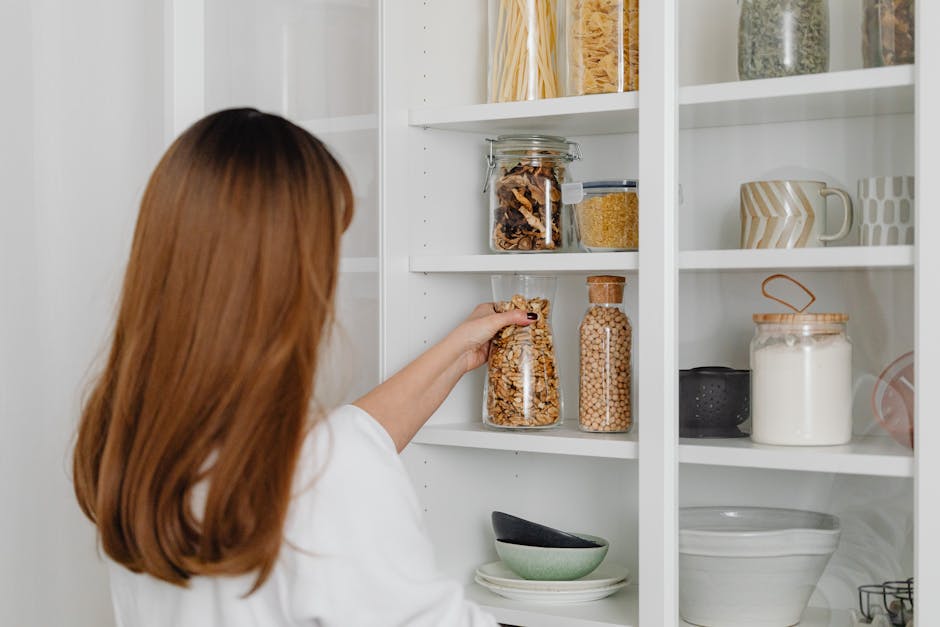
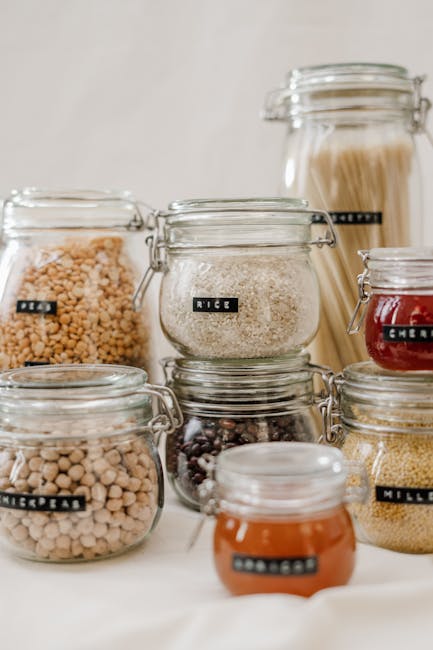
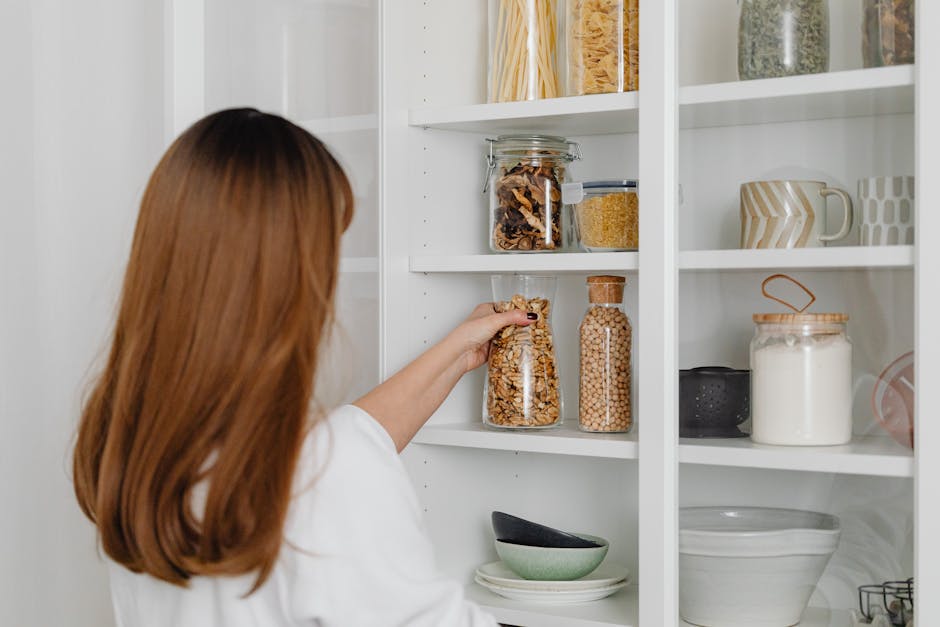
Organize food in kitchen cabinets using clear labels and sturdy containers. Ensure easy access and maintain freshness. Group similar items together for efficient storage.
Organizing your kitchen cabinets can transform your cooking experience. Labeling and containers play a crucial role in maintaining order and efficiency. Imagine reaching for a spice while cooking and finding it instantly. It’s that simple change that can save you time and stress. Let’s dive into how labeling and choosing the right containers can make a difference in your kitchen organization.
Choosing The Right Containers
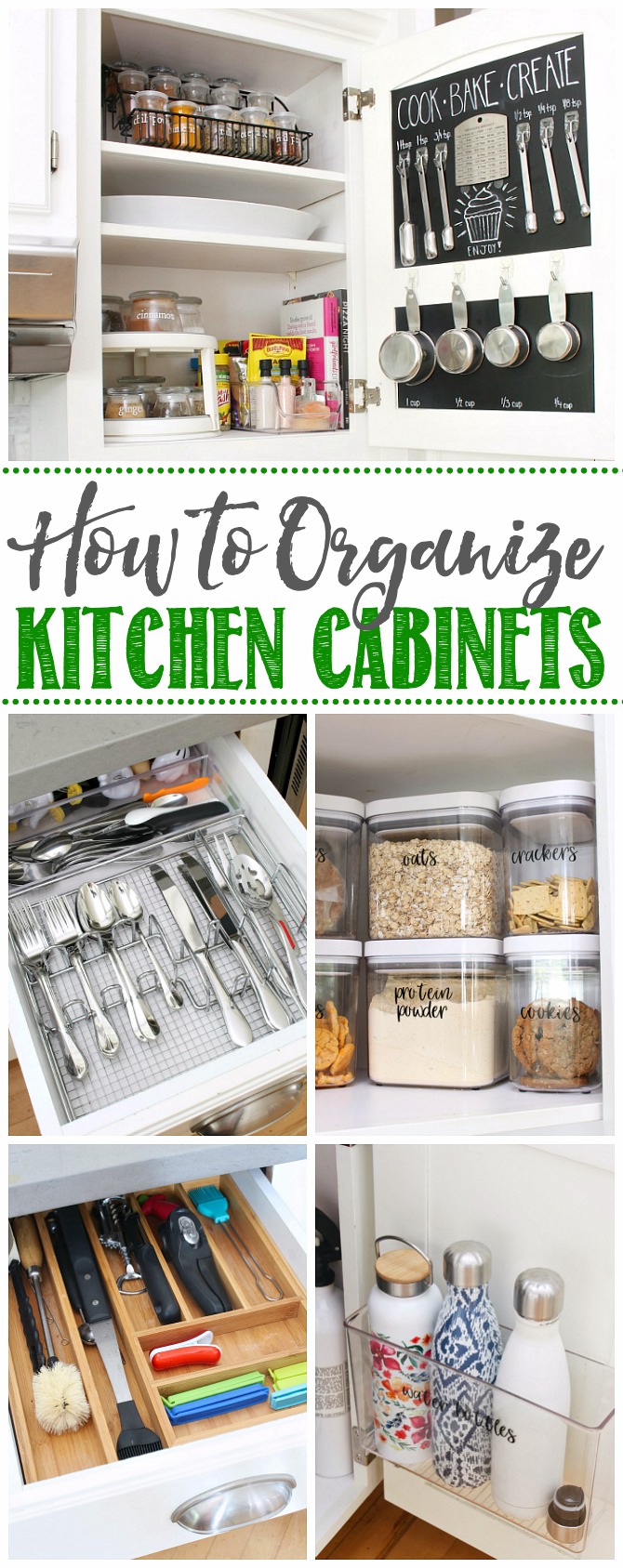
Choosing containers that fit your needs is key. Clear containers allow you to see what's inside without opening them. This can save you time during meal prep. Consider using stackable containers to maximize space. They provide a neat look and prevent clutter. Think about the materials too—glass is great for long-term storage, while plastic might be more budget-friendly. Different foods require different containers. Airtight containers are essential for items like flour and sugar. They keep food fresh and prevent pests.
Effective Labeling Techniques
Labels can turn chaos into order. A simple label can eliminate the guesswork. Have you ever poured salt instead of sugar into your coffee? A label could prevent that. Use a label maker or simple sticky notes. Consistency in labeling style adds a neat touch. You can even use chalkboard labels if you frequently change contents. Place labels in a visible spot. It should be easy to read without moving the container. This reduces time spent searching for the right item. Think about involving the family. If everyone knows where things go, it’s easier to maintain organization. What labeling system works best for you? Organizing your kitchen can be a rewarding experience. The right containers and labels make everyday tasks smoother. Are you ready to transform your kitchen?
Establishing A System
Establishing a system for organizing food in your kitchen cabinets can transform your cooking experience. It brings efficiency and ease, turning chaos into calm. Imagine opening a cabinet and knowing exactly where everything is — no more rummaging or stress.
Creating Zones
Divide your cabinets into distinct zones based on food types. Place your baking supplies in one area and canned goods in another. Group spices together and keep snacks in a separate section.
Think about accessibility. Store items you use frequently within easy reach. Less-used ingredients can go higher or lower. This zoning approach makes it simple to grab what you need when you need it.
A friend once told me she kept all her breakfast items in a single zone. It made her mornings hassle-free. What zones could simplify your daily routine?
Maintaining Organization
Consistency is key to maintaining organization. Regularly check your zones and adjust as needed. Are there items that no longer fit in their designated space?
Consider seasonal changes. You might need more space for holiday baking supplies or summer snacks. Keep your system flexible but consistent.
Use labels to help keep everything in order. Label shelves or containers for clarity. It’s a small step that makes a big difference.
Ask yourself, how often do you reorganize your cabinet? Could setting a schedule for tidying up enhance your system?
- Tip:Use clear containers to keep track of what’s inside.
- Tip:Rotate items to avoid expired goods.
Having a solid system in place not only saves time but also reduces waste. It’s about creating a kitchen that works for you, not against you.
Safety And Accessibility
Organizing your kitchen cabinets involves more than just tidiness. Safety and accessibility are key elements. A well-organized kitchen ensures you can find what you need quickly. It also helps in preventing accidents. Proper arrangement of items keeps your kitchen functional and efficient.
Storing Heavy Items Safely
Place heavy items at lower levels. This prevents them from falling and causing injury. Store pots, pans, and large dishes on bottom shelves. Use sturdy shelves that can support weight. Avoid stacking heavy items too high. This keeps them stable and within easy reach.
Consider using pull-out shelves for heavy items. They make it easier to access without lifting. Use shelf liners to prevent items from sliding. Ensure cabinets are secure and not overloaded. This reduces the risk of accidents.
Ensuring Easy Access
Arrange items by frequency of use. Store everyday items at the front or at eye level. This saves time and effort during meal preparation. Group similar items together. Keep all baking supplies in one section, for example.
Use clear containers for dry goods. This helps in identifying contents quickly. Label shelves and containers for easy recognition. Install cabinet organizers like lazy Susans or tiered racks. These maximize space and improve accessibility.
Place less-used items in higher or lower cabinets. This keeps frequently used areas uncluttered. Ensure kids’ snacks and items are within their reach. This fosters independence and keeps them safe.
Incorporating Seasonal Changes
Organizing your kitchen cabinets with the changing seasons can keep your cooking routine fresh and efficient. Seasonal changes aren’t just about transitioning wardrobes; they extend to your pantry as well. Think about how your meals shift with the weather, and let that guide how you arrange your food.
Adjusting For Holidays
Holidays often bring an array of special ingredients and dishes. As you prepare for these occasions, adjust your cabinet space to accommodate items like baking supplies for cookies or ingredients for festive meals. For instance, when Thanksgiving approaches, you might want to move canned pumpkins, stuffing mixes, and cranberry sauce to the front for easy access.
Consider setting aside a dedicated shelf or section for holiday-specific items. This not only makes it easier to find what you need but also prevents clutter in your everyday cooking space. After the holidays, you can return these items to storage, making room for the next seasonal shift.
Rotating Pantry Items
Rotating pantry items ensures you use everything before it expires, minimizing waste. Start by placing newer items at the back and moving older items to the front. This simple practice can save money and reduce food waste, a win-win for your household.
Think about what you use most during each season. In the colder months, you might prioritize soups, stews, and baking goods. Meanwhile, summer might call for lighter fare like pasta salads or grilling essentials. By rotating items, you ensure you’re always ready for your next culinary adventure.
Have you ever found an expired can of something you never used? By regularly rotating your pantry, you can avoid such surprises. It’s a small habit that makes a big difference in maintaining an organized and efficient kitchen.
Embrace the seasonal flow of your kitchen. It’s not just about aesthetics; it’s about creating a space that supports your lifestyle and culinary needs. What seasonal changes will you make next in your kitchen cabinets?
:strip_icc()/kitchen-pantry-snacks-c2bb5c24-7b13dec53fc446c8ad1ae36763639f30.jpg)
Credit: www.bhg.com
Frequently Asked Questions
How Do I Maximize Cabinet Space?
Maximize cabinet space by using tiered shelves and stackable containers. Utilize the cabinet doors for hanging organizers. Consider rotating seasonal items to save space. Label everything for easy access and organization. Vertical storage solutions can also help maximize space efficiently.
What Foods Should Go In Upper Cabinets?
Store less frequently used items in upper cabinets, like baking supplies and spices. Place lightweight items like snack boxes and cereals here. Upper cabinets are ideal for small appliances used occasionally. Keep heavier, daily-use items in lower cabinets for accessibility.
How Can I Keep Cabinets Tidy?
Keep cabinets tidy by using clear containers and labels. Regularly declutter and donate unused items. Organize by category and frequency of use. Use drawer dividers for small items and regularly clean and reorganize. Implementing a system helps maintain tidiness over time.
What Are Best Practices For Food Storage?
Store food in airtight containers to preserve freshness. Organize by expiration date to avoid waste. Keep similar items together for easy access. Use glass or BPA-free plastic containers for safety. Regularly check and rotate items for optimal organization and freshness.
Conclusion
Organizing your kitchen cabinets makes cooking easier. You find items quickly. Less clutter means more space. Group similar foods together. Use clear containers. Labels help a lot. Store heavy items on lower shelves. Lighter items go up top. Keep frequently used items within reach.
This saves time and effort. A tidy kitchen looks great too. Regularly check your cabinets. Remove expired food. Make adjustments as needed. Enjoy a more efficient kitchen. Happy cooking!