

Are you dreaming of a kitchen that perfectly blends style and functionality? A kitchen remodel can turn that dream into reality, but without proper organization, the process can quickly become overwhelming.
Imagine stepping into your newly remodeled kitchen, everything in its place, designed just the way you want. Sounds amazing, right? To get there, you need a solid plan. In this guide, you'll discover the secrets to organizing a kitchen remodel without the usual stress and chaos.
We'll walk you through each step, from setting a budget to choosing the perfect finishes. You'll learn how to avoid common pitfalls that derail many remodels. Ready to transform your kitchen and enjoy the cooking space you've always wanted? Let’s dive in and make that vision come to life!
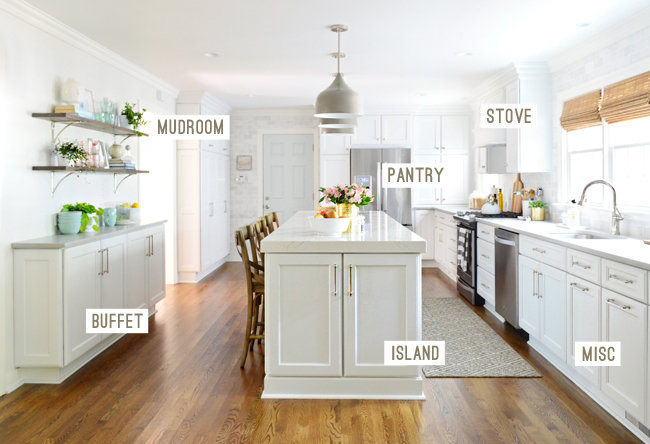
Credit: www.younghouselove.com
Setting A Budget
Planning a kitchen remodel? Start by setting a clear budget. This helps control expenses and avoid overspending. Prioritize essentials like cabinets and appliances, and allocate funds wisely for unexpected costs.
Setting a budget is crucial for any kitchen remodel. It ensures your project stays on track and prevents overspending. A clear budget helps you prioritize and make informed decisions. This guide will help you set a realistic budget.
Estimating Costs
Start by researching average costs for kitchen remodels. Look at costs for materials, labor, and permits. Identify the areas where you want to invest more. High-quality appliances or custom cabinets might be your focus. Calculate the expenses for these desired upgrades. Use online tools and calculators to help estimate costs. Gather quotes from contractors for a more accurate picture.
Allocating Funds
Divide your budget into categories. Assign portions to major elements like cabinets, flooring, and appliances. Set aside funds for labor and installation. Consider additional costs like design fees or inspections. Make a list of priorities. Decide where to spend more and where to save. Allocate funds to achieve your desired kitchen style.
Contingency Planning
Include a contingency fund in your budget. Set aside 10-20% of your total budget for unexpected costs. Surprises can arise during a remodel. Hidden plumbing issues or electrical updates might be needed. A contingency fund prepares you for these surprises. It keeps your project on track without financial stress.

Credit: sabrinasorganizing.com
Choosing A Style
When embarking on a kitchen remodel, choosing a style is a pivotal decision that sets the tone for your entire project. It's where functionality meets aesthetics, and your personal taste shines through. But how do you decide between modern and traditional styles? What colors will complement your vision? Which materials will withstand the test of time? These questions can be overwhelming, but with a little guidance, you'll find a style that truly resonates with you.
Modern Vs. Traditional
Are you captivated by sleek lines and a minimalist approach? A modern kitchen might be your best bet. It often features clean surfaces, stainless steel appliances, and a neutral palette. This style is all about simplicity and efficiency.
On the flip side, if you adore warmth and character, a traditional kitchen may be more your speed. Think wood finishes, ornate details, and cozy vibes. Traditional styles often bring a sense of nostalgia and comfort.
Consider what you want to feel every time you step into your kitchen. Is it serenity and order, or warmth and history? This choice can guide every other decision you make.
Color Schemes
Color is powerful. It can influence mood, perception, and even appetite. Do you want your kitchen to be a calming oasis with cool blues and greens? Or a vibrant hub of activity with bold reds and yellows?
Neutral tones like whites and grays are timeless and work well with either modern or traditional styles. But don't shy away from a splash of color if it reflects your personality.
Think about your favorite spaces in your home or places you've visited. What colors make you feel most at home? Let those memories guide your choices.
Material Selections
Materials are the backbone of your kitchen's functionality and style. Granite or quartz countertops offer durability and elegance. Wood cabinetry can add warmth and character.
Consider your lifestyle. If you have young children, easy-to-clean materials might be a priority. If you're a gourmet cook, you might want high-quality surfaces that withstand rigorous use.
Remember, the materials you choose will influence maintenance and longevity. Would you prefer low maintenance, or are you willing to invest time in upkeep for a specific look?
As you navigate these choices, imagine yourself in your dream kitchen. What do you see? Let that vision guide your decisions, transforming your space into a reflection of your style and needs.
Designing The Layout
Remodeling your kitchen is an exciting journey, but it begins with a crucial step: designing the layout. This is where dreams transform into reality. Imagine walking into a space that feels tailored just for you, maximizing every inch and enhancing your daily routine. A well-thought-out layout can make your kitchen not just a place for cooking, but a hub for family gatherings and creativity.
Optimizing Space
Space optimization is more than just fitting appliances and cabinets. Think vertically and horizontally. Use walls for shelving, and consider pull-out cabinets for easy access. A friend of mine added a small, portable island that doubled as a breakfast bar. It created extra counter space without overcrowding the room. What could you add to make your kitchen space more versatile?
Workflow Considerations
Consider how you move around while cooking. The classic 'kitchen triangle'—connecting the sink, stove, and refrigerator—is a tried-and-true concept. But personal habits should guide the design. If you love baking, ensure your mixer and ingredients are within arm’s reach. How does your current setup affect your cooking efficiency?
Zoning And Functionality
Zoning helps define areas for specific tasks, making the kitchen functional. Create distinct zones for prepping, cooking, and cleaning. A separate coffee station can streamline your mornings. I once placed the microwave near the fridge to ease reheating leftovers. What zones could improve your kitchen's functionality?
Designing a kitchen layout involves creativity and practicality. Each decision impacts how you use the space daily. How will you personalize your kitchen to suit your lifestyle?
Selecting Appliances
Choosing the right appliances is crucial for a kitchen remodel. They can make or break the functionality and style of your kitchen. With so many options, it's easy to feel overwhelmed. Focus on key aspects to simplify the process.
Energy Efficiency
Energy-efficient appliances save money and reduce environmental impact. Look for the Energy Star label on appliances. This label ensures the appliance meets energy-saving standards. Energy-efficient models often have advanced features. These features can help cut down on electricity and water usage. They may cost more upfront but save money over time.
Size And Capacity
Consider the size and capacity of each appliance. Measure your kitchen space carefully. Ensure the appliances fit without crowding the area. Think about your cooking habits. A large family might need a bigger refrigerator. If you bake often, a larger oven could be important. Pick appliances that meet your daily needs.
Innovative Features
Many modern appliances come with innovative features. Smart fridges can connect to the internet. Some ovens have self-cleaning options. These features can make cooking and cleaning easier. Decide what features are essential for your lifestyle. Avoid paying extra for features you won't use.
Hiring Professionals
Embarking on a kitchen remodel is an exciting journey. Hiring professionals can ensure a smooth and successful transformation. The right contractor can bring your dream kitchen to life. Understanding how to find and hire the right expert is crucial.
Finding A Contractor
Start by researching local contractors. Look for those with good reviews and a solid reputation. Ask friends and family for recommendations. Check online platforms for customer feedback. It's vital to choose someone with experience in kitchen remodels.
Checking Credentials
Verify the credentials of potential contractors. Ensure they have the necessary licenses and certifications. Confirm their insurance covers any potential accidents. A qualified contractor should provide these without hesitation. This protects you and your investment.
Understanding Contracts
Read contracts carefully before signing. Every detail matters. Ensure project timelines and costs are clearly outlined. Discuss any uncertainties with the contractor. A transparent agreement prevents future misunderstandings. This ensures the remodel stays on track.
Managing The Timeline
Organizing a kitchen remodel timeline involves setting clear milestones and deadlines. Allocate time for each phase, from planning to completion, ensuring smooth progress. Prioritize tasks and coordinate with contractors for timely execution.
Organizing a kitchen remodel can be an exciting yet overwhelming task. One of the most crucial aspects of ensuring a smooth renovation process is managing the timeline effectively. A well-planned timeline not only keeps the project on track but also helps minimize stress and unexpected costs. By focusing on setting milestones, avoiding delays, and staying flexible, you can manage your kitchen remodel timeline with ease.
Setting Milestones
Breaking down your kitchen remodel into manageable milestones can help keep the project organized. Create a detailed schedule that includes key phases like demolition, plumbing, electrical work, and installation. Allocate specific dates for each task and communicate these with your contractor. This approach provides a clear roadmap for you and the team. You’ll know what to expect at each stage and can better monitor the progress. Have you considered setting aside time for material selection and delivery? This often overlooked step can significantly affect your timeline if not properly managed.
Avoiding Delays
Delays can be costly and frustrating, but with careful planning, they can often be avoided. Start by ordering materials well in advance to ensure everything arrives on time. Communicate regularly with your contractor to anticipate any potential issues. Are you prepared for unexpected surprises like outdated wiring or plumbing? Addressing these issues promptly can prevent them from derailing your timeline. Having a buffer time built into your schedule can also help absorb any unforeseen delays without impacting the overall completion date.
Staying Flexible
Flexibility is key when managing a kitchen remodel timeline. Despite the best planning, unexpected changes and challenges can arise. Being adaptable allows you to pivot and make informed decisions without unnecessary stress. Have you thought about alternative solutions if a particular material is out of stock? Flexibility in your choices can keep the project moving smoothly. Remember, the end goal is a functional and beautiful kitchen that meets your needs. By staying open to adjustments, you can ensure a successful renovation journey. Organizing for a kitchen remodel requires careful attention to the timeline. By setting clear milestones, avoiding delays, and staying flexible, you can navigate the process effectively. Your dream kitchen is within reach, and with these strategies, you'll be cooking up a storm in no time.
Sourcing Materials
Organizing a kitchen remodel involves many steps. One critical part is sourcing materials. The materials you choose affect the look and feel of your kitchen. They also impact durability and cost. It's important to find the right balance. Consider your budget and design goals. Let's explore where to find quality materials.
Local Vs. Online Suppliers
Deciding between local and online suppliers can be tricky. Local suppliers offer the chance to see materials in person. This helps in assessing color and texture. Visiting a store can also inspire design ideas. Online suppliers often provide a wider selection. They may have unique or hard-to-find items. Comparing both options can help in making an informed choice.
Quality Considerations
Quality is key in a kitchen remodel. High-quality materials last longer and resist wear. Check customer reviews and ratings. Ask suppliers about warranties and guarantees. Visiting showrooms can help evaluate quality firsthand. Don't rush this decision. Quality impacts long-term satisfaction.
Negotiating Prices
Remodeling a kitchen can be expensive. Negotiating can help save money. Start by asking suppliers for discounts. Bulk orders may qualify for reduced prices. Compare quotes from different suppliers. Be polite and persistent. Negotiating can stretch your budget further.

Credit: www.lelaburris.com
Staying Organized During Renovation
Preparing for a kitchen remodel involves sorting and packing items efficiently. Label boxes for easy access to essentials during construction. Create a temporary kitchen space to maintain daily routines and minimize chaos.
Embarking on a kitchen remodel is an exciting journey, but staying organized during the renovation can be a challenge. It’s easy to feel overwhelmed with the chaos and disruption in your daily routine. However, with a few practical tips, you can maintain order and even enjoy the process. Let’s dive into some strategies to help you stay organized and keep your sanity intact.
Temporary Kitchen Setup
Creating a temporary kitchen is crucial to maintaining your daily routine. Designate a space in your home where you can perform basic kitchen tasks. A small table with a microwave, toaster, and electric kettle can help you prepare simple meals. Organize your essentials in bins or baskets for easy access. Label each container with its contents to avoid rummaging through everything when you need something. This setup not only helps keep things orderly but also reduces stress during meal times.
Keeping Track Of Progress
Monitoring the progress of your renovation is essential. Create a timeline with expected completion dates for each phase of the remodel. Hang this timeline somewhere visible to remind yourself of the milestones. Consider using a simple spreadsheet or a project management app to track tasks and deadlines. This approach provides a clear overview of what’s done and what’s pending. Knowing where you stand in the process keeps you informed and reduces anxiety.
Communicating With The Team
Effective communication with your renovation team is key. Schedule regular check-ins to discuss progress and any issues that arise. This proactive approach helps prevent misunderstandings and keeps everyone on the same page. Make sure to express your concerns and ask questions whenever necessary. Open communication ensures your vision is understood and executed. Remember, this is your kitchen, so don't hesitate to share your thoughts and preferences. How do you envision your newly remodeled kitchen? Staying organized and communicating effectively can make that vision a reality. With these strategies, you can navigate the renovation chaos smoothly and enjoy the transformation process.
Frequently Asked Questions
What Are Essential Steps For Kitchen Remodel Preparation?
Start by setting a clear budget and timeline. Research contractors and gather inspiration for designs. Organize permits and materials in advance. Declutter your kitchen and plan temporary meal arrangements. Communicate consistently with your contractor to ensure smooth progress.
How Long Does A Kitchen Remodel Typically Take?
A kitchen remodel typically takes 6 to 12 weeks. The duration depends on the complexity of the project. Factors include design changes, material availability, and contractor scheduling. Detailed planning can help avoid delays and streamline the process.
How Can I Minimize Kitchen Remodel Stress?
To minimize stress, plan meticulously and maintain clear communication. Set realistic expectations and budget for unexpected costs. Organize your temporary kitchen space efficiently. Regularly monitor progress and address issues immediately. Staying flexible and patient is key.
What Should I Consider When Choosing A Contractor?
Choose a contractor with a solid reputation and experience. Verify their licenses and insurance coverage. Request and check references from past clients. Compare quotes and ensure clear communication. A trustworthy contractor should offer a detailed plan and timeline.
Conclusion
Planning a kitchen remodel? Start with clear goals. Break tasks into steps. Use lists to stay organized. Set a budget. Stick to it. Choose materials wisely. Consider space and function. Work with professionals when needed. Keep communication open. Adjust plans if necessary.
Enjoy the process. Your dream kitchen is closer than you think. Celebrate small victories. Each step brings progress. Stay patient. Remodeling takes time and effort. The reward? A functional, beautiful kitchen. A space you love. A place for memories. Ready for the journey ahead?
Your new kitchen awaits!