Is your kitchen feeling more like a chaotic battlefield than a peaceful culinary haven? If you're tired of rummaging through cluttered shelves every time you need a can of tomatoes or a packet of pasta, you're not alone.
Organizing your groceries can transform your kitchen into a space where cooking feels effortless and enjoyable. Imagine opening your pantry to find everything neatly arranged, making meal prep a breeze. You deserve a kitchen that works for you, not against you.
You'll discover simple yet effective strategies to organize your groceries, bringing order and calm to your kitchen. Ready to reclaim your space and make cooking fun again? Let's dive in!
:strip_icc()/organize-your-pantry-by-zones-01-a6967797e62242518640385376099ef3.jpg)
Credit: www.bhg.com
Benefits Of Organizing Groceries
Organizing groceries in the kitchen saves time and reduces stress. Find items quickly and keep them fresh. A tidy kitchen makes cooking easier and more enjoyable.
Organizing your groceries in the kitchen may seem like a mundane task, but its benefits extend far beyond a tidy pantry. Imagine reaching for that elusive spice jar without toppling a tower of cans or knowing exactly where your favorite cereal is without a morning scavenger hunt. When you take the time to organize, you're not just tidying up—you're making your kitchen a place of ease and efficiency.
Enhanced Efficiency
Picture this: you're halfway through cooking dinner, and you can't find the tomato paste. You rummage through a cluttered cabinet, wasting precious time. By organizing your groceries, you streamline meal preparation. Having designated spots for each item allows you to grab what you need instantly. You create a smooth flow in your cooking process, saving time and reducing stress.
Reduced Waste
How many times have you thrown away food because it expired before you remembered you had it? An organized kitchen helps reduce waste. By arranging items by expiration date, you can ensure older products are used first. You'll save money and feel better about not wasting food.
Maximized Space
Kitchens often lack sufficient storage, and clutter can make them feel even smaller. Organizing your groceries maximizes available space. Use bins, shelves, and clear containers to make the most of your kitchen area. Suddenly, that cramped cupboard feels roomy and accessible.
Improved Meal Planning
When you know exactly what's in your pantry, meal planning becomes a breeze. No more last-minute trips to the store for a missing ingredient. Seeing all your options laid out helps inspire new recipes and healthy eating habits. This organization turns meal planning from a chore into an exciting opportunity.
Stress Reduction
A cluttered kitchen can be overwhelming, making cooking feel like an insurmountable task. Organizing groceries brings a sense of calm and control. You can focus on enjoying the cooking process rather than being bogged down by chaos. How much more enjoyable would cooking be if your kitchen felt like a sanctuary? Organizing your groceries might seem small, but its impact is profound. Why not start today and experience these benefits firsthand?
:strip_icc()/food-pantry-shelves-8e01c831-2b2be0d3eade4b9e9ec3c7e7deb27027.jpg)
Credit: www.bhg.com
Assessing Kitchen Space
Organizing grocery items in your kitchen starts with understanding your space. Assessing your kitchen space helps optimize storage and functionality. This step ensures efficient use of every corner and shelf.
Evaluating Storage Areas
Begin by examining your cabinets and pantry. Check the shelves for size and accessibility. Look for spaces that can hold heavy items like canned goods. Consider adding shelf risers for extra storage. Deep cabinets might benefit from pull-out racks. These make items easy to reach. Place frequently used items at eye level.
Identifying High-traffic Zones
Notice where you spend most time cooking. These are your high-traffic zones. Areas near the stove and sink need quick access to essentials. Store spices and oils nearby for easy reach. Keep snacks and breakfast items in a central spot. This reduces clutter and saves time. Use clear containers to see contents easily.
Categorizing Groceries
Organizing groceries in the kitchen helps in finding items quickly. Group similar items like snacks, canned goods, and spices together. Use clear containers or labels for easy identification and access.
Organizing groceries in your kitchen can transform your cooking experience. Ever found yourself rummaging through the fridge, only to find wilted lettuce or expired milk? Categorizing groceries not only saves you time but also reduces waste. Knowing where everything is allows you to whip up meals with ease. Let's dive into some practical ways to categorize your groceries effectively.
Perishable Vs Non-perishable
Start by distinguishing between perishable and non-perishable items. Perishables like fruits, vegetables, dairy, and meats require refrigeration. Place them in accessible locations in your fridge to prevent spoilage. Use clear containers to keep them visible. Non-perishable items such as canned goods, pasta, and grains can be stored in cabinets or pantries. Keep them grouped together so you know exactly where to look. Try using labels or clear bins to maintain order. This separation makes meal prep smoother and minimizes the risk of missing expiration dates.
Grouping By Meal Type
Consider organizing your groceries based on meal types. Breakfast items like cereal, oats, and eggs can be placed together for easy access during busy mornings. This saves time and avoids the morning chaos. For lunch and dinner, gather ingredients you frequently use together. Store pasta, sauce, and spices in one section, while grouping salad ingredients nearby. This approach can streamline your cooking process and inspire new meal ideas. How do you currently organize your groceries? Reflect on the habits that work for you and what might need tweaking. Implementing these strategies can significantly enhance your culinary efficiency.
Choosing The Right Containers
Organizing groceries efficiently requires choosing the right containers. Use clear, stackable bins to see contents easily. Label each container for quick identification, ensuring a clutter-free kitchen.
Choosing the right containers for your kitchen can make all the difference in maintaining an organized and efficient space. It's not just about keeping your groceries in order; it's about making your kitchen a place where cooking and meal preparation are a breeze. The right containers help maximize space and ensure that everything is easy to find when you need it.
Types Of Storage Solutions
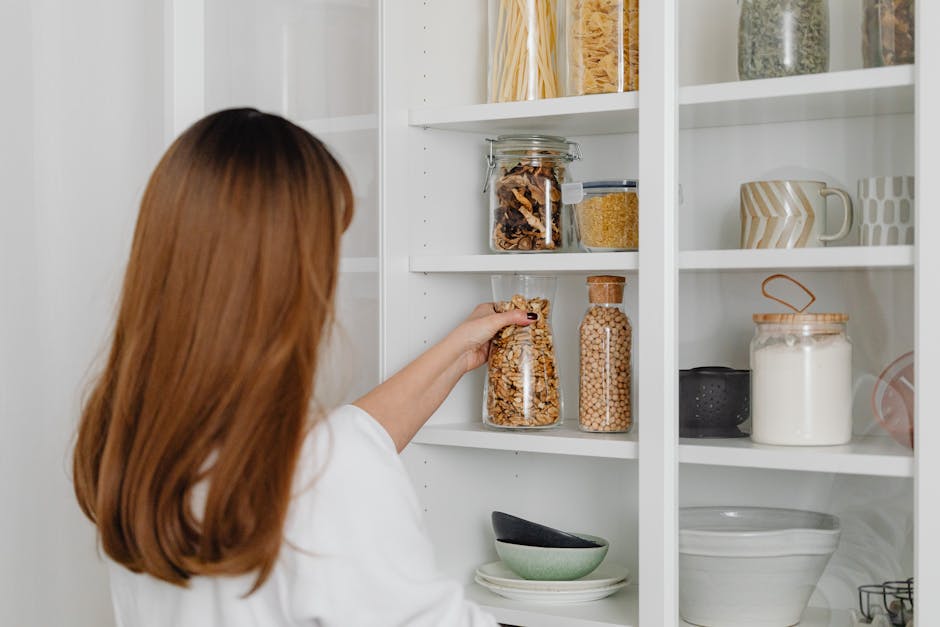
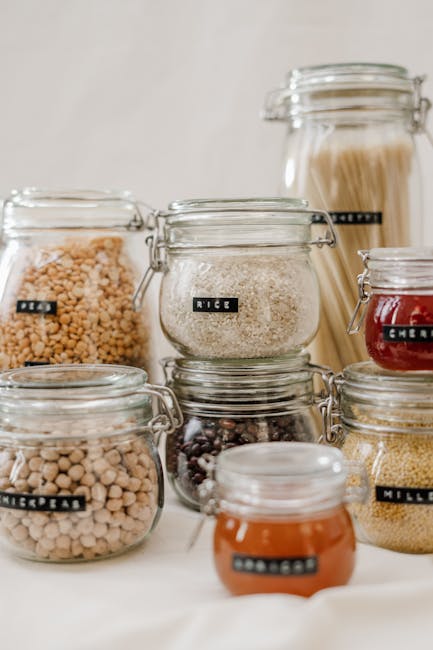
When selecting containers, consider the variety of storage solutions available. Glass jars are perfect for dry goods like rice, beans, and pasta, as they allow you to see the contents clearly. Plastic containers, on the other hand, are lightweight and often come in stackable designs, saving precious cabinet space. Mason jars can be a versatile addition, ideal for storing homemade sauces or salad dressings. If you're concerned about space, consider collapsible silicone containers that expand when needed and flatten out for easy storage. Think about what fits best with your kitchen habits and layout.
Labeling For Easy Identification
Labeling is not just for aesthetics; it's a practical solution to avoid confusion in the kitchen. Have you ever reached for sugar and ended up with salt? Labeling can prevent such mishaps. Use a label maker or simply write on masking tape for a quick fix. You might also consider color-coding as an additional tool. For example, use blue labels for grains and green for spices. This method allows you to identify categories at a glance. This small step can save you time and frustration in the long run. Choosing the right containers and labeling them properly can transform your kitchen into a well-oiled machine. What’s your favorite container type, and how do you label your stored items? Share your thoughts and tips in the comments below!
Utilizing Shelves And Cabinets
Organize groceries efficiently using shelves and cabinets. Store items you use often at eye level for easy access. Group similar items together, like canned goods or snacks, to find things quickly.
Organizing groceries in the kitchen can be a daunting task. Shelves and cabinets play a crucial role. They help keep everything in order. Proper organization ensures easy access to items. It also maximizes space. This section focuses on utilizing shelves and cabinets effectively.
Maximizing Vertical Space
Vertical space is often overlooked. Tall shelves can store more items. Use them to stack cans and jars. This arrangement saves room on counters. It also gives a neat appearance. Consider installing additional shelves. They provide extra storage options. Use hooks for hanging utensils. This technique frees up drawer space. Keep lighter items on higher shelves. Heavy items should stay low. This prevents accidents.
Adjustable Shelving Options
Adjustable shelves offer flexibility. Modify them to fit items of different sizes. Move them up or down as needed. This customization helps store tall bottles. It also accommodates bulky items. Adjustable shelves are easy to install. They adapt to changing storage needs. Use them to organize pots and pans. Store baking trays vertically. This keeps them accessible. Adjust shelves to maximize space. This strategy enhances kitchen organization.
Organizing Pantry Essentials
Organizing pantry essentials can transform your kitchen experience. A well-organized pantry saves time and reduces stress. It ensures that ingredients are always easy to find. You can also avoid unnecessary purchases and minimize food waste.
In this guide, learn how to create a functional pantry. Discover simple steps for organizing and maintaining pantry essentials.
Creating A Pantry Layout
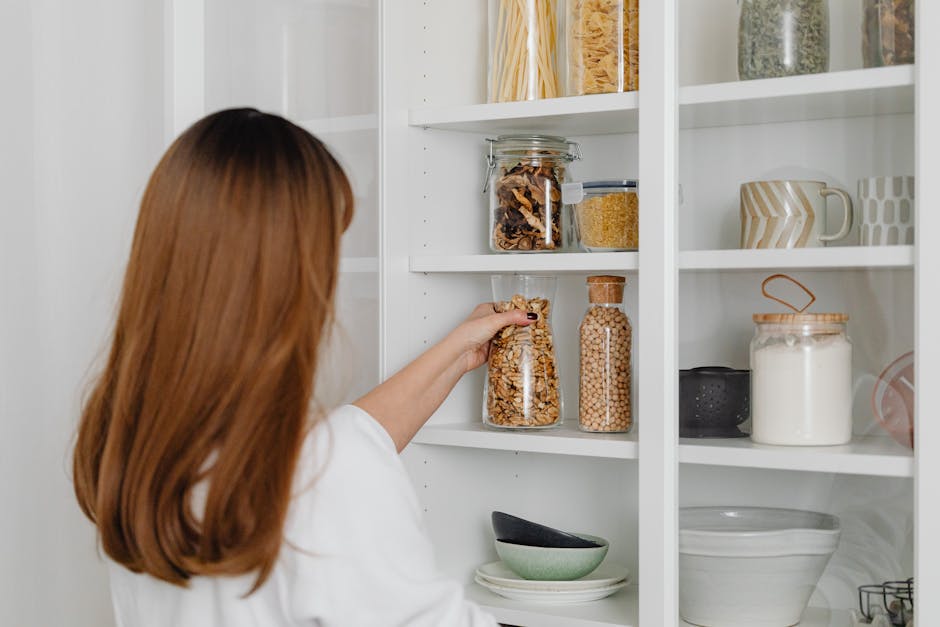
Start with a clear layout. Group similar items together. Store grains, cereals, and pasta on one shelf. Keep canned goods and jars nearby. Use baskets or bins for small items. Label containers for quick identification. This makes it easy to grab what you need. Arrange frequently used items at eye level. Store less-used items on higher or lower shelves.
Seasonal Stock Rotation
Rotate pantry stock with the seasons. Store seasonal items in accessible areas. Move non-seasonal items to the back. Check expiration dates regularly. Use older items first to reduce waste. During seasonal changes, adjust your pantry layout. This keeps your pantry fresh and organized year-round.
With these simple tips, your pantry will be a model of efficiency. Enjoy a stress-free cooking experience every day.
Managing Refrigerator Space
Efficient refrigerator space management is essential in organizing your kitchen. Proper organization helps keep food fresh and reduces waste. It also makes meal preparation easier. Knowing how to manage refrigerator space can save time and money. It ensures every item is easily accessible.
Temperature Zones
Refrigerators have different temperature zones for specific items. The top shelf is the warmest, ideal for leftovers and drinks. The middle shelf is cooler, perfect for dairy products. The bottom shelf is the coldest. Store raw meat and fish here. Crisp drawers keep fruits and vegetables fresh longer. Knowing these zones helps maximize freshness.
Regular Cleaning And Maintenance
Cleaning the refrigerator regularly is crucial. Remove expired items weekly. Wipe shelves and drawers with a damp cloth. This prevents bacteria buildup. Check the door seals for any gaps. Ensure they are tightly closed. A well-maintained refrigerator runs efficiently. This saves energy and extends its lifespan.
Sustainable Grocery Practices
Organizing groceries in the kitchen promotes sustainability. Use clear containers to reduce food waste and keep items visible. Arrange products by expiration date to ensure older items are used first. This simple method supports an eco-friendly lifestyle and makes meal preparation easier.
Sustainable grocery practices are not just about buying organic produce. They involve smart choices that impact both your kitchen and the environment. You can make a difference by adopting methods that reduce waste and promote eco-friendly storage. These practices can transform your kitchen into a hub of sustainability. Let’s delve into how you can start making these small yet significant changes.
Reducing Food Waste
Food waste is a major issue. You can easily combat it by planning your meals ahead of time. This prevents buying more than you need, leading to waste. Keep a list of perishables and their expiry dates visible. Use them before they go bad. This small step can save money and reduce your carbon footprint. Have you considered the benefits of composting? It turns waste into nutrient-rich soil for your garden. Even if you live in an apartment, there are small compost bins perfect for urban living.
Eco-friendly Storage Alternatives
Plastic storage containers are convenient but harmful to the environment. Switch to glass jars or metal tins. They last longer and are safer for storing food. Reusable beeswax wraps are an excellent alternative to plastic wrap. They keep your food fresh without contributing to waste. Do you know the impact of silicone bags? They are durable, reusable, and can be used for freezing or storing snacks. These bags provide a sustainable option that reduces single-use plastics. Incorporating these practices into your routine can seem daunting. Start small, and gradually change your habits. These efforts can lead to a more organized and eco-friendly kitchen. Are you ready to take the challenge and make your kitchen a model of sustainability?
Tech Tools For Organization
Organizing groceries in the kitchen becomes easier with tech tools like pantry inventory apps. These apps help track food items and expiration dates, ensuring efficient use and reduced waste. Sorting groceries by category and using reminders can simplify meal planning and shopping trips.
Organizing your kitchen can feel like a daunting task, especially when it comes to managing your grocery inventory. Fortunately, technology offers some impressive solutions that can make this process much easier and even enjoyable. By integrating tech tools into your kitchen routine, you can save time, reduce waste, and keep your pantry in perfect order. Let's dive into some tech tools that can help streamline your grocery organization.
Apps For Inventory Management
Keeping track of what you have in your pantry can be a challenging task. Inventory management apps can simplify this for you. These apps allow you to record what groceries you have, their quantities, and expiration dates. My personal favorite is an app called "Pantry Check." It sends alerts when items are about to expire, helping you use them before they go bad. Imagine knowing exactly what you need before heading to the store, avoiding unnecessary purchases, and saving money! Another great app is "Out of Milk," which lets you sync your grocery list with family members. This way, everyone knows what's needed and can add items on the go. It's a great tool to ensure you never run out of essentials.
Smart Kitchen Gadgets
Smart kitchen gadgets can take organization to another level. Consider investing in a smart fridge that tracks its contents and suggests recipes based on what you have. It's like having a personal chef that helps you plan meals and reduce food waste. Have you ever heard of a smart scale? It connects to your smartphone and helps you measure ingredients precisely, keeping your inventory updated in real-time. This can be especially handy for those who love baking and need exact measurements. Another innovative gadget is a smart pantry camera. It takes pictures of your pantry shelves and sends them to your phone. You can quickly check what you have without rummaging through shelves. Imagine the time you save during grocery runs! By embracing these tech tools, you can transform your kitchen into a more efficient and organized space. Are you ready to let technology take some of the workload off your hands?
Maintaining Organization
Maintaining organization in your kitchen can be a game-changer. A well-organized grocery system saves time and reduces stress during meal prep. Imagine opening your pantry and easily finding everything you need, or knowing exactly what's in your fridge without digging through clutter. It's all about creating a routine and getting everyone involved. Let's dive into how you can keep your kitchen organized and functional.
Routine Checks And Updates
Your grocery organization is like a living system; it requires regular attention. Set aside time each week to check your pantry and fridge. Look for expired items and remove them. This not only keeps your space tidy but also prevents unpleasant surprises during cooking.
Keep a running list of items that need replenishing. Use a whiteboard or an app to track what you’re running low on. This habit can transform your grocery shopping into a quick, efficient task. Imagine going to the store with a clear list, saving both time and money.
Consider organizing your kitchen in sections. Place similar items together, like baking supplies or breakfast essentials. When everything has a designated spot, finding things becomes second nature. How often do you find yourself searching for something that should be easy to locate?
Family Involvement Strategies
Organizing groceries isn't a solo job. Involve your family to make it a shared responsibility. Assign tasks to everyone, like checking expiration dates or restocking shelves. When everyone pitches in, maintaining order becomes a team effort.
Make it fun with small rewards or challenges. Who can find the most expired items, or who can create the neatest pantry shelf? Such activities can turn organization into a bonding experience. This not only keeps your kitchen tidy but also brings your family together.
Teach kids the importance of organization early on. Show them how to find items and put them back in their proper places. This practice instills responsibility and makes them active participants in the household. What impact could this have on their future habits?
Involve your family in meal planning too. Let everyone choose a dish for the week and check if the ingredients are available. This way, grocery organization becomes a part of the larger process of preparing meals. The more hands on deck, the smoother the sailing.
:max_bytes(150000):strip_icc()/organized-pantry-0qGo0EYq4A49ZXoFFxrpR3-0921-1222-1adec4d6086d48ee9e48a8790d4d943f-2aae3d913d8642afabd04b317e9dbb46.jpg)
Credit: www.marthastewart.com
Frequently Asked Questions
How To Categorize Groceries Effectively?
Categorize groceries by type, like fruits, vegetables, grains, and canned goods. Use clear bins and labels for easy access. Group similar items together for efficient storage. This method saves time and keeps your kitchen organized.
What Is The Best Way To Store Perishables?
Store perishables in the refrigerator or freezer. Keep meat and dairy on lower shelves. Use airtight containers to maintain freshness. Label items with dates to track expiration. This method prevents spoilage and saves money.
How Do I Maximize Small Kitchen Space?
Use vertical storage solutions like shelves and racks. Utilize cabinet doors for hanging tools. Keep countertops clear by storing items in cabinets. Regularly declutter to maintain space efficiency. This approach optimizes your kitchen layout.
How Can I Keep My Pantry Organized?
Use clear containers for dry goods and label each one. Arrange items by frequency of use. Rotate stock to use older items first. Regular checks help maintain order and prevent waste. This keeps your pantry tidy and efficient.
Conclusion
Organizing groceries in your kitchen makes daily tasks easier. A neat kitchen saves time and reduces stress. Keep similar items together. Store essentials within reach. Use labels for clarity. Arrange shelves wisely. This helps everyone find things quickly. Regularly check expiry dates.
Avoid clutter. This keeps your kitchen tidy and efficient. Make organization a habit. Small changes have big impacts on daily life. Enjoy a well-organized space. Feel the difference in your routine. Your kitchen is the heart of your home. Let it be functional and welcoming.
Happy organizing!