Is your kitchen a constant source of frustration? Do you find yourself rummaging through cabinets, only to end up with a cluttered mess?
Organizing an Indian modular kitchen can feel overwhelming, but it doesn't have to be. Imagine effortlessly finding every spice, utensil, or ingredient you need, right when you need it. Picture a cooking space that inspires creativity and efficiency, where every item has its place.
This isn’t just a dream—it’s entirely possible with the right approach. In this guide, we’ll uncover simple yet powerful strategies to transform your kitchen into a well-organized haven. Ready to revolutionize your cooking experience? Let's get started!
Design Principles
Designing an Indian modular kitchen combines functionality with style. It is about making the best use of space and ensuring comfort. The kitchen should reflect your personal taste while being practical. Understanding key design principles helps in achieving this balance.
Space Efficiency
Efficient use of space is crucial in a modular kitchen. Start by analyzing the kitchen layout. Identify areas that can serve multiple functions. Use vertical space with tall cabinets. Opt for pull-out trays and shelves. This increases storage without crowding the floor. Consider corner units to maximize often-unused areas. Space efficiency ensures a clutter-free environment.
Ergonomics
Ergonomics makes the kitchen user-friendly and comfortable. Arrange frequently used items within easy reach. Place heavy pots and pans in lower cabinets. This reduces strain while cooking. Ensure ample counter space for preparation tasks. The stove, sink, and fridge should form a work triangle. This layout minimizes movement and saves time. Good ergonomics enhance kitchen usability.
Layout Options
Organizing an Indian modular kitchen requires a keen understanding of layout options that suit your space and cooking style. The layout not only influences the functionality but also enhances the efficiency of your kitchen. Whether you're a passionate cook or someone who enjoys quick meals, choosing the right layout can make a huge difference. Let's explore some popular layout options that can transform your kitchen into a delightful space.
L-shaped Layout
The L-shaped layout is perfect for small to medium-sized kitchens. This design utilizes two adjoining walls, forming an 'L' shape. You might find this layout especially beneficial if you enjoy cooking with a partner, as it provides ample space for movement.
With this setup, you can create distinct zones for prepping, cooking, and cleaning. It also allows for easy access to your refrigerator, stove, and sink. Do you often find yourself bumping into countertops? This layout minimizes such issues by offering open pathways.
U-shaped Layout
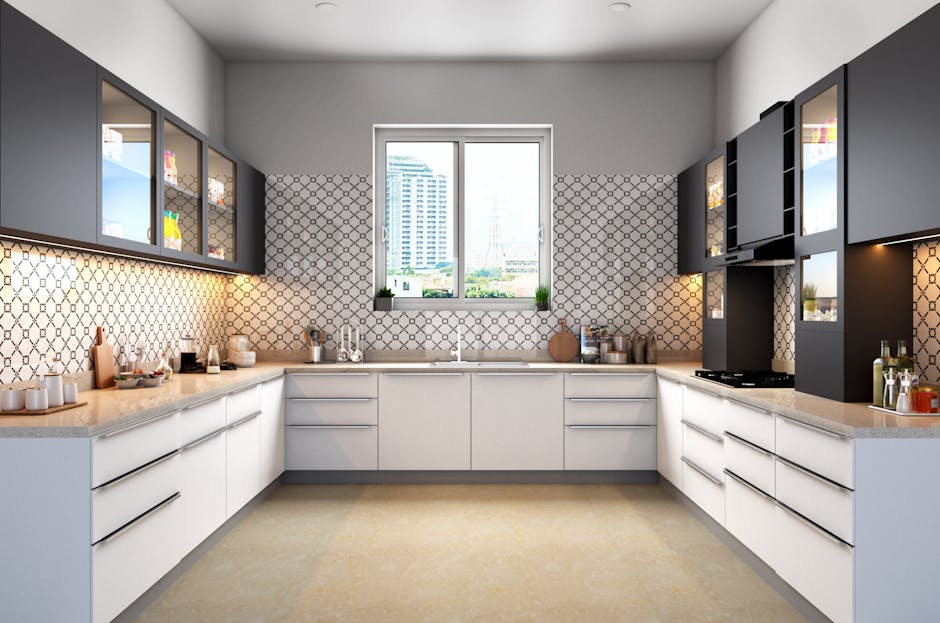
A U-shaped layout provides more counter space and storage options, making it ideal for larger kitchens. The design surrounds you on three sides, offering plenty of room for all your kitchen essentials. Imagine having multiple workstations without clutter.
If you love hosting dinner parties, this layout allows for efficient multitasking. You can cook, serve, and clean without feeling cramped. Ever thought about how a simple arrangement can improve your cooking flow? This layout might be the answer.
Straight Layout
The straight layout, also known as the one-wall kitchen, is a space-saving option ideal for compact areas. Everything is arranged along a single wall, which might seem minimal but offers surprising efficiency. Sometimes, simplicity is key.
Perfect for homes where space is a luxury, this layout ensures all your essentials are within reach. Are you seeking a streamlined design without compromising on functionality? This layout might suit your needs perfectly.
Choosing the right kitchen layout depends on your space and lifestyle needs. Each option offers unique advantages, so consider what suits your cooking habits best. How will you make your kitchen a place you love to spend time in?
Storage Solutions
Organizing an Indian modular kitchen can be a rewarding challenge. With the vibrant array of spices, grains, and utensils, you need practical storage solutions that make cooking a joy. Have you ever found yourself struggling to locate your favorite spice while a pot of curry is bubbling away? Smart storage is the key to a seamless cooking experience.
Cabinet Types
Cabinets are the backbone of your kitchen's storage system. Think about the items you use most frequently. Do you need easy access to your pressure cooker or dosa tava? Opt for open cabinets for these essentials. Closed cabinets work well for lesser-used items, keeping them out of sight and reducing clutter.
Consider cabinets with adjustable shelves. They allow you to customize the space according to your needs. Imagine having the flexibility to store tall bottles of oil alongside compact jars of spices. This adaptability can transform your kitchen into a well-organized space that caters to all your cooking habits.
Drawer Systems
Drawers are a game changer when it comes to organizing smaller items. Have you ever wasted time rummaging through a cluttered drawer for a measuring spoon? Drawer organizers can help. They keep your utensils, napkins, and cutlery neatly arranged, saving you precious time during meal prep.
Consider deep drawers for pots and pans. The advantage here is that you can stack them without the risk of toppling. Picture opening a drawer and finding everything you need in one glance. Deep drawers are also perfect for storing bulkier items like flour or rice bags, which might not fit in standard cabinets.
As you plan your kitchen, think about your daily routines. How can you make your space work for you? Efficient storage solutions will ensure that your kitchen remains clutter-free and functional, allowing you to focus on what truly matters—creating delicious meals for your loved ones.

Credit: www.designcafe.com
Material Choices
Selecting the right materials is key for organizing an Indian modular kitchen. Choose durable options like stainless steel or plywood for cabinets. These materials resist moisture and heat, ensuring longevity in your kitchen setup.
Choosing the right materials is crucial when organizing your Indian modular kitchen. The materials you select can significantly impact the kitchen's durability, aesthetics, and functionality. Let's explore some popular material choices that can enhance your kitchen's efficiency and appeal.
Wood Varieties
Wood brings warmth and elegance to any kitchen. In India, teak and sheesham are popular choices due to their durability and resistance to pests. Imagine cooking in a kitchen with cabinets that not only look stunning but are also easy to maintain. Another option is plywood, which is cost-effective and versatile. Plywood can be laminated or veneered to match your kitchen's decor. Have you ever noticed how a simple material change can transform a space completely?
Steel And Aluminum
Steel and aluminum are ideal for those seeking a sleek, modern look. These metals are incredibly durable and resistant to water and heat, making them perfect for Indian kitchens that see a lot of cooking action. They are also easy to clean, which is a significant advantage in a kitchen prone to spills and splashes. You can opt for a stainless steel finish for an industrial look or brushed aluminum for a softer touch. What material aligns with your vision of a dream kitchen? Consider mixing materials for a unique look. A wooden cabinet with steel handles can create a striking contrast. Think about the balance between style and function as you make your choices. Choosing the right materials is more than just a design decision; it's about creating a space that suits your cooking habits and lifestyle. What will you prioritize in your kitchen renovation?
Color Schemes
Choosing the right color scheme enhances the beauty of Indian modular kitchens. Bright colors like yellow, red, or blue create a lively space. Neutral tones like white or beige offer a calm atmosphere. Mixing bold and neutral colors brings balance and elegance.
Color schemes play a crucial role in organizing an Indian modular kitchen. They set the mood, enhance functionality, and can even influence how you feel when cooking. Choosing the right colors can transform your kitchen into a space that is not only aesthetically pleasing but also efficient and inviting.
Traditional Palettes
Traditional color schemes in Indian kitchens often draw inspiration from rich cultural heritage. Think of deep reds, vibrant yellows, and earthy browns. These colors evoke warmth and hospitality, making your kitchen feel welcoming and homely. Opting for a traditional palette can connect you to your roots. Imagine cooking a spicy curry surrounded by colors reminiscent of a bustling Indian spice market. Consider using wooden cabinets with a polished finish and brass or copper accents. This combination not only pays homage to Indian traditions but also adds a touch of elegance.
Modern Combinations
Modern kitchens in India are leaning towards sleek, minimalistic designs with bold color contrasts. White paired with navy blue or charcoal grey is a popular choice that exudes sophistication and cleanliness. These combinations create a sense of space and light, perfect for smaller kitchens. You might be surprised at how a splash of color can modernize your kitchen. A vibrant backsplash or colorful appliances can add character without overwhelming the space. Have you ever thought about using pastels? Soft hues like mint green or blush pink can make your kitchen feel fresh and contemporary. Pair them with metallic finishes for a chic and trendy look. Choosing a color scheme is more than just picking favorite colors. It’s about creating a space that reflects your personality and meets your cooking needs. What colors resonate with you and your cooking style?
Lighting Ideas
Creating the perfect lighting atmosphere in your Indian modular kitchen is essential. Proper lighting can transform the space, making it functional and inviting. You need a mix of task and ambient lighting to achieve this balance.
Task Lighting
Task lighting is crucial for cooking and preparing meals. It focuses light where you need it most. Under-cabinet lights are a great choice. They illuminate countertops, helping you chop and cook safely. Pendant lights over the island add style and function. They provide direct light, making tasks easier.
Ambient Lighting
Ambient lighting sets the mood in your kitchen. It creates a warm, welcoming atmosphere. Ceiling fixtures distribute light evenly across the room. Consider recessed lights for a modern look. They blend into the ceiling, offering soft illumination. Chandeliers add elegance and charm, enhancing the overall design.
Appliance Integration
Appliance integration is essential in an Indian modular kitchen. It enhances efficiency and aesthetics. Carefully chosen appliances blend seamlessly into the design. This creates a clutter-free cooking space. The right integration makes cooking easier and more enjoyable.
Built-in Options
Built-in appliances are popular in modular kitchens. They save space and offer a sleek look. Options like ovens and microwaves fit into cabinetry. They keep countertops clear and organized. Choose appliances that match the kitchen's color scheme. This ensures a harmonious appearance.
Energy Efficiency
Energy-efficient appliances are crucial for any kitchen. They reduce electricity bills and environmental impact. Look for appliances with energy ratings. These ratings indicate lower energy consumption. Energy-efficient models often have advanced features. They offer the same performance with less power.
Smart appliances often include energy-saving modes. These modes optimize usage and save energy. Choose refrigerators with inverter technology. This ensures efficient operation and reduces energy waste. Investing in energy-efficient appliances pays off in the long run.

Credit: www.youtube.com
Maintenance Tips
Keeping your Indian modular kitchen clean and well-maintained is essential. A well-organized kitchen not only looks appealing but also functions efficiently. Regular maintenance can enhance the longevity and performance of your kitchen appliances and fixtures. Here are some maintenance tips to keep your kitchen in top shape.
Cleaning Techniques
Wipe kitchen surfaces daily with a damp cloth. Use mild detergent for tough stains. Clean countertops and cabinets weekly to prevent dust buildup. Don't forget the backsplash. Use a soft sponge to avoid scratches. Regularly clean the chimney and exhaust fan. This prevents grease accumulation. Check for stubborn spots on appliances. Use specific cleaners for stainless steel.
Preventive Measures
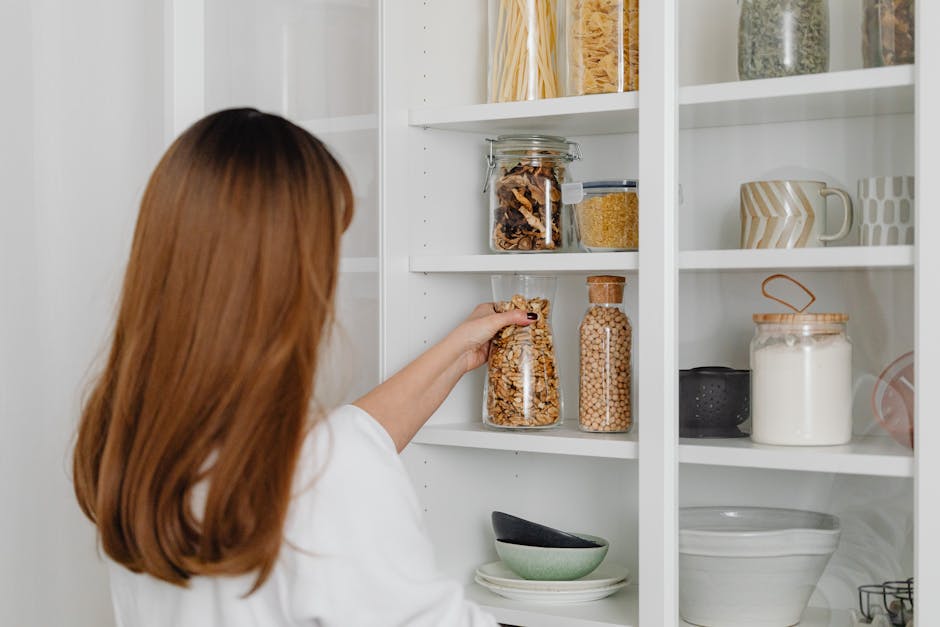
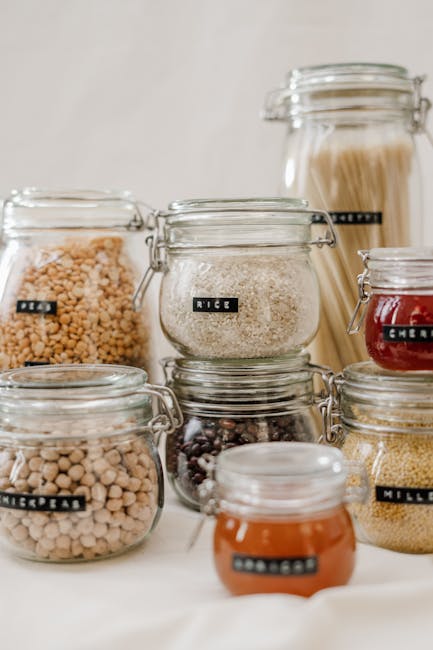
Inspect plumbing fixtures regularly for leaks. Fix any issues immediately. Use sink strainers to prevent food clogs. Regularly check hinges and handles. Tighten any loose ones. Ensure proper ventilation in the kitchen. This reduces moisture and odor. Store spices in airtight containers. This keeps them fresh longer. Avoid overloading cabinets. Distribute weight evenly to prevent damage.
Credit: haecker-india.com
Frequently Asked Questions
How To Optimize Modular Kitchen Storage?
Optimizing storage in a modular kitchen involves using vertical space efficiently. Consider wall-mounted shelves, pull-out drawers, and hanging racks. Use organizers for pots, pans, and utensils. Keep frequently used items accessible and store seldom-used items in higher cabinets. This approach maximizes space and enhances kitchen functionality.
What Are The Benefits Of Modular Kitchens?
Modular kitchens offer flexibility, customization, and efficient space utilization. They are easy to install and maintain. With a variety of designs and materials, they suit diverse tastes and budgets. Modular kitchens also enhance aesthetics and functionality, providing a clutter-free environment and improving cooking experiences.
How To Choose The Right Kitchen Layout?
Choosing the right kitchen layout depends on space and usage. Options include L-shaped, U-shaped, and island layouts. Consider workflow, accessibility, and storage needs. Evaluate available space and your cooking habits to select the most functional design. A well-planned layout enhances efficiency and convenience.
Which Materials Are Best For Indian Kitchens?
Materials like plywood, laminate, and stainless steel are ideal for Indian kitchens. Plywood is durable and moisture-resistant. Laminates offer versatility and are easy to clean. Stainless steel is sturdy and hygienic. Choose materials based on budget, aesthetics, and maintenance requirements for a lasting kitchen setup.
Conclusion
Creating an organized Indian modular kitchen is simple and rewarding. Start by decluttering your space for a fresh look. Use drawers and shelves to keep essentials within reach. Opt for vertical storage to maximize space. Arrange items by frequency of use for efficiency.
Label jars and containers for easy identification. Regularly clean your kitchen to maintain tidiness. With these tips, your kitchen will be more functional and inviting. Enjoy your cooking experiences in a well-organized space. Happy cooking!