Are you tired of rummaging through cluttered shelves every morning, desperately searching for your breakfast essentials? Imagine starting your day with a sense of calm, knowing exactly where everything is in your kitchen breakfast cabinet.
By mastering the art of organization, you can transform your chaotic mornings into a smooth and enjoyable routine. In this guide, you’ll discover simple, yet effective strategies to organize your breakfast cabinet, making it easier for you to grab your favorite cereal, coffee, or toast in no time.
Stick with us, and you'll learn how to create a breakfast space that doesn’t just look good, but also helps you feel good, setting a positive tone for the rest of your day.
Assessing Your Space
Start by sorting out your kitchen breakfast cabinet. Group similar items together. Use clear containers for easy access. Keep frequently used items at the front. Label shelves for quick identification. Regularly clean and declutter to maintain order. Simplified organization makes mornings smoother.
Organizing your kitchen breakfast cabinet can be a game-changer for your morning routine. Imagine opening the cabinet door and finding everything right where you need it. Before diving into organization, it's crucial to assess your space. Understanding the dimensions and layout of your cabinet helps in planning effectively. Are your shelves adjustable or fixed? Knowing these details can aid you in maximizing the available space.
Analyzing Your Cabinet Dimensions
Start by measuring the height, width, and depth of your cabinet. These measurements are the foundation for organizing. Consider whether taller items can fit without overcrowding. If your cabinet is narrow, you might need to stack items vertically. A personal tip: use a small notepad to jot down measurements; it’s handy when shopping for storage solutions.
Identifying Fixed And Adjustable Shelves
Check if your shelves can be adjusted. Adjustable shelves give you flexibility in arrangement. You can lower or raise them to fit taller cereal boxes or jars. If shelves are fixed, consider creative storage solutions, like stacking smaller items or using shelf risers. Do you remember the frustration of not being able to fit a tall bottle? Adjustable shelves can solve that.
Evaluating Your Storage Needs
Think about what you use daily. Do you have more coffee mugs or cereal boxes? Prioritize the items you reach for every morning. This helps in deciding which items need prime real estate within easy reach. Imagine waking up, and everything you need is right there, no searching involved.
Considering Accessibility
Accessibility is key. Ensure frequently used items are easy to grab. Place your favorite cereal near the front of the shelf. If you enjoy smoothies, keep the blender and ingredients together. Ever struggled to reach an item at the back of the cabinet? Use turntables or pull-out baskets for easier access.
Assessing Vertical Space Utilization
Make the most of vertical space. Use stackable containers or tiered shelves. This method allows you to utilize every inch. You'd be surprised how much space goes unused. Are you making the most of the height in your cabinet? Vertical storage can be your best friend.
Understanding Your Cooking Habits
Consider your cooking and eating habits. If you're a pancake lover, ensure your griddle and mix are easily accessible. Do you often change your breakfast choices? Keep versatile items like oats and nuts within reach. Reflecting on your habits helps tailor the space to your needs.
Creating A Future-proof Plan
Think long-term. Will your breakfast habits change over time? Plan for future additions like new appliances or dietary needs. A future-proof cabinet saves time and stress. What's your vision for your breakfast space in the coming months? Planning ahead keeps your space adaptable. Assessing your space is the first step toward transforming your kitchen breakfast cabinet into a functional haven. By understanding your cabinet dimensions and storage needs, you pave the way for a seamless morning routine. What changes will you make to enhance your breakfast experience today?
Prioritizing Essential Items
Organizing a kitchen breakfast cabinet can transform your morning routine. A well-organized cabinet saves time and reduces stress. Prioritizing essential items is crucial. It ensures easy access to your daily breakfast needs. This approach enhances efficiency and keeps your cabinet clutter-free.
Understanding Your Breakfast Essentials
Identify the items you use daily. Cereals, coffee, tea, and bread are common essentials. Place them at eye level for quick access. This method keeps your mornings smooth. It reduces unnecessary searching.
Creating A Dedicated Space
Designate a specific shelf for breakfast items. Group similar items together. Use baskets or bins for small items. This prevents clutter and maintains order. It makes your cabinet visually appealing.
Storing Frequently Used Items
Store frequently used items within easy reach. Place less used items toward the back. This setup prioritizes essentials. It optimizes space and accessibility. It simplifies your morning routine.
Labeling For Clarity
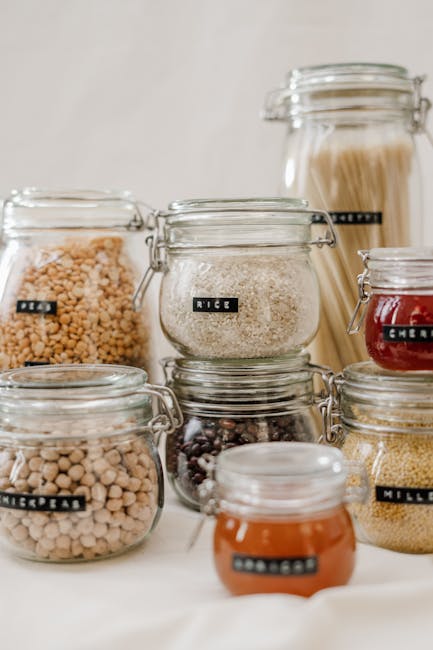
Label containers and bins clearly. Use simple words or images. Labels help everyone find items easily. They enhance organization and prevent confusion. Labels make your cabinet user-friendly.
Regular Maintenance Checks
Regularly check and update your cabinet organization. Remove expired items promptly. Replenish essentials often. This ensures a fresh and functional cabinet. Maintenance keeps your setup efficient.
Utilizing Storage Solutions
Organizing a kitchen breakfast cabinet can simplify your mornings. Efficient storage solutions make finding items easy and quick. This section explores ways to utilize these solutions effectively. From maximizing shelf space to using clear containers, these tips help create a neat and functional space.
Maximizing Shelf Space
Adjustable shelves offer flexibility for different item sizes. Use risers to create extra layers on shelves. Store items vertically to save room. Stack bowls and plates to utilize height. Keep often-used items at eye level for easy access.
Incorporating Drawer Dividers
Drawer dividers separate utensils and small gadgets. They prevent clutter and keep items organized. Customize dividers to fit your drawer size. Use them for organizing tea bags, packets, and small containers. Easy access to essentials makes mornings smoother.
Using Clear Containers
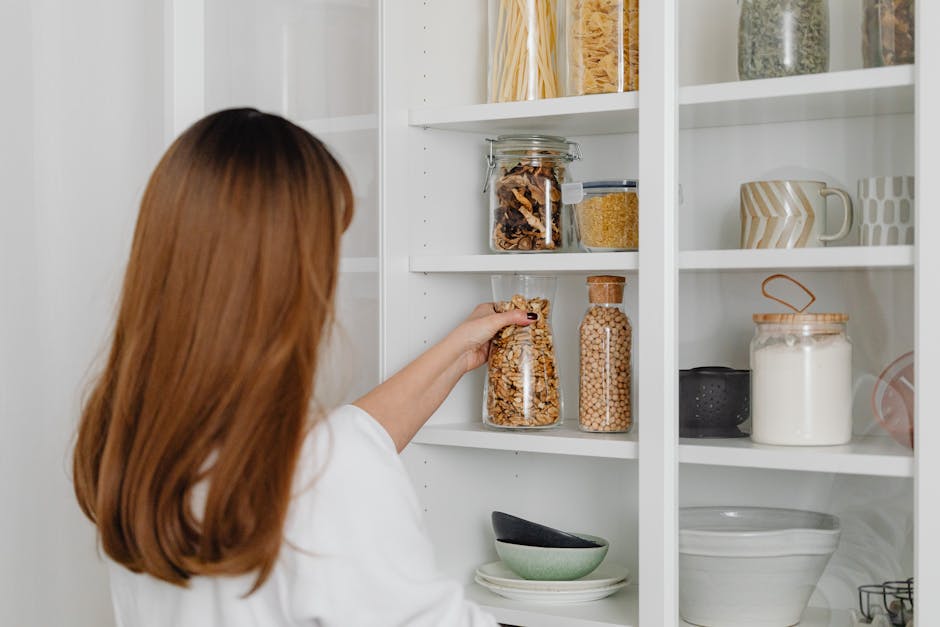
Clear containers help identify contents quickly. They prevent confusion and save time. Store cereals, grains, and snacks in airtight containers. Label them for easy identification. Stackable containers maximize space on shelves. Transparent materials improve visibility.

Credit: chrissymarieblog.com
Creating A Convenient Layout
Design a neat breakfast cabinet by sorting items by category. Store cereals, spreads, and utensils separately for easy access. Keep frequently used items at eye level to save time during busy mornings.
Creating a convenient layout for your kitchen breakfast cabinet saves time and energy. With a well-organized cabinet, breakfast preparation becomes a breeze. An efficient system reduces clutter and helps find items easily. Let's explore how to create a functional and organized breakfast cabinet.
Grouping Similar Items
Store similar items together for easy access. Place cereals, oats, and grains in one section. Keep jams, honey, and spreads in another. This system reduces search time. Use containers and labels for clarity. Transparent containers work best. You can see contents at a glance.
Placing Frequently Used Items At Eye Level
Put your most-used items within reach. Place them at eye level for quick access. Store coffee, tea, and sugar here. It saves you from bending or stretching. Place less-used items on higher or lower shelves. This keeps the cabinet neat and organized.
Labeling For Easy Access
Organizing your kitchen breakfast cabinet can make mornings smoother. Labeling is a simple yet effective way to enhance accessibility. Labels help you find items quickly. They reduce the chaos often found in busy kitchens. With proper labeling, you can streamline your daily routine.
Label Types And Materials
Choose labels that suit your kitchen style. Paper labels are easy and affordable. Consider waterproof materials for longer-lasting labels. Chalkboard labels offer flexibility. You can easily change them when needed.
Color Coding For Clarity
Use colors to categorize items in the cabinet. Assign a color to each food group. This makes finding items faster. Bright colors stand out. They are perfect for grabbing attention and enhancing organization.
Placement For Visibility
Place labels where they are easily visible. Attach them to the front of containers. Ensure they are legible from a distance. This way, you can identify items swiftly.
Consistency In Labeling
Maintain uniformity in label design. Use the same font and size. Consistent labeling reduces confusion. It makes your cabinet look neat and tidy.
Diy Labeling Ideas
Get creative with DIY labels. Use washi tape for a colorful touch. Try stencils for a polished look. Incorporate personal style into your kitchen organization.

Credit: www.styleanddwell.com
Rotating Stock Regularly
Keeping a kitchen breakfast cabinet organized requires regular attention. Rotating stock regularly is essential. It prevents expired items from lingering and ensures fresh supplies. This practice helps maintain an efficient and tidy space.
Why Rotate Stock?
Rotating stock helps minimize food waste. Older items move to the front. Newer products stay in the back. This simple method keeps everything fresh and usable. It also saves money by reducing spoiled food.
How To Implement A Rotation System
Create a simple rotation system for your cabinet. Label shelves with dates. Place newer items behind older ones. This ensures older products get used first. Consistent checks help maintain order.
Set A Regular Schedule
Set a specific day each week for rotation. This builds routine and ensures consistency. You can tie it to your grocery shopping day. This way, new purchases integrate smoothly.
Involve The Whole Family
Make it a family activity. Teach children the importance of food rotation. Assign everyone a task. This builds habits and makes the process faster.
Benefits Of A Well-organized Cabinet
A well-organized cabinet saves time. You find items quickly without searching. It also reduces stress in the morning. Enjoy breakfast preparation with ease and confidence.
Maintaining Organization
Organizing a kitchen breakfast cabinet simplifies morning routines. Store cereals, jams, and tea in labeled jars for easy access. Arrange items by frequency of use, placing daily essentials upfront.
Maintaining organization in your kitchen breakfast cabinet is essential for a smooth morning routine. It ensures that everything you need is at your fingertips, preventing unnecessary stress. By keeping your cabinet orderly, you'll save time and enjoy a more pleasant start to your day. Let's dive into some practical ways to keep your breakfast cabinet in top shape.
Setting A Cleaning Schedule
Regular cleaning is key to maintaining organization. Set a weekly or bi-weekly schedule to tidy up your breakfast cabinet. This helps keep dust and crumbs at bay, making your mornings more enjoyable. Consistency is crucial. Choose a day and time that suits your routine. Perhaps a Sunday morning while your coffee brews? Involve the family. Assign small tasks to each member, turning cleaning into a fun, shared activity.
Conducting Periodic Reviews
Take time every few months to evaluate your breakfast cabinet's contents. Are there items you no longer use? Perhaps a cereal that nobody eats or expired jam? Declutter by removing these items, creating more space for the essentials you love. Consider the layout. Are the most-used items easily accessible? Reorganize if necessary, ensuring efficiency and convenience. Maintaining organization is an ongoing process, not a one-time task. How often do you find yourself scrambling for breakfast items? By setting a cleaning schedule and conducting periodic reviews, you can transform your morning routine. Try these strategies and notice the difference in your daily life.
:strip_icc()/organize-your-pantry-by-zones-01-a6967797e62242518640385376099ef3.jpg)
Credit: www.bhg.com
Frequently Asked Questions
What Items Should Be In A Breakfast Cabinet?
A breakfast cabinet should include essentials like cereals, oats, coffee, tea, and healthy snacks. Organize items in jars or bins for easy access. Consider adding breakfast-specific utensils, bowls, and mugs. Keeping a well-stocked cabinet saves time and makes mornings smoother.
How Do I Maximize Cabinet Space?
Use stackable bins and organizers to maximize vertical space. Install shelves for additional storage options. Label containers for easy identification. Consider using pull-out trays for accessibility. Optimize space by storing less-used items at the back and frequently used items in the front.
How Can I Keep My Cabinet Organized?
Regularly declutter your cabinet by removing expired items. Group similar items together for easy access. Use clear containers to see contents quickly. Implement a labeling system to maintain order. Establish a routine to check and tidy your cabinet weekly.
What Are Common Breakfast Cabinet Mistakes?
Avoid overcrowding the cabinet with unnecessary items. Not using vertical space leads to wasted storage. Mixing food categories can cause confusion. Ensure items are easily accessible. Regularly check expiration dates to prevent stocking expired products.
Conclusion
Organizing your kitchen breakfast cabinet saves time every morning. A tidy cabinet simplifies meal prep. It also reduces stress. Arrange items by use and frequency. Keep essentials easy to reach. Donate unused items to create more space. Labels help find items quickly.
Storage containers maintain order. Regularly clean and declutter to keep it neat. A well-organized cabinet makes mornings smoother. Enjoy a more efficient kitchen. Your breakfast routine will thank you. It's a small change with big benefits.