Are you tired of opening your kitchen cabinet only to find a chaotic jumble of plates spilling out? Organizing your kitchen cabinet plates can feel like a never-ending battle.
But what if I told you there's a simple way to bring order to this chaos? Imagine a kitchen where every plate has its place, making meal prep smoother and more enjoyable. By learning how to organize your kitchen cabinet plates effectively, you not only save time but also reduce stress and enhance the aesthetics of your space.
Dive into this guide, and discover easy, actionable tips that will transform your kitchen into a haven of organization. Your perfectly arranged cabinet awaits!
Assessing Your Kitchen Space
Organizing your kitchen cabinets starts with assessing your kitchen space. Understanding the available space helps in efficient organization. It ensures you use every inch wisely. This step lays the foundation for a clutter-free kitchen.
Understanding Your Cabinet Layout
Examine your cabinet layout thoroughly. Identify tall and short spaces. This helps in deciding where to place different items. It also helps in using the space effectively.
Measuring Your Available Space
Get a measuring tape. Measure the width, height, and depth of each cabinet. Note down these dimensions. This information is crucial for planning storage solutions. It also helps in choosing the right organizers.
Identifying Storage Needs
Think about the items you need to store. Plates, bowls, and other kitchenware. Make a list of these items. Consider their sizes and frequencies of use. This helps in prioritizing storage solutions.
Evaluating Cabinet Accessibility
Check how easily you can access different cabinets. Some might be too high or low. This affects how you organize items. Frequently used items should be easily reachable.
Considering The Cabinet Material
Cabinet material affects weight capacity. Some materials hold more weight than others. Ensure your cabinets can support the items you store. This prevents damage and ensures safety.
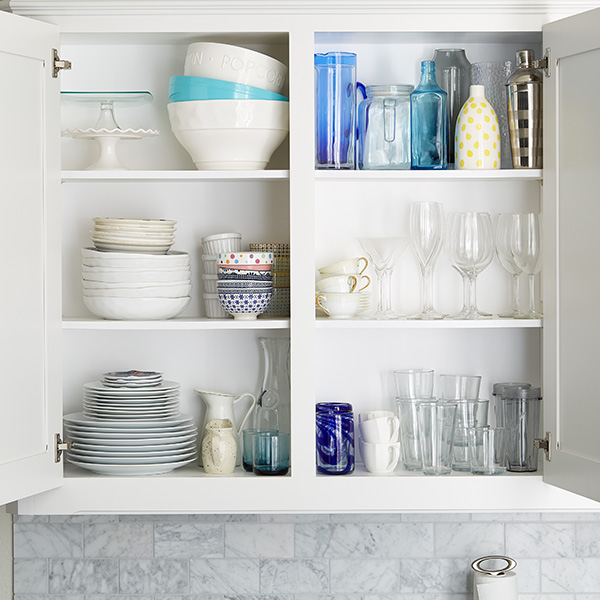
Credit: www.containerstore.com
Sorting And Decluttering
Sorting and decluttering your kitchen cabinet plates can transform your space. A well-organized cabinet makes cooking and dining more enjoyable. It saves time and reduces stress. Follow these simple steps to tidy up your plate collection.
Categorize Your Plates
First, separate plates by type. Group dinner plates, salad plates, and dessert plates. This helps you find what you need quickly. Consider how often you use each type. Place frequently used plates within easy reach. Less-used plates can go higher or lower in the cabinet.
Identify Unused Items
Check for plates you seldom use. Ask yourself, "Do I really need this?" Remove chipped or mismatched plates. Donate items you no longer want. Keeping only what you use frees up space. A less crowded cabinet is easier to manage.
Choosing The Right Storage Solutions
Choosing the right storage solutions for your kitchen cabinet plates can transform your cooking space. It’s not just about aesthetics; it's about making your kitchen work for you. Imagine opening your cabinet and having everything within arm's reach, neatly organized and easy to access. The right storage solutions can make this possible, turning chaotic cupboards into a streamlined paradise. But how do you decide what works best for your kitchen?
Selecting Plate Racks
Plate racks are a game-changer. They allow you to stack plates vertically, saving space and reducing clutter. Consider adjustable racks that fit various plate sizes, from dinner plates to small saucers. This flexibility means you can reorganize without hassle when your collection grows or changes.
Think about your plate usage. Do you use certain plates more frequently? Place those on the most accessible racks. In my kitchen, the dinner plates sit upfront because they’re daily essentials. Less-used fancy china is tucked further back, but still visible for easy access.
Material matters too. Metal racks are durable but can scratch delicate dishes. Wooden racks offer a softer touch and a rustic look. Choose what suits your style and needs.
Utilizing Cabinet Dividers
Cabinet dividers are perfect for maximizing space. They allow you to create sections within a cabinet, ideal for separating different types of plates. This organizational tool can prevent stacks from toppling over, keeping your plates safe and accessible.
Consider adjustable dividers for flexibility. You can modify the space as needed, accommodating new purchases or seasonal dishware. This adaptability is key to a kitchen that grows with you.
Personalize your dividers. Label sections for specific occasions—everyday use, special dinners, or holiday feasts. This not only organizes your plates but also adds a personal touch to your storage space.
What storage solutions have you tried in your kitchen? Have you discovered a hack that made organizing a breeze? Share your experiences and explore new ideas that could transform your space into a model of efficiency.
Maximizing Vertical Space
Maximizing vertical space in your kitchen cabinets can create a neat, organized look. The trick is using every inch wisely. Vertical space often goes unused, leaving clutter below. With a few smart strategies, you can change this. Use vertical space to store plates, bowls, and more efficiently.
Installing Adjustable Shelves
Adjustable shelves help you use vertical space effectively. They allow flexibility in organizing items of different heights. You can easily fit tall and short dishes by adjusting the shelf height. This method is ideal for maximizing cabinet space. It also keeps your kitchen looking clean and tidy.
Using Stackable Bins
Stackable bins are another great option for vertical storage. They help you organize plates by size or use. Place larger plates in the bottom bin. Smaller plates can go in the top bins. This way, you can easily access the plates you need without a hassle. Stackable bins also protect your dishes from chips and scratches.
Efficient Plate Placement
Efficient plate placement in kitchen cabinets is key to a streamlined cooking experience. Arranging plates thoughtfully saves time and reduces clutter. Let's explore smart strategies to organize your plates effectively.
Plates By Frequency Of Use
Place frequently used plates at eye level. This makes them easy to grab. Store special occasion plates higher up. Keep daily plates within reach. Avoid stacking them too high. This reduces the risk of breakage.
Grouping By Size And Type
Organize plates by size. Stack similar-sized plates together. This maximizes space and maintains order. Group plates by type, like dinner and dessert plates. This arrangement makes selection quicker.
Use dividers for better organization. They prevent plates from sliding. This adds stability and safety. Ensure easy access by placing dividers strategically. A tidy cabinet enhances kitchen efficiency.
Maintaining An Organized Cabinet
Keeping your kitchen cabinet organized is a constant challenge. You might have experienced the thrill of a newly arranged cabinet, only to find chaos creeping back in a few weeks later. Maintaining an organized space requires consistent effort, but the rewards are worth it. A tidy cabinet not only saves time but also reduces stress. Let’s explore simple strategies to keep your plates perfectly in order.
Regular Cleaning Tips
Start with a clean slate. Wipe down shelves and corners every month to prevent dust and grime build-up. Use mild soap and water for a quick cleanse. Consider your cleaning routine a fresh start rather than a chore.
Use cleaning as a chance to inspect for any chipped or damaged plates. It's easy to overlook imperfections when plates are stacked. By cleaning regularly, you ensure your collection is both spotless and safe.
Routine Reassessment
Have you noticed how quickly your cabinet fills up with new items? Routine reassessment is key. Every couple of months, take a moment to evaluate your plate collection. Are there items you never use?
Think about hosting a plate swap with friends. It can be a fun way to refresh your collection without spending a dime. Plus, it encourages you to reassess your plate needs frequently.
Ask yourself: Do these plates reflect my current lifestyle? Your needs might change, and your cabinet should adapt accordingly. This keeps your space relevant and functional.
In the end, maintaining an organized kitchen cabinet is about regular upkeep and thoughtful evaluation. By cleaning often and reassessing your collection, you ensure your cabinet stays tidy and tailored to your needs. What's your favorite strategy for keeping your kitchen cabinet organized?
Expert Advice
Organizing kitchen cabinet plates can create a neat and efficient space. Use dividers or racks to stack plates safely. Keep frequently used plates at eye level for easy access.
Organizing your kitchen cabinet plates can transform the way you experience cooking and dining. With a few expert tips, you can maximize space, prevent damage, and create a visually pleasing arrangement. These insights can help you avoid common pitfalls and implement creative solutions that cater to your needs.
Common Mistakes To Avoid
One frequent mistake is stacking plates too high. This can lead to instability and the risk of breaking dishes. Aim to keep stacks to a manageable height for easy access. Avoid placing plates in hard-to-reach spots. It’s a hassle to grab a dinner plate from the top shelf when you’re in the middle of cooking. Position everyday items within easy reach to simplify your routine. Another common error is not categorizing by type or size. Mixing large dinner plates with small salad plates creates clutter and confusion. Sort your plates by size or function for seamless access.
Innovative Organization Hacks
Consider using vertical plate holders. These allow you to store plates upright, saving space and reducing the risk of chipping. Vertical storage also provides a neat and organized look. Install a pull-out shelf. This hack transforms deep cabinets into accessible storage, allowing you to pull out your plates with ease. It’s perfect for those hard-to-reach areas. Think about using shelf risers. They double your storage space by creating an additional tier for stacking. You get more room for your plates without needing extra cabinets. Have you ever considered color coding? Arranging plates by color not only looks aesthetically pleasing but also makes it easier to find what you need. This is especially useful if you have a variety of plate styles. Are these expert tips sparking new ideas for your kitchen? Remember, the best organization system is one that works for you and your lifestyle.
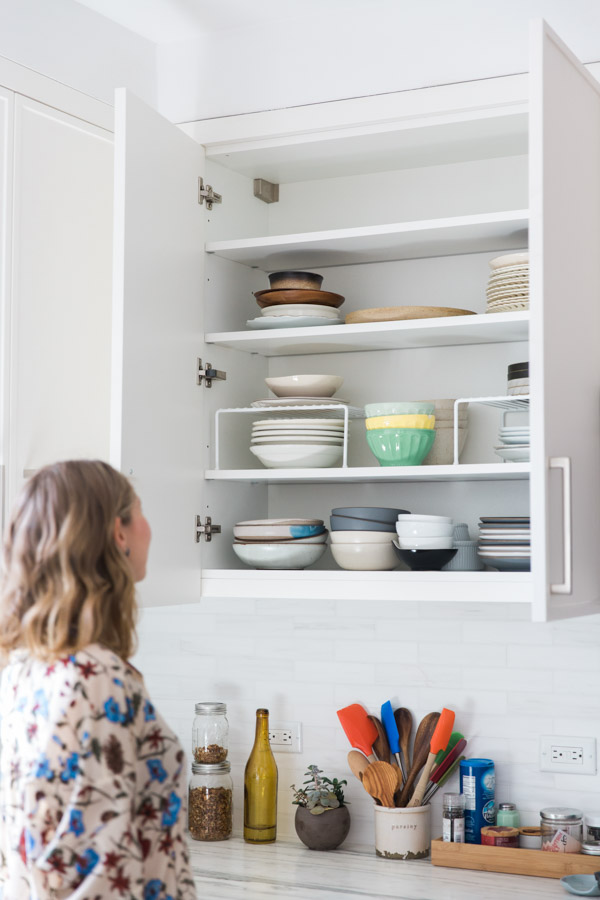
Credit: feedmephoebe.com
:max_bytes(150000):strip_icc()/how-to-organize-dishes-GettyImages-628483810-6c77a790a90342f8988aba3a9e2e5d60.jpg)
Credit: www.realsimple.com
Frequently Asked Questions
How Do I Start Organizing My Plates?
Begin by removing all plates from the cabinet. Sort them by size and type. Consider donating or recycling any unused or broken plates. Clean the cabinet before returning your sorted plates. Use stackable organizers or dividers to maximize space. Arrange plates by frequency of use for easy access.
What Tools Help Organize Kitchen Plates?
Use stackable organizers, plate racks, or dividers to keep plates tidy. Consider adjustable shelves for flexibility. Lazy Susans can optimize corner cabinets. Drawer inserts are great for storing smaller plates securely. Choose tools that fit your cabinet size and personal needs for effective organization.
How Can I Save Space In My Kitchen Cabinet?
Utilize vertical space with stackable plate organizers. Use shelf risers to create additional layers. Store rarely-used plates in higher or less accessible areas. Keep everyday plates within easy reach. Consider removing cabinet doors for open shelving, which can make the space feel larger.
Should I Store Plates Vertically Or Horizontally?
Store plates horizontally to prevent chipping and ensure stability. Vertical storage can be useful for platters or larger items. Use dividers or racks to separate and protect plates. Horizontal stacking is generally safer and provides easier access to plates during meal prep.
Conclusion
Organizing kitchen cabinet plates can transform your cooking space. Clear out old items first. Keep only essential plates. Use dividers for neat stacks. Choose adjustable shelves for flexibility. Label sections for easy access. Regularly check and maintain order. Small changes make a big difference.
Clean and organized cabinets save time. They improve your cooking experience. Enjoy a clutter-free kitchen with these simple steps. Make cooking more enjoyable and stress-free. Keep your kitchen tidy, and you'll find joy in every meal preparation.