Imagine opening your kitchen closet and finding everything neatly organized, despite not having any shelves. Sounds impossible, right?
But with a few clever tricks, you can transform your kitchen closet into a well-organized space that makes cooking and meal prep a breeze. If you've been struggling to find a solution for that messy kitchen closet, you're in the right place.
This guide will show you how to maximize every inch of your closet using innovative storage solutions. Say goodbye to the chaos and hello to a more efficient kitchen. Ready to discover the secrets to a clutter-free kitchen closet? Let's dive in and turn your storage nightmare into a dream come true.
:strip_icc()/brixton-1-34df87abe5b04dcb9a8008f9fdbc1b2f.jpg)
Credit: www.mydomaine.com
Assessing Space Needs
Organizing a kitchen closet without shelves can seem challenging. But understanding your space needs simplifies the task. A well-organized closet makes cooking and cleaning easier. Begin by assessing what you need and how much space you have. This step helps in planning an effective organization strategy.
Understanding Your Storage Requirements
First, list items you plan to store in the closet. Include pots, pans, dishes, and utensils. Don’t forget cleaning supplies and food items. This list helps you understand what needs space.
Measuring Your Closet Space
Take precise measurements of the closet. Note the height, width, and depth. These measurements guide your organization plans. They also help in choosing storage solutions like bins or racks.
Identifying High-use Items
Identify items you use most frequently. These should be easily accessible. Place them at the front or in a convenient spot. This saves time during busy cooking sessions.
Considering Vertical Space
Vertical space is often overlooked. Use tall containers or stackable bins to maximize it. Hanging hooks or rods can hold pans or utensils. This keeps the floor area clear.
Planning For Future Additions
Think about future storage needs. Leave some space for new items. This prevents clutter as your collection grows. Regularly declutter to maintain an organized space.
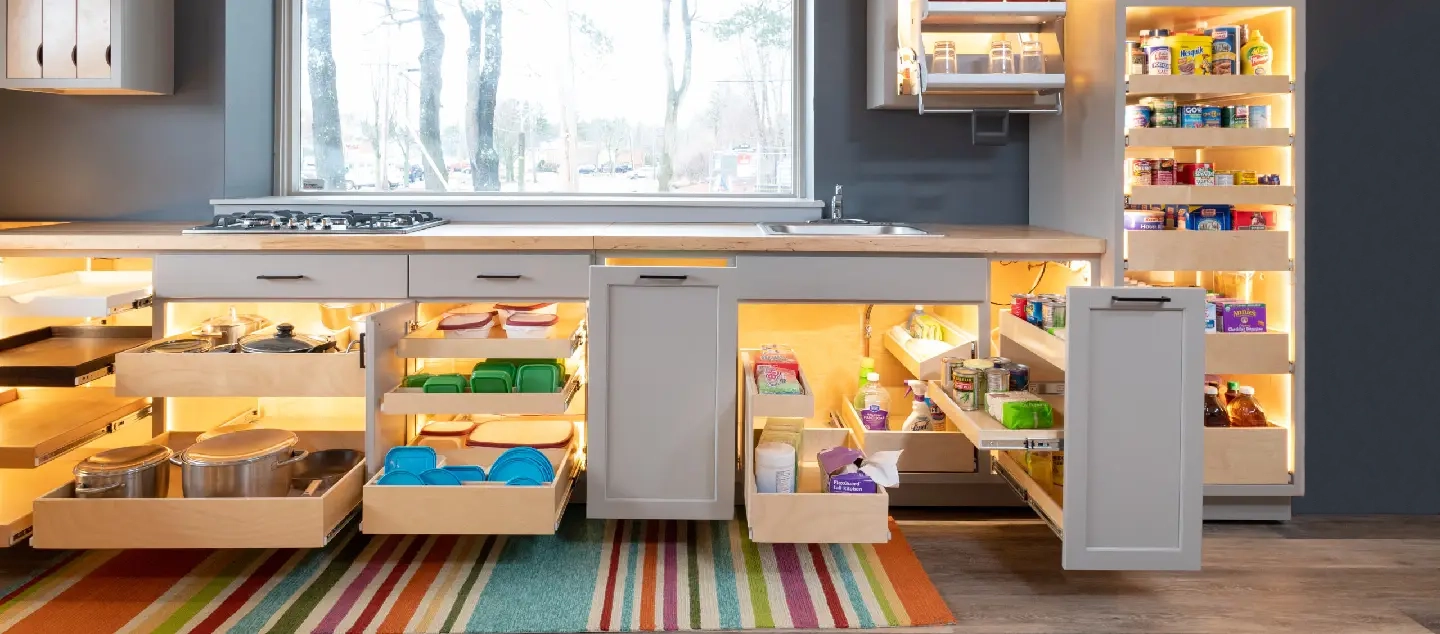
Credit: www.shelfgenie.com
Creative Storage Solutions
Organizing a kitchen closet without shelves can seem daunting. Yet, with creative storage solutions, you can maximize space efficiently. Transform empty areas into functional storage. Use simple tools and smart ideas. Your kitchen closet will be more organized and accessible.
Utilizing Vertical Space
Vertical space is often overlooked. Hang hooks for pots, pans, and utensils. Install pegboards for flexible storage options. Use stackable bins on the floor. Consider wall-mounted racks for spices and jars. Each vertical addition saves floor space.
Freestanding Storage Units
Freestanding units offer versatility. Use rolling carts for easy access to items. These can be moved around as needed. Tall cabinets can store dishes and cookware. Find units that fit snugly in your closet. They offer ample space and organization.
Maximizing Floor Area
Organizing a kitchen closet without shelves can seem challenging. Yet, with creative ideas, you can make the most of the floor space. A well-organized closet enhances efficiency and keeps your kitchen tidy. Let's explore how to maximize the floor area effectively.
Portable Trolley Options
Portable trolleys serve as versatile storage solutions. They are mobile and easy to move around. You can store various items on them, like pots, pans, or groceries. Choose a trolley with multiple tiers for added storage. Opt for one with wheels for easy repositioning. Select a design that complements your kitchen style.
Stackable Bins And Boxes
Stackable bins and boxes help utilize vertical space. They are perfect for storing pantry items or kitchen tools. Clear bins allow you to see contents at a glance. Label each box to maintain order. Choose sturdy materials for long-lasting use. Stack them securely to prevent tipping over. This method keeps your kitchen organized and clutter-free.
Efficient Use Of Wall Space
Organizing a kitchen closet without shelves can be challenging. But using wall space efficiently transforms the area. Walls offer valuable vertical storage. Maximize this space to keep your kitchen organized and clutter-free.
Installing Pegboards
Pegboards are versatile and easy to install. Hang them on any free wall space. They provide a spot for hanging utensils, pots, and pans. Keep items within reach and off the counter. Use hooks, baskets, and shelves on the pegboard. Customize it to fit your needs. This makes it easy to access your kitchen tools. Pegboards add a neat, organized look to your closet.
Magnetic Racks
Magnetic racks make use of wall space effectively. They hold metal items like knives and spice jars. Install them on the wall or inside cabinet doors. Magnetic racks keep essential items visible and accessible. This frees up counter space and adds convenience. Choose strong magnets to ensure items stay in place. Arrange items in a way that suits your cooking style. With magnetic racks, everything has a place.
Organizing Small Items
Organizing small items in a kitchen closet without shelves can be tricky. These items often get lost or cluttered easily. With the right tools, you can keep everything tidy and accessible. This section explores practical solutions for keeping small kitchen essentials in order.
Drawer Organizers
Drawer organizers are perfect for grouping small kitchen tools. They fit neatly inside drawers and keep everything in its place. Use them for utensils, measuring spoons, or kitchen gadgets. They prevent items from shifting and getting mixed up. Choose organizers with adjustable sections for flexibility. This allows you to customize the space for different items.
Clear Containers
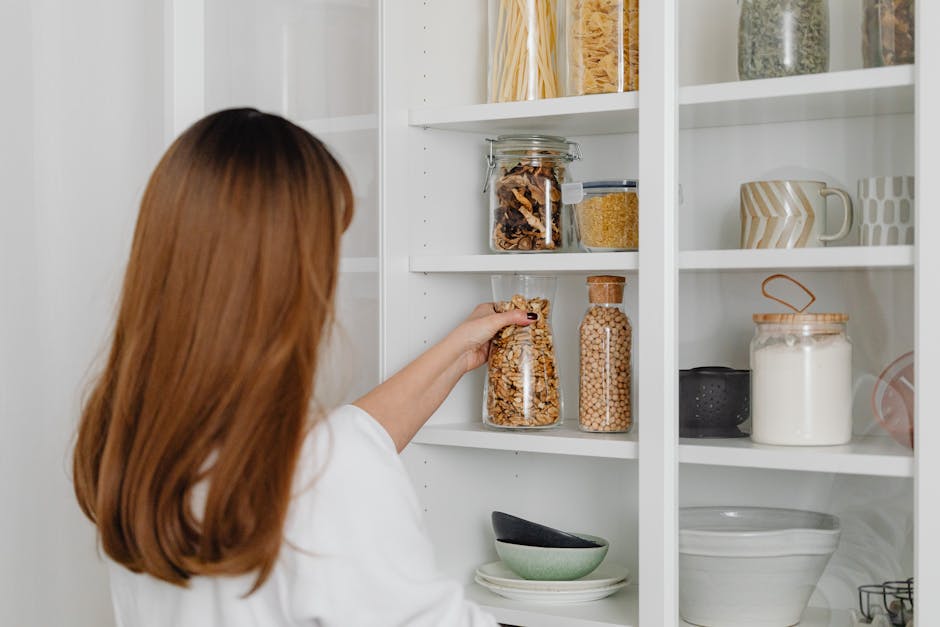
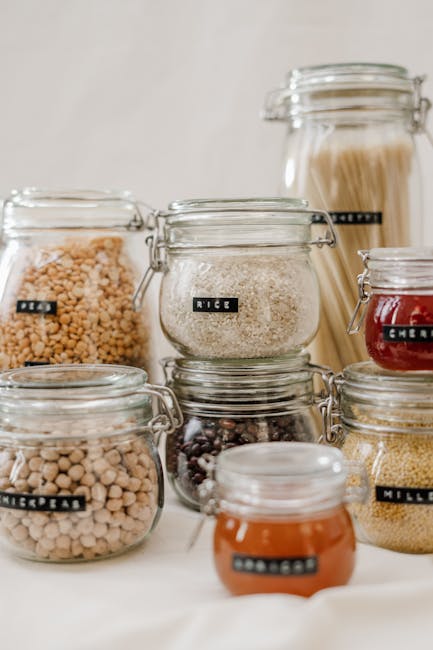
Clear containers offer a transparent solution for small item storage. They make contents visible, so you quickly find what you need. Use them for spices, snacks, or baking supplies. Stackable options save space and create a uniform look. Label each container for easy identification. This method keeps your kitchen closet organized and efficient.
Labeling And Categorizing
Maximize space in a shelf-less kitchen closet by using labeling and categorizing techniques. Utilize clear containers and baskets to group similar items together, making everything easy to find. This approach helps maintain order and ensures a tidy, efficient kitchen environment.
Organizing a kitchen closet without shelves can seem challenging, but labeling and categorizing can transform chaos into calm. Labels offer clarity and help in quickly identifying items. Categorizing ensures that everything has a designated spot, reducing clutter and making the most of your space. Let’s explore effective strategies to label and categorize your kitchen closet for maximum efficiency.
Using Clear Containers And Labels
Clear containers are a game-changer. They not only keep items visible but also give a uniform look to your closet. Use a label maker or simple stickers to name each container. This way, you'll always know where everything belongs, and others in your household will too.
Creating Zones For Similar Items
Think about the items you use most often. Create zones based on categories like baking supplies, snacks, or cleaning products. Grouping similar items together makes it easier to find what you need quickly. Once you have zones, label them clearly to maintain order.
Implementing A Color Coding System
Color coding can be a fun and efficient way to organize. Assign different colors to different categories. Use colored labels or containers to match. This visual cue makes it easy to locate items at a glance. Imagine how simple restocking becomes when everything has a color!
Regularly Reviewing And Updating Labels
Things change. You might buy new products or find a better system. Regularly review your labels and categories. Are they still relevant? Updating them ensures your closet remains organized and functional. It’s a small task that keeps your kitchen efficient.
Personal Experience With Labeling
I once struggled with a cluttered closet, constantly losing items. After labeling everything, I found things much faster. My mornings became less stressful, and I saved money by not repurchasing items I thought were lost. Have you tried labeling yet? What difference did it make for you? How do you plan to label and categorize your kitchen closet? Share your thoughts and tips!
Regular Maintenance Tips
Transform a cluttered kitchen closet with smart organization tips. Utilize stackable bins and hanging organizers for efficient storage. Keep essentials within reach and create dedicated spaces for similar items.
Keeping your kitchen closet organized is not a one-time task. Regular maintenance is key to ensuring that the space remains functional and clutter-free. With no shelves, you need a strategy that involves frequent check-ins and mindful management of the items you store. Here are some regular maintenance tips that can help you maintain a well-organized kitchen closet.
Declutter Regularly
Set aside time every month to declutter your closet. During this time, remove items you no longer use or need. This simple habit prevents unnecessary clutter from building up.
Use Clear Bins And Labels
Clear bins allow you to see what's inside without opening them. Add labels to make it easier to find what you need quickly. This saves you time and keeps your closet tidy.
Rotate Items Seasonally
Seasonal rotation can be a game-changer. Store winter-specific items during summer and vice versa. This ensures that your closet only houses essentials relevant to the current season.
Clean Surfaces Frequently
Dust and crumbs can accumulate fast. Regularly wipe down the floor and any containers. Keeping surfaces clean maintains a fresh and inviting space.
Re-evaluate Your System
Is your organization system still working for you? Periodically assess and adjust your setup as needed. This flexibility ensures your closet continues to meet your evolving needs.
Mindful Shopping
Before purchasing new items, consider if you truly need them. This mindful approach prevents your closet from becoming overcrowded. Plus, it encourages thoughtful consumption. Do you have a unique method that works wonders for your kitchen closet? Share your tips and experiences in the comments. Your insights could inspire someone else to streamline their space too.
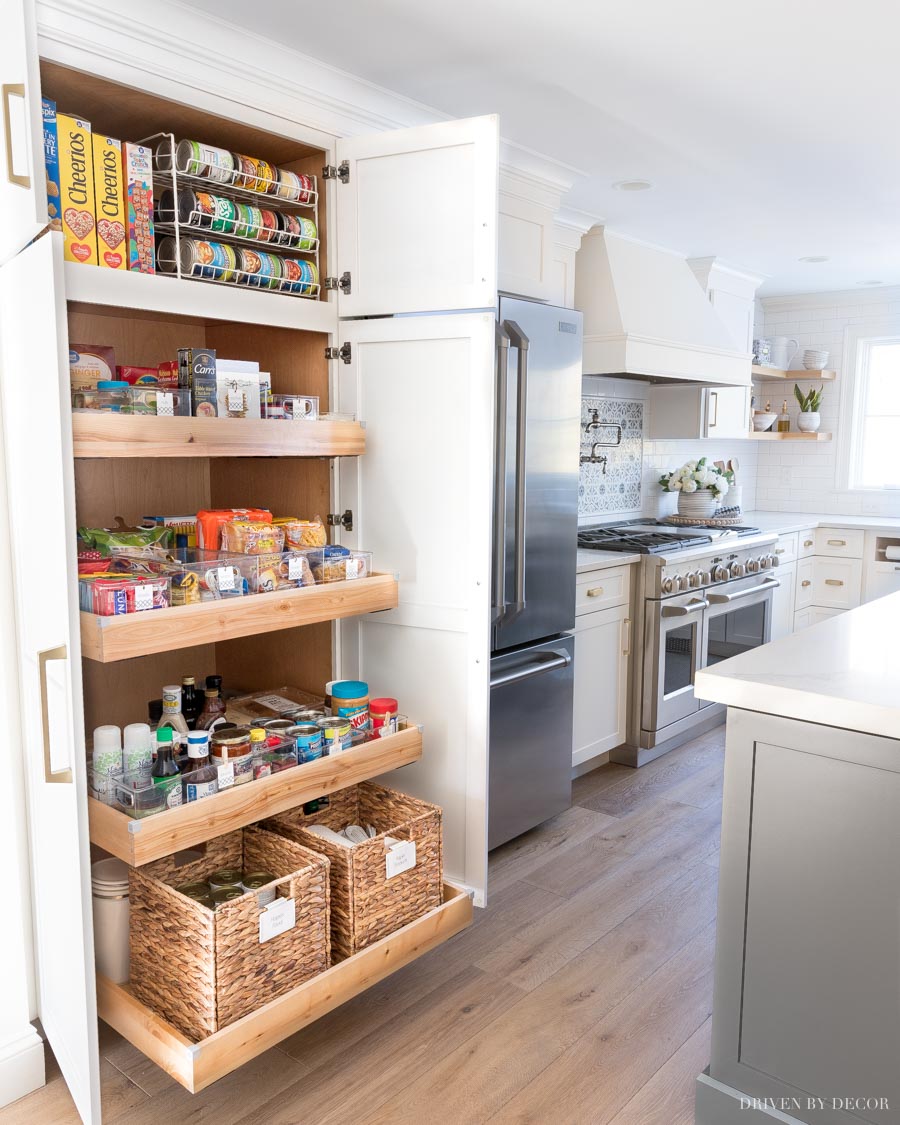
Credit: www.drivenbydecor.com
Frequently Asked Questions
How Can I Organize A Kitchen Closet Without Shelves?
Use stackable bins to categorize items. Hang hooks for utensils or mugs. Use tension rods to create divisions for baking sheets or cutting boards. Install a pegboard on the door for hanging small tools. Utilize clear containers to store dry goods, making it easy to see contents.
What Are The Best Alternatives To Shelves?
Consider using freestanding racks or tiered baskets. Over-the-door organizers provide extra storage. Magnetic strips can hold knives or spice jars. Rolling carts offer flexibility and can be moved as needed. Stackable drawers can maximize vertical space and keep items organized.
How Do I Maximize Space In A Small Closet?
Use vertical space with stackable storage solutions. Add hooks or rods for hanging items. Use baskets or bins to group similar items. Utilize the back of the door for additional storage. Label everything to ensure easy access and organization.
Can Tension Rods Help In Organizing?
Yes, tension rods can create sections for organizing cutting boards, baking sheets, or lids. They are adjustable and easy to install. Tension rods can also be used to hang cleaning supplies or towels. They provide a versatile and inexpensive organization solution for small spaces.
Conclusion
Organizing a kitchen closet without shelves is possible. Use creative storage solutions. Try baskets, hooks, and stackable bins. These tools maximize space. Label everything for easy access. Keep similar items together. This saves time when cooking. Regularly declutter to maintain order.
Avoid piling things randomly. A clean closet boosts kitchen efficiency. Anyone can create a functional space. Your kitchen will feel more spacious. Enjoy a clutter-free cooking environment. Happy organizing!