Are you tired of the chaos in your kitchen cupboards and pantry every time you cook or search for a snack? You're not alone.
A disorganized kitchen can lead to frustration and wasted time. Imagine opening your cupboard doors to find everything neatly arranged and within reach. Picture the ease of locating ingredients and the joy of a clutter-free space. Organizing your kitchen isn't just about tidiness; it's about creating a space that works for you, where every item has its rightful place.
You'll discover practical tips that will transform your kitchen into a haven of order and efficiency. Get ready to reclaim your kitchen space and enjoy a stress-free cooking experience.
Assess Your Space
Organizing kitchen cupboards and the pantry starts with assessing your space. Identifying the available area helps plan efficient storage solutions. Begin by evaluating cupboard capacity and measuring pantry dimensions. This step sets the foundation for a tidy and functional kitchen.
Evaluate Cupboard Capacity
Check each cupboard's storage potential. Open each door and take a look inside. Note the number of shelves and their heights. Consider the depth and width of each cupboard. This will help in deciding what can go where. Some cupboards may hold large pots and pans. Others might be perfect for smaller items like spices.
Think about the frequency of use for each item. Store frequently used items in easy-to-reach places. Less-used items can go higher up or deeper in. Organize similar items together for easy access. This step ensures everything has a designated spot.
Measure Pantry Dimensions
Grab a tape measure and record your pantry's size. Measure the height, width, and depth. Knowing these dimensions helps in planning storage solutions. Consider the shelf height and spacing. This influences what can be stored on each shelf.
Think about the pantry door. Is it easy to open and close? Ensure there's enough space for movement. Plan for easy access to frequently used items. Use the dimensions to maximize shelf space. This helps in organizing food and kitchen supplies efficiently.
Declutter Essentials
Organizing kitchen cupboards and the pantry begins with decluttering. A clean and tidy space makes cooking enjoyable. Declutter essentials are simple steps to create a neat kitchen environment. Start by removing items that clutter your space. Focus on expired items and unused goods.
Remove Expired Items
Check each shelf for expired food products. Spices, canned goods, and grains often hide expiration dates. Toss out anything past its prime. This clears space and ensures safe food consumption. Use a checklist for efficiency. Mark items that need restocking.
Donate Unused Goods
Identify items that you never use. Kitchen gadgets, canned food, and unopened packages can be donated. Local charities or food banks welcome your contributions. This reduces clutter and helps those in need. Organize items in boxes for easy transport. Consider donating at regular intervals.
Categorize Items
Organizing kitchen cupboards and the pantry can feel overwhelming. A great strategy is to categorize items. This simple step brings clarity and order. It helps you find what you need quickly. It also ensures you know what you have on hand. The following sections will guide you through the process.
Group Similar Foods
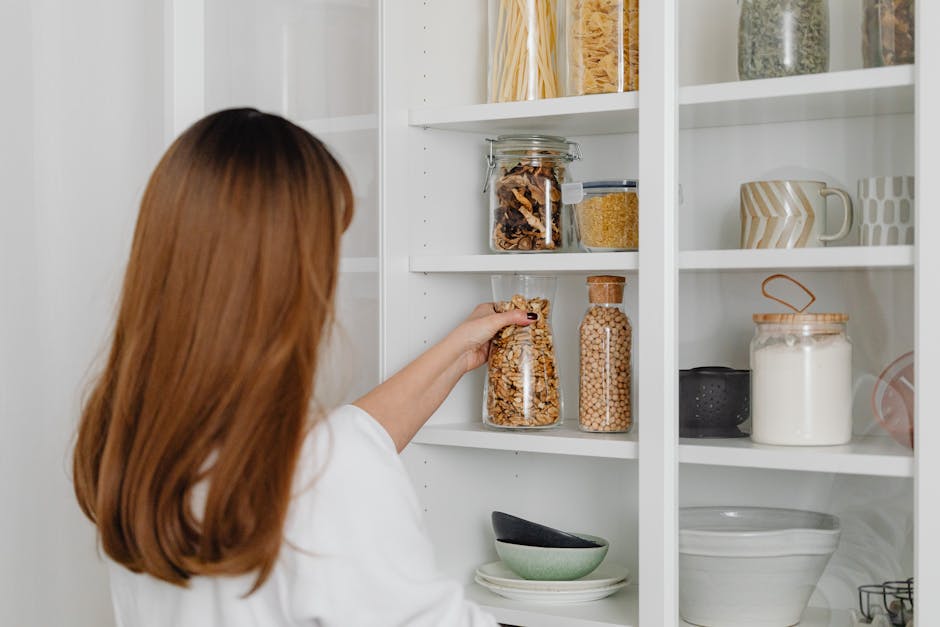
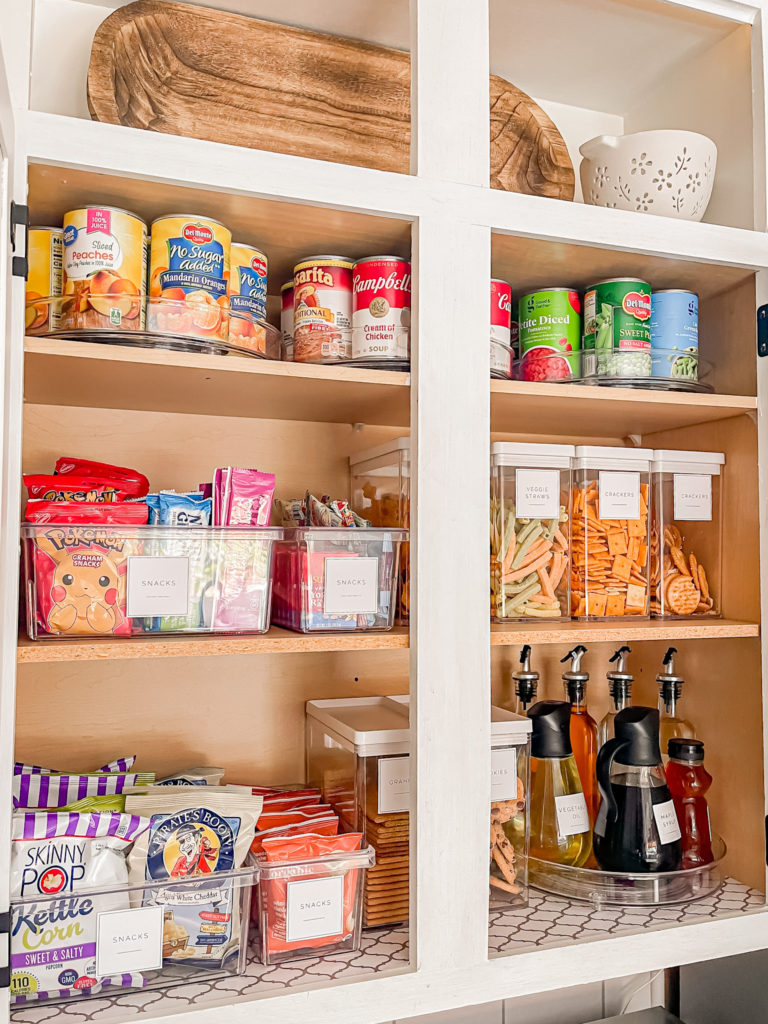
Start by grouping similar foods together. Keep all canned goods on one shelf. Place pasta and grains on another. Dedicate a space for spices and seasonings. This makes meal prep faster and easier. It also reduces the chance of buying duplicates.
Separate Appliances And Cookware
Store appliances and cookware separately from food items. Keep small appliances in a designated area. This keeps them accessible when needed. Arrange pots and pans near the stove. This placement makes cooking more efficient. Ensure lids are stored with their respective pots.

Credit: www.styleanddwell.com
Optimize Storage Solutions
Organizing kitchen cupboards and pantry can transform your cooking space. Optimize storage solutions to make the most of available space. With clever storage ideas, you can keep your kitchen tidy and functional.
Use Adjustable Shelves
Adjustable shelves offer flexibility for different items. They let you change the height to fit taller bottles or bulky items. This helps you use vertical space efficiently. Customize each shelf to match your storage needs.
These shelves are easy to install. They are perfect for cabinets with various items. You can create separate spaces for food, cookware, and utensils. This makes finding things quicker and easier.
Install Pull-out Drawers
Pull-out drawers provide easy access to pantry items. They prevent the need to reach deep into cupboards. With these drawers, everything stays visible and within reach.
They are ideal for storing heavy pots and pans. You can organize canned goods and spices neatly. These drawers help keep your kitchen organized without hassle.
Consider different sizes for various storage needs. They can fit under countertops or inside larger cabinets. This keeps your kitchen organized and clutter-free.
Label Everything
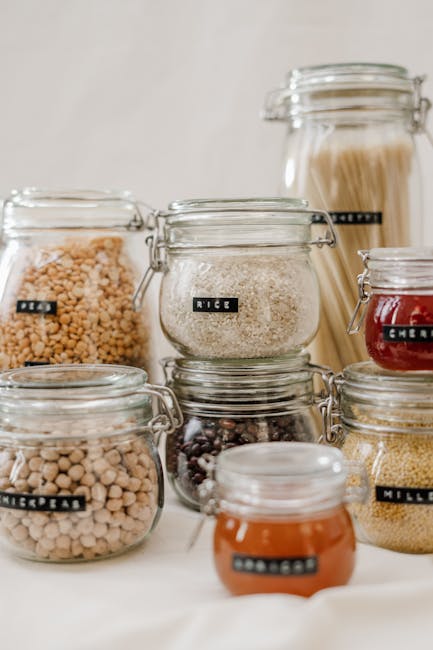
Labeling everything in your kitchen cupboards and pantry can save time. It brings organization to your cooking space. Labels help identify items quickly, reducing the time spent searching. With a well-labeled kitchen, meal preparation becomes more efficient and enjoyable.
Create Clear Labels
Use large, readable fonts for your labels. Ensure the text is clear and visible. Choose a font color that contrasts with the label background. This makes it easy to read. Stick to simple words for clarity. Avoid using too many abbreviations. Consider using waterproof labels for durability. This ensures labels last longer, even in humid conditions.
Utilize Color Coding
Color coding adds another layer of organization. Assign different colors to categories. For example, use blue for grains, green for snacks, and red for spices. This method helps identify items at a glance. It simplifies the search process. Kids can also benefit from this system. They learn to associate colors with specific items, making it easier for them to help in the kitchen.
Implement Smart Organization
Organizing kitchen cupboards and the pantry can transform your cooking experience. Implement smart organization to make finding items effortless. This approach boosts efficiency and reduces clutter.
Arrange By Frequency Of Use
Place frequently used items within easy reach. Store cooking oils and spices near the stove. Keep everyday plates and cups on lower shelves. Arrange less-used items in higher or distant places. This method saves time and minimizes frustration.
Utilize Vertical Space
Vertical space is often overlooked. Install shelves to maximize storage. Use stackable bins for canned goods and jars. Hang hooks for mugs and utensils. This technique creates more room without expanding your kitchen area. Vertical organization keeps items visible and accessible.
Maintain Order
Organizing kitchen cupboards and the pantry makes meal prep easier. Start by sorting items by type. Group similar foods together for easy access. Use clear containers to see contents. Label everything for quick identification. Regularly check expiration dates to keep shelves fresh.
Enjoy a clutter-free kitchen space.
Maintaining order in your kitchen cupboards and pantry is not just about aesthetics—it's about efficiency and peace of mind. When everything has a place and you can easily find what you need, cooking becomes a joy rather than a chore. Imagine opening a cupboard and immediately spotting the spice you need or reaching for a pasta box without a chaotic search. This section will guide you on how to keep your kitchen organized, ensuring that order is maintained over time.
Regularly Review Inventory
Set aside time each month to go through your pantry and cupboards. Check expiration dates and discard anything past its prime. Make a list of items you need to restock. This prevents the frustration of realizing you're out of essentials mid-recipe. Organizing experts often suggest that reviewing inventory is like a health check-up for your kitchen. It keeps your stock fresh and your space clutter-free.
Adopt Weekly Tidying Habits
A weekly tidy-up can transform how you use your kitchen. Spend a few minutes each week rearranging items that have wandered out of their designated spots. Wipe down shelves and reorganize as needed. This small effort saves time in the long run and ensures your kitchen remains a space you enjoy. Think of tidying as a quick reset that maintains order. Do you have a favorite spot in your kitchen? Keep it tidy, and you'll find yourself naturally drawn to use it more. Engage your family in this process. When everyone knows where things belong, maintaining order becomes a shared responsibility rather than a solo mission.

Credit: www.styleanddwell.com
Credit: simplybeautifulbyangela.com
Frequently Asked Questions
How Do I Start Organizing My Kitchen Cupboards?
Begin by emptying all items from your cupboards. Sort items into categories like dishes, cookware, and food. Assess what you use regularly and what can be stored elsewhere or donated. Clean shelves thoroughly before placing items back, prioritizing frequently used items for easy access.
What Is The Best Way To Organize A Pantry?
Group similar items together, like canned goods or baking supplies. Use clear containers for visibility and label them for easy identification. Place items you use often at eye level. Rotate older items forward to ensure they are used first, minimizing waste and keeping stock fresh.
How Can I Maximize Space In Small Kitchen Cupboards?
Utilize shelf risers and under-shelf baskets to create additional layers. Use vertical space with stacking containers or lazy Susans. Store lids separately or use a lid organizer. Hang hooks inside cabinet doors for lightweight items like measuring spoons or oven mitts, keeping surfaces clutter-free.
How Often Should I Reorganize My Pantry?
Aim to reorganize your pantry every six months. Regular maintenance helps keep items fresh and minimizes clutter. Check for expired items and adjust storage based on seasonal needs or dietary changes. This ensures a functional and efficient space that supports your cooking routine.
Conclusion
Organizing kitchen cupboards and the pantry can feel overwhelming. But it’s simple with a plan. Start small. Use clear containers. Label everything. Keep frequently used items within reach. Arrange by type or size. A tidy kitchen saves time and stress.
Enjoy cooking more when everything is easy to find. Remember, a neat space inspires creativity. Regularly check and clean your pantry. This keeps food fresh and reduces waste. Consistency is key. Make organizing a habit. Your kitchen will soon be a happy, efficient space.
Enjoy the process and the results.