
Imagine opening your kitchen cabinet and finding everything perfectly in place, with no more jars toppling over or spices hidden behind stacks of cans. Sounds dreamy, right?
The secret lies in mastering the art of organizing your Lazy Susan. This nifty rotating shelf can be a game-changer, but only if you know how to use it effectively. Don't let clutter and chaos take over your kitchen space.
You deserve a kitchen that's not only functional but also a joy to navigate. Curious about how to transform your Lazy Susan into the ultimate organizational tool? Stick around. You'll discover smart strategies that will make your kitchen work for you, not against you.
Choosing The Right Lazy Susan
Organizing your kitchen can be a fun task. A Lazy Susan can help. It offers a smart way to use corner cabinets. But choosing the right one is key. The right Lazy Susan fits your space and needs. Consider size, shape, and material. These factors affect functionality and style.
Size And Shape Considerations
Lazy Susans come in various sizes. Measure your cabinet space first. This ensures the Lazy Susan fits well. A small Lazy Susan may not hold much. A large one may not fit tight spaces. Consider the shape too. Round ones are common. Semi-circle and D-shaped options exist too. Each shape suits different cabinet types.
Material Options
Lazy Susans are made from different materials. Common options include plastic, wood, and metal. Plastic is lightweight and affordable. It’s easy to clean and maintain. Wood offers a classic look. It adds warmth to the kitchen. Metal is sturdy and durable. It suits modern and industrial styles. Choose a material that matches your kitchen decor.
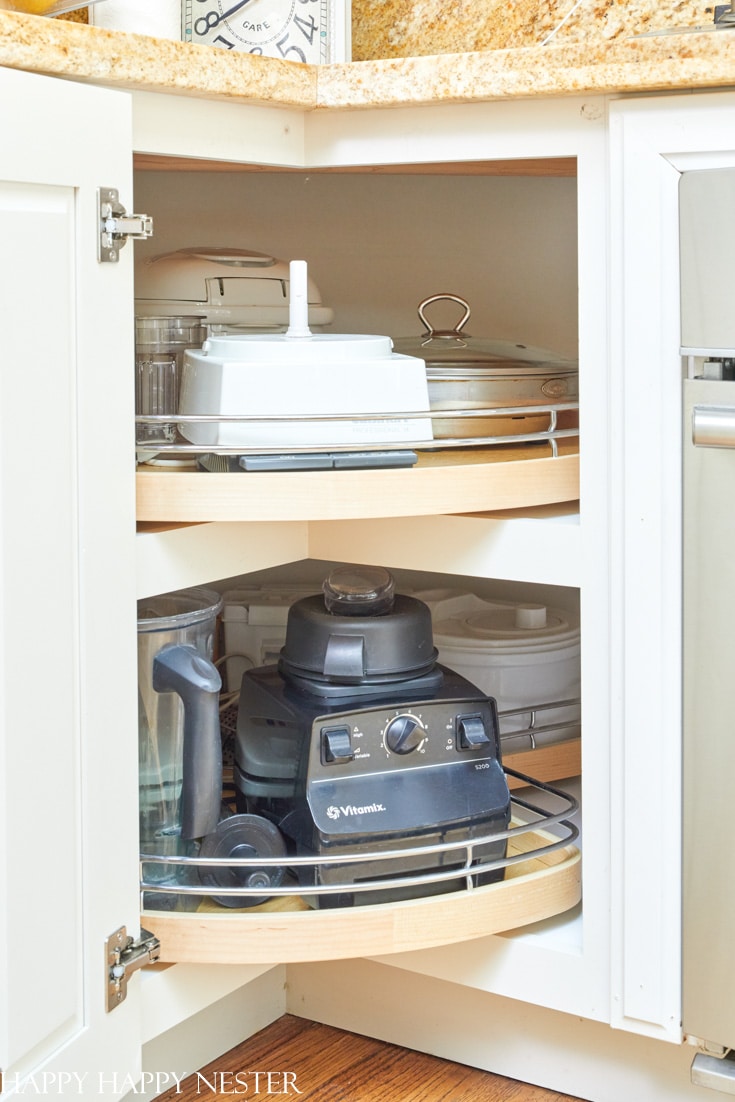
Credit: happyhappynester.com
Categorizing Kitchen Items
Organizing a Lazy Susan can feel overwhelming. But, categorizing items makes it easier. Start by sorting your kitchen essentials. Place items in logical groups. This saves time and space. A well-organized Lazy Susan boosts efficiency. It also makes cooking more enjoyable.
Identifying Frequently Used Items
First, identify items you use daily. These might include spices, oils, or cooking sprays. Keep these items at the front. Easy access is key. Avoid searching through clutter. This saves time during busy mornings. Frequent items should always be within reach.
Grouping Similar Items Together
Next, group similar items. Place canned goods with other cans. Store baking supplies together. This method prevents confusion. It also helps maintain order. You’ll find items faster. Grouping creates a logical flow in your kitchen. It streamlines your cooking process.
Maximizing Space Efficiency
Maximizing space efficiency in your kitchen can transform your cooking experience. A well-organized Lazy Susan helps keep essentials within reach. It makes meal prep a breeze. With clever strategies, you can make the most of every inch.
Utilizing Vertical Space
Vertical space often goes unnoticed in kitchen organization. Use stackable shelves to double the storage area. Place taller items at the back. This ensures smaller items remain visible and accessible. Consider using tiered racks to store spices. This provides easy access and saves space.
Incorporating Dividers And Bins
Dividers create distinct sections in a Lazy Susan. They prevent items from toppling over. Use adjustable dividers for flexibility. Bins can hold small items, like packets and condiments. Transparent bins help identify contents quickly. Label each bin for easy organization.
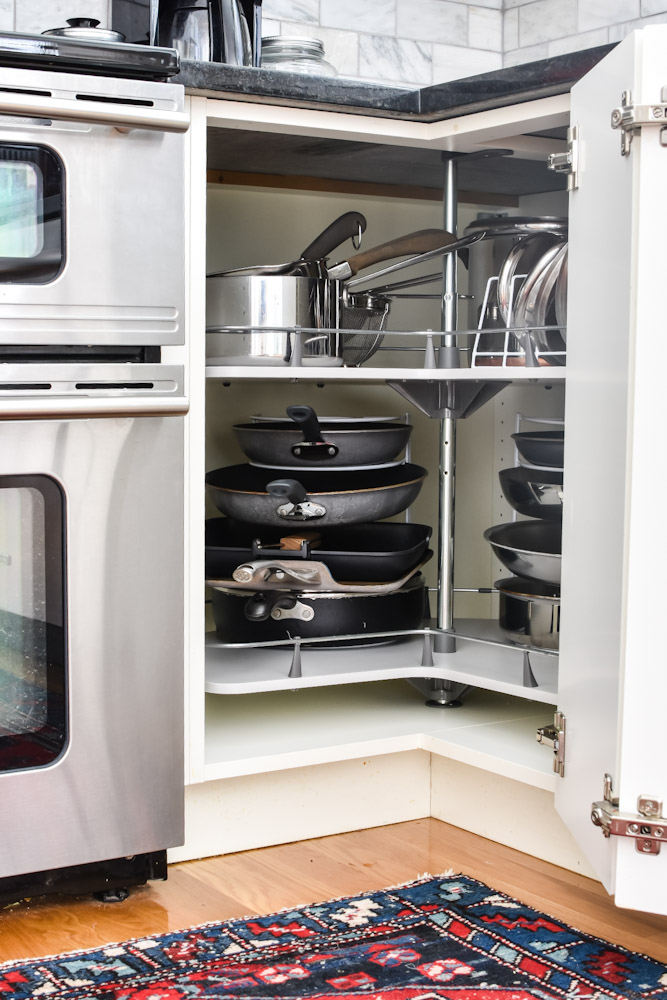
Credit: smallishhome.com
Maintaining Accessibility
Maintaining accessibility in your kitchen Lazy Susan is key to maximizing its functionality. A well-organized Lazy Susan ensures that everything is within reach, making meal prep and cooking a breeze. But how can you make sure your Lazy Susan stays efficient and easy to use?
Rotating Mechanism Tips
First, focus on the rotating mechanism itself. Keep it clean and free of debris. This ensures smooth rotation and prolongs the life of the unit. A quick wipe-down with a damp cloth every week can do wonders.
If your Lazy Susan is squeaky, a small dab of lubricant can make it spin like new. Make sure to choose a food-safe product, especially in a kitchen setting. Regular maintenance prevents frustrating jams and keeps your kitchen flowing smoothly.
Easy Access For High-use Items
Think about the items you use most frequently in your kitchen. These should be placed in the most accessible spots on your Lazy Susan. Keeping your go-to ingredients and utensils within arm’s reach saves time and energy.
Organize items in a way that makes sense for your cooking habits. For example, if you often reach for olive oil and spices while cooking, place them prominently on the Lazy Susan. This simple rearrangement can significantly enhance your cooking experience.
Have you ever found yourself frustrated, digging through clutter to find a key ingredient? An organized Lazy Susan can eliminate those headaches. Why not take a few minutes this weekend to optimize your setup?
Aesthetic Arrangement
Aesthetic arrangement in a kitchen Lazy Susan can transform your space. It not only enhances functionality but also adds visual charm. Creating a visually pleasing setup involves thoughtful arrangement and creative flair. By focusing on the balance of function and style, you can ensure your Lazy Susan is both practical and attractive.
Balancing Function And Style
Arrange items based on usage and visual appeal. Keep frequently used items at the front. Store less-used items towards the back. Choose containers that complement your kitchen decor. Transparent containers can add a modern touch. Label containers for easy identification. This blend of function and style keeps your Lazy Susan tidy.
Color Coordination Techniques
Use color coordination to enhance the aesthetic appeal. Group similar-colored items together. This creates a cohesive look. Opt for neutral tones for a classic style. Bright colors add a pop of fun. Using similar shades creates harmony. It makes your Lazy Susan pleasing to the eyes.
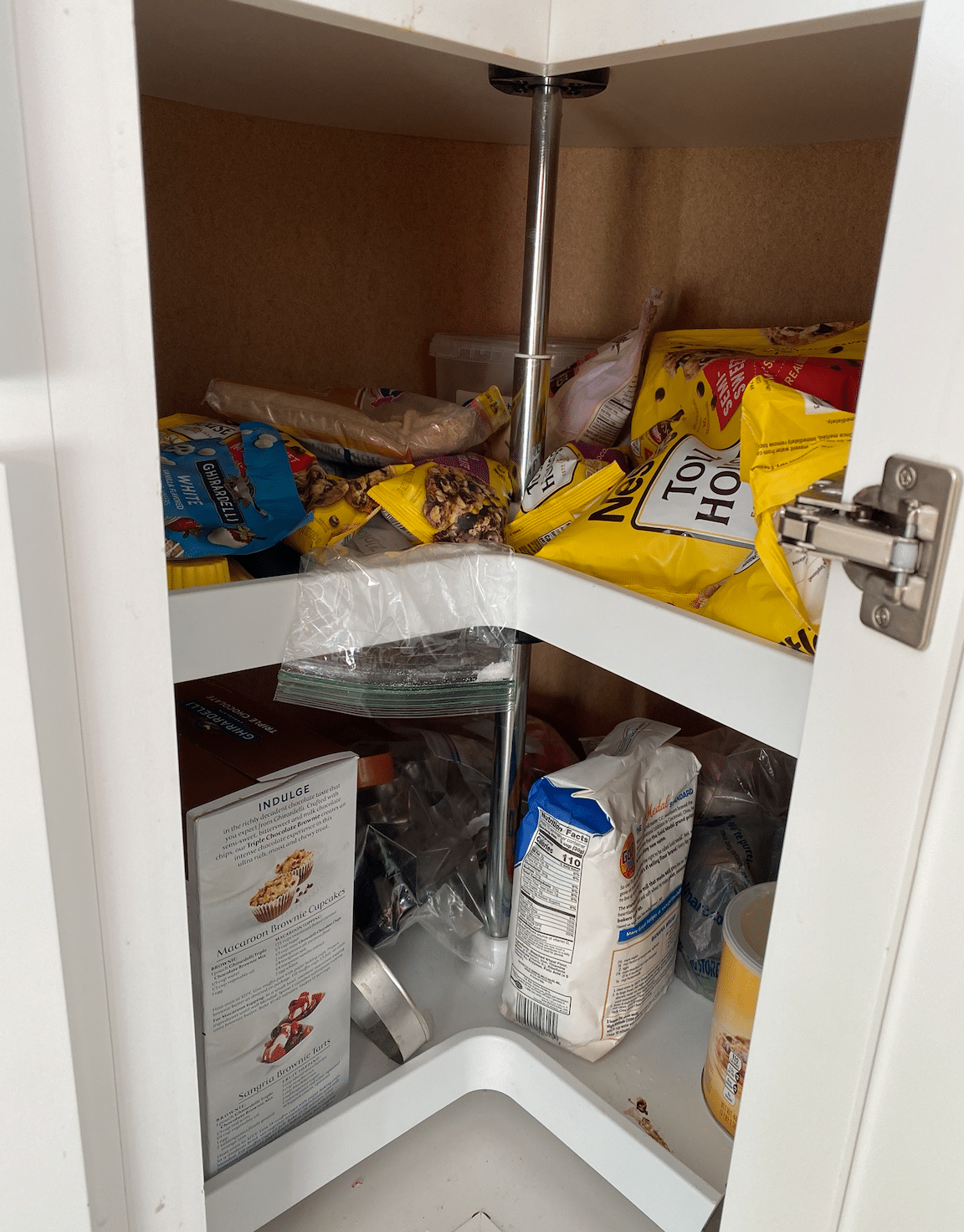
Credit: www.honeybearlane.com
Safety And Stability
Ensure safety and stability by placing heavier items on the bottom of your Lazy Susan. Store lighter items on top shelves. Balance weight evenly to prevent tipping and ensure smooth rotation.
Organizing your kitchen Lazy Susan can significantly enhance its functionality, but ensuring safety and stability is paramount. A well-organized Lazy Susan not only increases accessibility but also minimizes risks of spills and accidents. Let's explore how you can achieve this while making your kitchen space both efficient and safe.
Ensuring Secure Placement
Your Lazy Susan should be securely placed to prevent wobbling, which can cause items to fall off. Make sure it is installed on a stable surface and check if the rotating mechanism operates smoothly. Consider adding a non-slip mat to the base. This simple addition can provide extra grip and prevent the unit from sliding when you rotate it. A friend once had their Lazy Susan topple over because it wasn’t securely placed. It was a lesson learned the hard way.
Preventing Spills And Accidents
The key to preventing spills is strategic positioning of items. Place heavier items like jars or cans towards the center. This keeps the weight balanced and avoids tipping. Store delicate items like glass containers on the lower shelf. This minimizes the risk of breakage if anything falls. Have you ever reached for a spice jar and accidentally knocked over a bottle of oil? Proper arrangement can save you from cleaning up such messes. Labeling can also be a game changer. Use clear, easy-to-read labels for items with similar packaging. This can prevent those frantic, risky grabs when you're in a hurry. Do you often find yourself searching for that elusive spice? An organized Lazy Susan can make locating items quicker and safer. By focusing on these practical tips, you can transform your Lazy Susan into a safe and stable component of your kitchen.
Regular Maintenance
Keeping a Lazy Susan tidy involves regular maintenance. Rotate items periodically to check expiration dates and ensure accessibility. Group similar items together for easy retrieval and efficient organization.
Keeping your kitchen Lazy Susan in top shape requires regular maintenance. This isn't just about keeping it clean. It's about ensuring it functions smoothly and suits your current lifestyle needs. You wouldn't want to reach for that spice in a rush and find a sticky mess or an outdated ingredient. Regular upkeep can prevent such surprises. Let's dive into two crucial aspects of maintaining your Lazy Susan: cleaning and reorganizing for seasonal changes.
Cleaning And Dusting
A clean Lazy Susan is a happy Lazy Susan. Start by removing all items from the shelf. Use a damp cloth with a mild cleaner to wipe down the surfaces. Pay special attention to the corners where dust tends to gather. Dry the surface thoroughly to prevent moisture damage. Consider using a handheld vacuum for hard-to-reach spots. You’ll be surprised at how much dust can accumulate even in a small space. Replacing shelf liners periodically can also make a big difference. It’s a small step that can keep your Lazy Susan looking fresh and tidy. Do you remember the last time you changed yours?
Reorganizing For Seasonal Changes
Our kitchens change with the seasons. In summer, you might reach more for barbecue spices, while winter calls for baking essentials. Reorganizing your Lazy Susan can make seasonal transitions smoother. Begin by assessing what you currently have. Are there items you haven’t used in months? Consider moving them to a less accessible space or donating them. Then, bring forward the items you’ll use more frequently in the coming months. Creating a small section for seasonal items can also help. This way, you can easily swap them out without a full reorganization each time. How does your kitchen reflect the season right now? Regular maintenance isn't just about keeping things neat. It’s about creating a space that works for you, every day of the year. What small changes can you make today to improve your Lazy Susan's functionality?
Frequently Asked Questions
What Is A Lazy Susan In A Kitchen?
A Lazy Susan is a rotating tray, often circular, used in kitchens. It helps organize and access items easily. Popular in cabinets or on countertops, it maximizes space and keeps items like spices and condiments within reach. It's a practical solution for cluttered kitchen spaces.
How Do I Clean A Lazy Susan?
To clean a Lazy Susan, remove all items first. Use a damp cloth with mild detergent to wipe surfaces. Ensure you clean the edges and any crevices. Rinse with a clean cloth and let it dry completely before restocking items.
Regular cleaning helps maintain its functionality and hygiene.
Can Lazy Susans Fit In Corner Cabinets?
Yes, Lazy Susans are ideal for corner cabinets. They utilize the often-wasted space efficiently, allowing easy access to items stored in the back. Measure your cabinet dimensions to ensure a proper fit. Available in various sizes, they can transform tricky corners into functional storage areas.
How Do I Organize Items On A Lazy Susan?
Organize items by grouping similar products together. Place frequently used items at the front for easy access. Use small containers or bins for loose items. Rotate the Lazy Susan to ensure all items are visible and reachable. Regularly declutter to maintain efficiency and avoid overcrowding.
Conclusion
Organizing a kitchen Lazy Susan can simplify your cooking experience. A tidy Lazy Susan saves time. It keeps ingredients within easy reach. Start with sorting items by type or frequency of use. Use containers or bins for small items. Label them clearly to avoid confusion.
Remember to clean and declutter regularly. This keeps the space efficient and neat. A well-organized Lazy Susan boosts kitchen functionality. Plus, it makes meal prep less stressful. Enjoy a clutter-free kitchen with these easy steps. Happy organizing!