Are you tired of rummaging through cluttered cabinets in search of the right cooking oil? Organizing your kitchen oils not only saves you time but also enhances your cooking experience.
When your oils are neatly arranged, you can easily grab what you need, keeping your culinary creativity flowing. Imagine a kitchen where every bottle has its place, reducing your stress and making meal prep a breeze. This isn't just about tidying up; it's about transforming your kitchen into a more efficient, enjoyable space.
Ready to discover the secrets to perfect kitchen oil organization? Let's dive in and revolutionize the way you cook!
Categorize Your Oils
Organize kitchen oils by grouping them by type and purpose. Store cooking oils, like olive and canola, together. Place specialty oils, such as sesame and walnut, separately for easy access. This method simplifies cooking and keeps your kitchen tidy.
Organizing your kitchen oils effectively can elevate your cooking experience and boost efficiency. By categorizing your oils, you ensure each one is easy to find, use, and restock. This simple strategy can save you time and prevent the frustration of hunting for that elusive bottle of olive oil when you're in the middle of cooking. Ready to transform your kitchen chaos into culinary calm? Let's dive into how you can categorize your oils for maximum benefit.
Separate By Use
Think about how you use each oil. Do you reach for certain oils when frying, and others for salad dressings? Grouping your oils based on their primary use can streamline your cooking process. For example, keep your high-heat oils like canola or sunflower in a spot that's easy to access when you're about to fry or sauté. Meanwhile, delicate oils like extra virgin olive oil or walnut oil can find a home near your salad prep area. This approach not only speeds up your cooking but also keeps your oils fresh by preventing unnecessary exposure to heat and light. It's a win-win for flavor and efficiency.
Identify Cooking Frequencies
How often do you cook with each type of oil? Identifying this can guide you on which oils to keep within arm’s reach and which can be stored away. Perhaps you use olive oil daily, while sesame oil is a rare guest in your stir-fry. Store the frequently used oils at the front of your pantry or on the countertop. Less commonly used ones can take a backseat, perhaps in a cooler, darker cabinet. This method not only helps in organizing but also ensures that your oils don't go rancid before you've had the chance to use them up. Plus, it can prompt you to explore different recipes that might utilize those less-used oils, adding variety to your meals. Have you ever found yourself scrambling for an ingredient mid-recipe? By organizing your oils this way, you'll never have to pause and search again. It’s about making your kitchen work for you, not against you.

Credit: www.7aumsuvai.com
Optimal Storage Locations
Finding the perfect spot for your kitchen oils can transform your cooking experience. Whether you're a seasoned chef or a culinary novice, strategically storing oils can save time and enhance your dishes. Imagine whipping up a quick stir-fry without rummaging through cluttered cabinets or being able to drizzle olive oil on your salad with ease. So, where should you keep your oils for optimal accessibility and preservation?
Countertop Accessibility
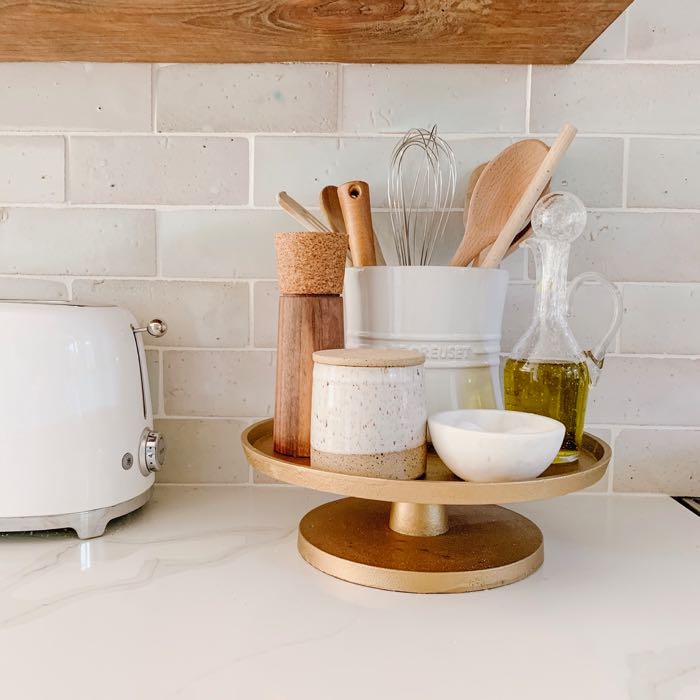
Keeping oils on the countertop ensures they're within arm's reach. This is ideal for oils you use daily, like olive or vegetable oil. Consider a small tray or rack that holds these bottles neatly. It prevents spills and keeps them organized. Think about the aesthetics too—a stylish container can add charm to your kitchen decor. However, be mindful of direct sunlight, which can degrade oils faster.
Cabinet Storage Solutions
Cabinets are perfect for storing oils you use less frequently. Dedicate a specific shelf to keep your bottles upright and secure. A lazy Susan can be a game-changer for easy access. This solution maximizes space and prevents bottles from tipping over. Label the tops for quick identification. This way, you avoid awkward reaching and searching when cooking.
Refrigeration Needs
Not all oils belong in the fridge, but some do. Oils like flaxseed or walnut benefit from cooler temperatures. They stay fresh longer and maintain their nutritional value. Store them in airtight containers to prevent absorption of fridge odors. But beware: refrigeration can make some oils cloudy or solidify, like coconut oil. So, check if refrigeration suits your oil type.
Have you ever wondered if your storage method affects the taste of your dishes? Where you store your oils can make all the difference in your culinary journey. Experiment with these storage strategies and see which works best for your kitchen routine.
Utilize Proper Containers
Utilizing proper containers for your kitchen oils is a game changer in maintaining an organized and efficient cooking space. Imagine reaching for your favorite olive oil and easily finding it without rummaging through a cluttered shelf. Proper containers not only keep your oils fresh but also make your kitchen look sleek and tidy. Let's dive into how choosing the right bottles and decanting can transform your kitchen.
Choose The Right Bottles
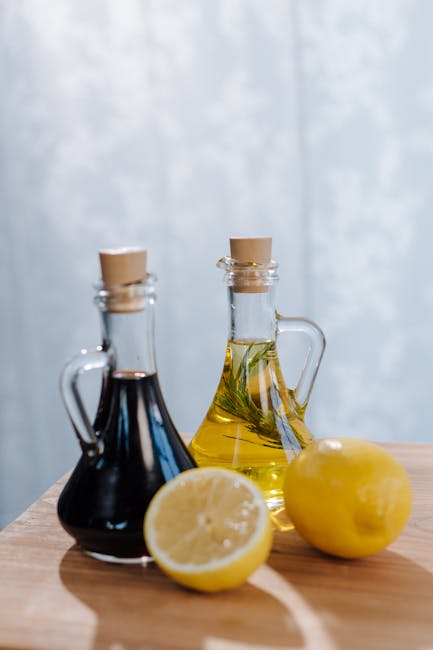
The type of bottle you choose can impact both the functionality and aesthetics of your kitchen. Opt for dark glass bottles to protect oils from light exposure, preserving their quality. Look for options with easy-to-pour spouts, reducing spills and waste. Consider different sizes for various oils, ensuring you use them before they lose flavor.
Think about your cooking habits. If you frequently use a particular oil, a larger bottle might be more practical. On the other hand, smaller bottles are perfect for specialty oils you use occasionally. By selecting the right bottles, you enhance both accessibility and longevity of your oils.
Benefits Of Decanting
Decanting oils into attractive containers can elevate your kitchen's look and feel. It allows you to control how much oil is visible at a glance, making it easier to monitor usage and refill before you run out. Plus, decanting helps in reducing clutter and maximizing counter space.
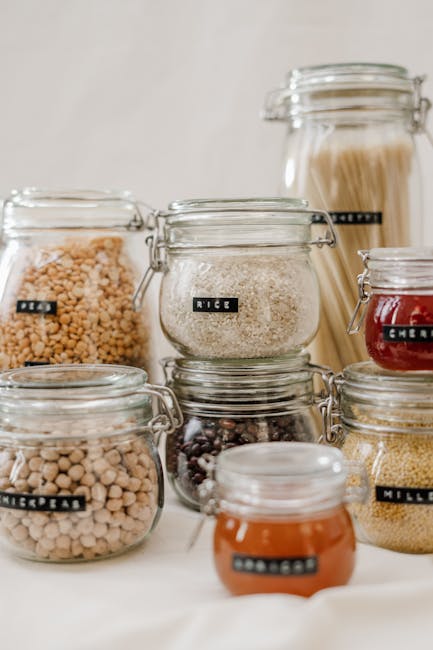
Have you ever struggled with sticky residue on oil bottles? Decanting into clean containers minimizes this mess, making cleaning a breeze. Additionally, it provides an opportunity to label containers, so you never mix up your sesame oil with your sunflower oil. This simple step adds a touch of elegance and precision to your cooking routine.
Wouldn't it be satisfying to open your pantry and see neatly labeled, uniform bottles? Decanting not only helps in organization but also encourages a more mindful approach to using oils. It's a small change that can make a significant impact on your kitchen experience.
Labeling Techniques
Organizing kitchen oils can simplify cooking and enhance kitchen efficiency. Effective labeling techniques play a crucial role. Labels not only help in easy identification but also ensure safe usage. Clear and informative labels prevent confusion and wastage. Let's explore some essential labeling techniques to organize your kitchen oils.
Importance Of Clear Labels
Clear labels help identify oils quickly. This reduces cooking time and mistakes. Use large, legible fonts to make labels easy to read. Choose waterproof labels for durability. Ensure labels stick well on glass or plastic containers. Consistency in label design creates an organized look.
Date And Use Instructions
Include the purchase or expiry date on each label. This helps track freshness. Oils can degrade over time. Use labels to note the correct use, like frying or dressing. This guides you to use oils appropriately. Safety and flavor depend on using the right oil. Clear instructions prevent misuse and enhance your culinary experience.
Maintain Freshness
Maintaining freshness in kitchen oils is essential for flavor and health. Proper storage helps preserve their quality and taste. Explore effective ways to keep oils fresh.
Temperature Control
Store oils in a cool, stable environment. Heat causes oils to deteriorate quickly. Ideal storage temperature is between 50-70 degrees Fahrenheit. Avoid placing them near stoves or ovens. Keep oils away from heat-producing appliances.
Avoiding Light Exposure
Light exposure speeds up oil spoilage. Use dark bottles to store oils. Clear containers allow harmful light penetration. Place oils in a dark cabinet or pantry. Ensure the storage area is free from direct sunlight.
Creative Storage Ideas
Organizing kitchen oils can seem tricky. Bottles come in different shapes and sizes. Creative storage solutions can help. They keep your kitchen tidy and oils accessible. Let's explore some smart ideas.
Using Racks And Holders
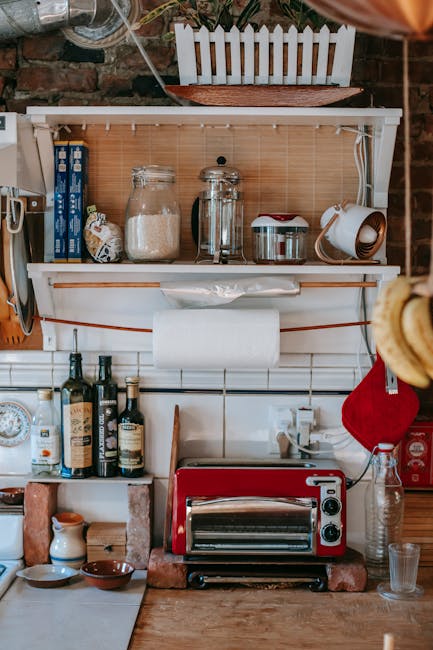
Racks and holders make excellent oil storage. They keep bottles upright and visible. Wall-mounted racks save countertop space. Choose a design that complements your kitchen. Countertop holders are another option. They can hold several bottles neatly. Lazy Susans are great for corner spaces. They allow easy access to each bottle.
Space-saving Solutions
Small kitchens need smart solutions. Use the inside of cabinet doors. Install slim racks to hold oils. Magnetic spice racks work well too. Attach them to the fridge. They keep oils within reach yet out of the way.
Drawer organizers offer another solution. They keep small oil bottles from tipping over. Custom dividers can fit any drawer size. Slide-out shelves are useful for deep cabinets. They make it easy to see all your oils.
Regular Inventory Checks
Organize kitchen oils by grouping similar types together on shelves or in baskets. Label containers for easy identification. Regular inventory checks ensure freshness and prevent waste. Keep frequently used oils within reach for convenience. Maintain a clutter-free space for efficient cooking.
Regular inventory checks keep kitchen oils fresh and safe. This practice helps identify expired oils and ensures optimal usage. Simple habits like these can prevent waste and save money.
Monitor Expiry Dates
Always check oil bottles for expiry dates. Use a permanent marker to write the date in large numbers. This makes it easy to see at a glance. Place oils with the earliest expiry dates at the front. Use these first to avoid spoilage.
Organizing For Quick Access
Store oils in a dedicated space. Group similar types together, like olive and vegetable oils. Use clear containers to hold smaller bottles. Label each container for easy identification. Keep frequently used oils within reach. This speeds up cooking and reduces stress.
Credit: dalydigs.com

Credit: www.epicurious.com
Frequently Asked Questions
How Do I Store Kitchen Oils Properly?
Store oils in a cool, dark place to prevent spoilage. Use airtight containers to maintain freshness and avoid exposure to heat. Regularly check expiration dates and discard expired oils promptly.
What's The Best Container For Kitchen Oils?
Opt for glass or stainless steel containers for storing oils. These materials preserve oil quality and reduce contamination risks. Avoid plastic containers, as they can degrade and alter oil flavors.
How Often Should I Check Oil Expiration Dates?
Check oil expiration dates every month to ensure freshness. Regularly inspecting oils helps prevent accidental use of expired products. Properly discard oils that have surpassed their expiration dates.
Can I Mix Different Oils In One Container?
Avoid mixing different oils in one container to maintain individual flavors. Mixing oils can lead to unwanted taste changes and spoilage. Keep each oil type in its designated container for optimal quality.
Conclusion
Organizing kitchen oils can simplify cooking. First, choose the right containers. Clear bottles show oil levels easily. Label each bottle for quick identification. Store oils near the stove for convenience. Use a lazy Susan for easy access. Keep oils in a cool, dark spot to maintain freshness.
Regularly check expiration dates to ensure quality. Arrange oils by type or use. A tidy kitchen boosts cooking efficiency. You save time and avoid mess. With these steps, managing kitchen oils becomes simple and stress-free. Enjoy a neat, functional space every day.