Feeling overwhelmed every time you open your kitchen pantry or cabinets? You’re not alone.
A cluttered kitchen can make cooking feel like a chore and finding ingredients becomes a daily frustration. Imagine opening your pantry to find everything neatly in place, where every spice and staple has its own spot. Sounds like a dream, right?
By learning how to organize your kitchen pantry and cabinets effectively, you can transform that dream into reality. This guide is designed to help you declutter, categorize, and maximize your kitchen space, making meal prep a breeze. With a few simple steps, you'll be on your way to a more organized and efficient kitchen. Let's get started on creating the kitchen of your dreams!

Credit: www.styleanddwell.com
Assess Your Space
Organizing a kitchen pantry and cabinets begins with assessing your space. Understanding your space helps in planning effectively. It ensures every item finds its place. This step is crucial for a clutter-free kitchen.
Measure Dimensions
Start with measuring your pantry and cabinet dimensions. Use a measuring tape for accuracy. Note the height, width, and depth of each area. This data helps in selecting suitable storage solutions. It prevents buying items that don't fit.
Identify Problem Areas
Examine your pantry and cabinets for problem areas. Identify spots where clutter accumulates. Look for items that lack a designated place. This will highlight areas needing immediate attention. Recognizing these spots simplifies the organizing process.
Declutter And Sort
Your kitchen pantry and cabinets can easily become chaotic spaces filled with forgotten items and clutter. To reclaim order, focus first on decluttering and sorting. This process is all about removing what you no longer need and organizing the rest in a way that makes sense for your daily routines. Consider this a fresh start for your kitchen, where every item has a purpose and a place.
Remove Unnecessary Items
Start by emptying your pantry and cabinets. This gives you a clear view of everything you have. As you pull items out, ask yourself if you really use them. Do they add value to your cooking or are they just taking up space?
Check expiration dates on food items. You'll be surprised at how many things are past their prime. Toss them out and create more room for fresh ingredients.
Consider donating canned goods or unopened products you haven't used in months. This not only helps you declutter but also supports your community.
Group Similar Items
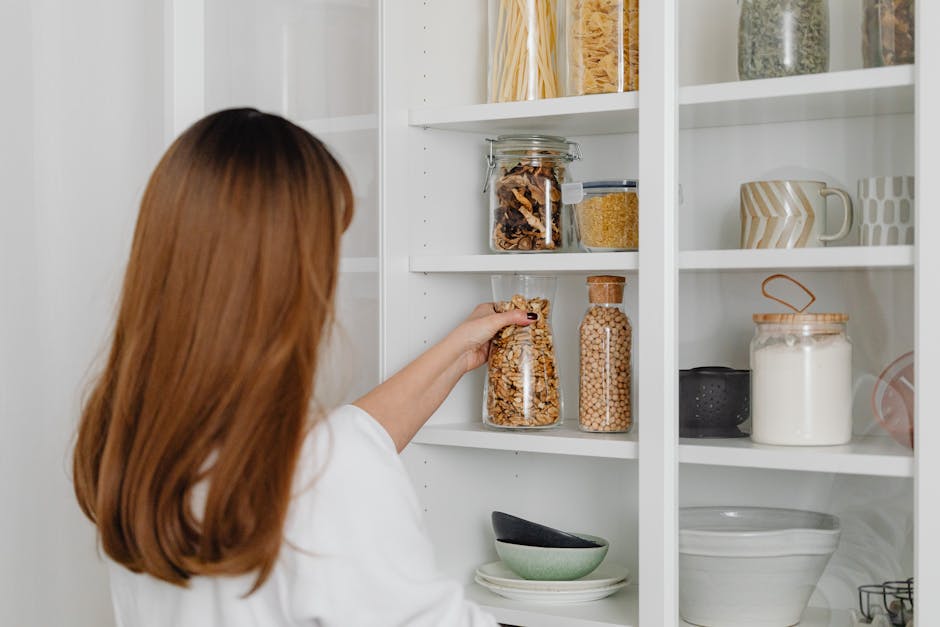
Once you've removed unnecessary items, begin grouping similar products together. Think about how you cook and what you use most often. Do you grab certain spices every day, or do you have a go-to set of baking supplies?
Create zones in your pantry. Place breakfast items like cereals and oats on one shelf, while snacks can occupy another. This makes it easier to find what you need quickly.
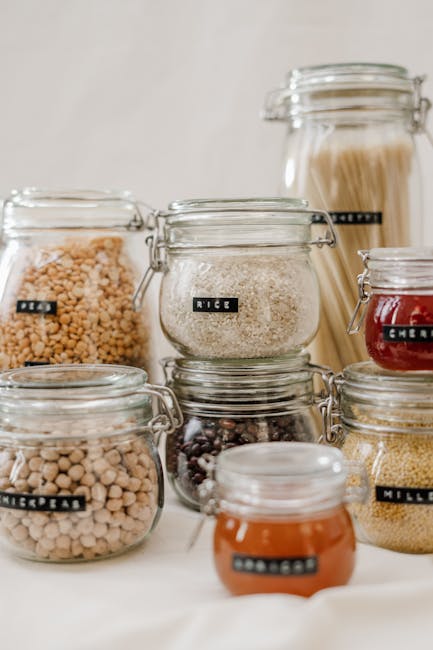
Invest in clear containers for grains and pasta. These make it easy to spot what you have and keep everything organized. Plus, they look great on the shelf.
What would make cooking easier for you? Organizing based on your habits can save time and reduce stress during meal prep.
Decluttering and sorting your kitchen pantry and cabinets is not just about neatness; it's about functionality. By removing what you don't need and grouping items logically, you create a space that serves you well every day.
Choose Storage Solutions
Your kitchen pantry and cabinets are the heart of your culinary adventures, where ingredients and tools come together for delicious creations. To maximize the efficiency and ease of use of these spaces, choosing the right storage solutions is crucial. With the right organization, you can transform a cluttered pantry into a harmonious hub of creativity and convenience. Let's dive into some smart strategies to streamline your kitchen storage.
Select Containers And Bins
Containers and bins are your best friends when it comes to organizing your pantry. Opt for clear, stackable containers that allow you to see what's inside at a glance. This saves time and reduces the likelihood of buying duplicates.
Label each container clearly. You’ll know exactly where your quinoa or pasta is without having to rummage through everything. Labels help in maintaining organization over time, especially if you have family members diving into the pantry.
Consider using bins to group similar items together. Think about how you store snacks, cereals, or baking essentials. Having them in designated bins makes it easier to access them quickly and keep things tidy.
Consider Shelving Options
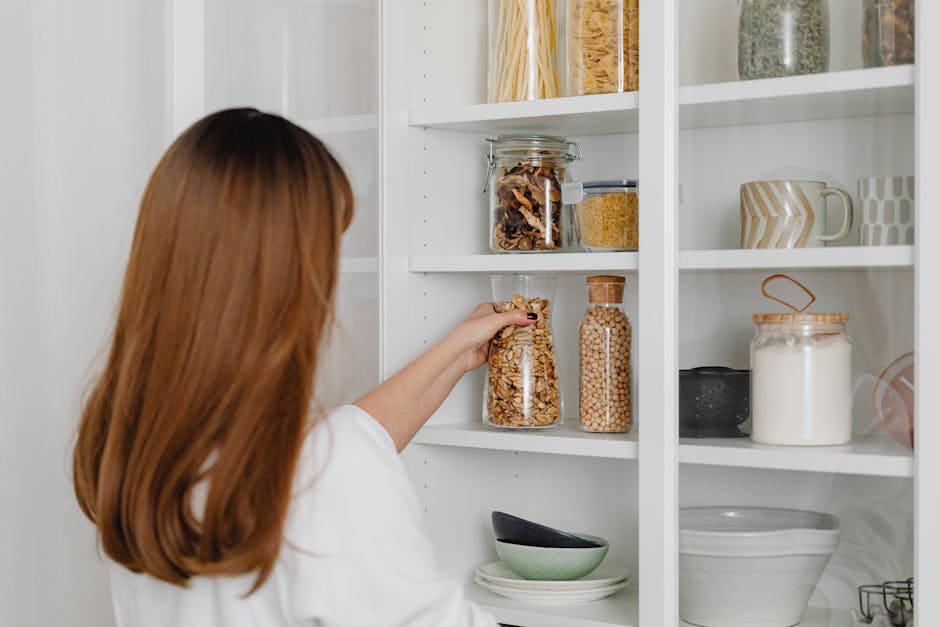
Choose shelving that complements your space. Adjustable shelves are fantastic as they allow customization according to the height of your items. You can adjust them as your storage needs change, making them a versatile choice.
Use vertical space wisely. If your pantry has high ceilings, consider installing additional shelves higher up for storing less frequently used items. This keeps the more accessible shelves free for daily essentials.
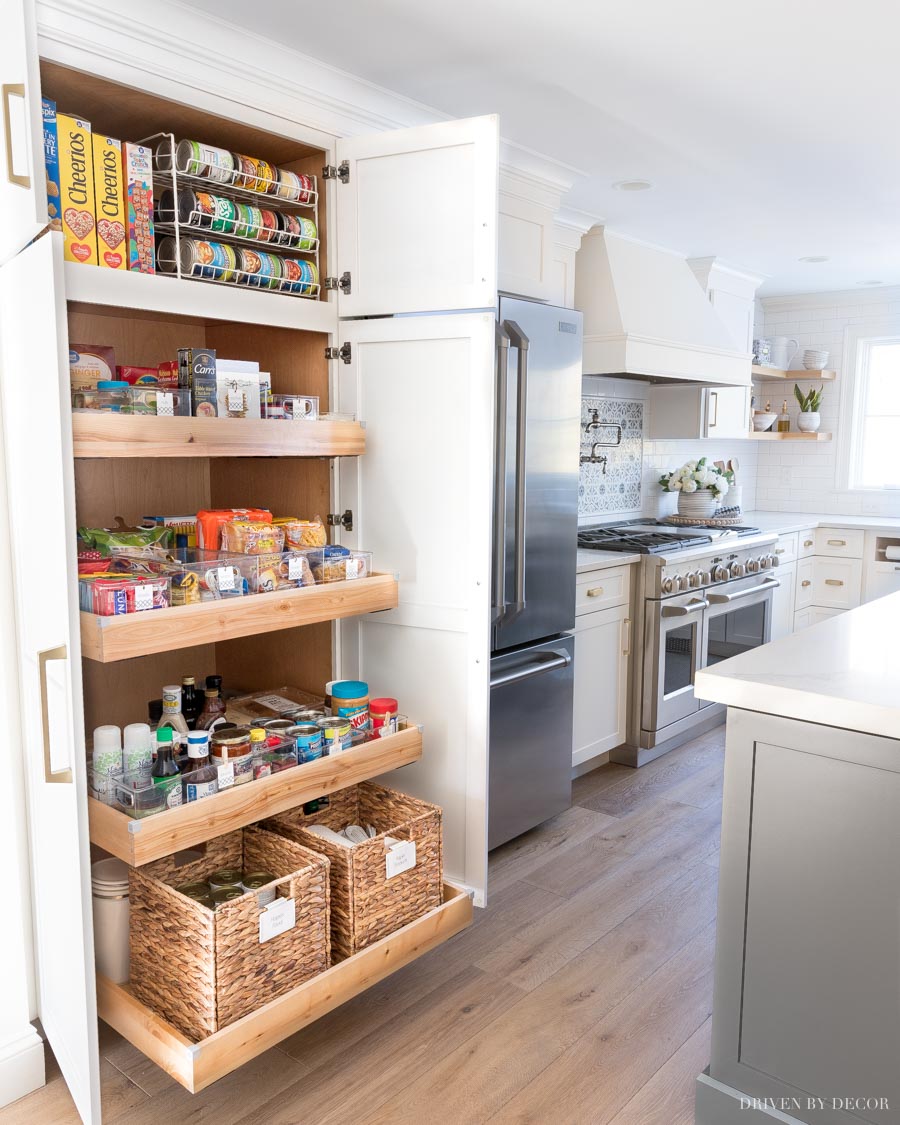
Think about adding pull-out shelves for ease of access. These can be a game-changer in cabinets, allowing you to reach items at the back without having to move everything in front.
Have you ever opened your pantry only to be overwhelmed by the chaos? Organizing it might seem daunting, but with the right storage solutions, you can create a space where everything is easy to find and use. What strategies will you try to bring harmony to your kitchen?
Label Everything
Organize your kitchen pantry and cabinets by labeling everything clearly. This makes finding ingredients easy and keeps items in their place. Labels help maintain order and create a tidy space.
Organizing your kitchen pantry and cabinets can feel like a daunting task, but labeling everything can transform the chaos into a well-ordered space. Labels not only help you find what you need quickly but also make it easier to keep everything in its rightful place. Imagine opening your pantry and immediately spotting the flour, sugar, or pasta without rummaging through the shelves. Let's dive into how you can effectively label your kitchen items to create a more organized and efficient cooking environment.
Use Clear Labels
Clear labels are your best friend in the kitchen. They help you identify the contents of jars, boxes, and containers at a glance. You can buy pre-made labels or make your own with a label maker. Choose labels with large, legible fonts so you can read them easily, even from a distance. Consider using waterproof labels for items stored near the stove or sink to prevent smudging. When everything is clearly labeled, your kitchen becomes a stress-free zone.
Incorporate Color Coding
Color coding is a fantastic way to add another layer of organization to your kitchen. Use different colors to categorize similar items. For example, green labels for grains, red for spices, and blue for baking supplies. This system makes it even easier to locate items, especially when you're in a hurry. Color coding can also be a fun way to involve your family in organizing the kitchen. Ask yourself: How much time would you save if everything in your kitchen was color-coded and easy to find? By labeling everything and using color coding, you can create a kitchen space that is not only functional but also enjoyable to use. You'll spend less time searching for ingredients and more time cooking delicious meals.
Optimize Cabinet Space
Optimizing cabinet space in your kitchen is crucial for efficiency. Proper organization leads to easy access and a clutter-free environment. Let's explore ways to make the most of your cabinet space.
Utilize Vertical Space
Vertical space is often overlooked in cabinets. Installing shelves or risers can help. They create additional layers for storage. This allows you to stack items without wasting space. Use stackable containers for better organization. Keep frequently used items at eye level for convenience.
Install Pull-out Drawers
Pull-out drawers offer easy access to cabinet contents. They help avoid the hassle of reaching deep into cabinets. These drawers are perfect for storing pots, pans, and other heavy items. Adjustable drawers fit various items and save space. Consider using dividers in drawers for better organization.
Credit: www.drivenbydecor.com
Arrange For Accessibility
Organizing your kitchen pantry and cabinets enhances accessibility and efficiency. Store frequently used items at eye level. Label shelves clearly to simplify finding ingredients quickly.
Arranging your kitchen pantry and cabinets for easy access improves efficiency. It reduces the time spent searching for ingredients and tools. A well-organized space makes cooking more enjoyable. It also helps in maintaining a clutter-free kitchen. Let's explore some practical ways to enhance accessibility.
Prioritize Daily Use Items
Place frequently used items within easy reach. Keep them at the front of shelves and cabinets. Think about what you use most often. It might be your coffee mug, cereal box, or cooking oil. Arrange them in a way that you can grab them without hassle. This saves time and keeps your kitchen routine smooth. Consider using clear containers for quick identification. Labels can also help in quickly spotting what you need.
Store Bulk Items Efficiently
Bulk items require a different strategy. Store them lower or higher, depending on their weight. Heavier items should be at the bottom to avoid accidents. Use stackable bins or baskets to maximize space. This keeps them organized and easy to access. Ensure all items are visible to avoid overbuying. Consider rotating stock to use older items first. This prevents waste and ensures freshness.
Maintain Organization
Organize kitchen pantry and cabinets efficiently by grouping similar items together. Use clear containers for easy visibility and access. Label shelves to maintain order and quickly find essentials.
Maintaining organization in your kitchen pantry and cabinets can be a game-changer. It saves time, reduces stress, and keeps your kitchen running smoothly. The key is to create habits that make it easy to keep everything in its place.
Regularly Review Inventory
Make it a habit to check your pantry items regularly. This helps you avoid buying duplicates and ensures nothing goes bad unnoticed. A quick scan once a week can save you money and keep your meals interesting. Think about the last time you found a can of soup from two years ago hidden in the back. It's easy to forget what's there if you don't check often. Keeping a simple list of what you have can be incredibly helpful.
Implement A Restocking System
Have a plan for when and how you restock. This could be a monthly trip to the grocery store or a weekly online order. Knowing when to buy more keeps your kitchen efficient and reduces last-minute dashes to the store. Consider grouping items by how often you use them. Place frequently used items in easy-to-reach spots, while rarer ingredients can go higher up. This system keeps your kitchen functional and less cluttered. Have you ever cooked a meal only to realize you were out of a key ingredient? A good restocking system can help prevent these frustrating moments. Plus, it keeps your pantry fresh and your meals creative. Remember, maintaining organization is about small, consistent habits. What steps will you take to keep your kitchen orderly?

Credit: neatmethod.com
Expert Insights
Organizing a kitchen pantry and cabinets can seem daunting. Expert insights can help ease this process. Professionals understand the common pitfalls and solutions. These insights make the task manageable and efficient.
Common Mistakes To Avoid
Many people stack items without a plan. This leads to clutter and confusion. Avoid overbuying pantry items. It results in expired products. Do not store heavy items on top shelves. It poses a safety risk. Always label containers clearly. This prevents mix-ups and saves time. Keep frequently used items within reach. It makes cooking smoother.
Tricks For Small Spaces
Use vertical storage solutions. They save space and increase accessibility. Install pull-out shelves in cabinets. They offer easy access to items at the back. Utilize clear containers for dry goods. This provides visibility and organization. Hang hooks on cabinet doors. They hold utensils and small tools efficiently. Place lazy Susans in corner cabinets. They maximize space and ease retrieval.
Frequently Asked Questions
How Do I Start Organizing My Pantry?
Begin by emptying your pantry and cabinets completely. Sort items into categories like grains, canned goods, and snacks. Clean the shelves thoroughly. Consider using bins, baskets, or containers to keep similar items together. Label each container for easy identification and accessibility.
Regularly review and adjust organization methods as needed.
What Tools Help In Pantry Organization?
Invest in clear storage bins, lazy Susans, and shelf risers. Clear bins make it easy to see contents. Lazy Susans help with accessibility in deep cabinets. Shelf risers maximize vertical space, allowing you to stack items without clutter. Labels are essential for maintaining organization and finding items quickly.
How Often Should I Reorganize My Pantry?
Reorganize your pantry every six months to ensure efficiency. Regular checks help manage expiration dates and reduce clutter. Seasonal changes may require adjustments to accommodate different ingredients. Frequent assessments maintain order and improve accessibility. This habit minimizes waste and enhances meal planning and cooking experiences.
Can I Organize Without Buying New Containers?
Yes, repurpose jars, baskets, and boxes you already have. Use existing containers creatively to categorize and store items. Label them for easy identification. Stack items to maximize vertical space. Reuse shoe boxes for smaller items. This approach saves money while achieving efficient organization.
Conclusion
Organizing your kitchen pantry and cabinets can transform your cooking space. It makes finding items easy and reduces clutter. Start by sorting items by use and frequency. Use clear containers for better visibility. Labels help everyone know what's inside. Keep heavy items within reach to avoid accidents.
Regularly check for expired goods and toss them. A tidy pantry saves time and stress. Your kitchen becomes more welcoming and efficient. Apply these tips and enjoy a more organized kitchen. Happy cooking!