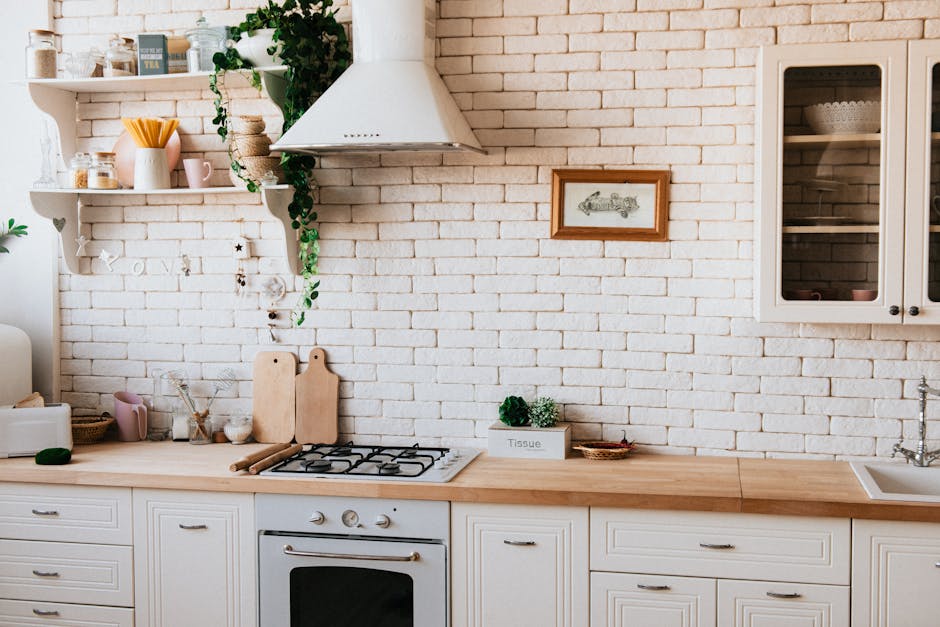
Your kitchen is the heart of your home, but when it’s cluttered and chaotic, it can feel more like a stress zone than a warm gathering place. Are you tired of rummaging through jumbled shelves, trying to find that elusive spice jar or the right pot lid?
Imagine opening your kitchen cabinet and finding everything in its place, neatly organized and easy to access. This isn't just a dream; it's a reality you can achieve with just a little effort. In this guide, you'll discover simple, actionable steps to transform your kitchen shelves from messy to marvelous.
By the end, you’ll not only have a tidy kitchen but also a more efficient and enjoyable cooking experience. Ready to unlock the secrets of a well-organized kitchen shelf? Let’s dive in!
Assessing Your Space
Organizing your kitchen shelf begins with assessing your space. Understanding the dimensions and layout of your shelf is essential. This helps you utilize every inch efficiently. It's not just about fitting items. It's about creating a system that works for you. Let's dive deeper into assessing your space.
Understanding The Shelf Dimensions
Start by measuring the height, width, and depth of your shelves. Use a measuring tape for accuracy. Note these measurements down. This helps in planning how to place items. Consider the height of the tallest item you will store.
Identifying Storage Needs
List what you plan to store on the shelves. This can include spices, dishes, or appliances. Each item type has different storage needs. Knowing these needs helps in organizing better. Consider frequency of use. Items used often should be easy to reach.
Evaluating Current Organization
Look at how your shelf is organized now. Is it cluttered? Are items hard to find? Identify problem areas. This helps in creating a more efficient system. Aim for a neat, accessible setup.
Spotting Potential Improvements
Think about what can be improved. Can shelves be adjusted? Would baskets or bins help? Consider vertical space. You might add shelf risers. Small changes can make a big difference.
Considering Accessibility
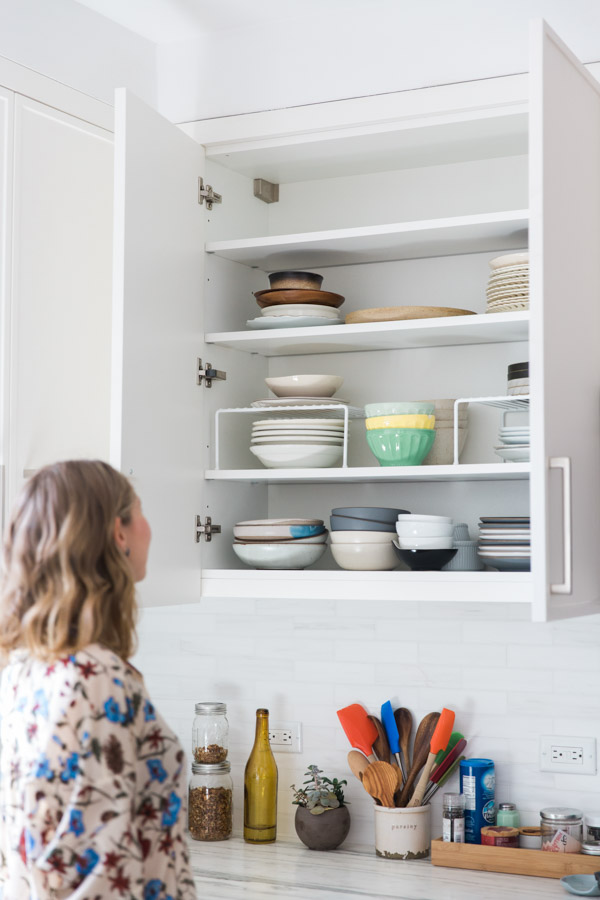
Ensure items are easy to reach. Especially those you use daily. Place frequently used items at eye level. Less-used items can go higher or lower. Good accessibility saves time and effort.
Credit: feedmephoebe.com
Categorizing Kitchen Items
Organizing your kitchen shelf starts with categorizing kitchen items. Proper categorization makes cooking faster and cleaning easier. It also keeps your kitchen neat and tidy.
Grouping Similar Items
Place similar items together. Store canned goods in one section. Keep spices in another. This helps find things quickly. It also saves time during meal prep.
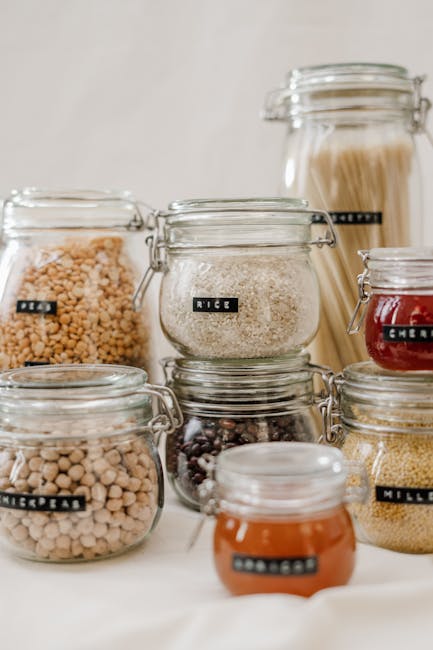
Use clear containers for small items. Label them for easy identification. This prevents clutter and confusion. Your kitchen will look more organized.
Prioritizing Daily Use Items
Keep daily use items within reach. Put mugs, plates, and bowls on a middle shelf. Store pots and pans nearby. It’s convenient and reduces hassle.
Reserve top shelves for occasional items. Store holiday dishes or special equipment there. This maximizes space efficiency. It also ensures smooth daily operations.
Choosing Storage Solutions
Organizing your kitchen shelf can transform your cooking space. Choosing the right storage solutions is vital. It helps keep your shelves neat and accessible. With smart choices, you will find what you need quickly. This section covers practical ways to choose storage solutions that fit your needs.
Utilizing Containers And Bins
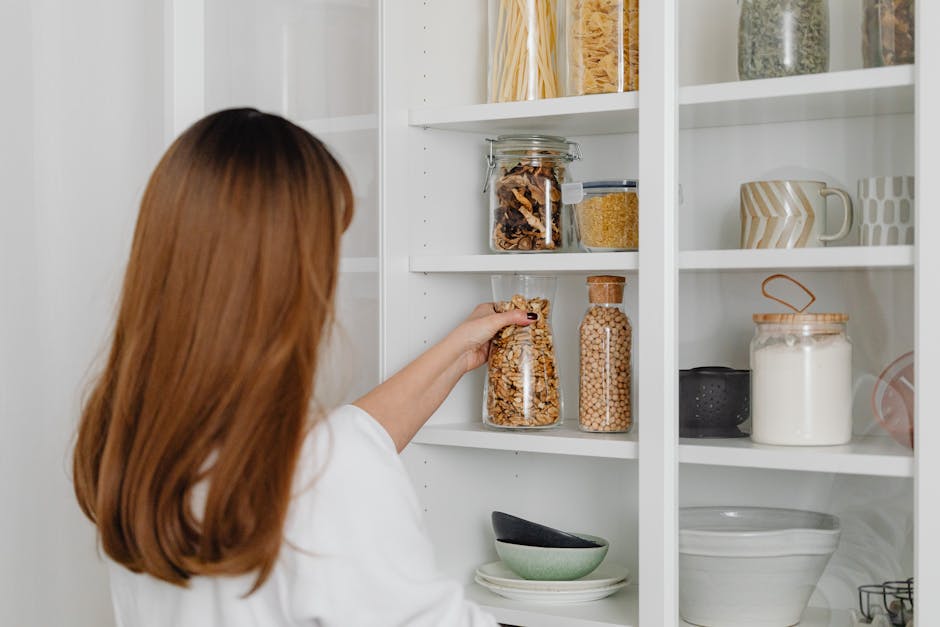
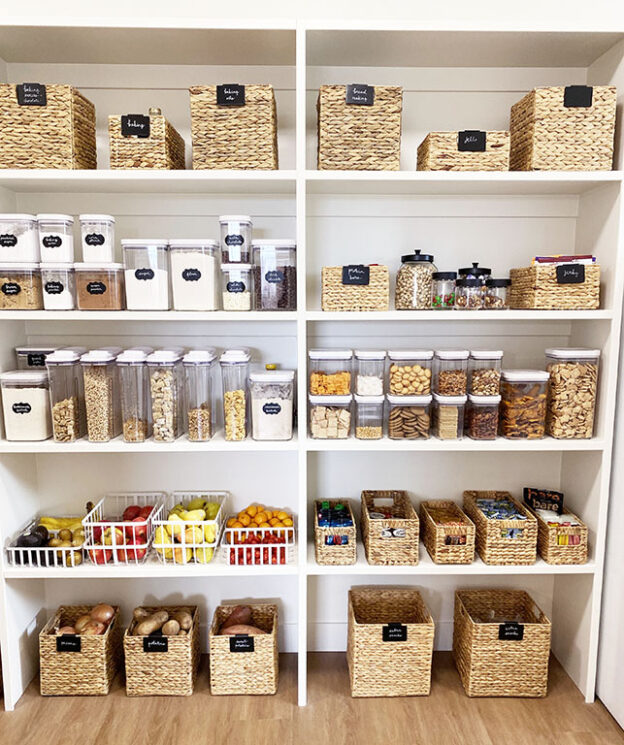
Containers and bins offer a tidy way to store items. They keep similar items together, making it easy to find them. Choose clear containers to see contents at a glance. Label each container for quick identification. Stackable bins maximize vertical space. Use them for storing canned goods and dry foods. They prevent clutter and create more room.
Incorporating Shelf Dividers
Shelf dividers help organize different items on the same shelf. They create separate sections for various categories. Adjustable dividers fit any shelf size. Use them for storing plates, bowls, and cutting boards. They prevent items from toppling over. Dividers also ensure each item has its own space. This keeps your shelf orderly and accessible.
Maximizing Vertical Space
Elevate your kitchen organization by utilizing vertical space effectively. Stack items on shelves, keeping frequently used ones within reach. Consider using tiered racks or hanging baskets for additional storage solutions.
Maximizing vertical space in your kitchen can be a game-changer, especially if you're working with limited room. You might be surprised at how much more you can store when you look up instead of out. Creating additional storage vertically can free up counter space, making your kitchen more functional and less cluttered. Let’s dive into some practical ways to make the most of your kitchen’s vertical space.
Adding Stackable Shelves
Adding stackable shelves is an easy and effective way to make use of the vertical space in your cabinets. They allow you to double or even triple your storage capacity without any permanent installations. Consider using them for dishes, pantry items, or even cleaning supplies. Take a moment to consider what’s currently cluttering your shelves. Stackable shelves can help you organize these items, making them more accessible and visually appealing. You’ll find it easier to locate what you need, and cooking will become a smoother experience.
Using Hooks And Racks
Hooks and racks are fantastic for utilizing wall space, the inside of cabinet doors, or even the sides of your fridge. Hang utensils, pots, and pans to keep them within easy reach. This not only saves space but adds a touch of culinary flair to your kitchen. Think about that awkward space between your upper cabinets and the countertop. Install a hanging rack for mugs or small kitchen tools. You might find that you have more room than you thought, and your kitchen will look more organized. Are you worried about drilling holes? Many hooks and racks are available with adhesive options that won't damage your surfaces. This way, you can experiment with different setups until you find what works best for you without commitment. Maximizing your kitchen’s vertical space can transform the way you use your cooking area. What changes will make the biggest impact in your kitchen?
Labeling And Inventory
Keeping your kitchen shelf organized can save time and reduce stress. Labels and inventory lists play a key role in this process. They help you find what you need quickly and avoid buying duplicates.
Clearly labeled shelves make your kitchen more efficient. An inventory list ensures that you always know what you have on hand. This organization method can make cooking and shopping much easier.
Creating Easy-to-read Labels
Labels should be simple and clear. Use large, bold fonts for easy reading. Consider using different colors for different categories. This helps in spotting items at a glance. Waterproof labels are best for kitchen environments.
Label containers with both the item name and expiration date. This prevents confusion and reduces food waste. Consistency in label placement makes it easier to scan shelves quickly.
Maintaining An Inventory List
Keep a running inventory list for your kitchen items. Update this list every time you use or buy an item. A simple notebook or a digital app can work well.
An inventory list helps in meal planning. It also aids in making grocery shopping more efficient. Regularly review your inventory to ensure you always have essentials.
Implementing A Rotation System
Organize your kitchen shelf efficiently by implementing a rotation system. Place newer items behind older ones to ensure they are used first. This method helps reduce waste and keeps your pantry well-stocked.
Organizing a kitchen shelf can transform your cooking experience, making it more efficient and enjoyable. Implementing a rotation system is a smart way to keep your kitchen organized and reduce waste. This approach ensures that you use items in the order they were purchased, helping to prevent spoilage and clutter. Here's how you can effectively incorporate a rotation system into your kitchen routine.
Rotating Perishable Goods
Start by categorizing your perishable goods. Group similar items together, like dairy, meats, and fresh produce. This makes it easier to see what you have and what needs to be used first. When you buy new groceries, place them behind the older items on your shelf. This simple habit ensures older items are used first, minimizing spoilage. Imagine how much money you could save by simply not letting food go to waste. Label items with the purchase or expiration date. This quick step helps you track freshness, especially if you have a busy lifestyle and can't remember when you bought everything.
Ensuring Accessibility
Ensure that frequently used items are within easy reach. Keep your most-used spices, oils, and utensils at the front of the shelf. This saves time when you’re in the middle of cooking and need to grab something quickly. Consider using clear bins or baskets. These can help group items together and make it easy to pull out what you need without disrupting everything else. Think about how much smoother your cooking process could be when everything is just a quick grab away. Evaluate your shelf space regularly. Are there items you haven’t used in months? Move them to a less accessible spot or consider donating them. By keeping your kitchen efficient, you can spend more time enjoying the process of cooking and less time searching for that elusive ingredient. Implementing a rotation system requires a bit of initial effort, but the payoff is immense. How much time and energy could you save by knowing exactly where everything is and that nothing is going to waste? Try it, and see how it transforms your kitchen experience.
Maintaining Organization
Maintaining organization in your kitchen shelf is crucial for efficiency. A tidy shelf saves time and reduces stress. Keeping order is not a one-time task. It requires consistent attention and care. With a few habits, your shelves will stay neat and functional.
Regular Cleaning Routine
Establish a regular cleaning routine for your kitchen shelves. Wipe them weekly to prevent dust and grime buildup. Use a damp cloth and mild cleaner. Check for expired items during cleaning. Remove them promptly. This keeps your shelf safe and clutter-free.
Organize items by category after cleaning. Group spices, baking goods, and canned items together. This makes finding ingredients easier. Label containers if possible. Clear labels help everyone in the household.
Seasonal Reassessment
Conduct a seasonal reassessment of your kitchen shelves. Change your shelf arrangement with the seasons. Think about what ingredients you use most during each season. Place them within easy reach. Move less-used items to the back.
Evaluate your storage solutions during reassessment. Are your containers suitable? Do you need more or different ones? Make adjustments as needed. This ensures your shelf adapts to changing needs.

Credit: www.pinterest.com
Credit: www.superhealthykids.com
Frequently Asked Questions
How Do I Start Organizing My Kitchen Shelf?
Begin by decluttering items you no longer use. Group similar items together for easy access. Use containers and labels to maintain order. Arrange frequently used items at eye level for convenience. Regularly review and update your organization to suit your evolving needs and maintain a tidy space.
What Is The Best Way To Categorize Items?
Categorize items by usage and type. Store frequently used items at the front. Group similar items together, like spices or baking essentials. Use clear bins or baskets for easy visibility. Label each section to ensure everything has a designated spot, making retrieval simple and efficient.
How Often Should I Reorganize My Kitchen Shelf?
Reorganize your kitchen shelf every few months or as needed. Regular updates help maintain functionality and tidiness. Assess your storage needs and adjust accordingly to accommodate new items. Periodic reorganizing prevents clutter buildup and ensures your space remains efficient and well-organized.
What Are Some Space-saving Tips For Small Kitchens?
Use vertical space by installing shelves or racks. Opt for stackable containers to maximize storage. Utilize cabinet doors with hooks or organizers. Invest in multi-purpose items to reduce clutter. Keep countertops clear by storing items efficiently in cabinets, ensuring a functional and spacious kitchen.
Conclusion
Organizing your kitchen shelf brings many benefits. It saves time and effort. You find items quickly. Cooking becomes enjoyable and stress-free. A tidy shelf improves kitchen aesthetics. You feel more at ease in your space. Start with simple steps. Sort items by use.
Label containers for easy access. Regularly clean and declutter. Keep only what you need. A well-organized shelf enhances daily life. It boosts efficiency and comfort. You create a pleasant cooking environment. Enjoy a neat and functional kitchen. Make organizing a regular habit.
Your kitchen can be a peaceful and productive place.