
Imagine reaching into your kitchen medicine cabinet and instantly finding exactly what you need without any hassle. Sounds like a dream, right?
A cluttered medicine cabinet can lead to frustration, especially when you’re in a hurry or dealing with an unexpected ailment. But here's the good news: organizing your medicine cabinet doesn’t have to be overwhelming. It can be a simple, rewarding task that brings peace of mind and efficiency to your daily routine.
By taking a few straightforward steps, you can transform your chaotic collection of bottles and boxes into a well-ordered system. This guide will help you understand how to maximize space, ensure safety, and maintain a neat and tidy cabinet. Ready to create a more organized and stress-free kitchen? Let's dive into how you can make it happen.

Credit: www.reddit.com
Choosing The Right Location
Organizing a medicine cabinet in the kitchen involves careful planning. Choosing the right location is crucial for safety and efficiency. A well-placed cabinet ensures easy access to medications when needed. It also helps maintain the quality of the medicine by avoiding harmful conditions. Consider these important factors when selecting a spot for your medicine cabinet.
Accessibility Considerations
Ensure the cabinet is easily reachable. It should be accessible to adults but out of reach of children. Consider the height and placement for quick access. Avoid areas that require bending or stretching excessively. Accessibility ensures you can find and use medicines swiftly during emergencies.
Temperature And Humidity Factors
Medicines need stable environments. Choose a spot away from heat sources like stoves and ovens. High temperatures can degrade medication effectiveness. Avoid areas near sinks or dishwashers to prevent moisture exposure. Humidity can affect the shelf life of medicines. A dry and cool area is ideal for preserving their quality.
Sorting And Categorizing Medications
Organizing your kitchen medicine cabinet can make finding medications easier and quicker. Sort medicines by type and purpose. Group similar items together, like pain relievers and cold remedies. Use clear labels and keep frequently used medicines at eye level for easy access.
Organizing your medicine cabinet in the kitchen can be a simple yet effective way to keep your medications accessible and in order. Sorting and categorizing are crucial steps in this process, ensuring you can easily locate what you need without rummaging through clutter. Imagine reaching for a headache pill only to find expired cough syrup in its place. Let's streamline the chaos and make your medicine cabinet a model of efficiency.
Grouping By Type
Start by grouping medications based on their type. This means sorting pills, liquids, and creams into separate categories. You could use small baskets or bins to keep them neat and organized. This way, you know exactly where to look for tablets or ointments. If you have a family, consider grouping by the type of ailment each medication addresses. For example, gather all cold and flu remedies in one section and digestive aids in another. This saves time when someone isn't feeling well and needs quick relief.
Separating Prescription And Over-the-counter
Separating prescription medications from over-the-counter ones is a vital step in organizing your medicine cabinet. Prescription drugs require special attention due to their potency and potential side effects. Keep them in a distinct area to prevent accidental misuse. Consider labeling shelves or bins with tags like "Prescription" and "OTC" to avoid confusion. This is especially helpful if you share your kitchen space with others who might not be familiar with your medication routine. Have you ever mistaken an OTC pill for a prescription one? Such mix-ups can be harmful. By clearly separating these categories, you reduce the risk and ensure that everyone in your household knows the difference. Wouldn't it be nice to know exactly where your allergy medication is when you need it most? With an organized system, you can achieve that and more, transforming your medicine cabinet into a reliable resource for health and wellness.
Labeling For Easy Identification
Labeling bottles and boxes helps to keep the medicine cabinet tidy and easy to use. With clear labels, finding the right medicine becomes simple and quick. This method reduces confusion and saves time during emergencies.
Organizing your medicine cabinet in the kitchen can be a game-changer for your daily routine. Imagine reaching for a headache pill and instantly finding it, instead of rummaging through a chaotic mess. Labeling is the key to easy identification and can transform your medicine cabinet into a beacon of order. Let's explore how you can use labeling techniques to make your life simpler and more efficient.
Using Color-coded Labels
Color-coded labels can be your secret weapon. Assign different colors for different types of medications. For example, you might use blue for pain relief and green for digestive aids. This approach helps you quickly locate what you need without squinting at tiny text. Think about how colors grab your attention. You'll be surprised at how fast you adapt to this system. It's like knowing that red means stop—it's instinctive.
Including Expiry Dates
Including expiry dates on labels can prevent unwanted surprises. No one likes to find out that their allergy medicine expired last month right when they need it most. By clearly marking expiry dates, you can ensure the safety and effectiveness of your medications. Consider using bold text for expiry dates. It makes them pop and ensures they're not overlooked. You’ll have peace of mind knowing each medication is safe to use. Have you ever been caught in a situation where you needed medicine urgently but couldn’t find the right one? Labeling your medicine cabinet could save you from that stress. Try these tips, and you might just find yourself loving the order and clarity they bring to your kitchen.
Credit: lollyjane.com
Storage Solutions
Organizing your medicine cabinet in the kitchen can be a daunting task. Yet, with the right storage solutions, it becomes manageable and efficient. Proper organization not only saves space but also ensures easy access to your medicines. Here are some effective storage solutions to consider.
Utilizing Shelves And Drawers
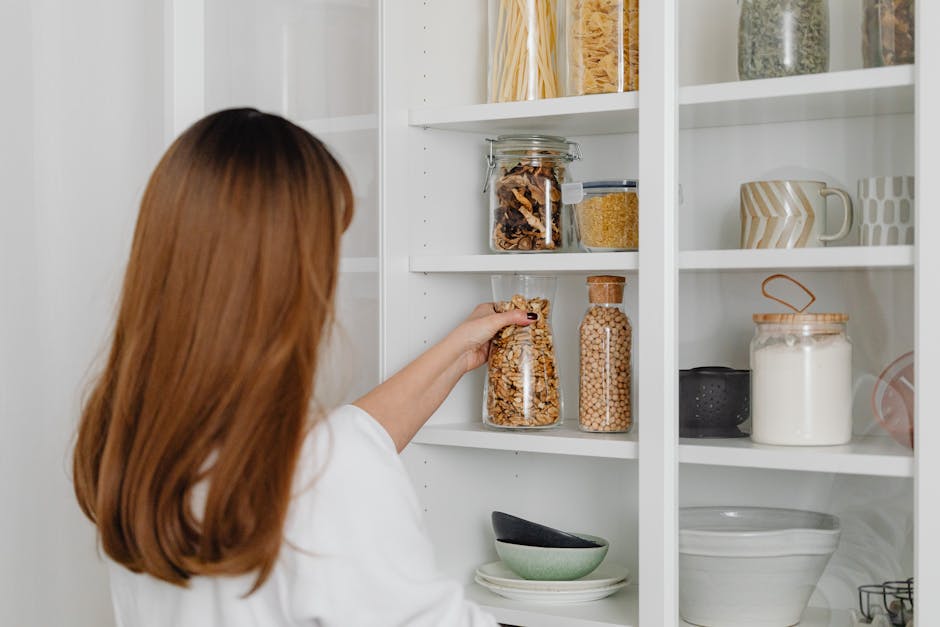
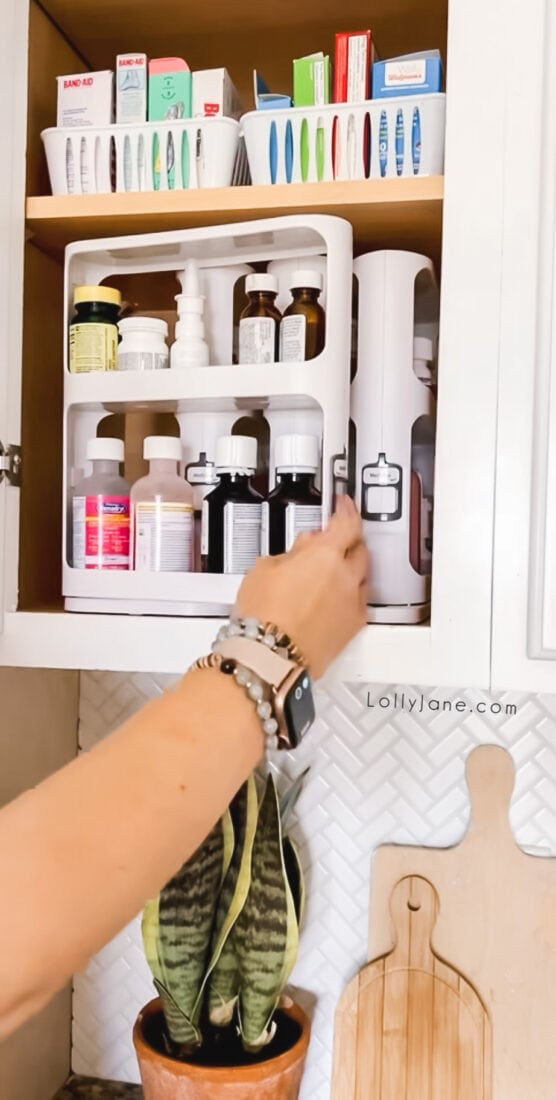
Shelves provide an excellent way to keep medicines visible and accessible. Arrange medicines by categories like vitamins, pain relievers, and prescriptions. Use adjustable shelves to accommodate bottles of different sizes. Drawers can store smaller items like bandages or ointments. Use drawer dividers to keep everything neat and separated.
Incorporating Bins And Trays
Bins are perfect for grouping similar items together. Label each bin for easy identification. Clear bins allow you to see contents at a glance. Trays can hold frequently used items like daily vitamins. Place trays at the front for quick access. Choose stackable trays to save space in the cabinet.
Safety Measures
Organizing a medicine cabinet in the kitchen demands careful attention to safety measures. Prioritizing safety helps prevent accidents and ensure medications are stored correctly. Two crucial aspects of safety are childproofing the cabinet and disposing of expired medications.
Childproofing The Cabinet
Children are naturally curious. Keep medications out of their reach. Use safety locks on cabinets. These locks prevent children from opening them easily. Consider installing high shelves for storage. High shelves keep medications away from small hands. Clearly label medicines to avoid confusion. Labels help identify contents quickly. Teach older children about medication safety. Explain why certain items are off-limits. Education can prevent mishaps.
Disposing Of Expired Medications
Expired medications can be dangerous. Check expiration dates regularly. Remove outdated medicines promptly. Use safe disposal methods. Flushing pills can harm the environment. Instead, look for local disposal programs. Many pharmacies offer medication take-back services. Follow their guidelines for safe disposal. Avoid throwing medications in the trash. Children or pets might find them. Proper disposal keeps everyone safe. It also protects the environment.
Maintaining Organization
Transform your medicine cabinet into a tidy space by grouping items by category. Utilize clear containers to keep everything visible and accessible. Regularly check expiration dates and dispose of old medicines to ensure safety and efficiency.
Maintaining organization in your kitchen medicine cabinet is crucial for ensuring easy access to medications when you need them most. A well-organized cabinet not only saves you time but also helps prevent accidental consumption of expired or unnecessary drugs. With a few simple practices, you can keep your medicine cabinet tidy and efficient.
Regular Inventory Checks
Conduct regular inventory checks to know exactly what's in your medicine cabinet. This means setting aside time, perhaps once a month, to go through each item. Ask yourself: Do I still need this? Is this medication expired? Make a list of what needs replenishing or removing. This habit not only ensures safety but also helps in managing your household budget more efficiently.
Seasonal Cleaning And Updating
Seasonal cleaning is not just for your wardrobe—it applies to your medicine cabinet too. Think of it as spring cleaning for your health supplies. Each season, take everything out of your cabinet and clean the shelves. Then, update your inventory with any new medications or first-aid supplies that might be relevant for the coming months. Summer may require more sunscreen and insect repellent, while winter might need extra cold and flu remedies. By consistently maintaining your medicine cabinet, you're not just organizing; you're actively participating in your family's health and safety. What strategies do you use to keep your medicine cabinet in order? Share your tips in the comments below!
Innovative Tips From Experts
Organizing a medicine cabinet in the kitchen can be a challenge. Experts offer innovative tips to maximize space and efficiency. These ideas help ensure medications are accessible and safe.
Space-saving Techniques
Use vertical space with tiered shelves. These allow you to see everything at a glance. Opt for clear bins to group similar items. Label each bin for easy identification. Consider using the inside of cabinet doors. Hooks or small shelves work well here. This keeps items off the main shelves. Use stackable containers for small bottles and tubes. This technique maximizes the available space. Ensure heavier items are stored at the bottom.
Incorporating Technology For Reminders
Set up a digital reminder system for medications. Use apps to set alerts for dosages. This ensures you never miss a dose. Smart speakers can also help with reminders. Program them to announce medication times. Some apps offer inventory tracking features. This helps monitor when to restock. Keep a digital list of medications and expiration dates. This reduces clutter and keeps things organized.

Credit: justagirlandherblog.com
Frequently Asked Questions
How To Start Organizing A Medicine Cabinet?
Begin by emptying the cabinet completely. Discard expired medications and consolidate duplicates. Clean shelves and drawers thoroughly. Sort items into categories like pain relief, cold medicine, and prescriptions. Use clear containers or bins to keep everything organized. Label each container for easy identification and access.
What Items Should Be Kept In A Kitchen Medicine Cabinet?
Include over-the-counter medications, prescription drugs, and first-aid supplies. Keep essential items like pain relievers, allergy medications, and cough syrups. Store a thermometer and any necessary health equipment. Ensure everything is easily accessible, yet safe from children and pets.
How Often To Check Medicine Cabinet For Expiration?
Check your medicine cabinet every six months. Regularly inspect medications for expiration dates. Discard expired items responsibly. This ensures safety and effectiveness. Keeping an organized schedule helps maintain a healthy home environment.
Should Medications Be Stored At Room Temperature?
Yes, most medications should be stored at room temperature. Avoid direct sunlight and moisture. Ensure the cabinet is cool and dry. Follow specific storage instructions on medication packaging. Proper storage helps maintain medication effectiveness and safety.
Conclusion
Organizing your kitchen medicine cabinet boosts efficiency and safety. Keep labels visible for quick access. Regularly check expiration dates to avoid risks. Group similar items together for easy finding. Use bins or shelves for better storage. A tidy cabinet saves time and prevents accidents.
Small steps make a big difference in your daily routine. Spend a few minutes each week to maintain order. Your organized cabinet will serve you well. Enjoy a clutter-free space and peace of mind. Simplify your life with an orderly medicine cabinet.