Imagine stepping into your kitchen and feeling an immediate sense of calm and clarity. A minimalist kitchen isn't just about having fewer items; it's about creating a space where everything has a purpose and a place.
If you've ever felt overwhelmed by cluttered countertops or chaotic cabinets, you're not alone. Organizing a minimalist kitchen can transform your cooking space into a haven of efficiency and tranquility. This is your opportunity to reclaim your kitchen and make it a space that truly works for you.
As you read on, you'll discover simple yet powerful strategies to declutter, prioritize, and organize, making meal preparation a joy rather than a chore. Ready to unlock the secrets to a streamlined kitchen that sparks joy every time you step inside? Let's dive in.
Credit: www.lauranoelle.com
Decluttering Essentials
Creating a minimalist kitchen begins with one crucial step: decluttering. This process is not just about tidying up; it's about transforming your kitchen into a space that is efficient and calming. Decluttering is an art and science, requiring thoughtful assessment and decision-making. Let's dive into the essentials of this journey, starting with assessing what you currently have.
Assessing Current Inventory
Begin by taking stock of your kitchen items. Open each cupboard and drawer and look at what you truly use. You might discover forgotten gadgets that haven’t seen daylight in years.
Ask yourself: do you need that extra set of measuring cups? Create a list, categorizing items into what you use daily, occasionally, and never. This will give you clarity on what actually serves a purpose.
Deciding What To Keep
Now, shift focus to deciding what stays. Prioritize functionality and frequency of use. Keep items that make cooking enjoyable and efficient, like your favorite spatula or reliable saucepan.
Consider sentimental value too. Perhaps that old teapot from grandma brings joy every time you see it. However, be ruthless with duplicates. One reliable knife beats a drawer full of dull blades.
Effective Disposal Methods
With unwanted items, think of sustainable disposal methods. Donate gently used items to local charities, or host a garage sale for a little extra cash.
Recycle responsibly. Many kitchen items can be repurposed or recycled. Check local guidelines for glass, metal, and plastic recycling. Finally, for items beyond repair, trash them. A clutter-free kitchen awaits.
Decluttering your kitchen is more than tossing things out. It's about creating a space that serves you, not the other way around. What will you do with the extra space and peace of mind?
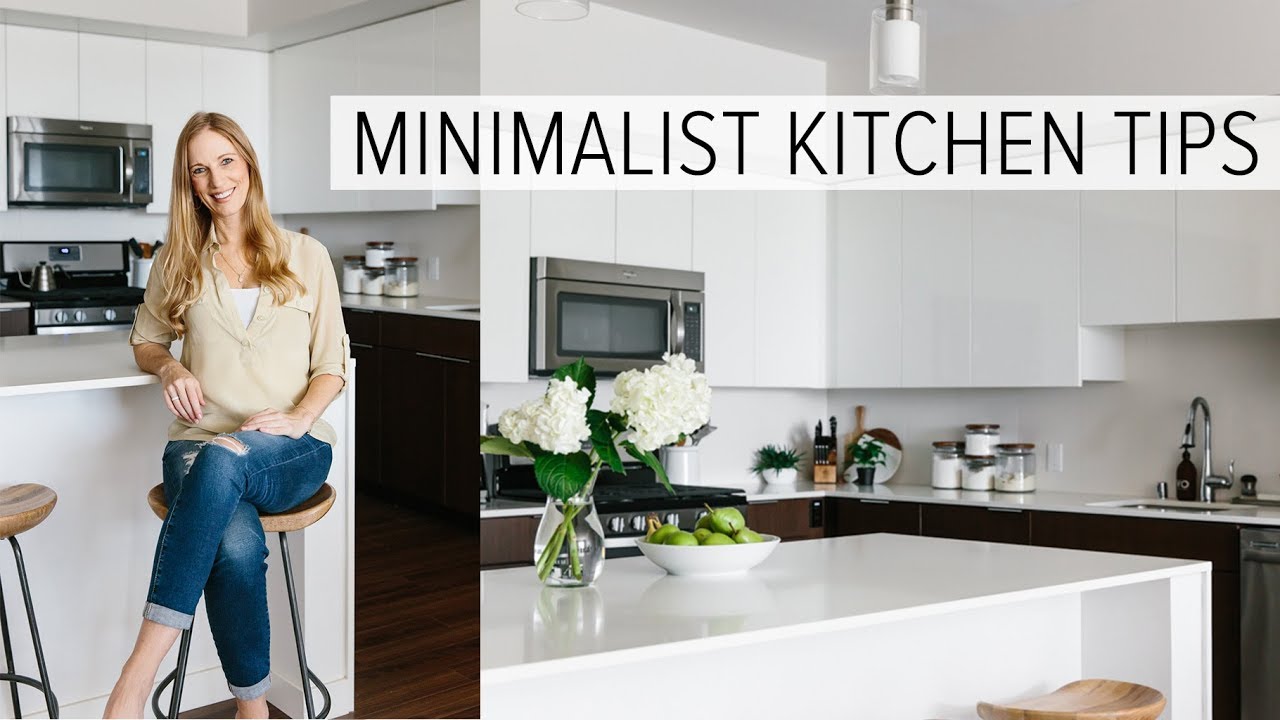
Credit: m.youtube.com
Space Optimization
Creating a minimalist kitchen starts with optimizing space effectively. A clutter-free environment enhances functionality and aesthetic appeal. Space optimization is crucial for maintaining a clean and organized kitchen. This approach allows you to utilize every inch smartly, making daily tasks more manageable. Let's explore some practical strategies for space optimization.
Utilizing Vertical Storage
Vertical storage maximizes unused wall space. Install shelves or hooks to hold kitchen essentials. Place frequently used items within easy reach. Store pots and pans on hooks for easy access. Use magnetic strips for knives and tools. Stack shelves to store dishes and glassware. This keeps counters clear and organized.
Smart Drawer Organization
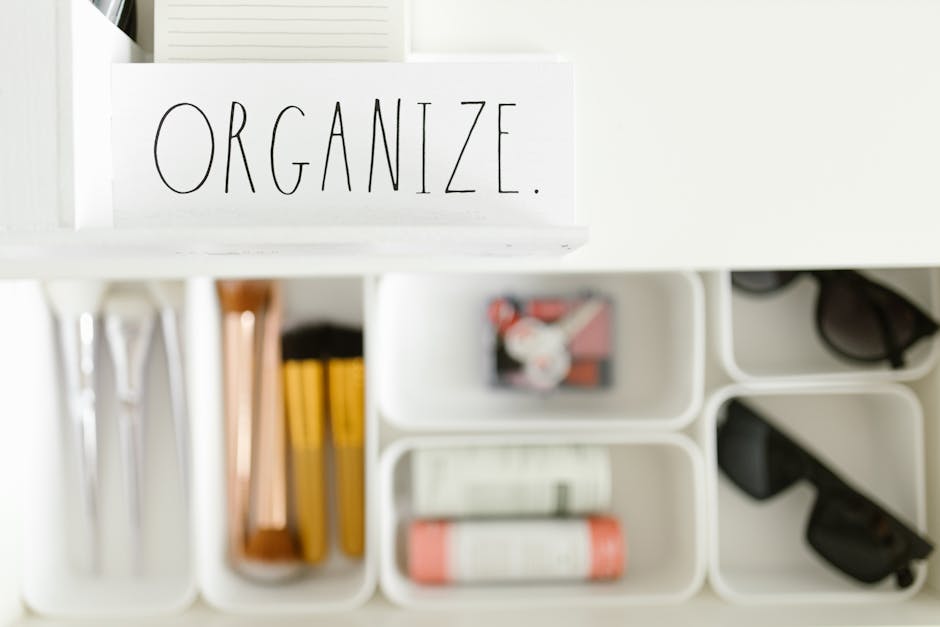
Organize drawers with dividers for utensils and gadgets. Use trays to separate items. Ensure everything has a designated spot. Keep similar items together for easy retrieval. Utilize deep drawers for pots and pans. Optimize space by stacking lids and containers. Label sections for quick access.
Maximizing Counter Space
Keep counters free from unnecessary items. Use wall-mounted racks for spices and condiments. Store appliances inside cabinets to reduce clutter. Use cutting boards that fit over sinks. This creates additional workspace. Utilize corner shelves for small kitchen tools. Keep countertops clear for food preparation.
Essential Tools And Appliances
Creating a minimalist kitchen requires thoughtful selection of tools and appliances. Each item should serve a clear purpose and fit seamlessly into your space. This involves identifying essential gadgets, choosing multipurpose appliances, and streamlining cookware.
Identifying Must-have Gadgets
Start by determining the gadgets you use daily. A reliable knife set is essential for slicing and dicing. A sturdy cutting board pairs perfectly with these knives. Measuring cups and spoons are crucial for precise cooking. These tools form the backbone of a functional kitchen.
Multipurpose Appliance Choices
Opt for appliances that perform multiple functions. A blender can mix, puree, and chop. A slow cooker offers diverse cooking options. A microwave reheats and cooks efficiently. Choose these versatile appliances to save space and money.
Streamlined Cookware Selection
Select cookware that meets your cooking needs. A quality skillet is versatile for frying and sautéing. A saucepan is perfect for simmering sauces. A baking sheet is ideal for roasting and baking. These pieces cover most cooking tasks.
Stylish Yet Functional Decor
Creating a minimalist kitchen doesn't mean sacrificing style for functionality. You can achieve a space that is both elegant and practical. With thoughtful decor choices, you can enhance your kitchen's appeal. This section explores stylish yet functional decor ideas. Let's dive into color schemes, decorative accents, and natural elements.
Minimalist Color Schemes
Color plays a crucial role in setting the tone. Choose neutral shades like white, beige, or light gray. These colors make the kitchen look spacious and clean. They provide a calming backdrop for cooking and socializing. Consider adding subtle pops of color with accessories. This keeps the look minimal yet inviting.
Simple Decorative Accents
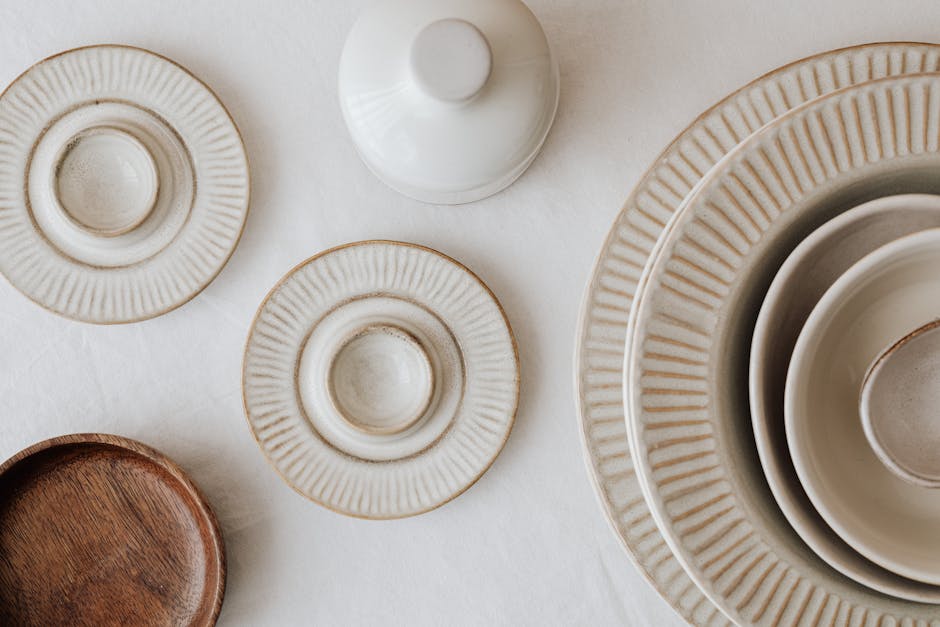
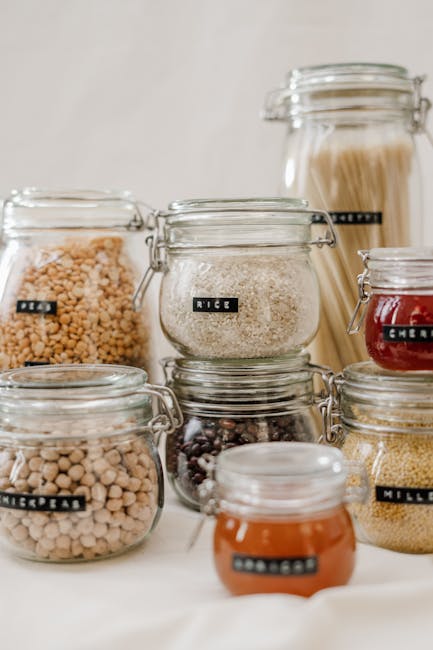
Decorative accents should be simple and purposeful. Use sleek storage jars for essentials. Display a few handpicked pieces of art. Keep counters free of clutter. Choose functional items with aesthetic appeal. A stylish fruit bowl or chic cutting board can make a statement. Remember, less is more.
Incorporating Natural Elements
Natural elements bring warmth to a minimalist kitchen. Introduce plants for a fresh touch. Herb pots on the windowsill are perfect. Wood accents add texture and charm. Wooden stools or cutting boards blend functionality with style. Natural light enhances the space. Keep windows clear to maximize sunlight.
Sustainable Practices
Embracing sustainability in your kitchen promotes a healthier planet. It also creates a serene, clutter-free environment. With a minimalist approach, you can make eco-friendly choices. These can lead to less waste and conscious consumption. Explore sustainable practices to transform your kitchen into a greener space.
Eco-friendly Materials
Choose materials that are good for the environment. Bamboo, glass, and stainless steel are durable and sustainable. They offer an alternative to plastic, which harms ecosystems. Use wooden utensils and glass storage containers. They add a natural touch to your kitchen. Opt for recycled or upcycled materials for decor and tools. This reduces waste and supports sustainable production.
Waste Reduction Strategies
Minimize waste by planning meals and using leftovers creatively. Compost food scraps to enrich your garden soil. This practice reduces landfill waste and nurtures your plants. Invest in reusable cloths and towels. They replace single-use paper products. Choose bulk buying to reduce packaging waste. Store food in airtight containers to keep it fresh longer.
Mindful Consumption Habits
Adopt habits that focus on quality over quantity. Buy only what you need to avoid clutter and waste. Choose local and seasonal produce. This supports local farmers and reduces your carbon footprint. Practice mindful shopping by bringing reusable bags. Prepare meals at home to reduce takeout packaging waste. These habits contribute to a minimalist, eco-friendly kitchen.
Maintenance And Upkeep
Maintaining a minimalist kitchen requires dedication and routine attention. Proper upkeep ensures your space remains clutter-free and functional. Implementing regular maintenance habits enhances the beauty and efficiency of your kitchen.
Routine Cleaning Tips
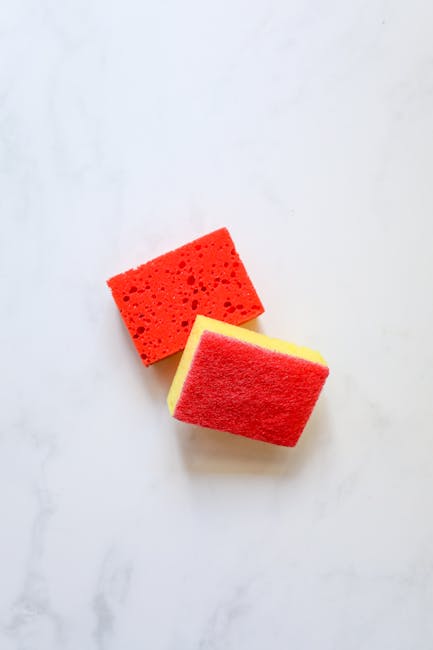
Daily cleaning keeps surfaces spotless. Wipe counters after each meal. Use mild detergents for cleaning. Regularly sweep floors to remove crumbs. Clean spills immediately to prevent stains. Keep appliances free from dust.
Periodic Inventory Checks
Check your pantry monthly. Remove expired items. Donate unused goods to reduce clutter. Regularly assess kitchen gadgets. Eliminate duplicates and broken tools. Keep only what you use frequently.
Continuous Improvement Mindset
Always seek ways to enhance your kitchen. Update storage solutions if needed. Adjust arrangements for better accessibility. Stay open to new ideas for efficiency. Embrace changes that simplify your routine.

Credit: m.youtube.com
Frequently Asked Questions
What Is A Minimalist Kitchen Setup?
A minimalist kitchen setup emphasizes simplicity, functionality, and uncluttered spaces. It includes essential appliances and tools only. The focus is on clean lines and neutral colors, creating a peaceful cooking environment. Minimalist kitchens help reduce stress and make daily tasks efficient and enjoyable.
How To Declutter Kitchen Efficiently?
Start by removing items you rarely use. Keep only essentials that serve a purpose. Use storage solutions like drawer organizers. Clear countertops and use vertical space. Regularly review your items to maintain a clutter-free kitchen. Decluttering enhances functionality and creates a calm cooking atmosphere.
Which Colors Suit Minimalist Kitchens?
Neutral colors like white, gray, and beige suit minimalist kitchens. They create a clean and serene environment. These colors complement natural light, making spaces appear larger. You can add subtle accents with soft pastels or metallics. The goal is a harmonious and inviting kitchen space.
How To Maximize Kitchen Storage?
Use vertical space with shelves and hooks. Utilize drawer organizers for utensils. Store items in clear containers for easy access. Keep countertops clear by using wall-mounted racks. Choose multi-functional furniture to save space. Efficient storage solutions enhance your kitchen's functionality and aesthetics.
Conclusion
A minimalist kitchen feels calm and clutter-free. Simplicity brings peace. Keep only essentials within reach. Organize items by function. Store rarely used tools elsewhere. Use clear containers for easy access. Label everything. Regularly clean and declutter. Maintain neatness with daily habits.
Enjoy cooking in a tidy space. A minimalist kitchen saves time and reduces stress. Embrace simplicity. Your kitchen should reflect your lifestyle. Balance function with style. Feel inspired every time you cook. Small changes make a big difference. Start today.
Transform your kitchen into a minimalist haven.