Are you tired of the constant chaos in your non-modular kitchen? Do you struggle to find the right tools and ingredients when you need them the most?
You're not alone. Many people face the daily challenge of keeping their kitchens organized without the convenience of modular designs. But here's the good news: you can transform your space into a well-organized haven with just a few simple changes.
Imagine effortlessly navigating your kitchen, with everything you need at your fingertips. Picture the time and stress you'll save by having a place for everything and everything in its place. This isn't just a dream—it's a reality you can achieve with the right strategies. In this guide, we'll walk you through practical tips and tricks to organize your non-modular kitchen effectively. By the end of this article, you'll have actionable steps that will not only streamline your cooking process but also bring back the joy of spending time in your kitchen. Ready to turn chaos into calm? Let's get started!
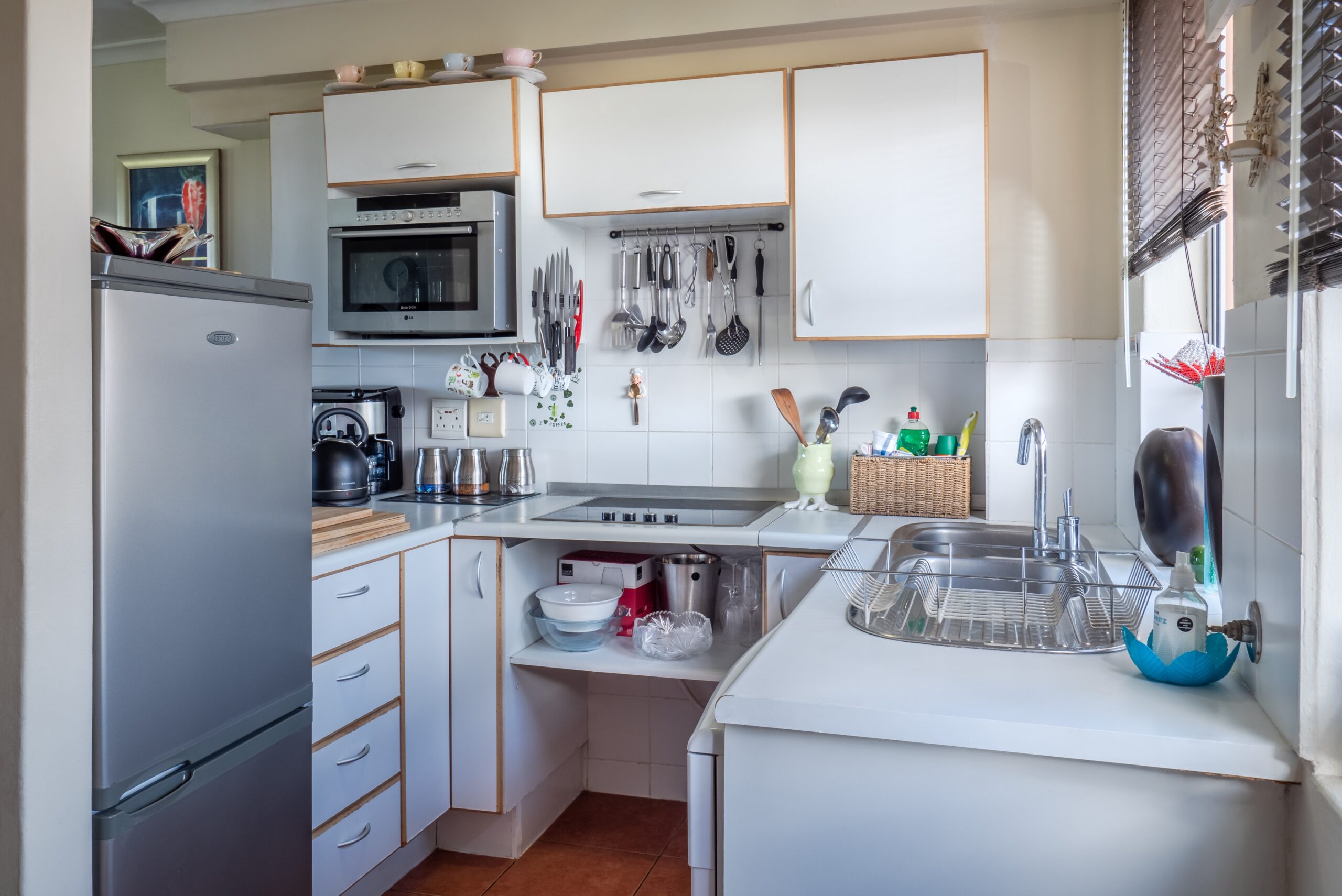
Credit: aleamodular.com
Assessing Kitchen Space
Organizing a non-modular kitchen begins with assessing the space. Understanding your kitchen layout is crucial. It helps in maximizing efficiency. Know your kitchen’s strengths and limitations. This involves careful measurement and observation.
Measuring Dimensions
Start by measuring your kitchen dimensions. Use a measuring tape for accuracy. Note down the width, length, and height. Accurate measurements prevent errors. Measure twice to ensure precision. This helps in planning storage solutions.
Identifying Key Areas
Identify key areas within the kitchen. Focus on cooking, cleaning, and storage zones. Each area serves a different purpose. Recognize their importance. For instance, the cooking area needs easy access to spices. The cleaning zone should be near the sink.
Think about how you use each area daily. This understanding guides effective organization. Maximize each section’s utility. Optimize the space you have. Small changes can make a big difference.
Planning Storage Solutions
Planning storage solutions in a non-modular kitchen can be a challenge. With thoughtful organization, even the smallest spaces can be transformed. Focus on maximizing every inch for efficiency. Clever storage solutions make cooking a breeze.
Utilizing Cabinets Effectively
Cabinets are crucial for storing kitchen essentials. Use vertical space by adding stackable shelves. Group similar items together for easy access. Store rarely used items at the back. Label shelves to keep things organized. Consider installing pull-out trays for better reach.
Maximizing Drawer Space
Drawers can be cluttered without proper planning. Use dividers to separate utensils and tools. Allocate specific sections for each type. Roll towels and cloths to save space. Keep everyday items in front for quick access. Utilize the full depth of drawers by stacking smaller items.
Incorporating Shelves
Shelves offer flexibility in storing kitchenware. Wall-mounted shelves create additional space. Use adjustable shelves for different-sized items. Display frequently used items for convenience. Opt for open shelves to reduce clutter. Consider installing corner shelves for unused spaces.
Optimizing Counter Space
Optimizing counter space in a non-modular kitchen can seem like a puzzle. But with a few smart moves, you can transform chaos into clarity. Imagine cooking with ease, where every pot, pan, and appliance has its place. It's all about making the most of what you have, and you'll be surprised how much space is hidden within your kitchen.
Choosing Essential Appliances
Start by identifying appliances you use daily. Your coffee maker might be a staple, but do you need that bulky juicer sitting out? Keep only what you use frequently on the counter. Store the rest in cabinets or shelves.
A friend once told me how they switched to a compact, multi-functional appliance, saving space and reducing clutter. Think about whether you really need a toaster and a toaster oven. One appliance with multiple functions can save you precious counter inches.
Organizing Cooking Utensils
Utensils can quickly take over your counter space if not organized. Consider a utensil holder that keeps your spatulas, spoons, and tongs upright. This frees up drawer space and keeps your counters tidy.
If drawer space is limited, a hanging rack could be your best friend. You can hang frequently used items like spatulas or ladles, keeping them within easy reach while freeing up counter space.
Have you ever found yourself searching for a whisk in a sea of ladles? Group similar items together, and you'll save time and frustration. Your counter will feel more spacious, and your cooking process will become more efficient.
How do you decide what stays and what goes on your counter? It's simple: if you haven't used it in a month, it's probably not essential. Start by removing one item at a time, and you'll notice a significant difference.
By refining your choices and organizing strategically, your non-modular kitchen can become a well-oiled machine. You’ll find cooking to be less of a chore and more of a joy. What will you clear off your counter today?
Zoning The Kitchen
Organizing a non-modular kitchen involves creating zones for different activities like cooking, cleaning, and food prep. Use shelves and containers to keep items accessible and easy to find. Optimize counter space by grouping similar tools and ingredients together for efficient workflow.
Organizing a non-modular kitchen might seem daunting, but zoning can make it manageable and even enjoyable. Think of your kitchen as a map with specific areas dedicated to different tasks. This method not only streamlines your workflow but also maximizes space and efficiency. Have you ever found yourself frustrated while juggling pots, pans, and utensils in a cramped space? Zoning might just be the solution you need.
Creating Cooking Zones
Designate a specific area for cooking essentials. This should include your stove, oven, and frequently used spices. Keep pots and pans nearby to avoid unnecessary trips around the kitchen. An overhead rack or a nearby cabinet can be perfect for storing these items. It’s about creating a space where everything is within arm’s reach. Imagine the ease of cooking without the constant search for that elusive frying pan.
Defining Cleaning Areas
Your cleaning zone should be centered around the sink. This includes dish soap, sponges, and drying racks. Place them in a way that they are easily accessible during and after meal prep. Consider installing hooks under the sink to hang gloves and cleaning cloths. Keep a small trash bin nearby for quick disposal of waste. Does your cleaning routine need a boost? This setup ensures you don’t break the flow when tidying up.
Establishing Food Prep Zones
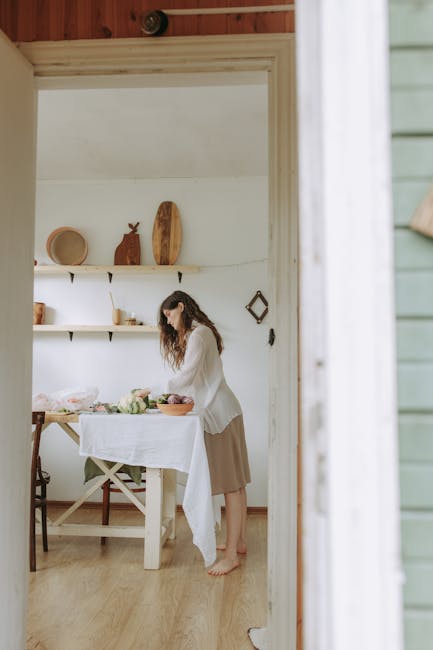
Set aside a counter space solely for food preparation. This area should house chopping boards, knives, and mixing bowls. Having a dedicated zone helps keep your workflow smooth and uninterrupted. Store essential appliances like blenders and food processors here. You’ll save time and energy when everything you need is within reach. Is your kitchen ready to support your culinary adventures with ease? A well-organized prep zone can make all the difference. Zoning a non-modular kitchen can transform your cooking experience. It’s about creating distinct areas for specific tasks, making your kitchen more functional and enjoyable. Are you ready to embrace a more organized kitchen? The change can start with just a few tweaks.
Organizing Pantry And Food Storage
Organizing a non-modular kitchen pantry can be a rewarding task. A well-organized pantry makes cooking enjoyable. It also saves time and reduces food waste. Proper food storage is essential for maintaining freshness. It helps keep track of what you have. Here are some effective tips to organize pantry and food storage.
Sorting Dry Goods
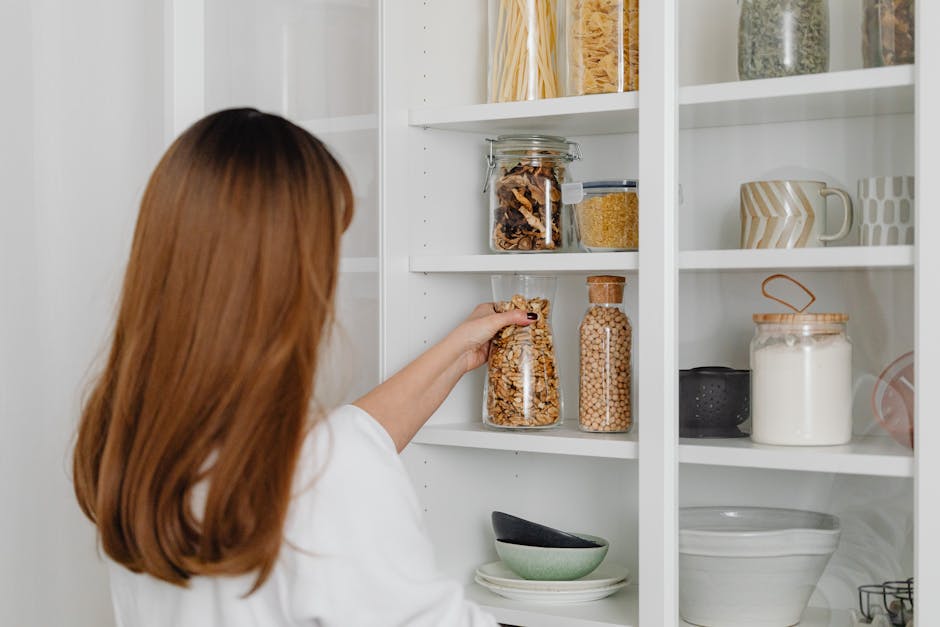
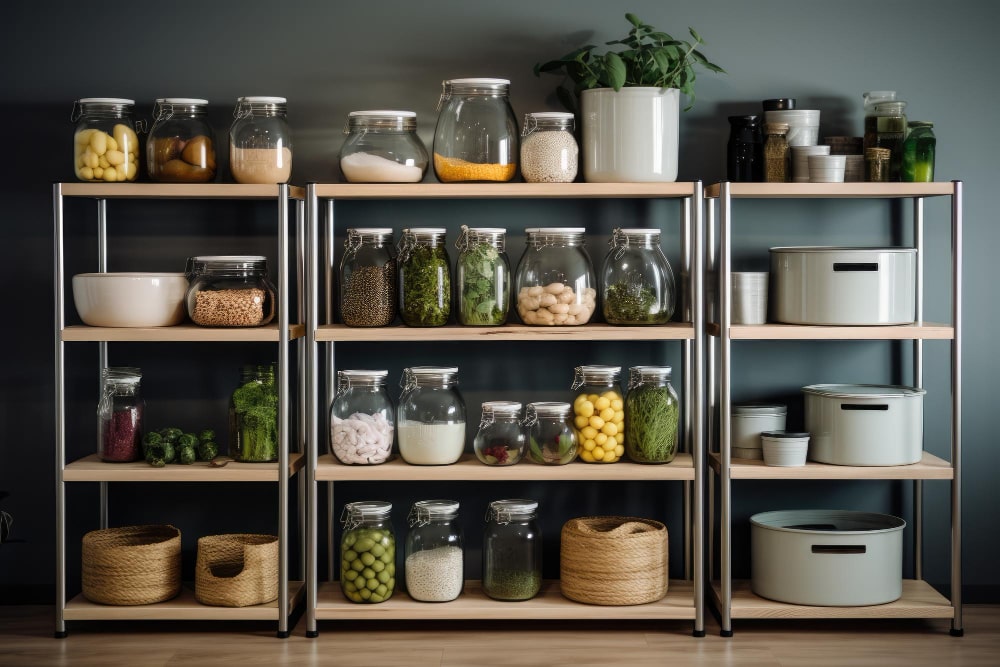
Start by sorting dry goods into categories. Group items like grains, pasta, and cereals together. Place baking supplies in a separate section. Keep snacks and quick meals in easy-to-reach spots. This method makes it easier to find what you need. It also helps in planning meals efficiently.
Labeling Containers
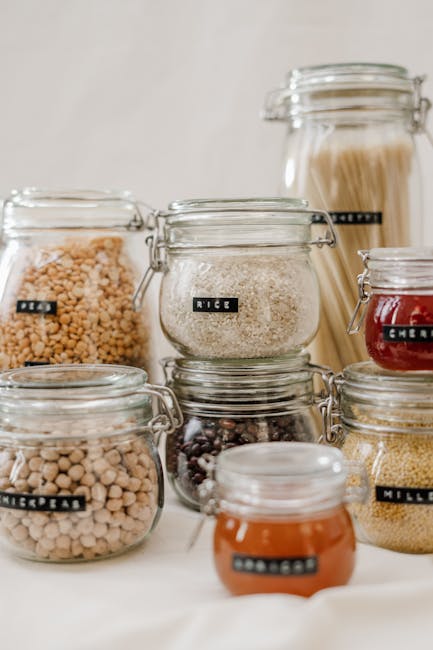
Labeling containers is crucial for a tidy pantry. Use clear labels for each container. Include the name and expiration date of the item. This practice prevents confusion and ensures food safety. Choose uniform containers for a neat look. Transparent containers help identify contents quickly.
Arranging Canned Goods
Arrange canned goods by type and purpose. Keep similar items together, like soups and vegetables. Stacking them neatly saves space. Place frequently used cans at the front. Rotate cans according to expiration dates. This method prevents food spoilage and ensures you use older cans first.
Credit: cityfurnish.com
Maintaining A Clutter-free Kitchen
Keeping a non-modular kitchen tidy can be tricky. Items pile up quickly. But a clutter-free kitchen is possible with some effort. It makes cooking more enjoyable and less stressful.
A well-organized kitchen saves time. You find what you need without hassle. Start with a few simple habits. These habits keep your kitchen neat and functional.
Regular Cleaning Routines
Clean your kitchen every day. This prevents mess from building up. Wipe the counters after each meal. Sweep the floor to remove crumbs. These small actions make a big difference.
Wash dishes as soon as you use them. Piling dishes only adds to the clutter. A clean sink is always inviting. It encourages you to keep other areas tidy too.
Monthly Decluttering Tips
Set aside time each month to declutter. Focus on one area at a time. Start with the pantry. Check expiration dates and discard old items.
Look through drawers and cabinets. Remove items you never use. Donate or sell these items. This creates more space for essentials.
Organize your tools and utensils. Group similar items together. Use baskets or bins for easy access. This keeps everything in its place.
Incorporating Personal Style
Organizing a non-modular kitchen with personal style can enhance both function and aesthetics. Utilize open shelves for easy access to frequently used items. Display colorful cookware and unique utensils to reflect your personality, creating a welcoming and practical space.
Incorporating personal style into a non-modular kitchen can elevate its charm. It reflects your personality and makes the space uniquely yours. A kitchen is more than a place for cooking; it's a gathering space for family and friends. This is where style meets function. Adding personal touches creates a warm, inviting atmosphere.
Adding Decorative Elements
Decorative elements bring life to a non-modular kitchen. Consider adding artwork to the walls. It could be a painting or a series of framed prints. Displaying vintage kitchen tools can add character. Use open shelves for displaying decorative plates or ceramics. Plants can also breathe life into the space. A small herb garden on a windowsill is practical and appealing. These elements personalize and enrich your kitchen environment.
Using Color Schemes
Color schemes play a crucial role in setting the kitchen's mood. Start by choosing a base color. Neutral tones like white or gray provide a calm backdrop. Add pops of color with accessories like towels or curtains. Bright colors can energize the space. Pastel shades offer a soft, soothing look. Ensure the colors complement each other for harmony. A well-thought-out color scheme enhances the kitchen's aesthetic.

Credit: www.youtube.com
Frequently Asked Questions
How Can I Maximize Space In A Non-modular Kitchen?
To maximize space in a non-modular kitchen, utilize vertical storage options like shelves and racks. Consider using hooks for utensils and pots. Organize items by frequency of use, placing daily essentials within easy reach. Use containers and baskets to group similar items together, keeping the kitchen tidy and efficient.
What Are Effective Storage Solutions For Small Kitchens?
Effective storage solutions for small kitchens include using stackable containers and drawer organizers. Install wall-mounted shelves to free up counter space. Consider magnetic strips for knives and spice jars. Use corner shelves to optimize unused spaces. Prioritize multifunctional furniture like islands with storage underneath to enhance efficiency.
How Do I Maintain Organization In A Non-modular Kitchen?
To maintain organization, regularly declutter and clean your kitchen space. Use labels on jars and containers for easy identification. Allocate specific areas for different kitchen tasks. Keep countertops clear by storing appliances when not in use. Rotate items seasonally to ensure everything remains accessible and organized.
Can Open Shelving Work In Non-modular Kitchens?
Open shelving can work well in non-modular kitchens by providing easy access to frequently used items. It creates a sense of openness and helps display decorative kitchenware. Keep shelves tidy by grouping similar items and maintaining balance. Regularly clean and organize shelves to prevent clutter and maintain aesthetics.
Conclusion
Organizing a non-modular kitchen is simpler than it seems. Use baskets to store smaller items. Label containers for easy access. Keep frequently used items within reach. Arrange pots and pans by size. Utilize wall hooks for tools. Maximize corner spaces with shelves.
Group similar items together. Clean regularly to maintain order. A tidy kitchen enhances cooking efficiency. Enjoy a clutter-free cooking environment. Embrace the simplicity of your space. With some creativity, your kitchen can be both functional and pleasant. Remember, a well-organized kitchen saves time and reduces stress.
Happy organizing!