Imagine hosting a summer barbecue where everything you need is at your fingertips, and your guests are amazed by not just the food, but also the seamless flow of your outdoor kitchen. Sounds dreamy, right?
Transforming your outdoor space into a well-organized kitchen can turn this dream into reality. By mastering the art of organizing your outdoor kitchen, you can enjoy cooking and entertaining with ease and elegance. In this guide, you'll uncover simple yet effective strategies to arrange your outdoor kitchen, ensuring every meal you prepare is hassle-free and enjoyable.
Discover how you can maximize space, enhance functionality, and create a welcoming atmosphere that keeps your guests coming back for more. Let's unlock the secrets to an organized outdoor kitchen that not only meets your needs but also impresses everyone who steps into your backyard oasis.
Credit: warehouse414.com
Choosing The Right Location
Choosing the right location for your outdoor kitchen is crucial. It impacts functionality and enjoyment. A well-chosen spot enhances cooking experience and social gatherings. Assessing space and accessibility, and considering sun and shade are vital factors. Let’s explore these aspects.
Assessing Space And Accessibility
Space determines layout and equipment options. Measure available area carefully. Ensure enough room for cooking, dining, and movement. Think about the number of guests you plan to entertain.
Accessibility affects convenience. Place the kitchen near your indoor kitchen. This reduces trips for ingredients. Also, consider proximity to utilities like water and electricity. It simplifies installation and usage.
Considering Sun And Shade
Sun exposure influences comfort. A shaded spot can prevent overheating. Trees, pergolas, or umbrellas offer shade. They help maintain a pleasant temperature.
Sunlight is essential for visibility. Ensure adequate lighting during late hours. Balance shade and sun for a cozy and functional space. Use portable awnings for flexibility. They allow adjustment based on the season.
Designing Your Layout
Organize your outdoor kitchen by arranging cooking zones for grilling, prepping, and dining. Ensure easy access to appliances and storage. Balance aesthetics with functionality for a seamless outdoor cooking experience.
Designing your layout for an outdoor kitchen can seem daunting. But with a clear plan, it becomes manageable. Proper organization enhances your cooking experience. It also makes your space inviting. Start with a well-thought-out layout. This ensures everything has a place. It also keeps your cooking flow smooth.
Determining Functional Zones
Functional zones are key in an outdoor kitchen. Identify where you'll cook, prep, and store items. The cooking zone holds your grill or stove. Place this area away from seating. This keeps guests safe from heat and smoke. Next, consider your prep zone. This is where you'll chop and mix. Ensure it's close to the cooking area. This minimizes movement and keeps things efficient. Finally, think about your storage zone. You'll need space for utensils, pots, and ingredients. Keep this area organized for easy access.
Ensuring Flow And Efficiency
Flow and efficiency are vital in kitchen design. Arrange your zones logically. This reduces unnecessary steps while cooking. Keep the prep area near the cooking zone. This allows for quick transitions. The storage zone should be nearby as well. It saves time when grabbing ingredients. Consider the placement of your fridge or cooler. It should be easy to reach. This ensures cold items stay fresh. Remember to leave space for movement. This keeps the area safe and comfortable. A well-designed layout makes cooking a pleasure. It keeps everything within reach. It also enhances your outdoor dining experience.
Selecting Durable Materials
Choosing strong materials ensures your outdoor kitchen withstands weather and time. Metal, stone, and concrete are excellent choices. These materials resist moisture and heat, keeping your kitchen sturdy and functional.
Creating an outdoor kitchen is an exciting venture that can transform your backyard into a culinary haven. The key to a lasting, functional space lies in selecting durable materials. Imagine having an outdoor kitchen that stands strong against the elements, maintaining its beauty and functionality for years. Choosing the right materials will ensure your kitchen is not just a summer romance but a lasting relationship. Let's explore the essentials for making this dream a reality.
Weather-resistant Surfaces
When considering surfaces, prioritize durability. Granite and concrete are excellent choices. They withstand rain, sun, and even the occasional hailstorm. These materials won't fade or warp, keeping your kitchen looking fresh. Think about how much use your kitchen will see. Do you often entertain, or is it more for family dinners? If you love hosting, opt for surfaces that are easy to clean, like stainless steel or porcelain tiles. They're not just practical; they add a sleek, modern touch to your space. Don't forget the floors. Choose materials that are slip-resistant and easy to maintain. Stone or sealed pavers offer both safety and style. They can handle foot traffic and spilled drinks with ease.
Sturdy Fixtures And Appliances
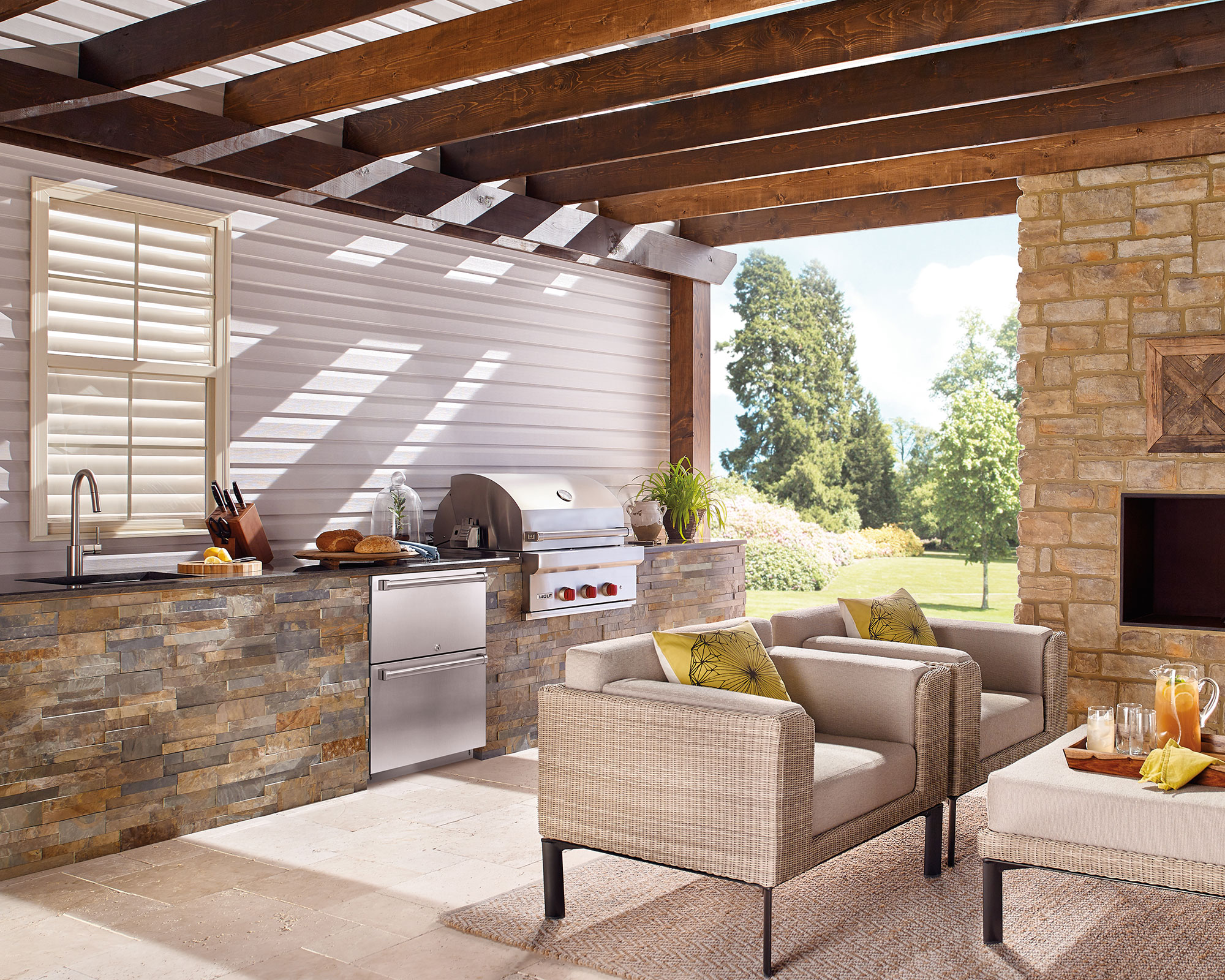
Fixtures are the backbone of your kitchen. Go for stainless steel sinks and faucets. They resist rust and corrosion, staying strong through any weather. It's not just about longevity; stainless steel brings a professional vibe to your kitchen. Select appliances designed for outdoor use. Built-in grills and refrigerators crafted for the outdoors will handle temperature swings without a hitch. Think about how much cooking you'll do. A robust grill is essential if you're a barbecue enthusiast. Consider your storage needs. Cabinets should be made from weather-resistant materials like marine-grade polymer or teak. They won't swell or crack, keeping your utensils safe from the elements. Here's a thought to ponder: How often do you want to replace parts of your kitchen? Durable materials save you time and money in the long run, ensuring you spend more time enjoying your space rather than fixing it. Your outdoor kitchen should be a reflection of your lifestyle and culinary passion. By carefully selecting materials, you're investing in a space that will be the heart of your home for years to come.
Incorporating Essential Features
Creating an outdoor kitchen involves placing vital features like a grill, storage, and seating smartly. Ensure all elements are within easy reach for smooth cooking. Weather-resistant materials extend your kitchen's life and enhance outdoor enjoyment.
Creating an outdoor kitchen is an exciting venture that allows you to enjoy cooking in the open air. However, to make the most of your space, you need to add essential features that enhance functionality. This involves selecting the right cooking equipment, ensuring sufficient storage, and making the space comfortable and efficient for all your culinary adventures.
Must-have Cooking Equipment
When planning your outdoor kitchen, think about the cooking equipment that will best suit your needs. A grill is a staple, whether you prefer gas, charcoal, or a modern pellet grill. Each has its own charm and utility. Consider a side burner for boiling or frying outside. It's a handy addition for those who love multitasking while cooking. A pizza oven can add a fun and tasty twist to your gatherings, offering a unique experience that guests will remember.
Ample Storage Solutions
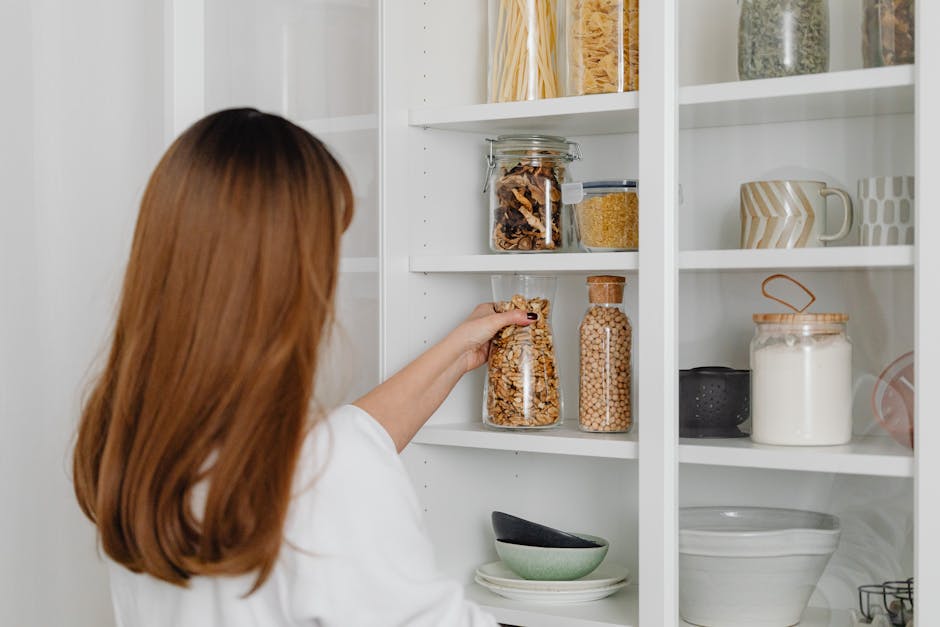
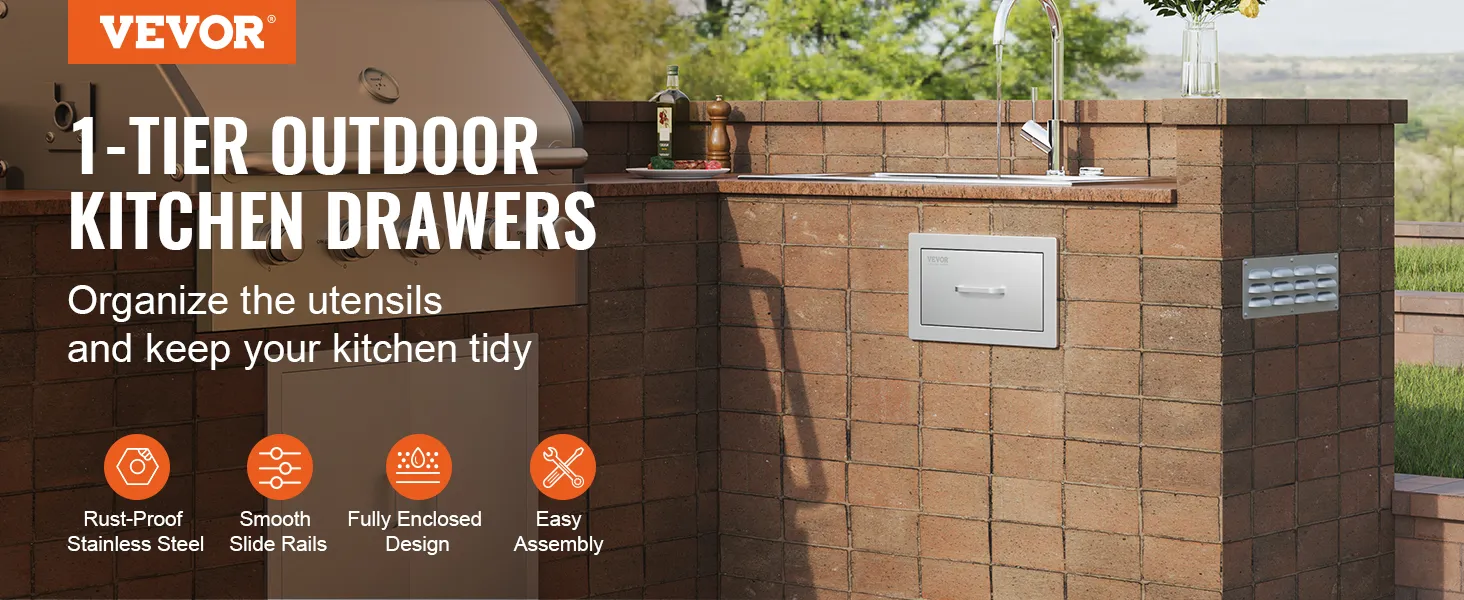
Storage is crucial in any kitchen, and your outdoor setup is no different. You'll need a place to keep your utensils, pans, and ingredients close at hand. Built-in cabinets and drawers made from weather-resistant materials can provide this convenience. Think about how you can utilize vertical space. Shelves can be a great addition, allowing you to store items that you use often. Consider a small outdoor fridge; it keeps your beverages cold and ingredients fresh, saving you trips to the indoor kitchen. While setting up your outdoor kitchen, reflect on your cooking habits and lifestyle. What equipment do you use most often? What storage solutions will make your cooking process smoother? By tailoring these features to your needs, you create a space that's not only functional but also enjoyable to use.
Enhancing Comfort And Style
Creating an outdoor kitchen is not just about cooking. It's also about enjoying the space. Comfort and style play a huge role. The right elements can make your space inviting and enjoyable. Attention to detail ensures your guests feel at home. Let's explore ways to enhance comfort and style.
Choosing Seating Options
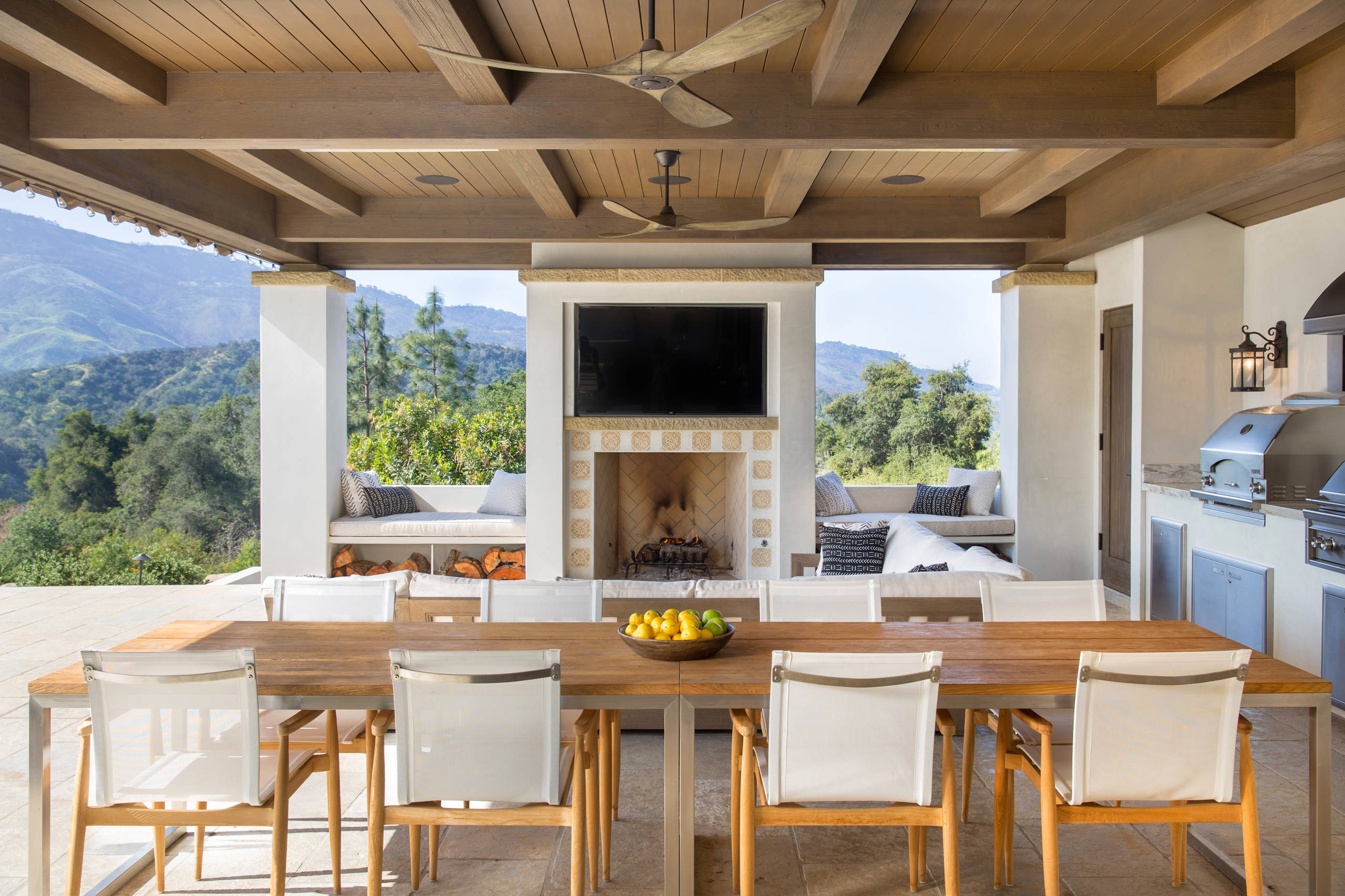
Seating is crucial for an outdoor kitchen. Consider durable and weather-resistant materials. Choose chairs and tables that match your style. Cushioned seating adds comfort. Benches can save space and offer flexibility. Arrange seating for easy conversation. Make sure there's enough room for everyone.
Adding Personal Touches
Your outdoor kitchen should reflect your personality. Use decorative pillows for a splash of color. Add string lights for a warm ambiance at night. Display potted plants for a touch of nature. Art pieces can make the area feel homely. Personal touches make your space unique and welcoming.
Credit: www.houzz.com
Planning For Safety
Creating a safe outdoor kitchen is crucial for peace of mind. Safety ensures an enjoyable cooking and dining experience. Proper planning can help avoid potential hazards. Focus on fire safety and protect children and pets in your design.
Fire Safety Precautions
Install a smoke detector near your outdoor kitchen. Ensure it's weatherproof and functional. Keep a fire extinguisher within reach. Know how to use it. Choose non-flammable materials for countertops and flooring. Avoid placing the grill near wooden structures. Maintain a safe distance from trees and shrubs. Regularly check gas lines and connections for leaks.
Child And Pet Safety Measures
Designate a safe zone for children and pets. Keep them away from hot surfaces and sharp tools. Use barriers or gates to restrict access to the cooking area. Store chemicals and sharp utensils out of reach. Install childproof locks on cabinets and drawers. Educate older kids about kitchen safety rules. Always supervise young children and pets when cooking.
Managing Utilities
Transform your outdoor kitchen into a functional space by arranging utilities efficiently. Place cooking appliances near prep areas for convenience. Arrange storage to keep utensils and ingredients easily accessible.
Managing utilities in your outdoor kitchen is crucial for functionality and safety. Whether you're grilling up burgers or shaking up cocktails, a seamless utility setup can make all the difference. But have you considered how to streamline your water, gas, and electrical systems for maximum efficiency? Let's dive into some practical tips.
Installing Water And Gas Lines
Start by planning where your water and gas lines will run. It's best to position them in a location that's both safe and efficient. Think about the distance from your indoor utilities and how this might impact installation costs. Choose materials that are durable and weather-resistant. Copper and PEX pipes are popular choices for water lines due to their longevity. For gas lines, stainless steel is a robust option. Don't forget about permits and professional installation. This step is crucial to ensure everything is up to code. Imagine the peace of mind knowing your setup is both safe and efficient.
Setting Up Electrical Systems
Consider the electrical needs of your outdoor kitchen. Will you have lighting, a fridge, or an outdoor sound system? Each of these requires specific planning. Ensure you have enough outlets to power all your appliances. Outdoor-rated outlets with weatherproof covers are essential for safety. Remember, it's better to have too many outlets than not enough. Hiring a certified electrician can save you headaches down the line. They can safely extend your home's electrical system to your outdoor space. Isn’t it worth the investment to avoid potential hazards? Managing utilities in your outdoor kitchen isn't just about installation. It's about creating a space where you can entertain and relax without a second thought. How will you make your outdoor kitchen both functional and inviting?
Maintenance And Upkeep
Creating an organized outdoor kitchen starts with a clean layout. Arrange cooking utensils near the grill for easy access. Store ingredients in waterproof containers to protect them from the elements. Regular cleaning ensures your space remains inviting and functional.
Maintaining and upkeeping your outdoor kitchen is crucial for its longevity and efficiency. A well-organized space not only enhances your cooking experience but also ensures safety and hygiene. Imagine firing up the grill without worrying about grime or clutter. Let's dive into the essentials of keeping your outdoor culinary haven in top shape.
Regular Cleaning Routines
Consistency is key to keeping your outdoor kitchen spotless. Start with a weekly cleaning schedule. Wipe down surfaces, wash utensils, and empty the trash regularly. Think about how satisfying it is to cook without the distraction of dirt. Use mild soap and water to clean countertops and appliances. Avoid harsh chemicals that might damage your equipment. Consider setting a timer for a 15-minute daily cleanup. This quick routine can prevent buildup and keep your space inviting. What if your guests could see their reflection on the gleaming grill?
Seasonal Maintenance Tips
Changing seasons require specific care for your outdoor kitchen. In spring, inspect for any winter damage. Check plumbing and electrical connections for wear and tear. Summer calls for sun protection. Use covers to shield your kitchen from intense sunlight and rain. Think about how much longer your grill will last with proper protection. As fall approaches, clean and store equipment that won't be used during colder months. Drain pipes and disconnect water lines to prevent freezing. How much hassle would you save by avoiding burst pipes? Regular updates to your maintenance routine can enhance your cooking experience. What steps will you take to ensure your outdoor kitchen remains a centerpiece of your home?
Credit: www.homesandgardens.com
Frequently Asked Questions
What Essentials Do I Need For An Outdoor Kitchen?
To start, include a grill, counter space, and storage. Consider a sink, fridge, and lighting for functionality. Choose weather-resistant materials for durability. Plan seating for guests and arrange spaces for cooking and dining. These essentials create a practical and enjoyable outdoor kitchen space.
How To Maintain An Outdoor Kitchen?
Regularly clean surfaces and appliances to prevent damage. Use covers for protection against weather elements. Check for rust or wear and repair promptly. Ensure water lines are insulated during winter. Routine maintenance keeps your outdoor kitchen functional and visually appealing.
What Are Space-saving Tips For Small Outdoor Kitchens?
Opt for compact appliances and modular furniture. Use vertical storage like shelves or racks. Multi-functional items, such as built-in seating or foldable tables, maximize space. Plan the layout efficiently by focusing on key areas. These tips enhance usability without sacrificing style in small outdoor kitchens.
How Can I Add Style To My Outdoor Kitchen?
Incorporate colorful accents like cushions or planters. Use stylish lighting fixtures for ambiance. Choose sleek, modern appliances and finishes. Add personal touches like art or decorative items. These elements create a unique, inviting outdoor kitchen space that reflects your personality.
Conclusion
Creating an organized outdoor kitchen brings joy and efficiency to cooking. Start with a clear plan. Use weatherproof storage for utensils and dishes. Arrange items based on usage frequency. Keep essentials close to the grill or stove. Consider adding a prep area for convenience.
Lighting enhances safety and ambiance for evening gatherings. Regular maintenance keeps everything in top shape. An organized space makes outdoor cooking enjoyable and stress-free. It’s about ease and functionality. With these tips, your outdoor kitchen becomes a delightful extension of your home.
Enjoy cooking and dining alfresco with family and friends.