Are you tired of tripping over tiny plastic pans and scattered toy vegetables? Organizing play kitchen toys can seem like a never-ending battle, but imagine a world where every piece has its place and playtime becomes a breeze.
You deserve a tidy space where your child can explore their culinary creativity without the clutter. This guide is designed to show you simple, effective strategies to transform chaos into order. Discover how a few clever tricks can make your life easier and your child's play area more inviting.
Let's dive into ways to bring harmony to your little chef's kitchen!
Benefits Of An Organized Play Kitchen
Organizing play kitchen toys offers many benefits for children and parents. An organized space encourages creativity and reduces stress. It helps children learn responsibility and respect for their belongings. Parents find cleanup easier and more efficient. Discover the key advantages of a tidy play kitchen below.
1. Easy Access And Visibility
Children find toys faster in an organized kitchen. Everything has a place. Visible storage helps them see what’s available. They spend more time playing, less time searching.
2. Encourages Imaginative Play
Organized toys inspire creativity. Children can easily mix and match items. New play scenarios emerge every day. Their imagination flourishes in a tidy space.
3. Teaches Responsibility
Children learn to care for their toys. They understand the importance of tidying up. They develop good habits early. Responsibility grows with each organized play session.
4. Enhances Safety
Clutter-free kitchens are safer. Fewer tripping hazards exist. Children play without worry. Parents feel at ease knowing the space is safe.
5. Reduces Stress For Parents
Parents find peace in order. Less clutter means less stress. Cleanup becomes a quick task. Time saved can be spent enjoying family activities.
6. Promotes Sharing And Cooperation
Organized spaces encourage sharing. Children work together to keep it tidy. Cooperation skills develop naturally. Playtime becomes more social and fun.

Credit: www.youtube.com
Sorting And Categorizing Toys
Organizing play kitchen toys can transform chaotic playtime into a fun and educational experience. Sorting and categorizing toys is the first step towards creating a tidy and engaging play area. It's about making sure that every piece has a place, and every child knows where it belongs. This process is not just about tidiness; it's about encouraging creativity and independence in your little ones.
Group By Type
Start by grouping the toys based on their type. This makes it easy for your child to find what they need during play. Place all the food-related toys in one section. Gather all utensils like pots, pans, and cutlery in another area. You can also create a separate group for appliances such as toy microwaves and ovens. This method creates a mini grocery store feel which can make playtime more realistic and enjoyable.
Sort By Size And Function
Within each group, sort toys by size and function. This helps your child understand how these items fit into a real kitchen setting. Place larger items like toy refrigerators and stoves in the corners of the play area. Smaller items like pretend fruits or veggies can be stored in baskets or bins at a reachable height for your child. Consider using shelves for organizing plates and cups, making them easy to access.
Think of it as creating a 'real' kitchen environment. It's not just about cleaning up; it's about teaching order and responsibility. Does your child often struggle to find their favorite toy spatula? Sorting by size and function can eliminate this issue, making playtime smoother and more enjoyable.
As you organize, involve your child in the process. Ask them where they think each item should go. This not only helps them learn organizational skills but also makes them feel part of the decision-making process. It's amazing how this small step can boost their confidence and creativity.
Remember, the goal is to create a space that inspires play and learning. How do you think your child will feel when they see their toys neatly organized? Perhaps more excited and eager to play. Try these sorting strategies and watch the magic happen!
Storage Solutions For Small Spaces
Organizing play kitchen toys in small spaces can seem like a daunting task. But with the right storage solutions, you can transform any cramped area into a functional and enjoyable play zone. Whether you’re dealing with a tiny apartment or a cluttered playroom, clever storage strategies can help you make the most of every square inch.
Utilize Vertical Space
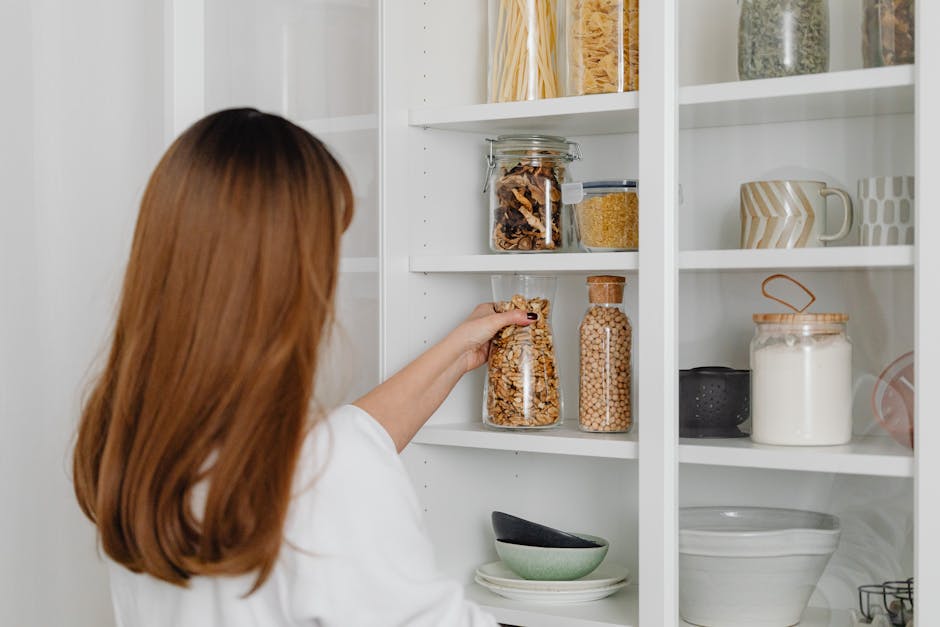
Think beyond traditional shelves. Vertical space is often underused, yet it holds immense potential. Consider installing wall-mounted racks or pegboards to hang pots, pans, and utensils. This not only frees up floor space but also keeps everything within easy reach for your child.
Have you ever found yourself stepping over toys on the floor? Hanging storage options can eliminate this hassle. Over-the-door organizers can be a game changer for storing smaller items like play food and utensils. They keep everything organized and visible, so your child can easily find what they need.
Use Multi-functional Furniture
Multi-functional furniture can be a lifesaver in small spaces. Look for pieces that offer storage within them, like benches with hidden compartments or tables with built-in shelves. They serve dual purposes and maximize space without adding clutter.
Think of that coffee table in your living room. Could it double as a storage bin for larger play kitchen items? This approach keeps toys out of sight when not in use, maintaining the aesthetic of your living area while providing easy access for playtime.
By combining these strategies, you can create an organized, efficient play kitchen area even in the smallest of spaces. What creative solutions have you come up with to manage toy clutter in your home? Share your insights and let’s inspire each other to think outside the box!
Creative Labeling Ideas
Organizing play kitchen toys can be fun with creative labeling ideas. Use colorful labels for easy identification. Group similar items together, like fruits and vegetables, to help children find them easily.
Organizing play kitchen toys can be a delightful task when you add a sprinkle of creativity. Labeling is a fantastic way to keep everything in order while making playtime more fun and educational. Not only does this help your child maintain their play space, but it also encourages them to identify and match items. From vibrant colors to visual prompts, let's dive into some creative labeling ideas that are sure to make your play kitchen the talk of the town.
Color-coded Labels
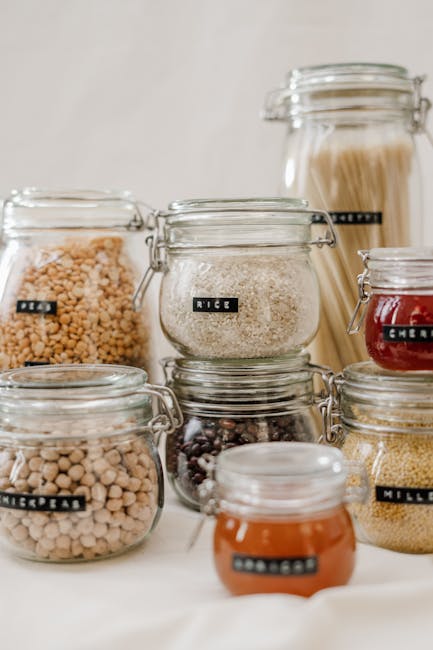
Color-coding is a simple yet effective way to organize play kitchen toys. Assign a specific color to each category of items. You could use blue for utensils, red for fruit, and green for vegetables. This method not only helps in sorting but also makes clean-up time a breeze. Imagine your child happily placing a red apple into the red-labeled basket. They'll quickly learn where each item belongs, making the process enjoyable and educational. Plus, it introduces them to the concept of categorization, which is a valuable skill. You can create these labels using colored stickers or tape. If you're feeling crafty, use colorful paper and laminate it for durability. Watch as your child's face lights up when they see how their play kitchen transforms into a vibrant, organized space.
Picture Labels For Pre-readers
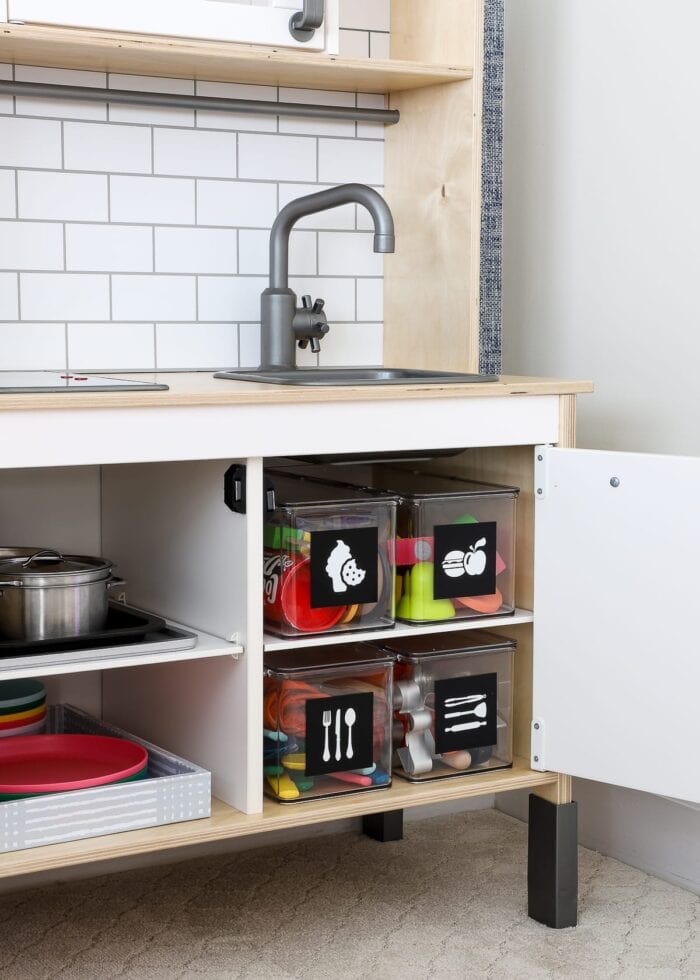
For younger children who can't read yet, picture labels are a game-changer. These visual cues help them understand where items belong without needing to recognize words. Use images of the actual items like a picture of a spoon, a carrot, or a cup. You can easily create these labels using a camera or printouts from online images. Laminate the pictures and attach them to bins or shelves. This method is not only practical but also adds a personal touch to your organization. Incorporating picture labels also enhances your child's visual recognition skills. They’ll start to associate images with objects, making the learning process seamless. Plus, it's a playful way to involve them in organizing their own toys. By using these creative labeling ideas, you're not just tidying up; you're fostering a sense of responsibility and learning in your child's play. What unique labeling idea will you try next in your play kitchen?
Incorporating Educational Elements
Transform play kitchen organization into an educational experience by sorting items by size, color, or type. Encourage creativity by labeling shelves with simple words, helping kids learn while they play. Integrating educational elements makes tidying up fun and beneficial for young minds.
Organizing play kitchen toys can be more than just tidying up; it can be a fun learning experience for your child. By adding educational elements, you not only keep things neat but also encourage your child’s development. Who knew cleaning up could be so educational?
Learning Through Play
Play kitchens are more than just mini culinary wonderlands. They offer countless opportunities for children to learn while having fun. Imagine your child pretending to cook a meal and in the process, learning about different food groups and healthy eating. You can add recipe cards with simple instructions and pictures to engage their reading skills. Consider adding labels to food items or kitchen tools to boost their vocabulary. Ask them to read out loud the names as they play, making it a fun learning activity.
Incorporate Counting And Sorting
Turn sorting play kitchen toys into a math lesson. Ask your child to count the number of fruits or vegetables they have. They can also sort items by color, size, or type, which enhances their organizational skills. Create a chart where they can tick off each item they count or sort. It adds a visual element to the learning process. You might find that they begin to naturally group items, turning a simple task into a fun challenge. Why not ask them to set the table for a pretend dinner party? They can count how many plates or forks are needed. This simple activity teaches basic math and planning skills, all while they play. By organizing play kitchen toys with an educational twist, you turn everyday play into a rich learning experience. How do you plan to make learning a part of your child's playtime today?
Credit: thehomesihavemade.com
Routine Maintenance And Clean-up Tips
Keeping play kitchen toys organized requires routine maintenance. Cleaning up regularly keeps the space tidy and inviting. It also helps in extending the life of the toys. By setting a routine, you can make clean-up easier for everyone. Here are some tips to keep everything in order.
Daily Clean-up Strategies
Encourage your child to clean up after playtime. Make it a habit to put toys back in their place. Use labeled bins to store similar items together. This makes it easy for kids to find and return toys. Allocate a specific time each day for tidying up. A few minutes of cleaning can make a big difference.
Dust surfaces and wipe down toy appliances daily. This prevents build-up and keeps toys looking new. Use a damp cloth for quick cleaning. Teach your child how to care for their toys. It fosters responsibility and keeps their play kitchen neat.
Monthly Organization Check
Review the play kitchen setup every month. Check for broken or missing pieces. Remove any toys that are no longer used or needed. Rotate toys to keep the kitchen exciting and fresh. This also helps in identifying toys that need repair or replacement.
Reorganize storage spaces if needed. Make sure everything has a designated spot. Consider adding more bins or shelves for better organization. A well-organized space encourages independent play. Keep the play kitchen appealing and functional for your child.
Involving Children In The Organization Process
Engage children in organizing play kitchen toys by encouraging them to sort items by category or color. This fosters creativity and responsibility while making cleanup fun and interactive. Children learn essential skills as they arrange pretend food, utensils, and appliances in their designated spots.
Organizing play kitchen toys can be a fun family activity. Involve children in the process to teach them valuable skills. It makes organizing more enjoyable and less of a chore. Kids feel empowered when they contribute to household tasks. This boosts their confidence and sense of responsibility. Giving children a role in organizing can lead to better habits. They learn to respect and care for their belongings. It also fosters creativity as they take part in setting up their play space.
Assigning Age-appropriate Tasks
Children can handle tasks suited to their age and abilities. Younger kids might sort food items by color or type. Older children can group utensils or arrange shelves. Assign tasks that match their skill level to keep them engaged. This ensures they feel competent and involved in the process. Providing clear instructions makes the tasks easier to follow. Use simple words and demonstrate what needs to be done. Children learn best by seeing and doing. A visual example can be a great guide.
Encouraging Responsibility Through Play
Encourage children to play while they organize. Turn tidying up into a fun game. Create challenges like "Who can sort the fruits the fastest?" or "Let’s pretend we’re chefs preparing for a big meal." Through play, kids learn the importance of order and cleanliness. They begin to see organizing as part of their play routine. This helps develop a sense of responsibility without pressure. Children take pride in keeping their play kitchen tidy. This pride fosters a lifelong habit of organization. `
Safety Considerations
Organizing play kitchen toys involves more than tidying up. Safety plays a crucial role. Parents should ensure toys are safe for children. This involves checking for choking hazards and safe materials. A safe play environment leads to worry-free playtime. Let's explore key safety aspects.
Avoiding Choking Hazards
Toys with small parts pose choking risks. Always check toy sizes before handing them to children. Ensure small parts cannot detach easily. This reduces choking incidents. Regularly inspect toys for wear and tear. Damaged toys can become unsafe quickly. Keep toys with detachable small parts out of reach.
Safe Material Selection
Selecting the right materials is essential. Opt for non-toxic, BPA-free toys. These materials ensure children's safety during play. Look for certifications on toy labels. This indicates adherence to safety standards. Wooden toys are often a safe option. They are sturdy and usually free of harmful chemicals.
Sourcing Quality Storage Products
Organizing play kitchen toys requires the right storage solutions. Quality storage products keep toys tidy and accessible. They also enhance the play area's appearance. Choosing the right storage involves considering durability, space, and style. Let's explore some options.
Sustainable Options
Sustainable storage products are eco-friendly and durable. Bamboo baskets are a great choice. They are sturdy and natural-looking. Fabric bins made from recycled materials also work well. These bins are soft and safe for kids. Wooden crates offer a rustic touch. They are biodegradable and long-lasting. Opt for products with minimal plastic. This reduces environmental impact.
Budget-friendly Choices
Storage doesn't have to be expensive. Plastic bins are affordable and versatile. They come in various sizes and colors. Cardboard boxes are another budget-friendly option. Decorate them with stickers or paint for a fun look. Stackable bins save space and money. Keep an eye out for sales and discounts. Thrift stores often have hidden gems at low prices.

Credit: smallstuffcounts.com
Frequently Asked Questions
How To Start Organizing Play Kitchen Toys?
Begin by sorting toys into categories like utensils, food items, and appliances. Use clear bins or baskets for easy access. Label each container to help kids find and return items. Regularly rotate toys to keep the play area fresh and engaging.
This method encourages tidiness and creativity.
What Are The Best Storage Solutions For Play Kitchen Toys?
Opt for stackable bins, shelves, or cubbies for efficient storage. Use drawer dividers to keep small items organized. Hanging racks and pegboards can save space and display toys neatly. Ensure storage solutions are accessible to children for easy cleanup. This makes playtime more enjoyable and organized.
How Can I Teach Kids To Organize Kitchen Toys?
Involve kids in sorting and labeling toys to make organizing fun. Set a routine for tidying up after playtime. Use picture labels for younger children to identify toy categories. Praise their efforts to encourage consistent habits. This process helps develop responsibility and organizational skills.
Are There Benefits To Organizing Play Kitchen Toys?
Organizing toys reduces clutter and enhances creativity. It provides a structured environment for imaginative play. Children learn categorization and responsibility by maintaining order. An organized space promotes efficient playtime and reduces cleanup stress. This ultimately leads to a more enjoyable play experience.
Conclusion
Organizing play kitchen toys brings joy and simplicity to playtime. Tidiness helps kids find toys faster. Label baskets or boxes for easy access. Rotate toys to keep them exciting. Involve kids in cleaning to teach responsibility. Make tidying up a fun game.
Simple steps make a big difference. Keep surfaces clear for safe play. Encourage creativity with organized spaces. Discover new ways to engage with toys. Every small effort counts. Enjoy a clutter-free play kitchen. Happy organizing and playing!