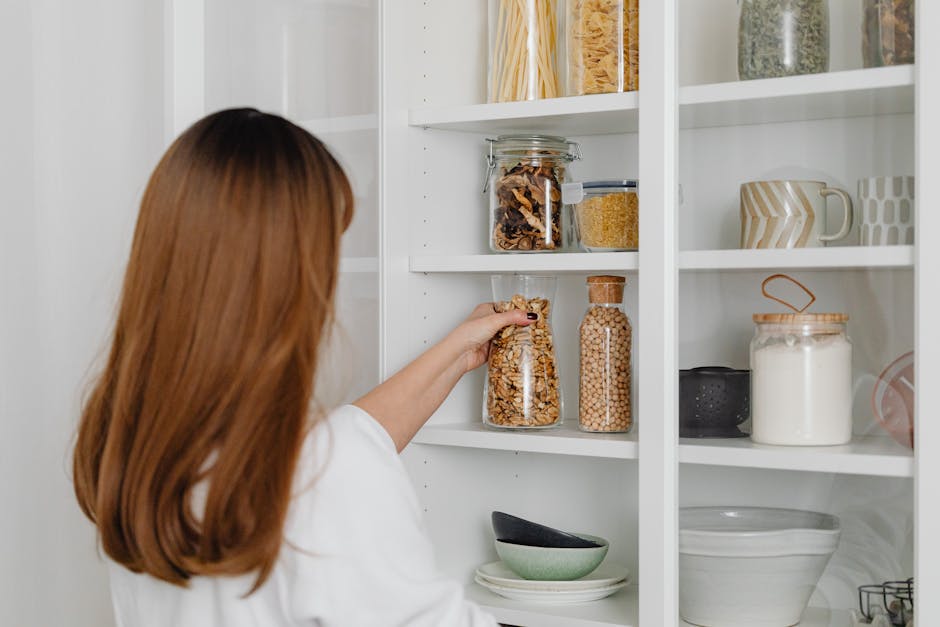
Imagine opening your kitchen pantry and seeing a sea of chaos, with cans stacked haphazardly and boxes tumbling over each other. It's enough to make meal prep a daunting task.
What if you could transform that clutter into a neatly organized space where everything has its place? The secret lies in mastering the art of organizing sliding kitchen shelf pantries. Not only does it make your life easier, but it also maximizes storage space and keeps your kitchen looking tidy.
You deserve a pantry that works for you, not against you. Dive into this guide to discover simple, effective strategies that will revolutionize your kitchen experience and bring a sense of calm to your daily routine.
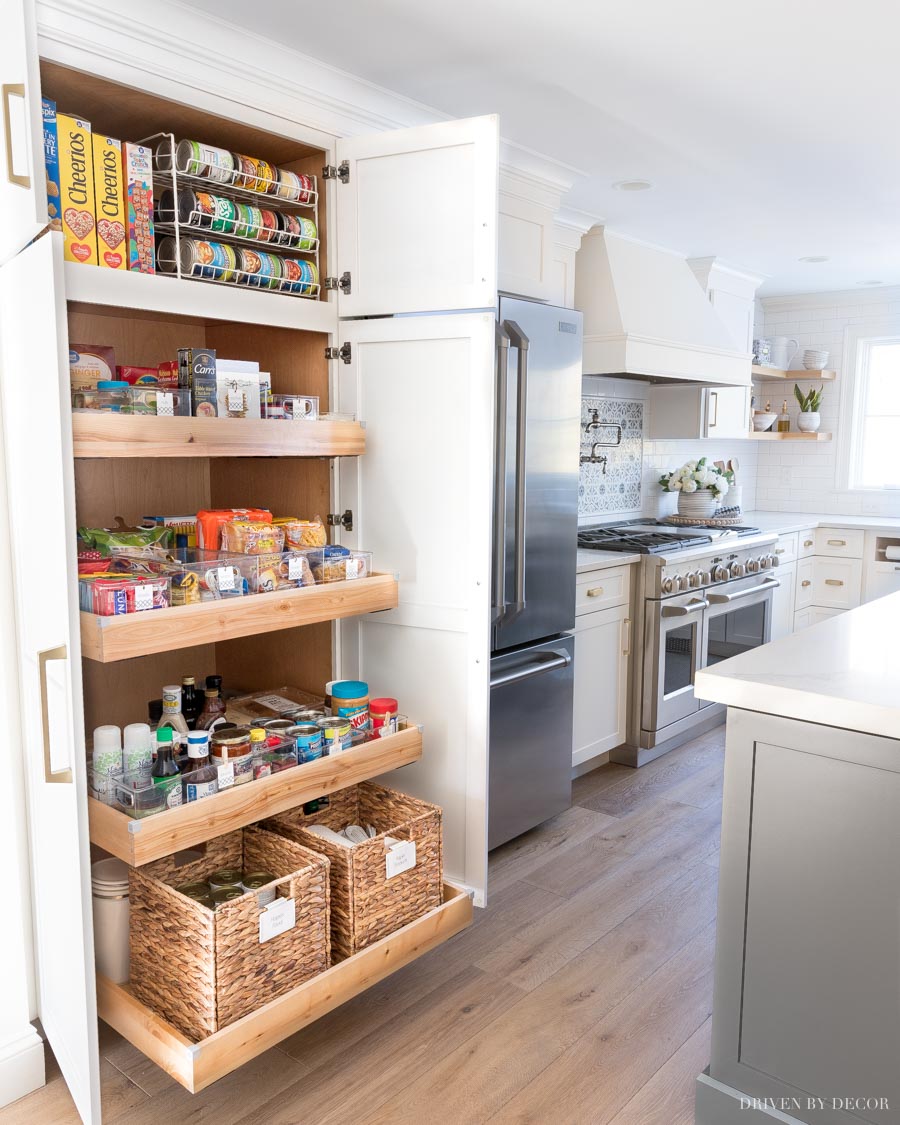
Credit: www.drivenbydecor.com
Assess Your Space
Organizing a sliding kitchen shelf pantry begins with assessing your space. Understanding the layout and dimensions is crucial. It sets the foundation for effective organization. You need to determine how much room you have. Identify the areas that need improvement. This helps in making your pantry functional and efficient.
Measure Dimensions
Start by measuring the dimensions of your pantry. Use a tape measure for accuracy. Note the width, depth, and height. These measurements guide you in choosing storage solutions. You'll know what fits and what doesn’t. This prevents buying containers that are too large. Accurate measurements save time and money.
Identify Problem Areas
Look for problem areas in your pantry. Are there items you can’t reach? Do things fall out when you open shelves? These issues need addressing. Spot cluttered zones that slow you down. Focus on areas with wasted space. Identifying problems helps in creating a plan. Aim to make every shelf accessible and orderly. Solve these issues for a smoother kitchen experience.
Select Suitable Shelves
Choosing the right shelves is crucial for a functional pantry. Sliding shelves offer easy access and maximize space. Picking suitable shelves ensures your pantry stays organized and efficient. Consider material, durability, and adjustability for the best choice.
Materials And Durability
Material affects shelf lifespan and strength. Wooden shelves offer warmth but need care. Metal shelves are sturdy and resist damage. Plastic shelves are lightweight and easy to clean. Consider your kitchen's humidity and usage frequency. Durable shelves withstand weight and frequent use.
Adjustable Vs Fixed Options
Adjustable shelves provide flexibility. They accommodate different item sizes. You can customize space as your needs change. Fixed shelves offer stability. They maintain their position under heavy loads. Choose adjustable for varied storage needs. Opt for fixed if you need robust support.
Plan Your Layout
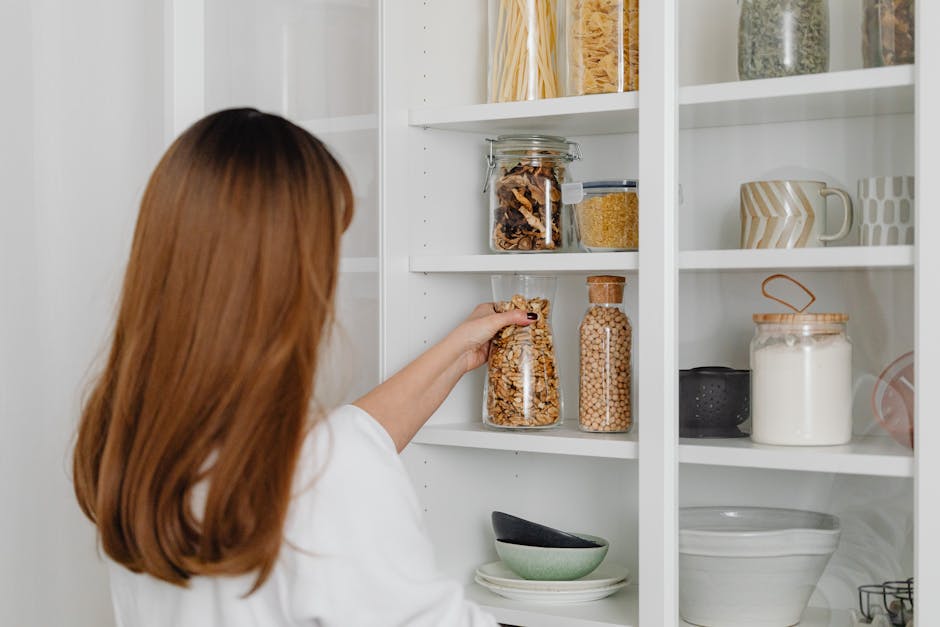
Organize your sliding kitchen shelf pantry by grouping similar items together. Use clear containers for easy visibility. Arrange items by frequency of use, keeping daily essentials within easy reach.
Organizing your sliding kitchen shelf pantry can transform meal prep from a chore into an effortless experience. A well-planned layout is key to maximizing space and efficiency. Imagine opening your pantry doors and finding everything you need at a glance, without rummaging through clutter. With a clear plan, you can achieve this harmony in your kitchen. Let's explore how to start with a well-thought-out layout.
Categorize Pantry Items
The first step in planning your layout is categorizing pantry items. Group similar items together. This might mean placing all canned goods on one shelf and grains on another. You could also categorize by meal type, such as breakfast items on one level and dinner essentials on another. Think about your cooking habits. If you frequently bake, keep flour, sugar, and baking powder together. This will save time and streamline your cooking process. A neatly categorized pantry eliminates guesswork and speeds up meal preparation.
Prioritize Accessibility
Accessibility is a crucial aspect of any pantry layout. Ask yourself: which items do I use most frequently? These should be placed at eye level or in easily reachable spots. If you love cooking pasta, keep your favorite noodles, sauces, and spices front and center. Consider the height and reach of everyone who uses the pantry. Kids might need snacks on lower shelves, while adults can access higher ones. The goal is to ensure that everyone can grab what they need without hassle. Avoid placing heavy items in hard-to-reach areas. If you store a large bag of rice on a top shelf, it might become a safety hazard. Accessible placement isn't just convenient; it also prevents accidents. Planning your pantry layout is a chance to create a space that works for you. Dive into the process with these insights and watch your kitchen transform into a hub of efficiency and order.
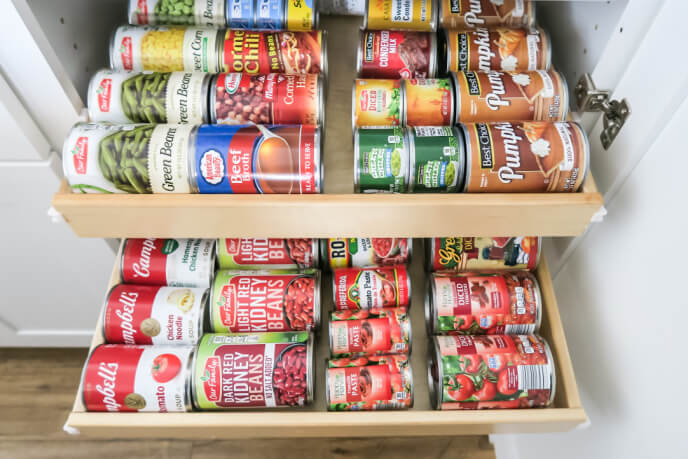
Credit: dimplesonmywhat.com
Utilize Storage Solutions
Organizing a sliding kitchen shelf pantry can be challenging. You can make the task easier by utilizing smart storage solutions. These solutions will maximize space and keep your pantry tidy. A well-organized pantry makes cooking a breeze. It also saves time during meal prep. Let's explore some effective ways to enhance your pantry organization.
Incorporate Bins And Baskets
Bins and baskets are essential for pantry organization. They group similar items together neatly. This prevents clutter and makes items easy to find. Choose bins that fit your pantry's dimensions. Label each bin for quick identification. This simple step will keep your pantry in order.
Wire baskets offer a clear view of contents. They are perfect for storing snacks and produce. Plastic bins are durable and versatile. They work well for heavy items like canned goods. Ensure the bins are easy to slide out. This feature will enhance accessibility in a sliding pantry.
Use Clear Containers
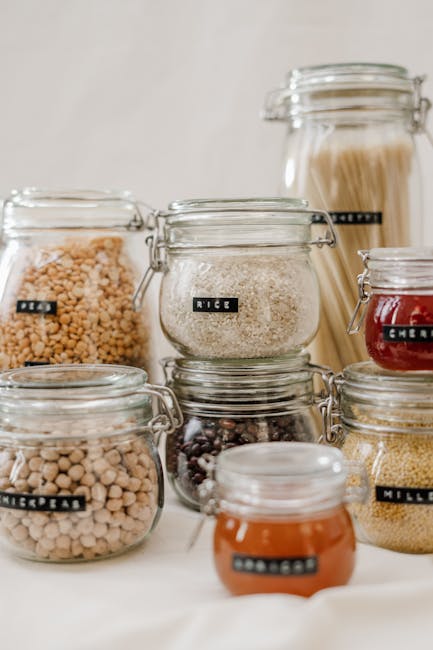
Clear containers are great for storing dry goods. They allow you to see contents at a glance. This reduces time spent searching for ingredients. Choose airtight containers to keep food fresh. They also prevent spills and messes.
Group similar items in clear containers. This might include pasta, grains, and cereals. Label each container with its contents. This step makes re-stocking straightforward. Stack the containers neatly for a tidy look. This method maximizes space in your sliding pantry.
Label Everything
Organizing a sliding kitchen shelf pantry can be challenging. Labels make it easier. They help identify items quickly. No more guessing what's inside each container. Labels save time and reduce stress. They provide clarity and order in your pantry.
Choose Label Types
Different labels serve various needs. Sticky labels are popular and easy to use. Chalkboard labels add a stylish touch. Magnetic labels are great for metal surfaces. Consider using removable labels for flexibility. Choose labels that suit your pantry style.
Maintain Consistency
Consistency is key in labeling. Use the same font and size for all labels. This creates a neat and organized look. Keep label colors uniform for easy reading. Consistent labels make your pantry visually appealing. They enhance the overall organization.
Maintain Organization
Keeping your sliding kitchen shelf pantry organized is an ongoing task. It helps you find what you need quickly and easily. A tidy pantry also reduces food waste. Here’s how to maintain a well-organized pantry.
Regular Cleaning Schedule
Dust and crumbs can build up in your pantry. Schedule regular cleaning sessions. Every month, remove items from your shelves. Wipe down surfaces with a damp cloth. This keeps your pantry fresh and sanitary.
Frequent Inventory Checks
Knowing what you have prevents buying duplicates. Check your pantry inventory often. Every two weeks, take a quick look. Note what you need to restock. This simple task saves you time and money.
Optimize For Efficiency
Organize your sliding kitchen shelf pantry by grouping similar items together. Use clear bins for easy visibility and access. Arrange frequently used items at the front to streamline your cooking process.
Organizing your sliding kitchen shelf pantry can significantly enhance your cooking experience by promoting efficiency. A well-organized pantry means you can find ingredients quickly, reduce waste, and make meal preparation a breeze. By optimizing for efficiency, you can transform your kitchen into a more functional and enjoyable space.
Easy Access For Daily Use
Make sure that the items you use most frequently are at the front of your sliding shelves. Think about your daily cooking habits and arrange accordingly. Imagine grabbing your favorite cereal box or coffee canister in seconds without rummaging through piles of canned goods. Consider the height of each shelf. Place taller items like cereal boxes on higher shelves while keeping spices and smaller jars at eye level. You’ll avoid the hassle of constantly rearranging items just to reach a single can of beans. Label your shelves. It may sound simple, but a clear label can save you time and frustration. You’ll know exactly where everything belongs, and your family members will too.
Rotate Stock Regularly
Rotating your stock ensures you use older items before they expire. This habit minimizes waste and keeps your pantry fresh. When you buy new items, place them at the back and move older items to the front. Set a reminder to check your pantry monthly. This can be a quick task, but it helps you stay on top of what you have. Knowing what’s in your pantry can prevent those unnecessary grocery runs. Think of your pantry as a store shelf. Stores rotate stock to maximize efficiency and reduce waste, and you can do the same at home. This simple act can save you money and ensure you’re always prepared to whip up a meal. Have you ever felt overwhelmed by a cluttered pantry? Organizing it efficiently might just be the solution you need to make your cooking experience more enjoyable. Dive into these tips and watch your kitchen transform!
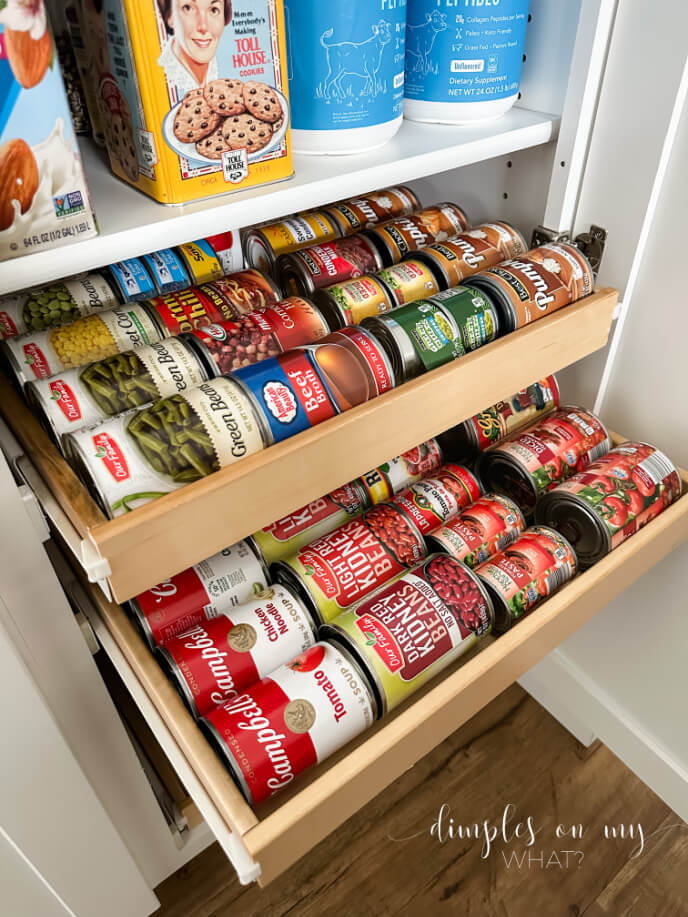
Credit: dimplesonmywhat.com
Frequently Asked Questions
How Do I Organize A Sliding Kitchen Shelf?
To organize a sliding kitchen shelf, categorize items by use and frequency. Place frequently used items at the front for easy access. Use bins or baskets for smaller items to prevent clutter. Label containers for quick identification, ensuring a tidy and efficient pantry space.
What Are The Benefits Of Sliding Shelves?
Sliding shelves offer easy access to pantry items and maximize storage space. They help in organizing and keeping items visible and reachable. This minimizes the need to search through cluttered shelves, enhancing efficiency in the kitchen. Sliding shelves can also prevent items from getting lost or forgotten.
How Can I Maximize Pantry Space?
Maximize pantry space by using adjustable sliding shelves and vertical storage solutions. Store items according to size, ensuring smaller items are visible and accessible. Use transparent containers and label them clearly. Consider installing additional shelving units to further utilize your pantry's vertical space effectively.
Are Sliding Shelves Easy To Install?
Yes, sliding shelves are generally easy to install with basic tools. Many come with user-friendly instructions and require minimal hardware. Ensure accurate measurements for a proper fit. Professional installation services are available for those who prefer expert assistance, ensuring a secure and efficient setup.
Conclusion
Organizing your sliding kitchen shelf pantry simplifies your cooking routine. You find everything quickly. Less clutter means less stress. Start by sorting items by category. Use clear labels for easy access. Regular checks keep your pantry tidy. A well-organized pantry saves time.
It also helps reduce waste. Plan meals easier with visible ingredients. Your kitchen feels more spacious. Enjoy cooking in a neat and orderly environment. You can maintain this setup with little effort. A tidy pantry makes cooking a pleasure. Keep it simple.
Stay organized. Make your kitchen work for you. Happy cooking!