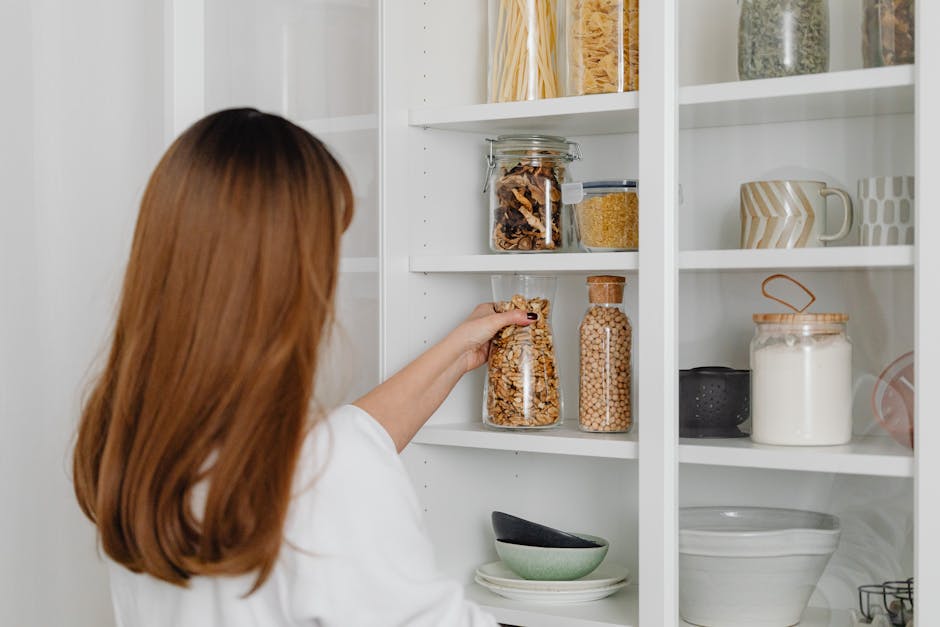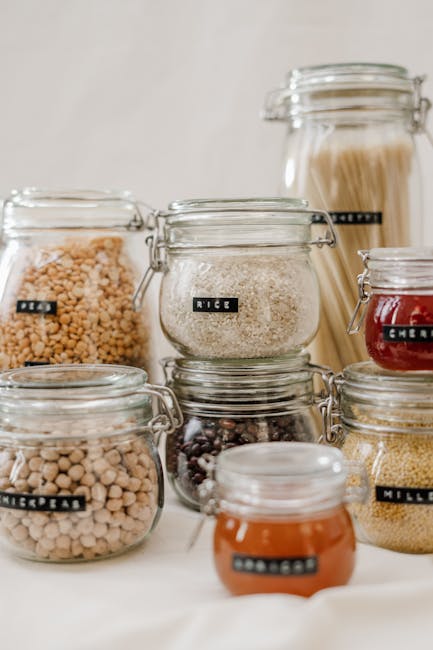
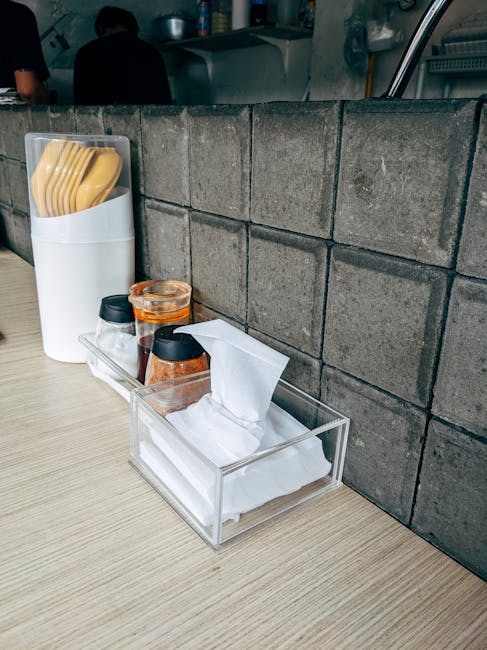
Are you tired of scrambling through a cluttered spice rack in your restaurant kitchen, desperately searching for that elusive jar of cumin or paprika? An unorganized spice collection not only slows you down but also disrupts the flow of your culinary creation.
Imagine a streamlined kitchen where each spice is at your fingertips, ready to elevate your dishes to new heights. This isn’t just a dream—it’s achievable with the right organization techniques. In this guide, you’ll discover effective strategies to transform your chaotic spice stash into a well-ordered masterpiece, enhancing both your efficiency and creativity.
Get ready to revolutionize your kitchen experience and impress your guests with flawless flavors in every dish.
Importance Of Spice Organization
The importance of spice organization in a restaurant kitchen cannot be overstated. Picture the rush during peak hours, where every second counts. A well-organized spice rack can be the difference between a smooth operation and chaos. When spices are arranged systematically, chefs can quickly find what they need, ensuring dishes are served promptly and taste consistently delicious.
Think about the last time you scrambled to find the paprika or oregano. Did it slow down your process? Having spices in order minimizes downtime and boosts productivity. Let's explore why organizing your spices is crucial to your kitchen's success.
Why Consistency Matters
Consistency is key in a restaurant kitchen. When spices are organized, chefs can maintain the flavor profile of each dish. Imagine a customer returning for your signature dish only to find it tastes different. This can damage your reputation.
By keeping spices in order, you ensure each dish meets the expected standard. This translates to happy customers and repeat business.
Time Efficiency
In the fast-paced environment of a restaurant kitchen, every minute is precious. With organized spices, chefs spend less time searching and more time cooking. This efficiency allows for faster service and more satisfied customers.
Consider using labeled jars or a spice drawer with dividers. This simple change can shave off minutes from prep time, enhancing overall kitchen workflow.
Reducing Waste
Spice organization also plays a role in reducing waste. When spices are scattered or hidden, they can expire unnoticed. An organized system helps you track usage and freshness, preventing unnecessary waste.
Regularly check your spice inventory and rotate stock to ensure nothing goes to waste. This not only saves money but also respects the resources you rely on.
Improving Safety
Safety in the kitchen extends beyond sharp tools and hot surfaces. Organized spices prevent accidents like spills and cross-contamination. A clutter-free spice area reduces the risk of accidents, keeping your team safe.
Think about how you store your spices. Are they easily accessible without reaching over hot surfaces or sharp knives? A strategic layout can improve safety significantly.
Enhancing Creativity
Surprisingly, a well-organized spice rack can spark creativity. When spices are visible and easy to reach, chefs are more likely to experiment with flavors. This can lead to unique dishes that set your restaurant apart.
Encourage your team to explore new combinations. With spices neatly arranged, the possibilities are endless.
How do you organize your spices? Are you maximizing the potential of your spice rack? Consider these points to enhance your kitchen's efficiency and creativity.
Assessing Kitchen Space
Organizing spices in a restaurant kitchen involves strategic planning. Understanding the available space is crucial. Every kitchen has unique dimensions and layouts. Efficient use of space boosts productivity and workflow. Begin by analyzing the current setup. Identify areas that can be optimized for spice storage. This assessment helps in making informed decisions about placement and accessibility.
Space Limitations
Space limitations can affect spice organization. Smaller kitchens require creative solutions. Consider vertical storage options. Shelving units can maximize space. Hanging racks work well for lightweight containers. Compact spaces benefit from stackable containers. Use clear jars for visibility. Label each container clearly. This saves time during busy service hours. Efficient storage minimizes clutter.
Optimal Locations
Choosing optimal locations for spices is essential. Keep frequently used spices near the cooking area. This enhances convenience and speed. Store less-used spices in less accessible areas. This prevents overcrowding in high-traffic zones. Ensure spices are stored away from heat sources. Heat can reduce flavor quality. The coolest areas preserve spice longevity. Consider proximity to prep stations. Easy access encourages efficient cooking. Organized spaces improve kitchen operations.
Categorizing Spices
Organizing spices in a restaurant kitchen is crucial for efficiency. Proper categorization saves time and enhances flavor consistency. Spices are the soul of dishes, and chefs need quick access. Let's explore three practical methods to categorize spices effectively.
By Flavor Profile
Grouping spices by flavor profile aids in quick decision-making. Spices with similar taste characteristics can be stored together. Sweet, savory, and spicy are common profiles. This method simplifies the cooking process and reduces confusion.
By Cuisine Type
Categorizing spices by cuisine type streamlines culinary operations. Italian spices like oregano and basil can be grouped together. Indian spices like turmeric and cumin have their own section. This approach is intuitive for chefs working with diverse menus.
Alphabetical Arrangement
Organizing spices alphabetically keeps the kitchen tidy. This system is straightforward and easy to implement. It works well in busy kitchens where time is of the essence. Alphabetical arrangement ensures quick access, minimizing delays in food preparation.
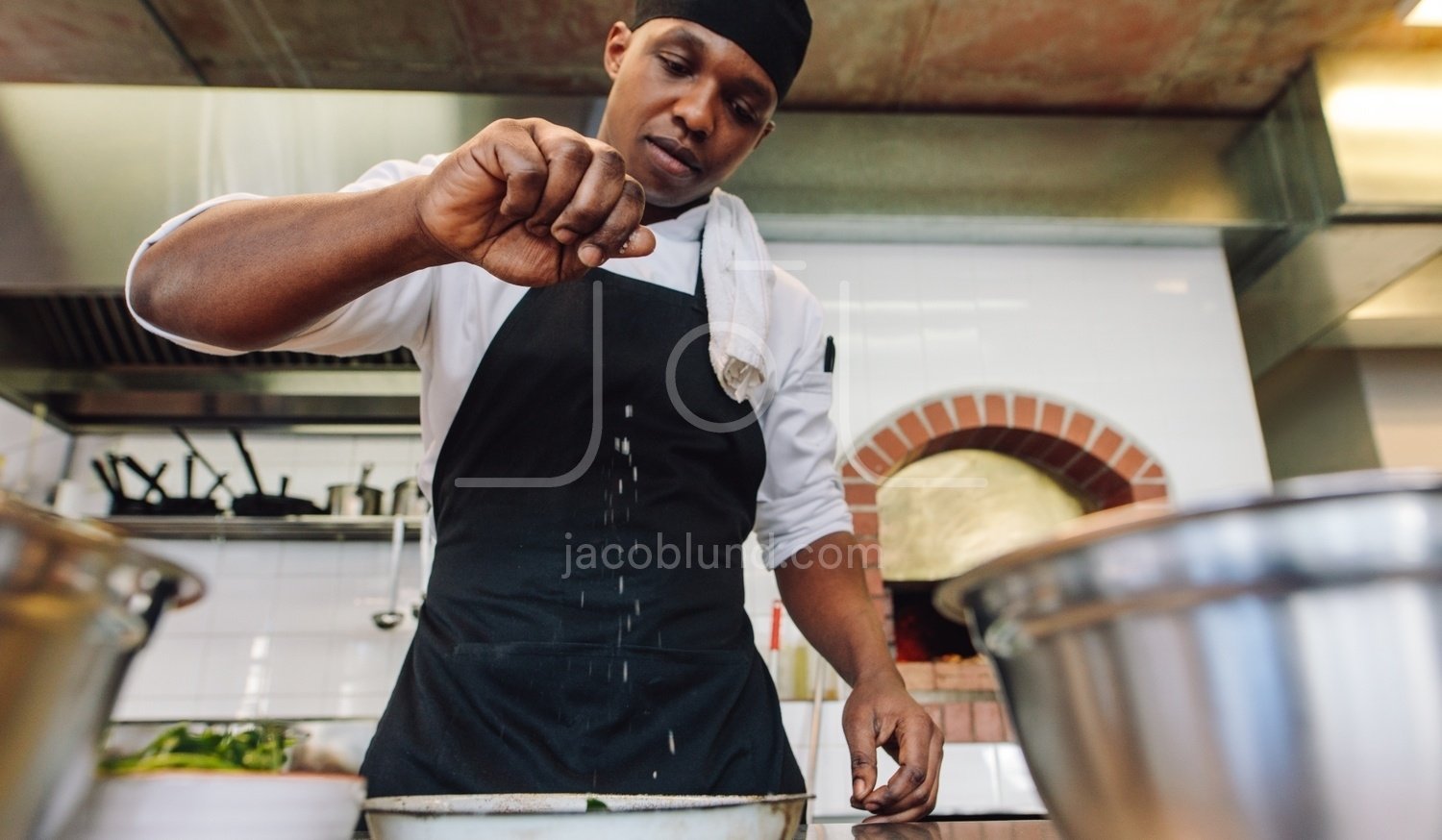
Credit: jacoblund.com
Storage Solutions
Efficient spice storage in a restaurant kitchen boosts productivity and flavor consistency. Proper organization of spices ensures that chefs can access ingredients swiftly. It minimizes clutter and enhances the workflow. Explore practical storage solutions for your restaurant kitchen below.
Shelving Options
Consider installing wall-mounted shelves for easy spice access. Adjustable shelving allows customization based on the size of spice containers. Open shelves offer visibility, making it simple to locate spices quickly. Use vertical space to maximize storage in smaller kitchens.
Containers And Labels
Opt for clear, airtight containers to keep spices fresh. Transparent containers help identify spices without opening them. Consistent labeling is crucial. Use large, easy-to-read labels. Include the spice name and expiration date for optimal freshness management.
Accessibility And Ergonomics
Arrange spices by frequency of use. Place commonly used spices at arm's reach. Ensure that heavier containers are stored at waist level to prevent strain. Use pull-out drawers for deep shelves, improving access to all spices.
Maintaining Freshness
Maintaining freshness in restaurant kitchen spices is essential for flavor. Fresh spices enhance dishes and ensure consistent taste. Proper storage techniques can extend spice life and quality.
Proper Sealing
Seal spices tightly to keep air out. Air exposure reduces flavor and aroma. Use airtight containers or vacuum-sealed bags. Proper sealing prevents contamination and moisture. This keeps spices fresh longer.
Ideal Temperature
Store spices in a cool, dry place. Heat can degrade spice quality. A pantry or cupboard away from stoves works well. Consistent temperature is key for maintaining spice freshness. Avoid storing near heat sources or direct sunlight.
Regular Rotation
Rotate spices regularly to use older stock first. This practice prevents spices from losing potency. Label containers with purchase dates. Regular checks help maintain an organized spice inventory. Freshness is easier to manage with rotation.
Incorporating Technology
Organize spices efficiently in a restaurant kitchen using digital inventory apps. Track quantities and expiration dates easily. Ensure quick access and maintain freshness with labeled storage solutions.
Incorporating technology into a restaurant kitchen can transform spice organization. Advanced tools streamline processes, save time, and enhance efficiency. Technology helps maintain a well-organized kitchen, ensuring spices are always accessible. It allows chefs to focus on creating delicious dishes rather than searching for ingredients.
Inventory Management Apps
Inventory management apps help track spices efficiently. They keep a real-time record of available spices. Chefs can quickly check what is in stock and what needs replenishing. These apps send alerts when spice levels run low. This prevents last-minute rushes to restock. Apps can categorize spices by type, flavor profile, or usage frequency. This organization simplifies locating spices during busy service times.
Barcode Systems
Barcode systems streamline spice tracking. Each spice jar gets a unique barcode label. Scanning barcodes updates inventory records instantly. This method reduces human error in counting spices. It ensures accurate stock levels, preventing shortages. Barcodes make the spice management process quick and easy. Chefs can focus on cooking rather than inventory issues. Implementing barcodes is simple and cost-effective, making it ideal for busy kitchens.
Training Staff
Training staff in organizing spices is crucial for a smooth kitchen operation. Proper training ensures efficiency and safety in a bustling restaurant environment.
Organizational Best Practices
Teach staff the importance of labeling each spice container. Clear labels prevent confusion and speed up food preparation. Arrange spices based on frequency of use. Common spices should be within easy reach. Less frequently used spices can be stored higher up or in less accessible spots. Implement a first-in, first-out system. This ensures spices are used before their expiration date. Regularly check and refill spice containers to maintain stock levels.
Handling Spices Safely
Staff must know the importance of proper spice handling. Teach them to wash hands before touching spice containers. This prevents contamination and ensures food safety. Encourage using clean utensils when scooping spices. Avoid directly touching spices with bare hands. Store spices in a cool, dry place away from heat sources. This helps preserve flavor and prevents spoilage. Train staff to recognize signs of spoiled spices. Discoloration or unusual odors indicate spices are no longer fresh.

Credit: www.nytimes.com
Benefits Of Organized Spices
Organizing spices in a restaurant kitchen may seem like a small detail, but it can greatly impact the overall efficiency and quality of your culinary operations. Proper organization can transform your cooking processes, reduce wastage, and ensure a consistent flavor profile in every dish served. Imagine walking into a kitchen where spices are scattered and disordered; it's chaotic and stressful. Now picture a space where everything is in its place, easily accessible, and clearly labeled. This simple change can lead to numerous benefits that elevate your kitchen's performance.
Efficiency In Cooking
An organized spice rack means you spend less time searching for ingredients. This speeds up prep time and allows chefs to focus more on crafting each dish. When spices are systematically arranged, you can grab what you need without hesitation, keeping the momentum flowing in a busy kitchen. This efficiency ensures that orders are fulfilled quickly and accurately, enhancing customer satisfaction.
Minimized Waste
With spices neatly organized, it's easier to track inventory and avoid over-purchasing or letting items expire unnoticed. Clear labeling and rotation of stock help prevent spices from going stale or clumping, which often leads to unnecessary waste. Minimizing waste not only saves money but also supports sustainable practices by reducing the disposal of unused ingredients.
Enhanced Flavor Consistency
Consistency is key in a successful restaurant, and organized spices play a crucial role in achieving this. When spices are correctly labeled and easily accessible, chefs can maintain the exact flavor profiles customers expect. This consistency builds trust and loyalty among patrons, as they know they can rely on the restaurant for the same delightful taste every time they visit.
Have you ever tasted a dish that seemed just a little off from the last time you had it? If so, inconsistent use of spices may have been the culprit. By keeping your spices in order, you ensure that each dish meets your established standards, pleasing both new and returning customers alike.
Consider the impact organized spices could have on your restaurant. Could this be the secret ingredient to enhancing your kitchen's efficiency and delighting your guests with every plate served?
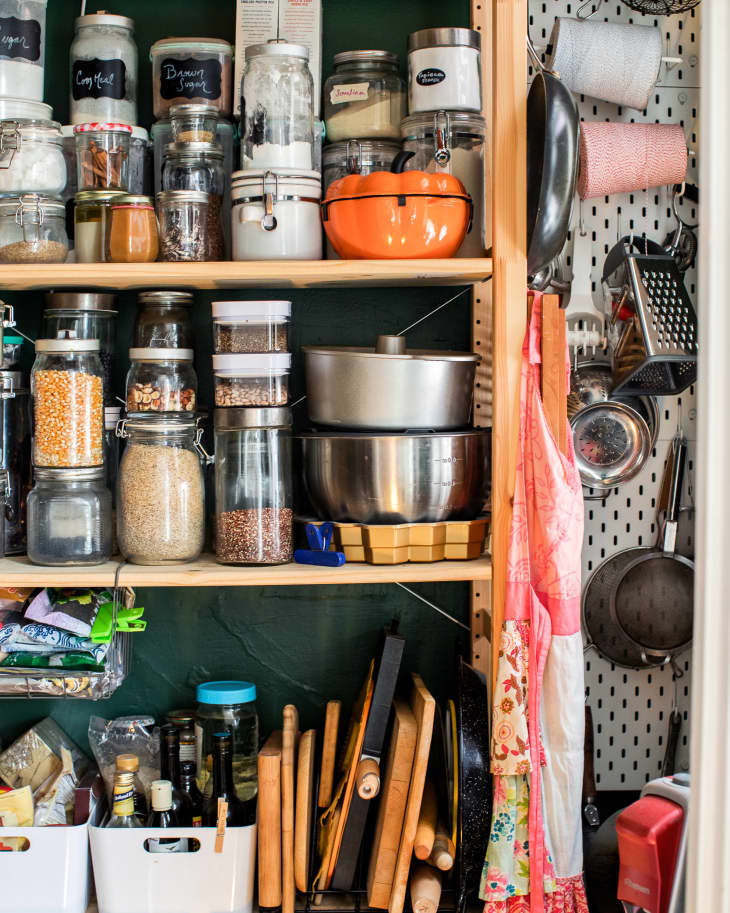
Credit: www.cubbyathome.com
Frequently Asked Questions
How Do You Categorize Spices Effectively?
Categorizing spices in a restaurant kitchen involves grouping them by flavor, cuisine, or usage. Organize spices into categories like sweet, savory, or spicy. Label containers clearly for easy identification and retrieval. Regularly update and maintain inventory to ensure freshness and avoid duplication.
What Are The Best Storage Solutions For Spices?
Use airtight containers to preserve the freshness of spices. Opt for clear jars for easy identification. Consider magnetic spice racks or drawer inserts for space-saving options. Label containers clearly and store them in a cool, dry area away from heat and moisture.
How Often Should Spices Be Replaced?
Spices should generally be replaced every 6 to 12 months. Regularly check for changes in color, aroma, and flavor. Ground spices lose potency faster than whole spices. Keep track of purchase dates and conduct routine checks to ensure optimal freshness.
How Can Labeling Improve Spice Organization?
Labeling enhances spice organization by providing quick identification and preventing mix-ups. Use clear, legible labels with names and purchase dates. Consider color-coded labels for different categories. Proper labeling reduces prep time and ensures consistent taste in dishes.
Conclusion
Organizing spices boosts efficiency in a restaurant kitchen. It saves time and reduces stress. Label containers clearly for easy access. Arrange spices in order of use. Keep similar spices together. Use shelves or racks for visibility. Regularly check for expired spices.
Clean containers to maintain freshness. Organize based on specific cooking needs. Consider space and workflow. Well-organized spices support quick cooking. This leads to satisfied customers. Your kitchen becomes a happier place. Remember, good organization is key. It enhances your cooking experience.
Start today, enjoy the benefits tomorrow.