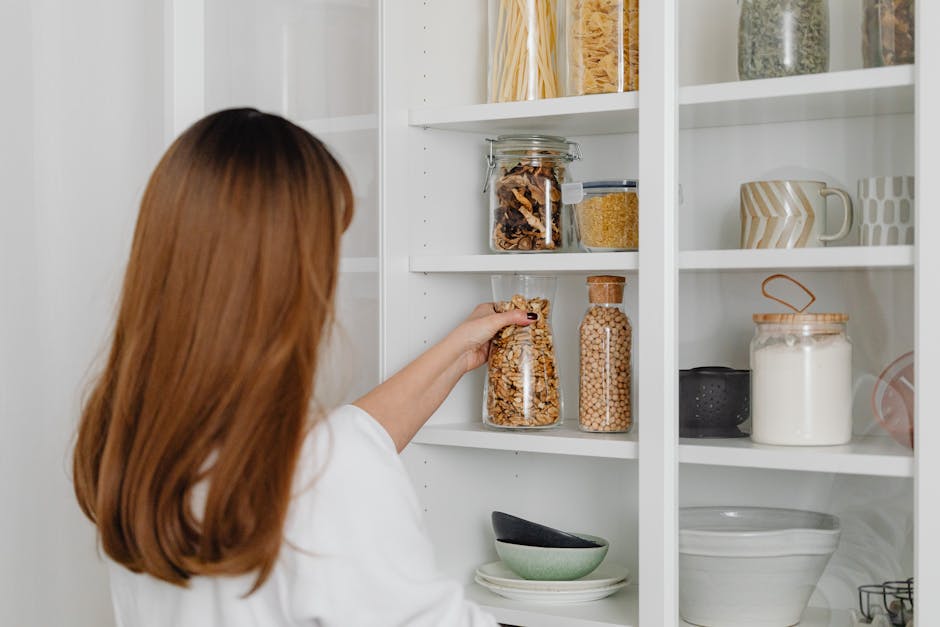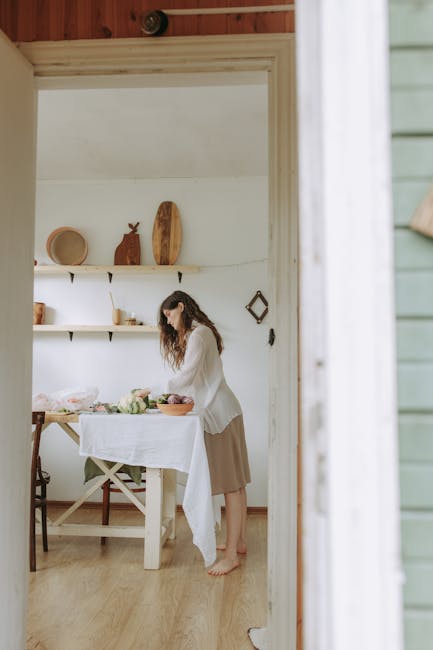

Is your kitchen a chaotic maze of mismatched containers and forgotten ingredients? Do you find yourself rummaging through cluttered cabinets, only to give up in frustration?
If your answer is yes, you’re not alone. Many people struggle to keep their kitchen cabinets organized, but the good news is that achieving order is easier than you might think. Imagine opening your cabinet doors to find everything neatly in place, ready for you to cook up a storm.
Sounds refreshing, right? In this guide, we'll explore simple yet effective strategies to help you master the art of organizing your kitchen cabinets. You'll discover how a few small changes can transform your kitchen into a space that not only looks great but works perfectly for your daily needs. Get ready to unlock the secrets to a stress-free, efficient kitchen that makes cooking a joy. Are you ready to dive in and transform your kitchen chaos into a haven of order? Let's get started!

Credit: www.thepioneerwoman.com
Assessing Kitchen Needs
Organizing kitchen cabinets starts with assessing what's needed for cooking and storage. Consider grouping items by frequency of use. Place frequently used items within easy reach, while less-used items can be stored in higher or lower cabinets.
Organizing your kitchen cabinets can transform your cooking space from chaotic to calm. But before you start rearranging, it's crucial to assess your kitchen needs. This process involves understanding what you use regularly and the space available for storage. By doing so, you can create a more efficient and enjoyable kitchen experience.
Identify Essential Items
Start by examining which items you use most frequently. Do you grab a particular pan every morning to fry eggs? Is there a specific set of spices you reach for during dinner prep? Write these down. Make a list of these essentials. This will help you prioritize what should be easily accessible in your cabinets. Consider what can be stored elsewhere. Seasonal items or rarely used gadgets might find a better home in a less accessible spot.
Evaluate Storage Space
Next, take a close look at your cabinet space. Are there awkward corners or deep shelves that are hard to reach? Think about how to maximize these areas. Could a lazy Susan or pull-out drawer help? Measure your cabinets. Knowing the exact dimensions can prevent frustration when shopping for storage solutions. When I organized my own kitchen, I discovered that stacking pans vertically saved a surprising amount of space. What might you discover by simply reevaluating your kitchen layout?
Categorizing Kitchen Items
Organizing kitchen cabinets can transform your cooking space. A neat kitchen saves time and reduces stress. Categorizing kitchen items is key to a well-organized kitchen. It helps find things quickly and keeps everything in its place. Grouping items properly makes cooking enjoyable and efficient.
Group By Function
Begin by grouping items based on their function. Keep pots and pans together. Store baking tools in one area. Arrange spices and condiments in a separate section. This method allows easy access during cooking. It helps maintain a tidy space.
Think about what you use daily. Place frequently used cooking tools within reach. Reserve upper shelves for less used items. Group similar items for convenience. It enhances the cooking experience.
Separate Daily And Occasional Use
Distinguish between daily and occasional use items. Place daily items in accessible spots. Store occasional items on higher shelves. This ensures easy access to what you need most. It reduces clutter in the kitchen.
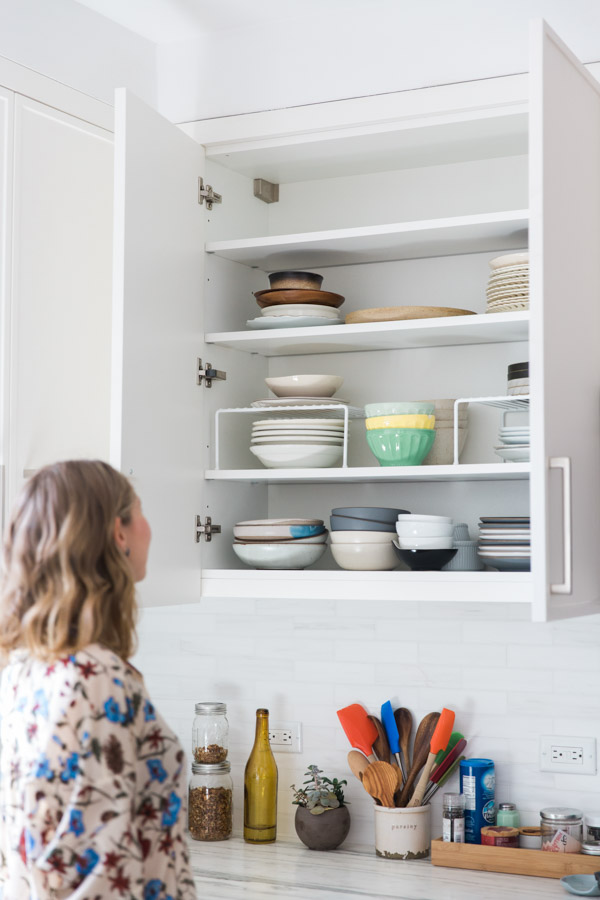
Keep mugs and plates for daily meals within easy reach. Place holiday dishes or special cookware on top shelves. This system keeps cabinets organized. It prevents unnecessary searching.
Smart organization makes cooking a breeze. Spend less time searching for items. Enjoy a well-organized kitchen every day.
Utilizing Cabinet Space Efficiently
Organizing kitchen cabinets can be a daunting task. Efficient use of space is key to maintaining a tidy kitchen. Proper organization helps you find items easily and makes cooking more enjoyable. With smart strategies, you can transform your cluttered cabinets into functional storage spaces.
Maximize Vertical Space
Vertical space often goes unused. Stack items to utilize this space better. Use stackable containers for storing dry goods. Consider hooks to hang mugs or utensils. Make the most of your cabinet's height. This helps in keeping the counter free from clutter.
Use Adjustable Shelves
Adjustable shelves offer flexibility in organizing your cabinets. They can be tailored to fit your needs. Move shelves to accommodate taller items like bottles or jars. This prevents wasted space between items. Adjustable shelves make it easy to access everything stored in your cabinets.
Incorporating Organizational Tools
Organizing your kitchen cabinets can feel like a daunting task, but using the right organizational tools can transform chaos into calm. Have you ever opened a cabinet door only to be greeted by an avalanche of mismatched containers and stray lids? It’s a common kitchen conundrum. By adding simple tools, you can make a huge difference in how your kitchen functions daily.
Drawer Dividers
Drawer dividers are a game-changer for keeping utensils and kitchen gadgets in check. Picture this: instead of rummaging through a jumbled mess of spoons, forks, and random tools, you open a drawer to neatly arranged sections. Suddenly, your potato peeler isn't playing hide-and-seek with the can opener.
These dividers can be adjusted to fit your drawer's size, allowing for customization. Use them to separate cutlery, spatulas, and even small baking tools. A friend of mine, who once complained about her kitchen chaos, found peace after adding dividers. She now swears by them, claiming they save her five minutes each morning.
Pull-out Shelves
Have you ever crouched down, peering into the dark depths of your lower cabinets, searching for a missing pot? Pull-out shelves put an end to this frustration. They allow you to access items at the back of your cabinet with ease, like a gentle slide instead of a treasure hunt.
These shelves are perfect for storing pots, pans, and even cleaning supplies. Imagine effortlessly pulling out a shelf to find your favorite skillet waiting for you. A colleague of mine installed pull-out shelves and was amazed at how much more she cooked, simply because she no longer dreaded the search for cookware.
Consider how much more enjoyable cooking could be if your kitchen was organized. What tools might you add to make it happen? By investing in drawer dividers and pull-out shelves, you could create a space that not only looks good but also makes your life easier.
Labeling And Accessibility
Organizing kitchen cabinets can transform your cooking space. A well-organized kitchen saves time and reduces stress. Labeling and accessibility play crucial roles in this process. With clear labels and strategic placement, you can streamline your kitchen tasks. This section explores simple strategies to enhance your kitchen's organization.
Label Containers Clearly
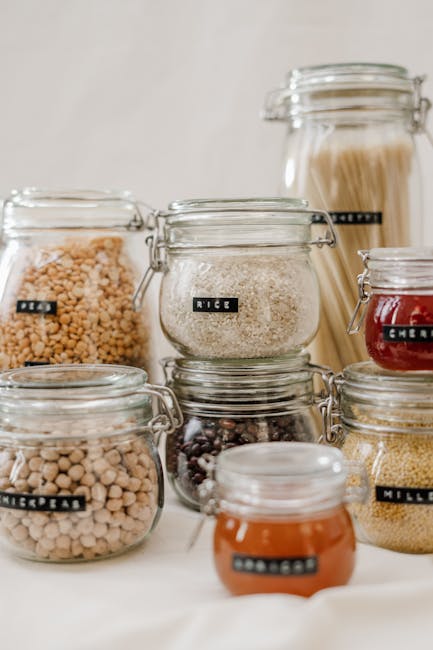
Labeling containers makes finding items easier. Use large, clear fonts for labels. Consider color-coded labels for different categories. For example, use blue for grains and red for spices. Ensure labels face outward for quick identification. Use waterproof labels for longevity.
Labeling helps in maintaining order. When everything has a name, things stay in place. This reduces the time spent searching for items. It also helps others navigate your kitchen easily.
Place Items Within Reach
Accessibility is key in a functional kitchen. Store frequently used items at eye level. This makes them easy to grab. Place heavy items like pots on lower shelves. It prevents accidents and makes access effortless.
Reserve higher shelves for rarely used items. This strategy maximizes space and minimizes effort. Arrange items based on cooking habits. Place spices near the stove and baking tools near the oven.
With these tips, your kitchen becomes an efficient workspace. Organize with intention and enjoy the benefits of a clutter-free kitchen.
Maintaining Order In Cabinets
Organize kitchen cabinets by grouping similar items together for easy access. Use clear containers to store dry goods and label them. Arrange frequently used items at eye level for convenience.
Maintaining order in your kitchen cabinets can seem like a daunting task, but it's entirely manageable with a little planning and discipline. The key to a well-organized kitchen is not just about arranging items but also about maintaining that order over time. A neat cabinet not only makes cooking more enjoyable but also saves you time and stress when you're in a hurry. Let's dive into some actionable tips to keep your cabinets orderly.
Regular Cleaning Schedule
Setting a regular cleaning schedule for your kitchen cabinets is crucial. Dust and crumbs can accumulate quickly, especially in high-use areas. Make it a habit to wipe down shelves and doors at least once a month. You might think a monthly clean is overkill, but it can actually save you from more intensive deep cleans later. If you regularly tidy up, you’ll spend less time scrubbing and more time enjoying your cooking. Plus, it’s a great opportunity to check for expired items. Keeping a checklist can be handy. List out each cabinet and cross off as you go. This simple method ensures you don’t miss any spots and maintains accountability.
Seasonal Reorganization
Consider reorganizing your kitchen cabinets with the change of seasons. Seasonal reorganization helps you adjust your storage based on your current cooking habits. In winter, you might want to bring your baking supplies to the forefront. During summer, grilling tools and picnic supplies might be more accessible. This approach keeps your kitchen dynamic and responsive to your needs. A personal tip: I once discovered a set of holiday cookie cutters in July while doing a seasonal reorg. It reminded me to make room for seasonal items and not let them get buried. It keeps your cabinets fresh and relevant all year round. What items have you found buried in your cabinets that you forgot you had? Organizing by season could prevent such surprises and keep your kitchen running smoothly.
Expert Tips For Small Kitchens
Maximize cabinet space by utilizing shelf risers and lazy Susans. Store rarely-used items at the back or top shelves. Group similar items together for easy access, and use clear bins for better visibility.
Organizing a small kitchen can often feel like solving a complex puzzle. With limited space, every inch counts and requires strategic planning. But don't worry, by applying a few expert tips, you can transform your cluttered cabinets into a model of efficiency and style.
Utilize Door Space
One often-overlooked area in small kitchens is the inside of cabinet doors. This space can be a goldmine for added storage. Attach hooks or small racks to hang utensils or store spices. Consider a magnetic strip for knives or metal lids. This keeps them visible and easy to grab while cooking. It’s like creating an extra shelf without any major renovation. Think about your daily habits. What do you reach for most often? Storing those items on the inside of your cabinet doors can save you time and make your cooking flow smoothly.
Choose Multi-functional Items
In a small kitchen, multi-functional items are your best allies. Opt for pots that double as strainers or cutting boards with storage underneath. These items can save you significant space. Look for stackable or collapsible containers. They provide flexibility and can be tucked away neatly when not in use. Ask yourself, does each item serve more than one purpose? If not, it might be time to reconsider its place in your kitchen. By focusing on versatility, you'll free up space and simplify your cooking process. So, how can you apply these tips today? Start by examining your kitchen with fresh eyes. You might be surprised at how much space you actually have when you maximize every inch effectively.

Credit: www.styleanddwell.com
Credit: feedmephoebe.com
Frequently Asked Questions
How To Maximize Cabinet Space Effectively?
To maximize cabinet space, use stackable shelves and organizers. Store similar items together to save space. Utilize vertical space by installing hooks or racks inside cabinet doors. Consider decluttering regularly to keep only essential items.
What Are The Best Tools For Organizing?
The best tools include shelf risers, lazy Susans, and drawer dividers. Use clear bins to group items and label them for easy access. Magnetic strips can hold metal utensils or spice jars. Choose tools that fit your cabinet dimensions.
How Can I Keep Cabinets Tidy?
To keep cabinets tidy, regularly declutter and remove expired items. Group items by category for easy access. Use organizers like baskets or bins to prevent mess. Keep frequently used items at eye level for convenience.
What Is The Role Of Labeling In Organization?
Labeling helps identify contents quickly and efficiently. Use labels on bins and shelves to categorize items. This reduces time spent searching and enhances organization. Labels can be customized to match your kitchen decor.
Conclusion
Organizing kitchen cabinets transforms your cooking space into a tidy haven. Start with sorting items by category. This saves time when searching for things. Use baskets or dividers. They help keep items organized and easy to find. Label shelves for quick access.
This reduces clutter and confusion. Consider storing frequently used items at the front. This makes daily tasks more efficient. Keep heavier objects at lower levels. This ensures safety and easy reach. Regularly review and adjust your setup. This maintains order and functionality.
With these tips, enjoy a neat, stress-free kitchen.