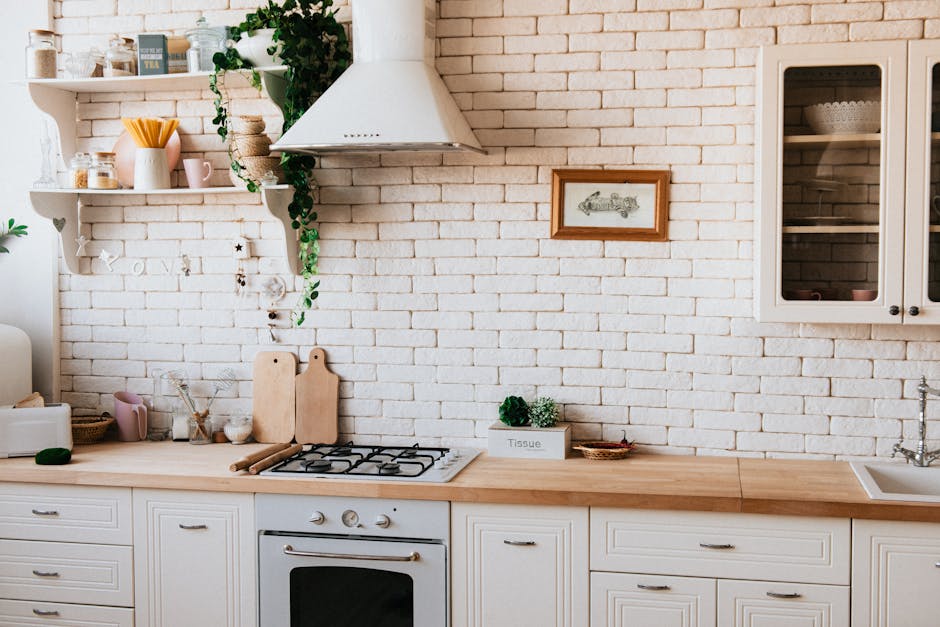
Are you tired of the chaotic mess around your kitchen sink? Does the clutter make even the simplest tasks feel overwhelming?
You’re not alone. Many of us struggle with keeping this small yet vital area of the kitchen tidy and efficient. But imagine a kitchen sink that sparks joy instead of stress. Imagine knowing exactly where every item is when you need it.
This isn't a dream—it's entirely achievable. In this guide, we'll unlock the secrets to transforming your kitchen sink area into an organized haven. You'll discover simple yet powerful strategies that make tidying up feel effortless. Plus, these tips are designed to fit your lifestyle, whether you have a busy schedule or enjoy detailed organization projects. Get ready to experience a sense of calm and efficiency each time you step up to your sink. Keep reading, and let’s turn that chaotic corner of your kitchen into a beautifully organized space that works for you.

Credit: thistlewoodfarms.com
Assessing Sink Space
Organizing the kitchen sink starts with assessing available space. Place essentials within reach, like dish soap and sponges. Use trays or organizers to separate cleaning tools, ensuring a tidy and functional area.
The kitchen sink is often a hub of activity, from washing dishes to prepping vegetables. Yet, it tends to become cluttered quickly, making tasks inefficient. Assessing sink space is the first step to creating a more organized and functional area. By understanding the space you have, you can start making decisions that improve your kitchen experience.
1. Measure Your Sink Area
Take a moment to measure the dimensions of your sink and surrounding countertop. Knowing the size helps you choose accessories that fit perfectly, like drying racks or soap dispensers. Accurate measurements prevent the frustration of buying items that are too large or small.
2. Evaluate Storage Needs
Consider what you use daily around your sink. Do you need space for sponges, brushes, or cleaning sprays? Make a list of essentials and think about where they can be stored within easy reach. This simple exercise can save you time and hassle later on.
3. Identify Problem Areas
Look at your sink space objectively. Is there a pile of unwashed dishes, or perhaps a clutter of cleaning supplies? Identifying these problem areas helps you know what needs attention. This clarity can motivate you to make effective changes.
4. Use Vertical Space
Think about the vertical space around your sink. Can you add shelves or hooks? Utilizing vertical space can help you keep counters clear, making the area more inviting and less chaotic.
5. Think About Workflow
Reflect on how you move around your sink. Is everything you need within arm's reach, or are you constantly stepping away? Understanding your workflow can help you arrange items in a way that maximizes efficiency.
6. Personal Story: The Power Of Decluttering
Once, I thought I needed every tool within reach at my sink. But after assessing the space, I realized that less was more. Clearing the clutter not only made my kitchen look better, but I found it more enjoyable to cook and clean. How might your kitchen experience improve with a little decluttering?
7. Ask Yourself This
What would make your sink space more functional for you? Asking this question can guide you in making changes that truly enhance your kitchen routine. Remember, small adjustments can lead to significant improvements.
Essential Cleaning Tools
Organizing the kitchen sink requires essential tools like a scrub brush, sponges, and a dish rack. Keep these items within reach for efficient dishwashing and tidy countertops. Proper arrangement ensures a clean, clutter-free space, making daily kitchen tasks easier.
Organizing your kitchen sink can dramatically improve your cooking and cleaning efficiency. It starts with having the right cleaning tools. These tools not only make your life easier but also ensure that your sink stays sparkling clean. Imagine reaching for a sponge only to find it's lost in the chaos under the sink. You want to avoid that scenario, right? Let’s dive into the essentials that will keep everything in order.
1. Sponge Caddy
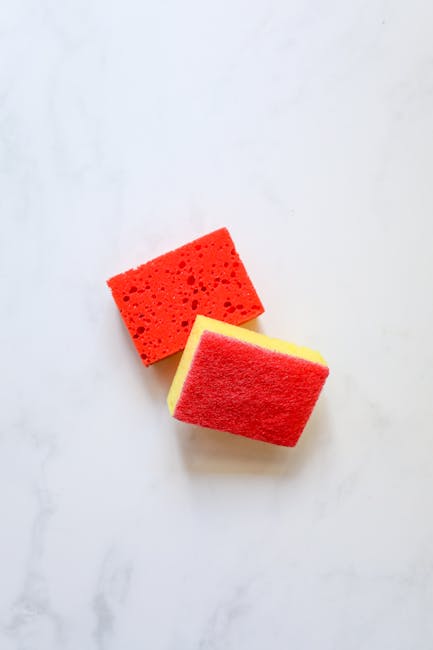
A sponge caddy is a game-changer for your kitchen sink. It keeps sponges dry and accessible, reducing the clutter. You can attach it to the inside of your sink with suction cups. This way, sponges are always within reach. Plus, it prevents bacteria buildup by allowing sponges to air-dry properly.
2. Dish Soap Dispenser
A dish soap dispenser is not just a luxury; it's a necessity. It minimizes the mess of soap bottles scattered around. You can opt for a refillable dispenser with a pump action. This makes washing dishes more efficient and less wasteful. Ever spent too long searching for the soap bottle? This tool solves that problem.
3. Scrubbing Brushes
Scrubbing brushes are your allies against stubborn stains. Keep them in a designated spot under your sink. Choose brushes with ergonomic handles for better grip. Having them organized ensures you tackle tough dirt easily. You’ll thank yourself next time you face a greasy pot.
4. Microfiber Cloths
Microfiber cloths are perfect for a quick wipe down of surfaces. Store them in a small basket under the sink. They are highly absorbent and dry quickly. This makes them ideal for keeping your sink area spotless. Who knew a simple cloth could make such a difference?
5. Multi-purpose Cleaner
A multi-purpose cleaner is essential for maintaining hygiene. Keep it within arm’s reach under your sink. Choose one that’s safe for various surfaces. This ensures your sink area is always ready for action. Having it handy encourages regular cleaning, preventing grime buildup.
6. Garbage Disposal Cleaner
If you have a garbage disposal, this cleaner is essential. It removes odors and keeps the disposal functioning well. Store it near your sink for easy access. A clean disposal means a fresher kitchen. Have you ever had a lingering smell you couldn’t identify? This tool will solve that mystery. Organizing these tools ensures that your kitchen sink is not just a place for washing dishes but a hub of efficiency. What cleaning tool do you find indispensable in your kitchen routine?
Choosing Storage Solutions
Organizing the kitchen sink area can be a daunting task. The key is choosing the right storage solutions. With efficient storage, you can maximize space and keep essentials within reach. Consider different options to make the area tidy and functional. This section explores under-sink organizers, over-sink racks, and hanging options.
Under-sink Organizers
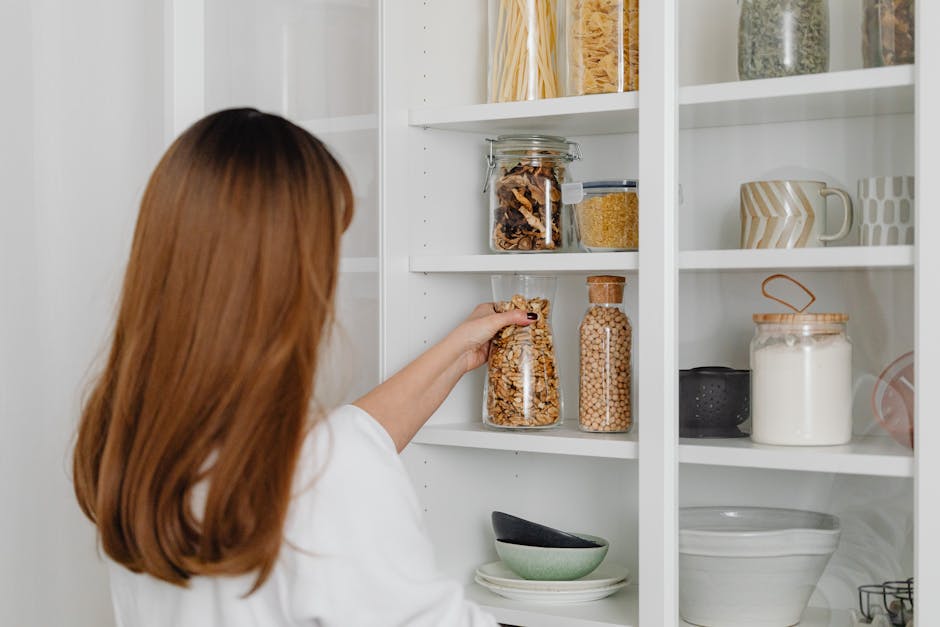
Under-sink organizers offer a practical way to utilize space. They fit snugly beneath the sink, making use of often wasted areas. You can choose from pull-out drawers, baskets, or adjustable shelves. These options help store cleaning supplies, sponges, and other items. Clear bins are great for visibility, ensuring you find items quickly.
Over-sink Racks
Over-sink racks provide storage without taking up counter space. They are perfect for storing dish soap, towels, and sponges. These racks can be adjustable to fit various sink sizes. They often come with hooks for hanging items like dish cloths. This makes it easy to access essentials while keeping the area clutter-free.
Hanging Options
Hanging options add vertical storage around the sink area. Use hooks or bars to hang items like brushes and towels. Magnetic strips can also hold metal tools or utensils. Wall-mounted baskets provide space for larger items. These solutions keep the sink area tidy and everything within easy reach.
Decluttering Strategies
Organize the kitchen sink with simple decluttering strategies. Store cleaning products in baskets under the sink. Use hooks for hanging dishcloths and brushes, keeping them within reach yet out of sight.
Is your kitchen sink a chaotic mess? You’re not alone. Many people struggle with keeping this area tidy, as it often becomes a catch-all for dishes, cleaning supplies, and sometimes even food items. Decluttering your kitchen sink can transform your kitchen into a more functional and pleasant space. Let's dive into some effective strategies to help you regain control and maintain order around your sink.
Assess Your Space
Start by taking a good look at the space around your sink. What do you actually use daily? Be honest with yourself. If you find items that you haven’t used in months, it might be time to move them elsewhere. Think about what fits logically around the sink area. Dish soap and a sponge make sense, but maybe that spare set of measuring cups doesn’t. Reevaluate what's essential.
Use Containers Wisely
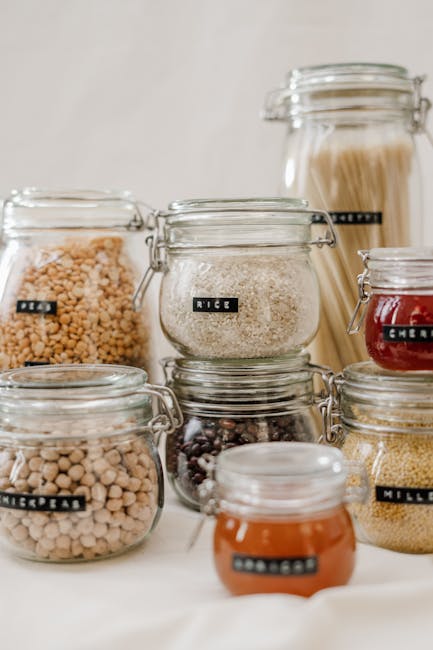
Containers can be your best friend. They help keep items organized and within reach. Use small baskets or trays to group similar items together, like sponges and brushes. This makes it easier to grab what you need without rummaging through a pile. Containers also help contain any mess, making cleanup a breeze. If you have a habit of leaving cleaning supplies under the sink, consider using a caddy to keep everything neat and accessible.
Implement A Daily Clean-up Routine
Make it a habit to tidy up the sink area at the end of each day. It takes just a few minutes but makes a huge difference. Wash and put away dishes, wipe down surfaces, and ensure everything is in its designated spot. This daily routine prevents clutter from building up and helps maintain a clean and inviting space. Plus, it’s much more pleasant to start cooking in a clean area.
Maximize Vertical Space
Utilize vertical space to free up your sink area. Install hooks or racks for hanging items like dish towels and brushes. This keeps them off the counter and within easy reach. If you have a cabinet above or next to the sink, consider using the inside of cabinet doors for additional storage. Hooks or small shelves can hold smaller items that would otherwise clutter the countertop.
Regularly Declutter
Decluttering isn’t a one-time event; it’s an ongoing process. Schedule regular check-ins to reassess what’s around your sink. Ask yourself if each item is still useful and necessary. If not, find a new home for it. This way, your kitchen sink area will always stay organized and functional. By putting these strategies into practice, you can transform your kitchen sink area from a cluttered mess into a streamlined, efficient space. What’s one small change you can make today to start decluttering your sink?
Maintenance Tips
Keeping the kitchen sink organized involves regular cleaning and sorting. Utilize trays or baskets to separate cleaning supplies. Store essentials like soap and brushes within easy reach to avoid clutter.
Keeping your kitchen sink organized goes beyond just tidying up. It’s about maintaining a space where you feel comfortable and efficient. This section dives into some practical maintenance tips to ensure your kitchen sink stays clean and functional. Whether it's a regular cleanup or a deep seasonal overhaul, these strategies can make your life easier. Let's explore how small habits can make a big difference in your kitchen sink area.
Regular Cleaning Routine
Consistency is key when it comes to keeping your sink in tip-top shape. Set aside a few minutes each day to wipe down the sink after use. This prevents grime from building up. Use a simple mixture of dish soap and water for daily cleaning. It’s gentle on your sink’s surface and effective in removing residue. Remember to clean the faucet and handles. These areas can harbor germs, especially if you’re frequently cooking or washing up.
Seasonal Deep Clean
Think about when was the last time you gave your sink a thorough cleaning. A deep clean every few months can rejuvenate your kitchen space. Start by removing everything from around the sink, including soap dishes and brushes. This clears the area for a more thorough scrubbing. Consider using baking soda and vinegar for a natural deep clean. This combination effectively tackles stains and odors without harsh chemicals. Have you ever noticed how certain times of the year make you feel like cleaning more? Use that energy to refresh your sink area. A deep clean can reset your kitchen’s vibe and make daily cleaning easier. Maintaining your kitchen sink doesn’t have to be a chore. With these tips, you can create a routine that not only keeps your sink clean but also makes it a pleasant area to work in. What’s your favorite cleaning hack for your kitchen sink? Share your thoughts and inspire others to keep their spaces sparkling!
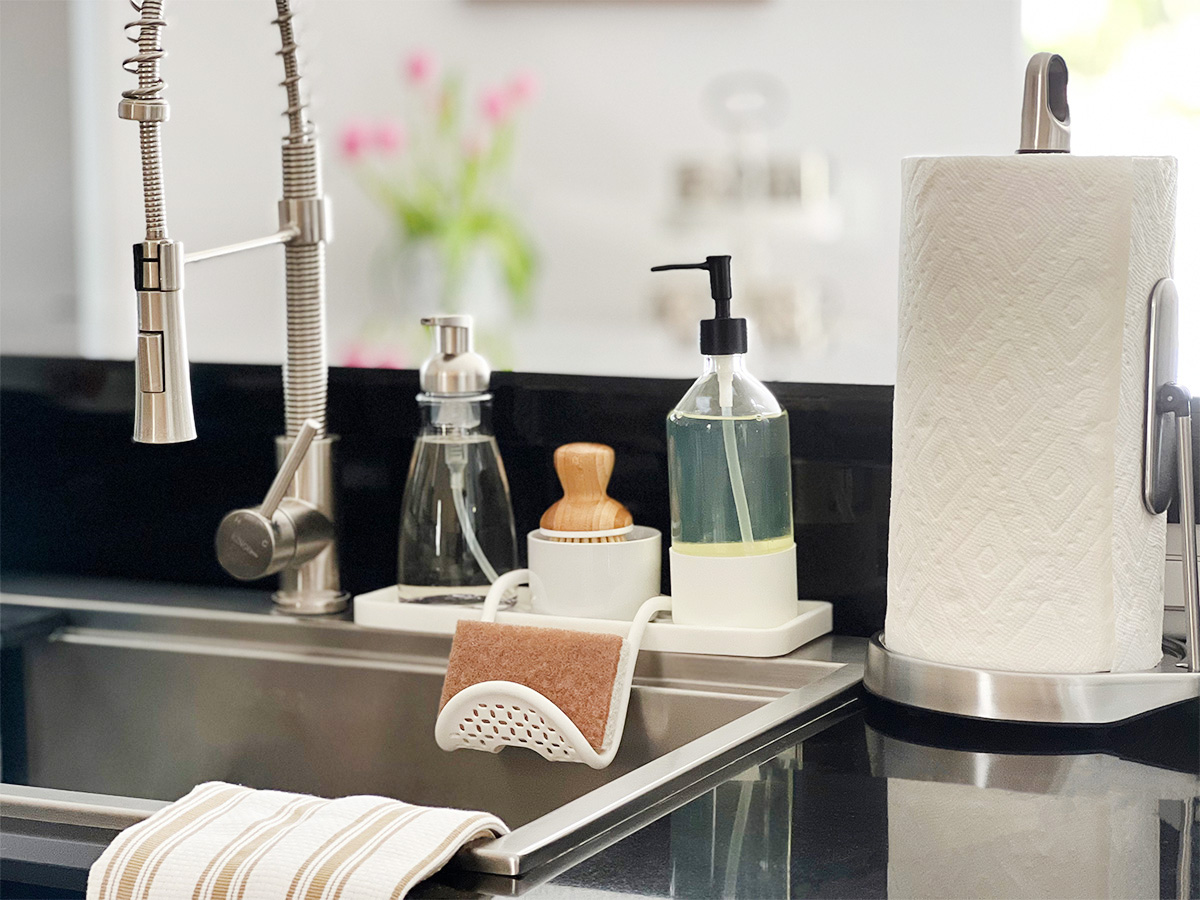
Credit: www.neathousesweethome.com
Eco-friendly Practices
Organize the kitchen sink with eco-friendly practices. Use natural cleaners and reusable cloths instead of paper towels. Store biodegradable soap in refillable containers to reduce plastic waste.
When it comes to maintaining a tidy and efficient kitchen sink, adopting eco-friendly practices can make a significant difference. Not only do these practices help in reducing your environmental footprint, but they also promote a healthier home environment. By choosing sustainable options, you're investing in a cleaner future for yourself and the planet. Let’s dive into some practical tips that you can implement right away.
Green Cleaning Products
Switching to green cleaning products is a simple yet impactful step. These products are usually made from natural ingredients, reducing the number of chemicals released into your water supply. Consider using baking soda and vinegar for a sparkling clean sink. They are effective and safe for your family and the environment. Have you ever thought about the harmful effects of traditional cleaners? Try making your own with ingredients like lemon juice and essential oils for a fragrant, non-toxic solution. Your sink will thank you, and so will the planet.
Water Conservation Tips
Water is one of our most precious resources. Are you doing your part in conserving it at the kitchen sink? Start by fixing any leaks immediately. A dripping tap can waste gallons of water over time. Consider installing a low-flow faucet aerator. This simple device can reduce water flow without compromising performance. Next time you wash dishes, fill the basin instead of letting the water run continuously. Small actions like these can lead to substantial water savings. Embracing eco-friendly practices in your kitchen sink routine doesn't require drastic changes. With a few thoughtful adjustments, you can create a more sustainable home. What small changes will you make today for a healthier tomorrow?
Personalizing Your Space
Personalizing your kitchen sink area enhances comfort and functionality. Adding personal touches creates a welcoming environment. It reflects your style and preferences. Transform your sink space into a unique corner. Make it both practical and visually appealing.
Decorative Touches
Decorative items can elevate the sink area. Choose items that resonate with your taste. Consider adding a small vase with fresh flowers. Bright colors can lift the mood and add charm. Use decorative soap dispensers for a stylish look. Choose designs that match your kitchen theme. A framed print or small art piece adds character. These elements create a personalized and attractive space.
Functional Aesthetics
Integrating functionality with aesthetics boosts efficiency. Select sink organizers that blend with the decor. Opt for materials like stainless steel or wood. They offer durability and a sleek appearance. Use a dish rack that complements the sink style. Keep essentials within easy reach yet neatly arranged. Choose towels that coordinate with your kitchen colors. Functional elements should also enhance the visual appeal. This balance creates a harmonious and effective kitchen space.
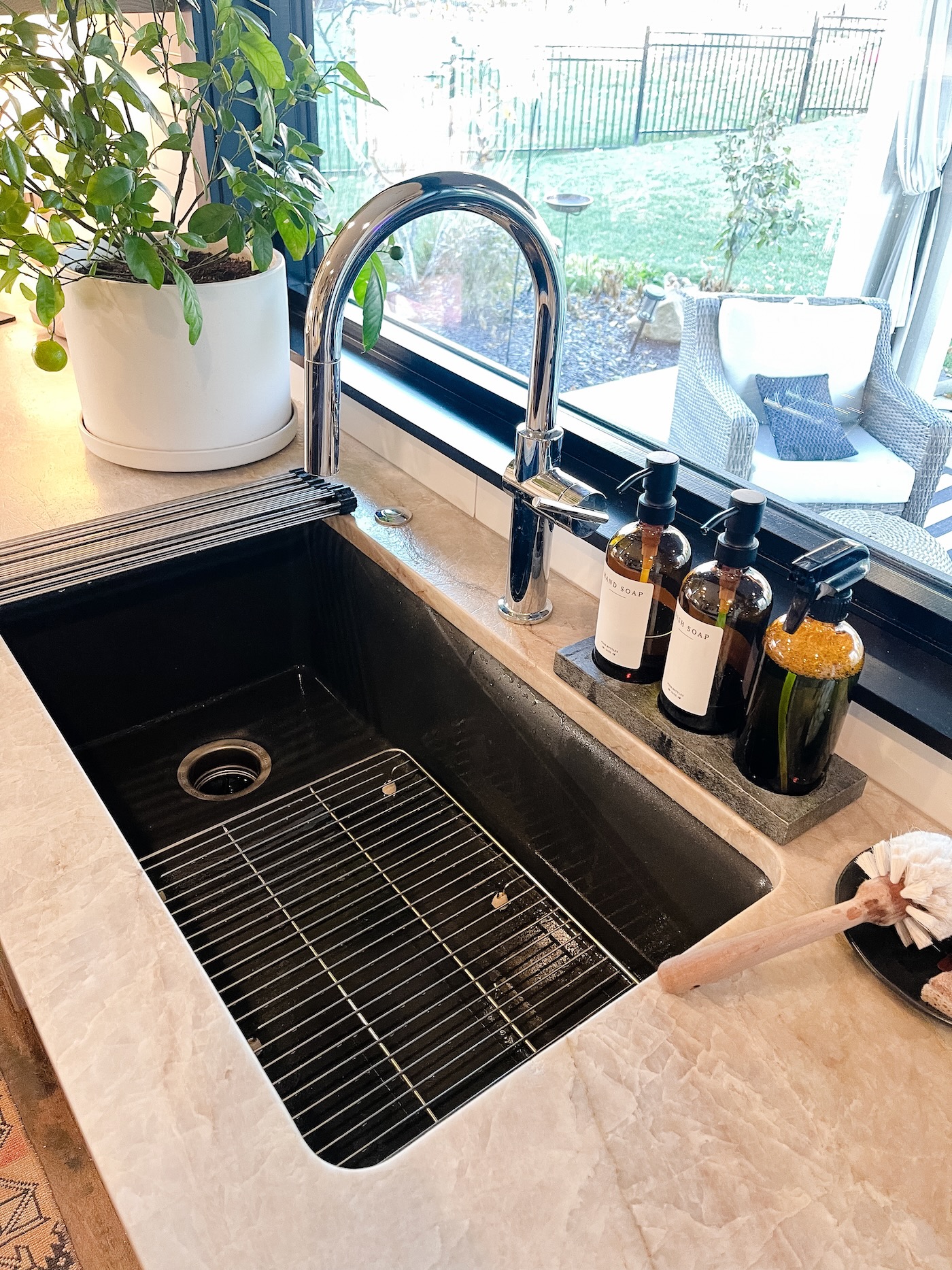
Credit: lifelovelarson.com
Frequently Asked Questions
How Do I Declutter Under The Kitchen Sink?
Start by removing all items and cleaning the area thoroughly. Sort items into categories, discarding expired or unnecessary ones. Use bins or organizers to group similar items together for easy access. Regularly review and update the contents to maintain order and maximize space efficiency.
What Are Smart Storage Solutions For A Kitchen Sink?
Utilize adjustable shelves or stackable bins to maximize vertical space. Install tension rods for hanging spray bottles. Consider pull-out drawers for easy access to deep areas. Use hooks or magnetic strips for hanging tools or cleaning supplies. These solutions help keep everything organized and within reach.
How Can I Prevent Mold Under The Sink?
Ensure proper ventilation by leaving cabinet doors open occasionally. Fix any leaks immediately to prevent moisture buildup. Use moisture-absorbing products like silica gel or baking soda. Regularly clean surfaces with a mold-resistant cleaner. These practices help maintain a dry and mold-free environment under the sink.
What Items Should Not Be Stored Under The Sink?
Avoid storing food items, electronics, or valuables under the sink. These can be damaged by moisture or leaks. Chemicals or cleaning supplies should be kept in childproof containers. Keep flammable items away from heat sources. Organizing carefully prevents damage and ensures safety in the kitchen.
Conclusion
Transforming your kitchen sink area can be simple and rewarding. Clear clutter for a clean, fresh start. Use baskets and trays to group similar items. This keeps things tidy and easy to find. Regularly clean and maintain your space. This helps prevent future mess and chaos.
A well-organized sink makes cooking and cleaning more enjoyable. You’ll spend less time searching for essentials. Remember, a little effort goes a long way. Enjoy the convenience of an organized kitchen sink every day. Happy organizing!