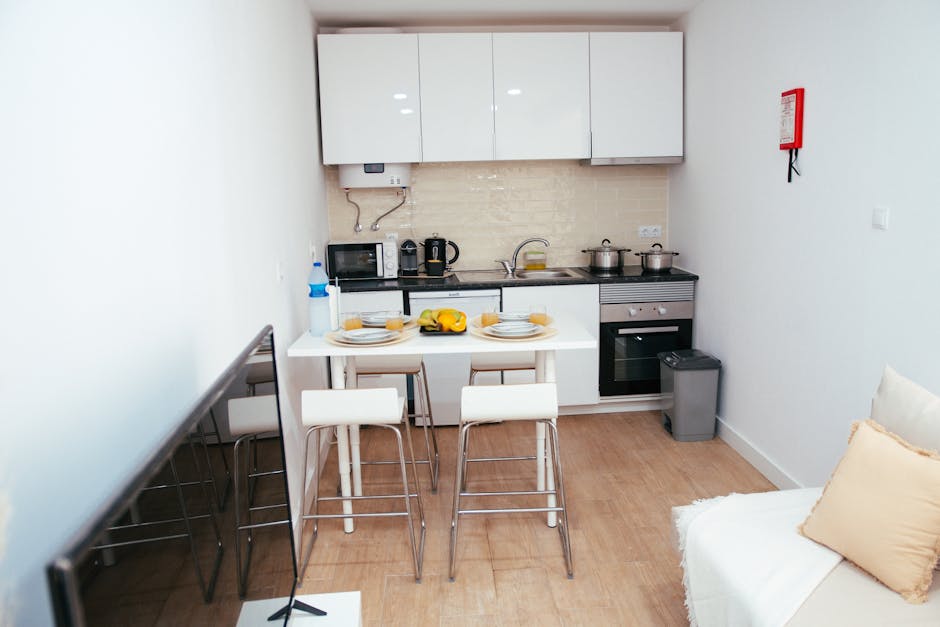
If you've ever found yourself rummaging through a cluttered cabinet, desperately searching for that elusive Tupperware lid, you're not alone. Small kitchens can quickly become chaotic, with storage containers seemingly multiplying overnight.
But what if there was a way to transform your kitchen chaos into a streamlined oasis of order? Imagine opening your cabinet to find each Tupperware piece perfectly in place, making meal prep smoother and stress-free. You don’t need a massive kitchen to achieve this; all it takes is a few clever organizational tricks.
Ready to discover how you can reclaim your space and sanity? Let's dive into the secrets of organizing Tupperware in your small kitchen, ensuring everything is easily accessible and beautifully arranged.
Assessing Storage Needs
Organizing Tupperware in a small kitchen starts with assessing storage needs efficiently. Maximize space by stacking containers and using drawer dividers. Consider vertical shelving to keep lids and boxes accessible and tidy.
Organizing Tupperware in a small kitchen can often feel like solving a puzzle. The key is understanding your storage needs before diving into solutions. This step sets the foundation for a clutter-free kitchen. It helps you make the most of limited space while ensuring easy access to your containers.
Understanding Your Kitchen Space
Take a moment to look around your kitchen. Notice the available cabinet and drawer space. Think about how you currently use these areas for Tupperware storage. Are there spaces that often go unused or are poorly organized? Recognizing these will help you see the potential for improvement.
Identifying Your Tupperware Collection
Assess the size and quantity of your Tupperware collection. Do you have a mix of sizes and shapes? Or perhaps too many lids without matching containers? This evaluation will guide you in choosing the right storage solutions. Consider donating or recycling items that are rarely used or mismatched.
Evaluating Accessibility And Convenience
Ask yourself, how easy is it to reach your Tupperware when cooking or packing lunches? Accessibility is crucial in small kitchens. Think about how you can rearrange items to prevent digging through stacks of containers. Consider solutions like pull-out shelves or lazy Susans to improve access.
Considering Future Needs
Think about upcoming changes in your lifestyle or family size. Will you need more Tupperware in the future? Planning ahead ensures your storage solutions remain effective. It's better to have a bit of extra space now than struggle later when needs increase.
Embracing Creative Solutions
Do you have any unique storage challenges in your kitchen? Sometimes, it takes a bit of creativity to maximize space. Look at vertical space or unused corners for potential storage spots. Could you hang shelves or use tension rods for additional storage? Evaluating your storage needs is not just about the present, but also about anticipating future requirements. The right questions can lead to practical solutions that transform your kitchen into a more organized and efficient space. What changes can you make today to streamline your Tupperware storage?
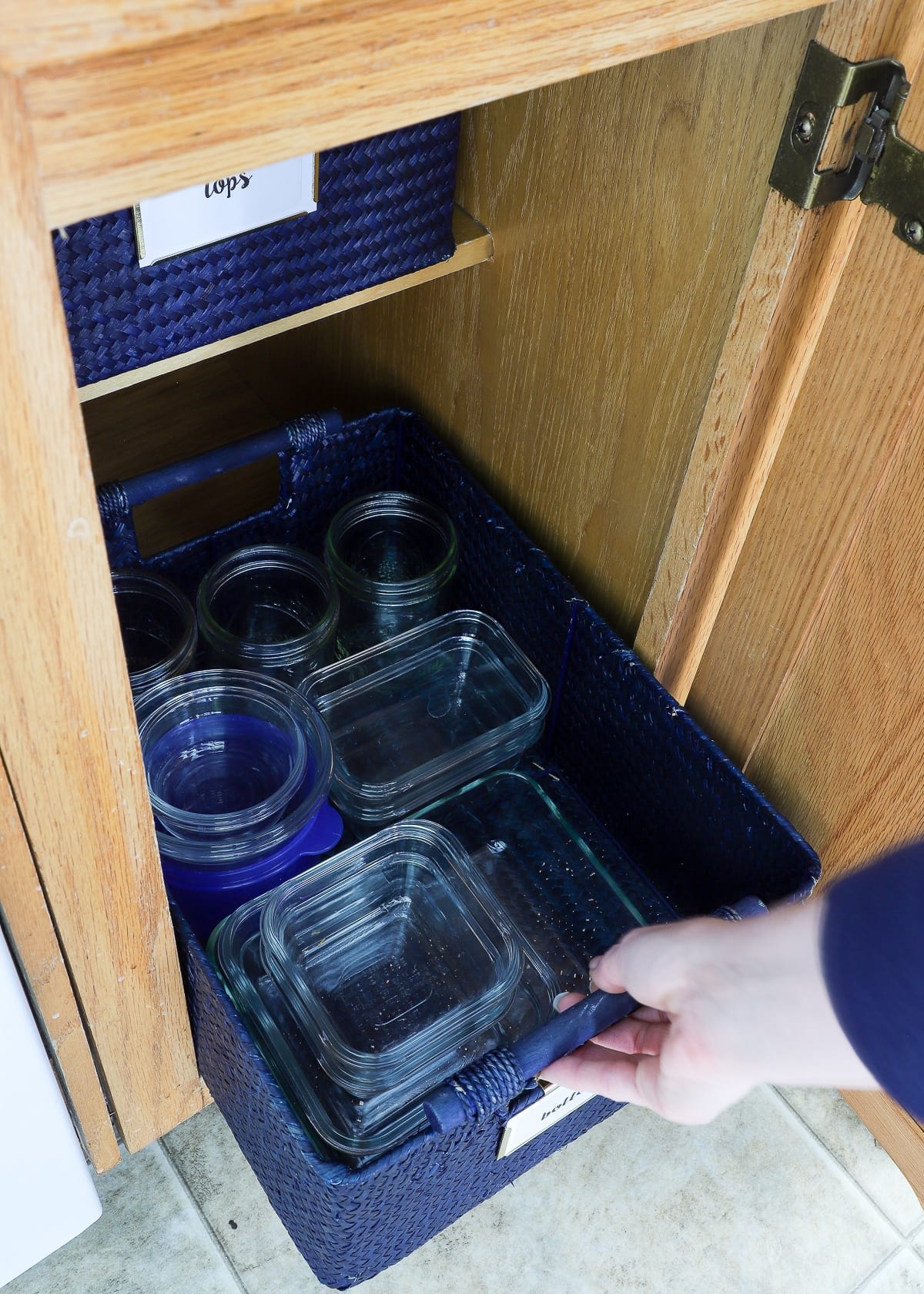
Credit: thehomesihavemade.com
Decluttering Old Containers
Decluttering old containers can transform your small kitchen space. It's a great way to make room for the essentials you use daily. Many people have Tupperware that has seen better days. Taking the time to sort through these can save space and reduce stress.
1. Assess The Condition Of Each Container
Start by gathering all your Tupperware in one place. Check each container for cracks or stains. Lids should be intact and seal properly. If not, it's time to say goodbye. Keep only those that are in good condition.
2. Evaluate Your Needs
Think about your daily storage needs. Do you often have leftovers or meal prep? Keep containers that fit these purposes. Avoid keeping too many sizes that you rarely use. This ensures your collection is functional.
3. Consider Space-saving Options
Opt for stackable containers. They save space and are easy to store. Look for nestable sets where lids and bases fit together. This minimizes clutter and keeps your kitchen organized.
4. Recycle Or Donate Unused Items
Don't throw away usable containers. Consider donating them to local charities. Recycling is also a good option if they're unusable. This reduces waste and benefits the environment.
5. Create A Maintenance Routine
Regularly check your Tupperware for wear and tear. Replace damaged items promptly. This keeps your collection tidy and efficient. A small effort goes a long way in maintaining organization.
Choosing The Right Tupperware
Choosing the right Tupperware can transform your small kitchen. It helps you save space and keeps your kitchen tidy. Not all Tupperware is made equal. Picking the right type can make a big difference. Consider options that offer flexibility and efficiency. Let's explore some great choices for your kitchen.
Stackable Options
Stackable Tupperware saves a lot of space. It fits neatly on shelves or in drawers. These containers can be piled on top of each other. They create a clean and organized look. Stackable designs often come with lids that snap together. This reduces clutter and prevents losing lids. They make it easy to find what you need. Choose clear containers to quickly see contents. This option is perfect for maximizing storage in small areas.
Nesting Sets
Nesting sets offer a smart storage solution. They fit inside each other when not in use. This helps keep your kitchen organized and spacious. Nesting sets often come in various sizes. They are great for storing different types of food. They are easy to clean and maintain. With nesting sets, you save space and reduce mess. They are ideal for small kitchens with limited storage.
Utilizing Vertical Space
Struggling with a small kitchen? Vertical space can help you organize. No need to cram your Tupperware in drawers. Use the walls instead. This approach keeps your kitchen neat. It also makes finding containers easier.
Installing Wall Shelves
Wall shelves are a simple solution. They free up counter space. Choose adjustable shelves for flexibility. Arrange them at different heights. This fits different Tupperware sizes.
Use sturdy materials to hold weight. Metal or wood works well. Place the shelves near your workspace. This reduces steps while cooking.
Hanging Racks And Hooks
Racks and hooks are great for lids. Hang them on the wall to save space. Magnetic racks can hold metal lids. Hooks are perfect for plastic ones.
Install them inside cabinet doors. This keeps them out of sight. But still easy to reach. Use adhesive hooks for easy installation. No drilling needed.
Maximizing Cabinet Space
Efficiently arranging Tupperware keeps small kitchens tidy. Stack lids vertically to save space and prevent clutter. Use drawer organizers to separate containers by size, making access easy.
Maximizing cabinet space in a small kitchen can feel like a puzzle, but with a few clever strategies, you can make the most of every inch. Organizing Tupperware can often lead to a chaotic mess, but the right approach can transform your cabinets into a haven of order. Here, we’ll explore practical ways to maximize your cabinet space, making it easier for you to find and store your Tupperware efficiently.
Using Shelf Risers
Shelf risers are a game changer for stacking Tupperware. They create additional layers, allowing you to utilize vertical space effectively. Placing a shelf riser in your cabinet lets you stack lids on top and containers underneath, ensuring easy access and visibility. Imagine opening your cabinet and instantly seeing all your Tupperware, neatly stacked and easy to reach. Shelf risers make this possible without the need for a complete kitchen overhaul. Opt for risers that are adjustable so they can be tailored to the height of your cabinets and Tupperware. Consider the time saved when you can quickly grab the container you need without rummaging through a pile. Using shelf risers not only organizes your space but also reduces stress during meal prep. Isn’t it worth investing in something that makes your kitchen more functional?
Installing Pull-out Drawers
Pull-out drawers offer a smart solution for deep cabinets where items tend to get lost. They bring everything into view, making it easier to spot the Tupperware you need. Installing pull-out drawers can transform how you interact with your storage space. Think about those moments when you're on your knees, searching for that one elusive lid in the back of the cabinet. Pull-out drawers eliminate this hassle, bringing order and efficiency. They allow you to store Tupperware neatly, with containers and lids kept together. Choose drawers that can support the weight of your Tupperware collection. This ensures durability and prevents any mishaps. Isn’t it satisfying to have a kitchen where everything has its place and is easy to find? Maximizing cabinet space isn't just about fitting more items; it's about creating a kitchen that works for you. By using shelf risers and installing pull-out drawers, you can achieve a more organized and efficient kitchen. What changes will you make today to transform your kitchen space?

Credit: eatingrichly.com
Organizing By Size And Use
Keeping a small kitchen tidy can be challenging. Tupperware often takes up space. Organizing by size and use can help. This approach maximizes space and efficiency. It makes meal prep smoother and faster.
Grouping By Frequency
Start by sorting Tupperware based on how often you use it. Daily-use containers should be most accessible. Store them at the front of your cabinet. Seasonal or rarely-used items can go to the back. This saves time and reduces clutter.
Prioritizing Accessibility
Keep frequently-used Tupperware within easy reach. Place them at eye level or lower shelves. This minimizes bending and stretching. It also speeds up meal preparation. Place similar-sized containers together. This helps in finding the right one quickly.
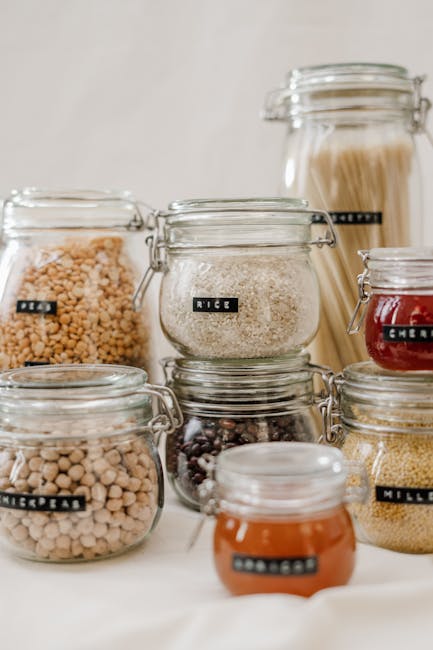
Labeling For Easy Identification
In a small kitchen, organizing your Tupperware can feel like solving a puzzle. But labeling for easy identification can streamline the chaos and save you precious time. Imagine reaching for the exact container you need without rummaging through a cluttered stack. Labeling not only enhances organization but also adds a touch of personal style to your kitchen storage.
Clear Labeling Techniques
Start with clear labeling techniques to make your Tupperware easily identifiable. Use permanent markers or label makers to write on stickers or directly on the containers. Ensure the labels are readable and consistent. You might be surprised at how much difference a clearly labeled container makes in your daily routine.
Consider using labels that indicate the contents or the date stored. This way, you can avoid the mystery leftovers and quickly grab what you need. A friend once shared how labeling the lids with their matching bottoms helped her spot missing pieces in seconds.
Color-coding Systems
Another practical labeling method is using color-coding systems. Assign different colors for specific food categories or container sizes. This visual approach allows you to quickly identify what you need. Picture your pantry with vibrant splashes of color guiding you to the right choice.
Think about using bright colors for lunch containers and muted tones for storage. This can be especially handy if you have kids, as it makes them more involved in organizing. What color would make your mornings smoother and more efficient?
By implementing these labeling strategies, you'll transform your kitchen chaos into a seamless experience. Imagine the satisfaction of a well-organized, easy-to-navigate Tupperware collection. What labeling technique will you try first in your kitchen transformation?
Maintaining Organization
Tidy up your small kitchen by stacking Tupperware efficiently. Use cabinet doors to hang lids. Place containers within containers to save space.
Maintaining organization in a small kitchen can feel like a juggling act, especially when it comes to Tupperware. But don't worry, with the right strategies, you can keep your kitchen tidy and functional. The key is to create a system that adapts to your needs and stick with it.
Regular Cleanouts
Regular cleanouts are essential for maintaining order. Set aside time each month to evaluate your Tupperware collection. Ask yourself if you really need that mismatched lid or container with a missing piece. This habit prevents clutter and makes finding what you need a breeze. Think about how freeing it would be to open your cabinet and find just the right container without a scavenger hunt. Regular cleanouts keep your space efficient and stress-free.
Adapting To Changing Needs
Your kitchen needs might change over time, and your Tupperware organization should too. Are you hosting more dinners or packing lunches more often? Adapting your storage system to fit your current lifestyle ensures that everything you use regularly is accessible. Consider adjustable shelves or stackable containers that can easily be rearranged. Reflect on a time when your routine changed, and you struggled to find space. Adapting your storage can prevent this frustration and keep your kitchen running smoothly. Embrace the flexibility of your organization system. It should evolve with you, making your kitchen a place of peace, not chaos. How do you feel when you open a cluttered cabinet compared to an organized one? By maintaining an adaptable system, your small kitchen can be a haven of order and efficiency.
:max_bytes(150000):strip_icc()/ScreenShot2022-09-01at5.15.37PM-5a15f0d40132473f8a489e41b27f200b.png)
Credit: www.thespruce.com
Frequently Asked Questions
How Do I Maximize Space For Tupperware?
Maximize space by using stackable containers and nesting smaller items. Utilize cabinet doors with adhesive hooks for lids. Consider vertical storage solutions like racks or organizers. Regularly declutter and donate unused pieces to maintain space.
What Is The Best Way To Store Lids?
Store lids vertically using a dish rack or a magazine holder. This keeps them organized and easy to access. You can also use adhesive hooks inside cabinet doors for additional lid storage. Keeping lids separate from containers helps maintain order.
How Often Should I Declutter Tupperware?
Declutter Tupperware every few months to maintain organization. Regularly assess your collection and donate or recycle unused or damaged items. This ensures you only keep what you need, preventing clutter. Decluttering frequently helps optimize space in small kitchens.
Can I Use Drawer Dividers For Tupperware?
Yes, drawer dividers are excellent for organizing Tupperware. They help separate lids from containers, making retrieval easier. Dividers also maximize drawer space and keep items in place. This method is particularly useful in small kitchens with limited cabinet space.
Conclusion
Achieving a tidy kitchen feels good. Organized Tupperware makes cooking stress-free. Arrange containers by size. Use labels for easy access. Vertical stacking saves space. Small baskets keep lids sorted. Regular cleaning prevents clutter. Donate or recycle old items. Keep only what you use.
A neat kitchen boosts daily efficiency. Try these tips today. Enjoy a clutter-free space.