Are you tired of the chaos under your small corner kitchen sink? It might be a tiny space, but it doesn't have to be a cluttered one.
Imagine opening the cupboard to find everything neatly in its place, easy to grab, and organized just the way you like it. This isn't just a dream—it's a practical solution waiting for you to discover. In this guide, we'll unlock the secrets to transforming that cramped area into a model of efficiency.
Whether you're battling with cleaning supplies, tangled dish rags, or simply too much stuff, you'll find strategies here that fit your needs. Keep reading to turn your under-sink chaos into a tidy, functional space that makes your daily kitchen routine smoother and more enjoyable.
:strip_icc()/organizing-a-corner-cabinet-vertical-101221035-586f5419aaca4adc95bcf256369cb67e.jpg)
Credit: www.bhg.com
Assessing Available Space
Organizing a small corner kitchen sink can be challenging. Limited space often leads to clutter. Efficient use of the available space is key. Start by assessing what you have. This step is crucial. It sets the foundation for effective organization.
Begin by measuring the area under the sink. Knowing dimensions helps in planning. Use a tape measure for accuracy. Note the width, depth, and height. Write these numbers down. They are essential for selecting storage solutions.
Identify Obstacles
Check for any pipes or fixtures. These can limit usable space. Look for obstructions. Identify where they are located. This helps in planning. Avoid placing items where they interfere.
Evaluate Current Items
Take out everything stored under the sink. Examine each item. Decide what is necessary. Group similar items together. This reveals what you use often. It also shows what can be moved elsewhere.
Consider Vertical Space
Think about using vertical space. Shelves can maximize storage. Consider stackable options. This approach makes use of height. It frees up floor space. Items become easily accessible.
Plan For Accessibility
Ensure items are within reach. Accessibility is important. Frequently used items should be easy to grab. Store less used items at the back. This helps maintain order.
Credit: thehomesihavemade.com
Choosing Suitable Storage Solutions
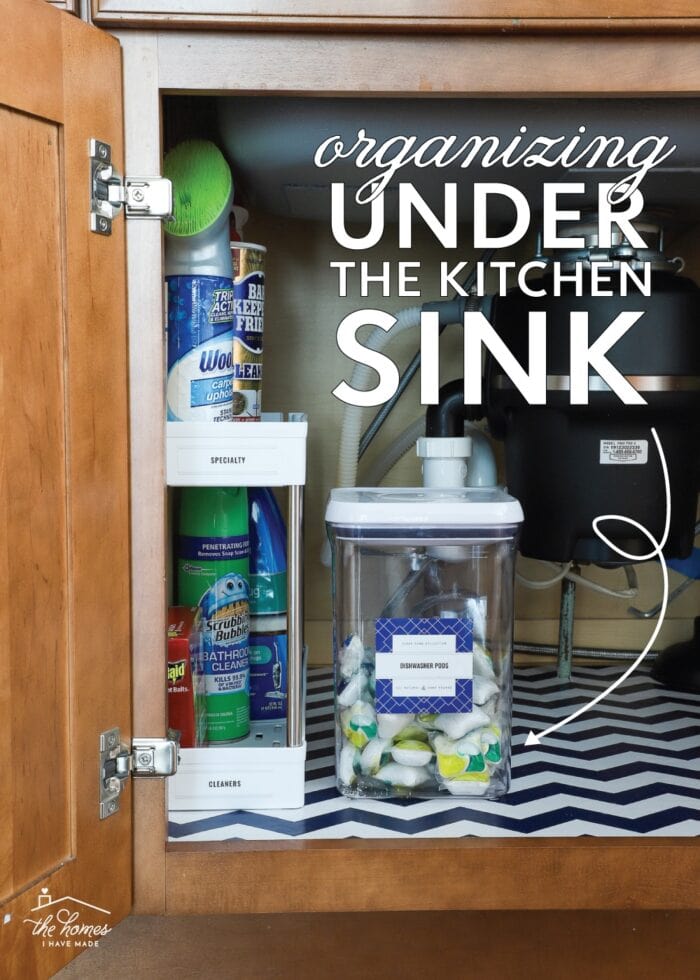
Tidy up the small corner kitchen sink area with compact shelves or baskets. These can store cleaning supplies neatly. Use hooks or adhesive holders on cabinet doors to maximize space. A lazy Susan is perfect for easy access to items.
Choosing Suitable Storage Solutions Organizing the area under your small corner kitchen sink can be a game-changer for your daily routine. It's all about finding the right storage solutions that fit snugly and maximize every inch. You might be surprised how much extra space you can create with the right tools. Have you ever thought about how adjustable shelving or pull-out baskets could revolutionize your kitchen organization?
Adjustable Shelving
Adjustable shelving offers flexibility in a tight space. It's like having a customizable puzzle that adapts to your needs. You can modify the height between shelves, allowing taller items like spray bottles or cleaning supplies to fit comfortably. Consider the last time you struggled to find space for an oddly shaped item. Adjustable shelving lets you shift things around easily. It's a simple solution that creates a more efficient space, making your under-sink area a breeze to navigate.
Pull-out Baskets
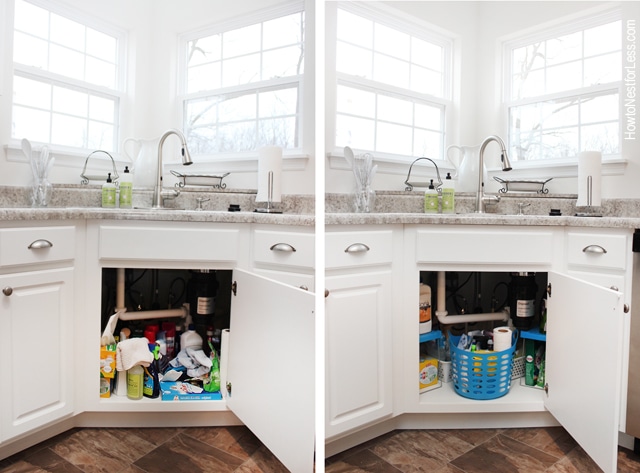
Pull-out baskets are perfect for easy access to your essentials. They slide out smoothly, making it easy to grab what you need without knocking over other items. Ever had a moment where reaching for a cleaning cloth turned into a mini avalanche? These baskets keep everything in order. You can use them to organize smaller items like sponges, dish soap, and scrub brushes. They help keep your sink area tidy and ensure that nothing gets lost in the back corners. Why settle for a messy jumble when a pull-out basket can keep it all within reach? Organizing under a small corner kitchen sink doesn't have to be a daunting task. With adjustable shelving and pull-out baskets, you can transform chaos into a streamlined, functional space. What other creative solutions have you tried in your kitchen?
Utilizing Vertical Space
Organizing a small corner kitchen sink can be challenging. Space is limited, and clutter accumulates quickly. Using vertical space effectively can make a big difference. With the right tools, you can maximize storage and keep items accessible. Vertical storage solutions offer a smart way to utilize every inch.
Stackable Bins
Stackable bins are perfect for vertical storage. They help keep items organized and easy to find. Choose bins that fit under your sink. Stack them to maximize space. Transparent bins make it easy to see contents. Label each bin for quick access. Group similar items together, like cleaning supplies. This method keeps everything neat and orderly.
Over-the-door Racks
Over-the-door racks are a clever solution. They use the back of cabinet doors to hold items. Install racks for extra storage. Perfect for small items like sponges or brushes. They free up shelf space for larger items. Racks with adjustable hooks are versatile. They can hold different-sized items securely. This option keeps essentials within easy reach.
Credit: howtonestforless.com
Categorizing Items
Organizing a small corner kitchen sink space can be simple. Use stackable bins and shelf risers for vertical storage. Keep cleaning supplies in caddies for easy access.
When you're dealing with the small space under your corner kitchen sink, organizing can seem like a puzzle. The key is to categorize your items effectively. This helps you find what you need quickly and keeps the area tidy. Let’s dive into some practical ways to categorize items, ensuring each category has its designated space.
Cleaning Supplies
Start by gathering all your cleaning supplies in one place. Group similar items together, like dish soap, sponges, and cleaning sprays. Consider using a small basket or caddy for easy access and mobility. A personal tip: I once spent an afternoon searching for a specific cleaner. After organizing, I realized I had three of the same bottle! Categorizing prevents duplicates and saves money. Think about accessibility. Place frequently used items at the front. Less-used supplies can go towards the back or on a higher shelf.
Recycling And Trash
Even in a small space, you can manage recycling and trash effectively. Use stackable bins or a dual-compartment trash can. This maximizes vertical space and keeps things organized. Label bins clearly. It might sound simple, but labels eliminate confusion and ensure everyone in the household knows where things go. Ever had a guest ask, "Where’s the recycling?" With a clear system, they won’t need to. They’ll know just by looking. Have you ever thought about the time spent digging under the sink? Organization turns chaos into calm. What other areas in your home could benefit from a little categorization?
Labeling For Easy Access
Organize efficiently by labeling items under the small corner kitchen sink. Clear labels help identify cleaning supplies quickly. Ensure easy access and save time during daily chores.
Organizing a small corner kitchen sink can be a challenge, but strategic labeling can transform chaos into order. Labels not only enhance organization but also make it easier to find what you need quickly. Imagine reaching for a cleaning product and finding it without shuffling through a pile of items. Your kitchen routine becomes smoother and stress-free. In this section, we'll explore the benefits of labeling and how it can bring harmony to your kitchen space.
Creating Clear Labels
Start by assessing the items under your sink. Group similar products together, like cleaning supplies, dishwashing essentials, and garbage bags. Use clear, easy-to-read labels for each category. A label maker or handwritten labels on waterproof paper can work wonders. Ensure the text is large enough to read at a glance.
Color Coding For Quick Identification
Consider using color-coded labels for even faster identification. Assign a unique color to each category. For example, use blue for cleaning products and green for dishwashing items. This visual cue helps you locate items instantly, especially during a busy cooking session.
Involving Family Members
Involve your family in the labeling process. It’s a fun activity and ensures everyone knows where things belong. Ask them to help decide on categories and colors. This involvement helps keep the system intact as everyone is aware of where to return items after use.
Adjusting As Needed
Over time, your needs might change, and your labeling system should adapt accordingly. Regularly review your labels to ensure they still serve your needs. If you find a category growing, consider reorganizing or adding new labels. Flexibility is key to maintaining an efficient space.
Using Durable Materials
Opt for durable materials for your labels. Consider waterproof or laminated labels to withstand spills and splashes. This durability ensures that your labels stay intact and legible for a long time, making your organizational efforts last. With these labeling strategies, you can transform the clutter under your kitchen sink into a well-organized space. Imagine the satisfaction of reaching for an item and finding it effortlessly. What labeling methods have you tried in your kitchen, and how have they impacted your daily routine?
Maintaining An Organized Space
Maintaining an organized space under a small corner kitchen sink is crucial. This area can quickly become cluttered and chaotic. By implementing simple routines, you can keep this space tidy and functional. Regular decluttering and routine cleaning are key to preserving order. Let’s dive into these essential practices to ensure your sink space remains efficient.
Regular Decluttering
Declutter regularly to keep the area neat. Start by removing items that aren't used often. Donate or discard items that have no purpose. Keep only essentials, like cleaning supplies and tools. Use small baskets or containers to group similar items. Label each container for easy access. This simple system helps maintain order effortlessly.
Routine Cleaning
Cleaning is vital for a tidy space. Wipe down surfaces weekly to prevent dirt buildup. Use a mild cleaner to avoid damaging materials. Pay special attention to corners and crevices. Check for leaks or dampness regularly. Moisture can lead to mold and mildew. Keeping the space dry ensures a clean, healthy environment. A quick cleaning routine keeps your sink area fresh and organized.
Frequently Asked Questions
How Can I Maximize Space Under The Sink?
Use stackable bins and pull-out organizers to maximize vertical space. Install hooks on cabinet doors for hanging items like dish towels or cleaning gloves. Utilize clear containers for easy visibility and access, keeping similar items together. Regularly declutter to maintain an efficient and organized space.
What Items Should I Store Under The Sink?
Store cleaning supplies, dishwashing detergents, and trash bags under the sink. Consider keeping small cleaning tools like brushes and sponges. Avoid storing food items or anything that can be damaged by moisture. Use airtight containers for any items that might be affected by humidity.
How Do I Keep It Clutter-free?
Regularly assess and declutter the space to avoid overcrowding. Use labeled containers for easy identification and to maintain order. Implement a "one-in, one-out" rule to manage items. Keep only frequently used items under the sink to ensure accessibility and organization.
Are There Any Safety Tips For This Area?
Store chemicals in childproof containers and out of children's reach. Ensure ventilation to avoid buildup of harmful fumes. Securely fasten any pipes or fittings to prevent leaks. Regularly check for signs of moisture or mold, and address any issues immediately to maintain a safe environment.
Conclusion
Organizing a small corner kitchen sink can be simple and effective. Use baskets or bins to keep items tidy. Label containers to find things quickly. Install hooks or racks for extra space. Keep cleaning supplies handy, but out of reach of kids.
Regularly check for leaks or damage. Clean and declutter every month. This makes your kitchen more functional and pleasant. Save time and reduce stress with a well-organized space. Small changes lead to big improvements. Start organizing today for a neat kitchen sink area.
Enjoy the benefits of a tidy and efficient kitchen.