Imagine walking into your kitchen and feeling a sense of calm wash over you. Everything is in its place, easily accessible, and perfectly organized.
No more rummaging through cluttered drawers or losing track of ingredients. Sounds like a dream, right? Well, it doesn’t have to be. You can transform your kitchen into a well-organized space that saves you time and reduces stress. In this guide, you'll discover practical tips and strategies to organize your kitchen and set it up for success.
With just a few changes, you’ll turn your kitchen into a haven of efficiency and enjoyment. Ready to create a kitchen that works for you? Let’s dive into the details and make this dream a reality.
Declutter First
Organizing your kitchen starts with a crucial step: decluttering. This process sets the foundation for a clean, efficient space. A clutter-free kitchen not only looks better, but it also works better. Begin by sorting through every item in your kitchen. From utensils to appliances, every piece matters. Let's explore how to declutter effectively.
Assess Items
Begin with assessing what you have. Look at each item closely. Decide its importance in your daily routine. Ask yourself: Does this item serve a purpose? If an item hasn't been used in months, reconsider its place in your kitchen. Keep only what you need.
Eliminate Duplicates
Duplicates take up precious space. Find items you have more than one of. Do you really need three spatulas? Keep the best and let go of the rest. Free up space by reducing duplicates.
Donate Unused Gadgets
Many gadgets are often unused. These items could be of great use to others. Consider donating them. Giving away unused gadgets creates space for essentials. Plus, it helps someone in need.
:max_bytes(150000):strip_icc()/organize-your-kitchen-cabinets-2648622_hero-9b39af19752f41d19f4d77319dc2f370.jpg)
Credit: www.thespruce.com
Maximize Storage
Are you tired of rummaging through a cluttered kitchen, trying to find that elusive spice jar or saucepan? Maximizing storage in your kitchen can be a game-changer for both efficiency and sanity. The key is to utilize every inch of space wisely, and you might be surprised by how much hidden potential your kitchen holds. Let’s dive into some practical strategies that can help you make the most of your kitchen storage.
Use Vertical Space
Vertical space is often overlooked, but it can be your best friend in the quest for organization. Think about adding shelves above your countertops or installing hooks for hanging utensils. A friend of mine transformed her tiny kitchen by mounting a pegboard on the wall for pots and pans, freeing up cupboard space for other essentials. What vertical space can you tap into in your own kitchen?
Incorporate Drawer Dividers
Do your drawers look like a jumble of mismatched utensils? Drawer dividers can bring order to chaos, making it easy to find what you need when you need it. Imagine opening a drawer and seeing neatly arranged spoons, forks, and knives. You can even create sections for different items, like baking tools or measuring cups. Have you considered how much time you could save with organized drawers?
Install Lazy Susans
Lazy Susans are a fantastic way to maximize corner cabinet space and keep everything within easy reach. They allow you to access items at the back of the cupboard without having to dig through everything in front. I installed one in my pantry for canned goods, and suddenly, finding the right ingredient became a breeze. Have you ever tried using a Lazy Susan to simplify your kitchen storage?
By focusing on these simple yet effective strategies, you can transform your kitchen into a more functional and enjoyable space. Which storage solution will you tackle first?
Create Zones
Creating zones in your kitchen simplifies daily tasks. It enhances efficiency and order. Designated areas ensure each item has a place. This reduces clutter and improves workflow. You focus on what matters most: preparing delicious meals.
Cooking Area
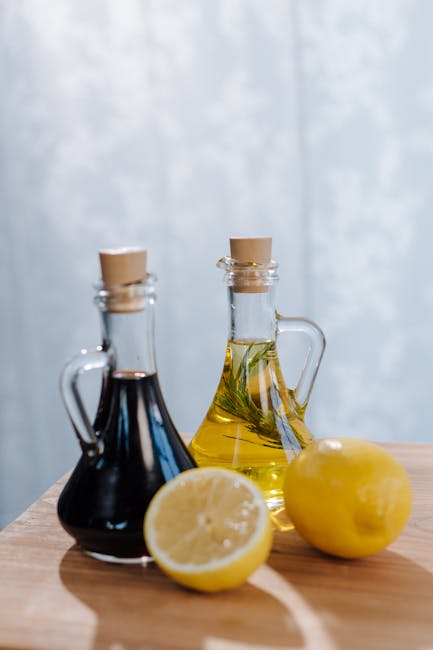
The cooking area should be close to the stove. Place pots, pans, and utensils nearby. Keep spices and oils within arm's reach. This setup speeds up meal preparation. Use drawer dividers for utensils. Label jars for easy access to spices. Consider installing hooks for hanging pots. This saves space and keeps items visible.
Baking Zone
Reserve a counter for baking needs. Store flour, sugar, and baking powder together. Keep measuring cups and spoons nearby. Organize baking sheets and pans in a cabinet. Use clear containers for ingredients. This helps with quick identification. Arrange baking tools for easy reach. A tidy zone inspires creativity in baking.
Coffee Station
A dedicated coffee station adds convenience. Place the coffee maker on a stable surface. Store mugs and spoons close by. Arrange coffee beans and filters neatly. Use baskets to organize. Keep a small trash can for coffee grounds. Designate space for special syrups or creamers. This setup provides a cozy spot to start your day.
Credit: www.thehappyhousie.com
Organize Pantry
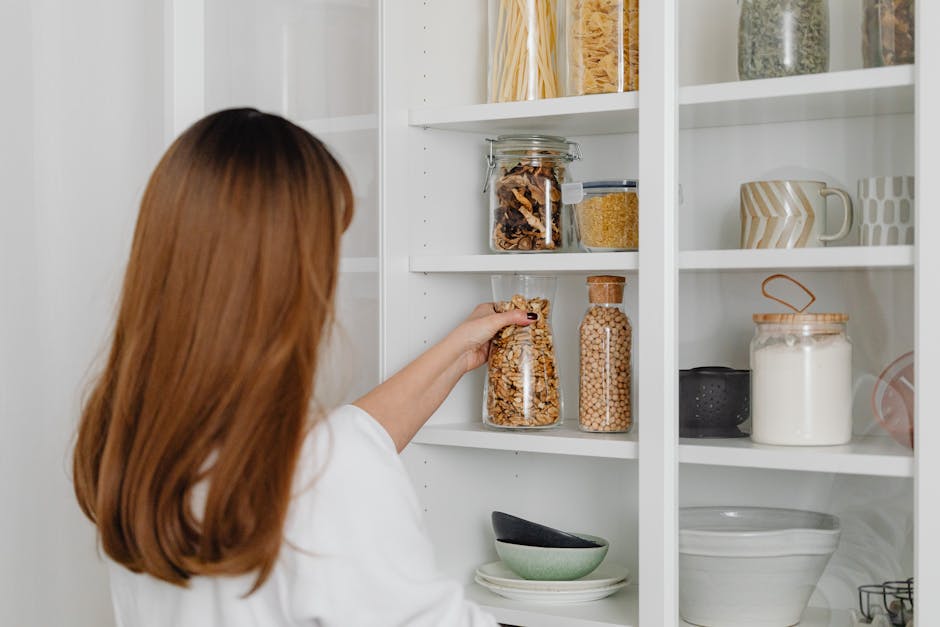
Transforming your pantry into a well-organized space can make your kitchen more efficient and enjoyable to use. A tidy pantry not only helps you find what you need quickly but also ensures that nothing goes to waste. Whether you have a small cupboard or a walk-in pantry, a few strategic changes can make a world of difference. Let’s dive into some practical ways to organize your pantry.
Label Containers
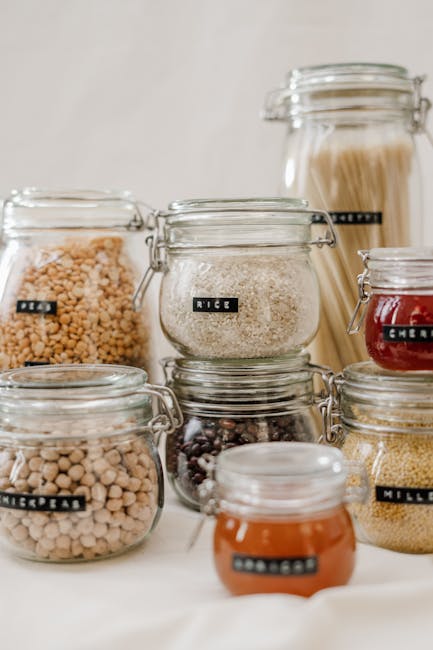
Labels are your best friend when organizing your pantry. They help you and your family quickly identify what’s inside each container, reducing the time spent searching for ingredients. Use clear labels with bold text to ensure they’re easy to read.
You can buy a label maker or simply use masking tape and a permanent marker. If you’re feeling crafty, create custom labels using printable sticker paper. Consistency is key, so stick to one labeling style throughout your pantry.
Group Similar Items
Grouping similar items together simplifies your pantry and helps you keep track of what you have. Consider placing all canned goods in one section, baking items in another, and snacks in a different spot. This approach makes meal prep easier and minimizes the risk of buying duplicates.
Think about how you use your ingredients. If you often make pasta dishes, group pasta, sauce, and related spices together. This not only saves time but also streamlines your cooking process.
Rotate Stock
Rotating stock is crucial to ensure you use items before they expire. Place newer items behind older ones, so you’re always using the oldest products first. This method prevents waste and keeps your pantry fresh.
Consider adding a reminder on your phone to check expiration dates monthly. You might be surprised by how often things get overlooked. Regular rotation can help you save money and reduce food waste.
Have you ever stood in front of your pantry and wondered what to cook? By organizing your pantry effectively, you eliminate this confusion and make meal planning a breeze. What tips will you try first to transform your pantry?
Efficient Workflows
Organizing your kitchen creates efficient workflows, saving time and reducing stress. Arrange items by frequency of use and group similar tools together. Clear counters and labeled storage can make cooking easier and more enjoyable.
Efficient workflows in your kitchen can transform how you cook, clean, and organize. Imagine a space where every tool is within reach, and meal prep flows seamlessly from start to finish. Achieving this harmony isn't just about tidying up; it's about smart planning and practical setup.
Streamline Meal Prep
Start by assessing your meal prep routine. Do you find yourself searching for ingredients or tools frequently? Consider grouping items that you use together. Place your cutting board, knives, and frequently used spices near each other to save time. Why not designate a specific area for chopping and mixing? This keeps your workflow smooth and reduces the chaos of running back and forth. Use clear containers to store ingredients you often need. This not only keeps them fresh but also makes them easy to spot. A friend of mine swears by labeling jars to avoid guesswork—what a difference it makes!
Set Up Cleaning Station
A clean kitchen is a happy kitchen. Setting up a dedicated cleaning station can streamline this process. Position your dish soap, sponge, and drying rack near the sink. It minimizes clutter and makes cleanup swift. Think about adding hooks for towels or cloths. It keeps them dry and accessible. You could even incorporate a small bin for compost or waste nearby. It’s a game-changer for maintaining cleanliness while you cook. Consider how often you clean. Is it after every meal or once a day? Tailor your setup to your routine for maximum efficiency.
Arrange Cooking Tools
Cooking tools are best kept near where they are most frequently used. Hang pots and pans on wall hooks close to the stove. It saves cabinet space and makes them easy to grab. Drawers can become clutter zones. Use dividers to separate utensils and keep them orderly. Do you find yourself rummaging through drawers for that elusive spatula? A pegboard can display tools, ensuring they’re always in sight. Think about the tools you use most often. Are they easy to reach? If not, it’s time to rearrange for accessibility.
Organizing your kitchen for efficient workflows isn't just about aesthetics; it's about creating a space that works for you. What changes will you make to ensure your kitchen setup supports your culinary adventures?
Aesthetic Considerations
Creating a beautiful kitchen involves more than just organization. It requires an eye for aesthetics. This ensures your kitchen is both functional and pleasing. Explore key aesthetic elements to elevate your kitchen's look. Make your space inviting and stylish.
Choose A Color Scheme
Start with a cohesive color scheme. Harmonize your cabinets, walls, and appliances. Consider neutral tones for a timeless feel. Or, opt for bold colors to make a statement. Soft pastels can create a calming atmosphere. Stick to two or three colors for a balanced look.
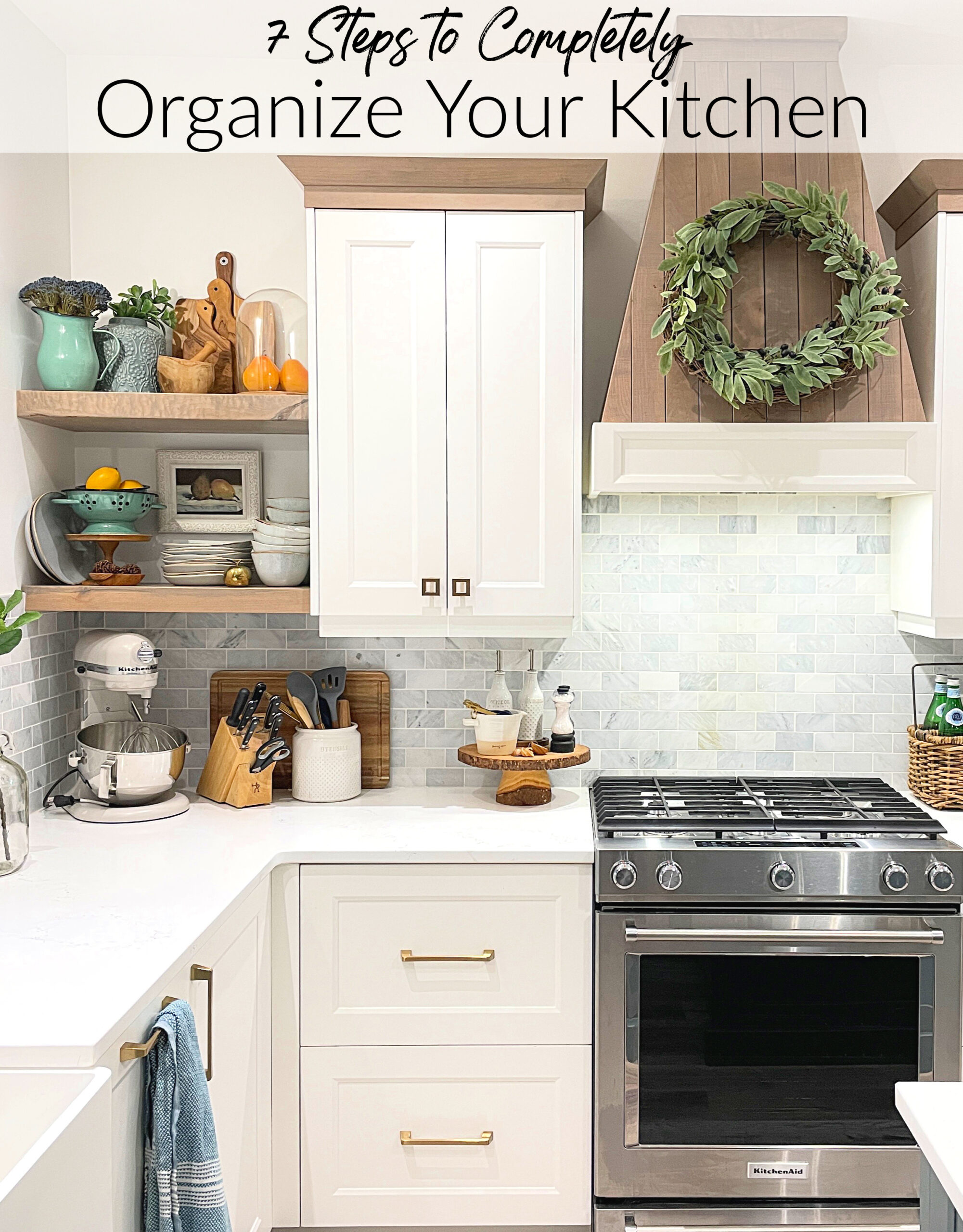
Display Open Shelving
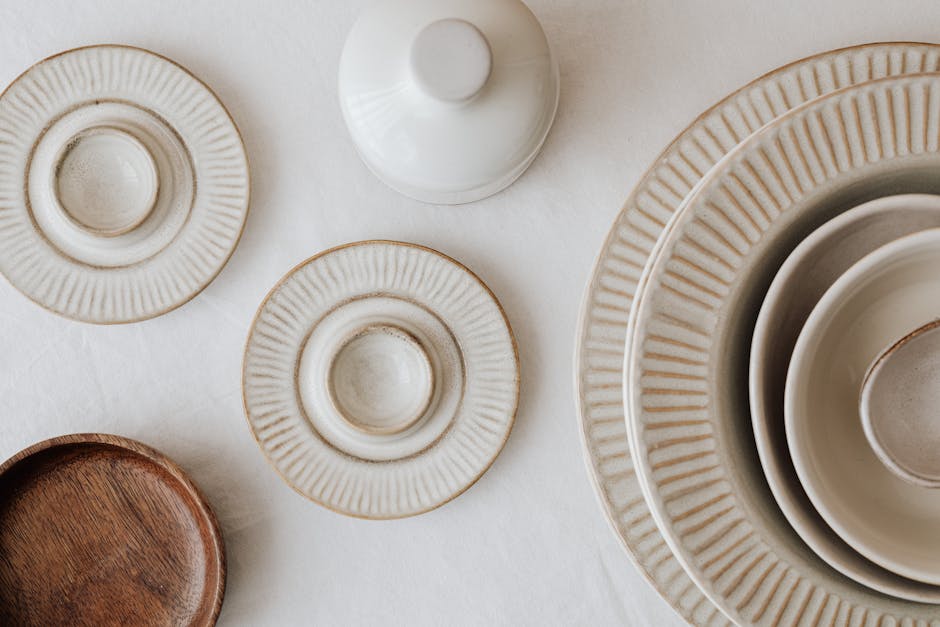
Open shelving offers both storage and style. Display your favorite dishes and glassware. Arrange items by color or size for a tidy look. Use shelves to showcase unique cookware or utensils. Ensure shelves are sturdy and well-maintained for safety. This keeps your kitchen looking fresh and organized.
Add Personal Touches
Personal touches make your kitchen feel like home. Display family photos or art you love. Add plants for a touch of nature and freshness. Incorporate heirlooms or souvenirs for a personal touch. Choose decor that reflects your taste and personality. This makes your kitchen truly yours.
Maintain Organization
Set up your kitchen with clear zones for cooking, cleaning, and storage. Use labels to easily find items. Keep everyday tools and utensils within reach for quick access. Consider drawer dividers and shelf organizers to maximize space. Stay consistent with your organization for a clutter-free kitchen.
Maintaining an organized kitchen can simplify your daily routine. It prevents clutter and ensures a smooth cooking process. Consistent efforts lead to a tidy and efficient kitchen space. This guide will help you keep your kitchen organized. Here’s how to maintain that order effectively.
Regular Cleanouts
Regular cleanouts help maintain a clutter-free kitchen. Schedule time each month to sort through pantry items. Check expiration dates and discard expired products. Regularly clean out your fridge to remove spoiled food. This prevents unpleasant odors and keeps your fridge fresh. Organize the shelves after cleaning. Group similar items together for easy access.
Adopt Consistent Practices
Adopt consistent practices to keep your kitchen orderly. Always return items to their designated spots after use. This simple habit saves time and reduces stress. Label containers to identify contents quickly. Use clear containers to easily see what's inside. This prevents buying duplicates and wasting food. Consistency ensures your kitchen stays organized.
Involve Family Members
Involve family members in maintaining kitchen organization. Assign simple tasks to each person. Teach them where items belong and encourage them to help. Children can assist with sorting and labeling. This creates a sense of responsibility and teamwork. Family involvement ensures everyone respects the organized space. It makes maintaining order easier and more enjoyable for all.
:max_bytes(150000):strip_icc()/cropGettyImages-532882962-359e7510c2f64c5c9661f77cfd6f0aa4-7b3b19a4a0ed4f699415d87d4a357cf0.jpg)
Credit: www.southernliving.com
Frequently Asked Questions
How Do I Start Organizing My Kitchen?
Begin by decluttering your kitchen. Remove items you rarely use and categorize essentials. Create dedicated zones for cooking, prepping, and storage. Utilize shelves, drawers, and containers to maximize space. Regularly evaluate and adjust your organization system to ensure it meets your needs and enhances efficiency.
What Are Essential Kitchen Setup Tips?
Start with a functional layout. Keep frequently used items within reach and store similar items together. Invest in quality storage solutions like racks or bins. Maintain a clean, clutter-free countertop for easy meal prep. Regularly reassess your setup to adapt to changing needs or preferences.
How Can I Maximize Kitchen Storage?
Use vertical space with shelves and hooks. Opt for stackable containers and nesting bowls. Implement drawer dividers for utensils and cutlery. Consider pull-out cabinets or lazy Susans for hard-to-reach areas. Regularly purge and reorganize to ensure optimal use of your storage capacity.
What Items Should Be In Every Kitchen?
Every kitchen should have essential tools like knives, cutting boards, and cookware. Include measuring cups, spoons, and mixing bowls. Stock staple ingredients like spices, oils, and grains. Ensure you have cleaning supplies for maintenance. Tailor your essentials to match your cooking habits and preferences.
Conclusion
Transforming your kitchen into a functional space is achievable. Start small, focus on daily needs. Label containers and use shelves wisely. Keep counters clear for cooking ease. Store items close to where you use them most. Regularly declutter to maintain order.
Make cleaning a habit. This keeps your kitchen tidy and ready for use. Remember, organization is a journey, not a one-time task. Small changes lead to big results over time. Enjoy the process and the rewards it brings. You’ll find cooking more enjoyable and efficient with an organized kitchen.