Are you tired of rummaging through cluttered kitchen cabinets and drawers, only to end up frustrated and unable to find what you need? You’re not alone.
A disorganized kitchen can make meal prep stressful and time-consuming. Imagine opening a cabinet and immediately spotting the spice jar you need or reaching into a drawer and grabbing the exact utensil without a second thought. Sounds like a dream, right?
Well, it doesn’t have to be. With the right strategies, you can transform your kitchen into a neat, efficient space that sparks joy every time you cook. In this blog post, we’ll guide you through a video that will show you step-by-step how to organize your kitchen cabinets and drawers, turning chaos into calm. Dive in to discover how you can make your kitchen work for you, not against you.
Credit: www.loveandrenovations.com
Decluttering Essentials
Organizing your kitchen can feel overwhelming. But a well-organized space makes cooking enjoyable. The first step in this transformation is decluttering. Decluttering helps create space and order. It ensures you keep only what you need. This process paves the way for a more functional kitchen.
Sorting And Purging Unneeded Items
Start by emptying your cabinets and drawers. Look at each item carefully. Ask yourself if it's truly needed. Separate items into categories. Keep, donate, recycle, or toss. Be honest about what you use regularly. Purging unneeded items frees up space. It simplifies your kitchen routine.
Donating And Recycling Options
Consider donating items in good condition. Many local charities accept kitchenware. This helps others while reducing waste. For items beyond use, explore recycling options. Many cities offer recycling programs for metals and plastics. Check local guidelines for proper disposal. This ensures items are handled responsibly.
Zoning Your Kitchen
Organizing your kitchen cabinets and drawers can be a daunting task, but zoning your kitchen can make a world of difference. By defining specific areas for different tasks, you can streamline your cooking process and make your kitchen more efficient. Have you ever wondered why certain spaces in your kitchen feel cluttered while others seem underutilized? Let’s dive into how zoning can transform your cooking space.
Creating Functional Areas
Start by identifying the tasks you perform most often in your kitchen. Cooking, baking, and prepping are common activities that need dedicated spaces. Consider dedicating a section of your kitchen to each task.
For instance, if you bake frequently, allocate a cabinet for baking supplies like flour, sugar, and mixing bowls. You might find it helpful to keep these near your oven or countertop where you usually mix ingredients. Have you ever noticed how much easier it is to work when everything is within reach?
Think about where you chop vegetables or marinate meat. Keep knives, cutting boards, and spices close to that area. This not only saves time but also keeps your kitchen organized and tidy.
Determining High Traffic Zones
High traffic zones are the areas in your kitchen where you spend the most time. These are usually around the stove, sink, and refrigerator. Pay attention to these areas when zoning your kitchen.
What if you placed frequently used items like pots, pans, and utensils near your stove? This could reduce the need to cross the kitchen every time you cook, making your routine smoother and more efficient.
Similarly, keep cleaning supplies and dishware near the sink. This setup minimizes movement and keeps your workflow uninterrupted. Have you considered how much time you could save by reducing unnecessary trips across your kitchen?
By zoning your kitchen effectively, you not only organize your space but also enhance your cooking experience. Give it a try and see how it changes your daily routine!
Choosing Storage Solutions
Choosing the right storage solutions for your kitchen cabinets and drawers can transform your cooking space into an efficient haven. Imagine easily finding your favorite spatula or spice jar without rummaging through clutter. It's achievable with the right strategies. Let's dive into some practical tips to make the best use of your kitchen storage.
Utilizing Vertical Space
When organizing your kitchen, consider how much unused vertical space you have. Have you ever stacked plates up to the point where they almost topple over? Vertical storage can solve this problem. Install racks or hooks on the inside of cabinet doors. They can hold anything from lids to measuring spoons.
Think about tall containers for items like pasta or cereal. They take up less horizontal space and keep things orderly. A simple tension rod can also work wonders for hanging cleaning supplies or dishcloths underneath the sink.
Incorporating Adjustable Shelving
Adjustable shelving is like a secret weapon in maximizing space. It lets you adapt the height between shelves to fit items comfortably. Have you ever felt frustrated trying to squeeze tall bottles into a short shelf? Adjustable shelves eliminate this hassle.
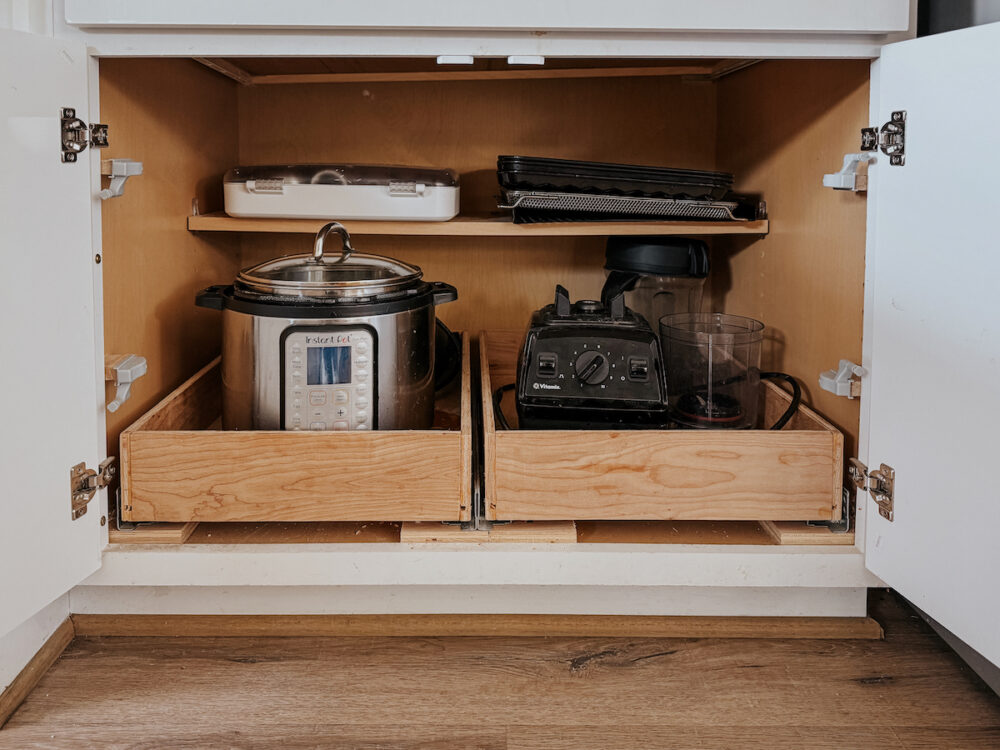
Consider shelves that slide or pull out. They bring items at the back forward, saving you from bending or stretching awkwardly. Imagine how much easier it would be to retrieve pots and pans when you can simply slide the shelf towards you.
What if your needs change over time? Adjustable shelving is flexible and can accommodate new kitchen gadgets or larger quantities of ingredients. It's perfect for a dynamic kitchen setup.
So, how can you make your kitchen cabinets and drawers more functional? Don't overlook the power of vertical space and adjustable shelving. They can turn chaos into calm, making your cooking experience more enjoyable and efficient.

Credit: www.pinterest.com
Organizing Cabinets
Discover the secrets to a tidy kitchen with our video guide on organizing cabinets and drawers. Learn practical tips to maximize space and keep essentials within reach, ensuring a streamlined cooking experience. Transform cluttered storage into an orderly sanctuary effortlessly.
Organizing cabinets can transform your kitchen from a chaotic space into a functional haven. Whether you’re an avid cook or someone who just loves a neat kitchen, having a well-organized cabinet system can make your culinary adventures more enjoyable. Think about opening a cabinet and instantly spotting what you need—no more digging through a mess of pots and pans. Doesn't that sound like a dream? It's time to make it a reality with a few strategic adjustments.
Strategizing Dishware Placement
Start by grouping similar items together. Plates with plates, bowls with bowls, and so on. It saves you time and keeps your cabinet visually appealing. Consider the frequency of use. Place everyday dishware on the lower shelves, where it's easily accessible. Reserve higher shelves for special occasion items you rarely use. Utilize shelf risers to double your storage space. It’s like adding an extra shelf without the hassle of installation. More space means more room for your dishes.
Maximizing Pantry Storage
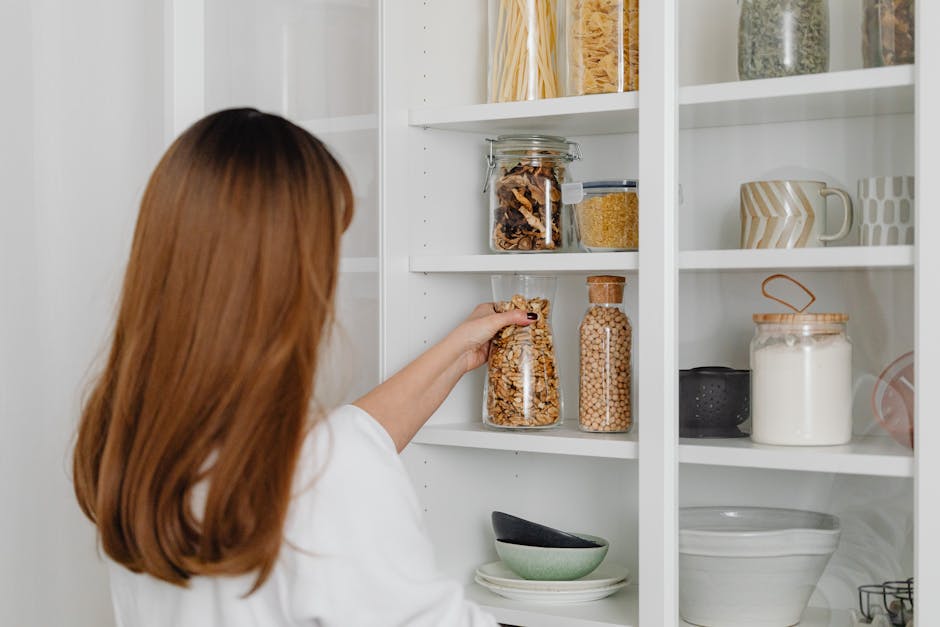
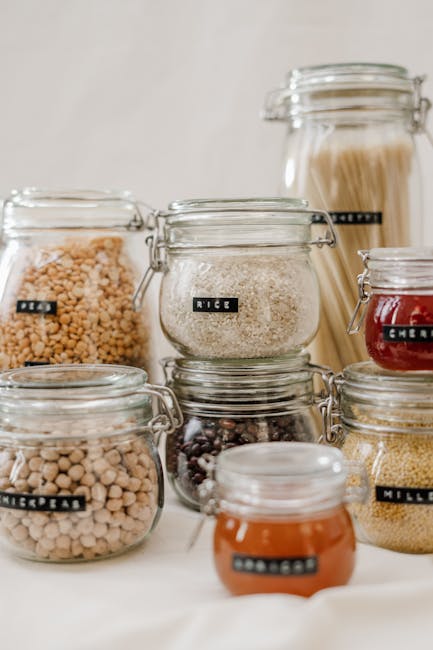
Use clear bins or containers for dry goods. This not only keeps your pantry neat but also lets you see when you're running low on essentials. Label everything. It sounds simple, but it’s effective. Imagine the ease of grabbing a labeled container instead of guessing what's inside. Consider adjustable shelving. It lets you customize your pantry space to fit various item sizes, maximizing every inch. This adaptability can be a game-changer in small kitchens. Have you ever thought about using the back of your cabinet doors? Install hooks or small racks there. It’s perfect for storing lightweight items like measuring spoons or pot lids. By implementing these strategies, you're not just organizing your kitchen; you're enhancing your cooking experience. What changes are you excited to make in your own kitchen?
Arranging Drawers
Arranging drawers in your kitchen can transform cooking experiences. A well-organized drawer makes meal prep efficient and stress-free. With a little effort, you can create a tidy space that saves time. Let's explore how to arrange your kitchen drawers effectively.
Dividing Utensil Compartments
Start with separating your utensils by type and size. Use dividers to create distinct sections. This helps in finding what you need quickly. Purchase adjustable organizers for flexibility. These allow you to modify space as needed. Group similar items together for easy access. Place frequently used tools in front. This minimizes time spent searching.
Optimizing Cutlery Storage
For cutlery, ensure each piece has its spot. Drawer inserts are useful here. They prevent shifting and keep everything neat. Choose inserts that fit your drawer dimensions. Arrange knives, forks, and spoons by size. This makes grabbing them intuitive. Consider safety when storing sharp knives. Use a knife block or magnetic strip inside the drawer. This keeps blades secure and protects fingers.
Labeling And Identification
Discover easy ways to organize your kitchen with our video. Learn labeling techniques for neat cabinets and drawers. Simplify your cooking space efficiently.
Organizing your kitchen cabinets and drawers can feel like a daunting task. But with a little creativity and strategy, it can become an enjoyable project. One of the most effective ways to maintain order is through labeling and identification. This approach not only helps you find items quickly but also makes it easier for everyone in your household to return things to their rightful place. Imagine opening a cabinet and knowing exactly where everything is—sounds amazing, right?
Using Labels For Easy Access
Labels are your best friends when it comes to organizing. They provide clarity and order in a busy kitchen. Use a label maker or even simple sticky notes to tag containers, jars, and shelves. Consider using clear, easy-to-read fonts. Bold text can make labels more visible from a distance. Place labels at eye level or in the most visible part of the container for quick access. This way, you avoid the daily scavenger hunt for that elusive spice or snack.
Color-coding Techniques
Colors can simplify your kitchen organization. Assign specific colors to different categories like baking supplies, snacks, or canned goods. Try using colored bins, baskets, or even colored labels. This method can also be great for distinguishing between children's snacks and general pantry items. Think about how a rainbow of colors could turn your kitchen into a more efficient space. Wouldn't it be easier if you could just reach for the blue bin every time you needed baking items? Labeling and color-coding don’t just make your kitchen look organized—they save you time and stress. It’s a small effort for a big payoff. Why not start today and see how much easier your kitchen routine becomes?
Maintenance Tips
Discover effective strategies to keep your kitchen cabinets and drawers tidy. This video presents practical tips for organizing utensils, pots, and pantry items. Transform your kitchen into a neat, functional space with easy-to-follow steps.
Keeping your kitchen cabinets and drawers organized is not just about the initial setup. It’s about maintaining that order over time. Regular upkeep ensures your kitchen remains a functional and pleasant space. Let's dive into some practical maintenance tips to keep everything in place and make your kitchen a breeze to navigate.
Regular Cleaning Routines
Regular cleaning is crucial to maintaining an organized kitchen. Dust and crumbs can quickly accumulate, so make it a habit to wipe down the shelves and drawers every couple of weeks. Use a gentle cleaner to prevent any damage to the surfaces. Consider emptying one cabinet or drawer each week for a thorough clean. This way, you’re not overwhelmed with a massive cleaning task. Plus, you’ll be able to spot any expired items or things you no longer need. Did you ever find an old spice jar and wonder when you last used it?
Seasonal Reorganization
Seasons change, and so do your cooking habits. Take advantage of this by reorganizing your cabinets and drawers seasonally. As the weather gets colder, you might want to bring your baking supplies to the forefront. During summer, keep your BBQ tools and picnic supplies more accessible. This not only makes your kitchen more efficient but also encourages you to clear out items you haven’t used in a while. Have you ever noticed how a simple reorganization can inspire you to try new recipes? By staying proactive with these maintenance tips, you can ensure your kitchen remains a harmonious and efficient space. What changes can you start implementing today?

Credit: www.amazon.com
Frequently Asked Questions
How Do I Start Organizing Kitchen Cabinets?
Begin by emptying all cabinets and drawers, then sort items by category. Discard anything that's expired or unused. Clean surfaces thoroughly before reorganizing. Consider using organizers like bins, racks, or shelf dividers to maximize space. Ensure frequently used items are accessible, while less-used items can be stored higher up.
What Tools Help In Organizing Kitchen Drawers?
Drawer dividers are essential for separating utensils and tools. Use adjustable organizers for customization. Consider using small bins for grouping similar items, and label them for easy identification. Anti-slip liners can prevent shifting, keeping items neatly in place. Choose clear containers to quickly see contents without opening them.
How Can I Maximize Cabinet Space?
Utilize vertical space with stackable shelves or tiered racks. Install hooks or magnetic strips inside doors for hanging utensils. Use pull-out organizers for deep cabinets to access items easily. Consider lazy Susans for corner cabinets, maximizing visibility and reach. Group items by frequency of use for efficient access.
Should I Use Labels In My Kitchen?
Labels help in quickly identifying contents, reducing time spent searching. They are great for organizing pantry items, spices, and even utensils. Use waterproof labels for durability. You can use label makers for a clean look. Labeling also assists in keeping the kitchen organized long-term, especially in shared spaces.
Conclusion
Organizing kitchen cabinets and drawers is simpler than it seems. Start with decluttering. Keep essentials within easy reach. Use dividers for small items. Label shelves for quick access. Consider clear containers. They help see contents easily. Arrange items by frequency of use.
Store less-used items higher up. Maintain your system regularly. A tidy kitchen saves time and reduces stress. Enjoy a clutter-free cooking space. Happy organizing!