Imagine walking into your kitchen and instantly finding everything you need without the usual rummaging through cluttered drawers or overstuffed cabinets. Sounds like a dream, right?
But it doesn't have to be. By organizing your kitchen for maximum efficiency, you can transform this essential space into a stress-free zone where cooking becomes a joy rather than a chore. You deserve a kitchen that works seamlessly with you, making meal prep quicker, simpler, and more enjoyable.
In this guide, you’ll discover practical tips and clever hacks designed to help you streamline your kitchen setup. Get ready to reclaim your time and energy by learning how to create a space that truly serves your needs. Keep reading to find out how you can make every inch of your kitchen count.
Kitchen Layout Optimization
Organize your kitchen for best efficiency by arranging utensils and appliances within easy reach. This saves time and effort. Keep frequently used items in accessible spots. Use shelves and drawers smartly to maximize space and maintain a clutter-free environment.
Optimizing your kitchen layout can transform your cooking experience from chaotic to seamless. A well-organized kitchen not only saves time but also makes cooking more enjoyable. Imagine preparing meals with ease, everything within reach, and no unnecessary movements. Let’s explore two key aspects of kitchen layout optimization: the Work Triangle Concept and Zoning for Efficiency.
Work Triangle Concept
The work triangle is a classic kitchen design principle that enhances efficiency. It connects the three main work areas: the stove, refrigerator, and sink. These should form a triangle with each side measuring between 4 to 9 feet. This setup minimizes movement and maximizes convenience. Think about how often you move between these areas. Is there a clear path, or do you find yourself dodging obstacles? Adjusting your layout to fit the work triangle can significantly reduce unnecessary steps. This can be especially helpful during busy meal prep times. Imagine preparing dinner and seamlessly moving between chopping veggies at the sink, cooking them on the stove, and grabbing ingredients from the fridge. The work triangle makes this flow natural and efficient.
Zoning For Efficiency
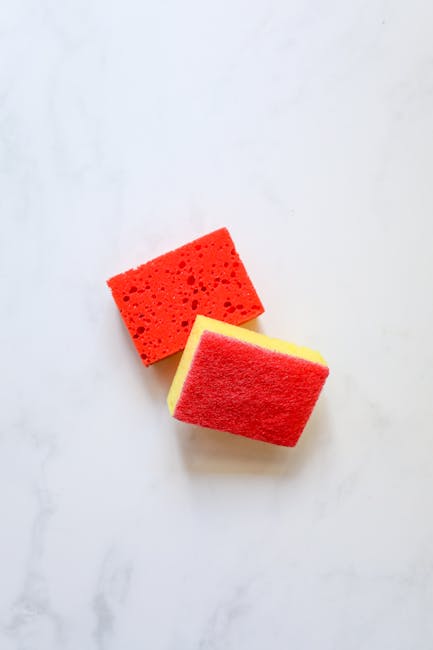
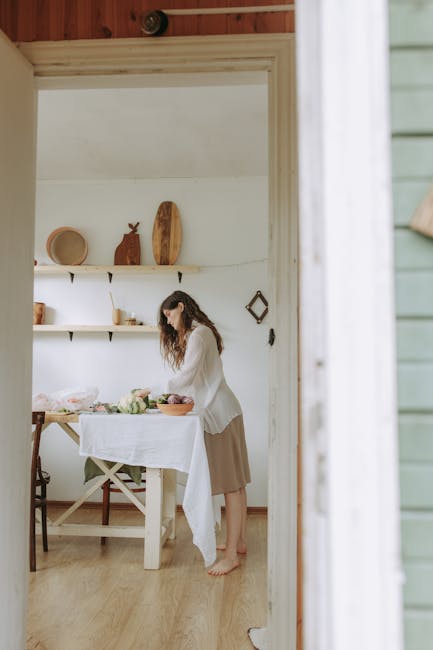
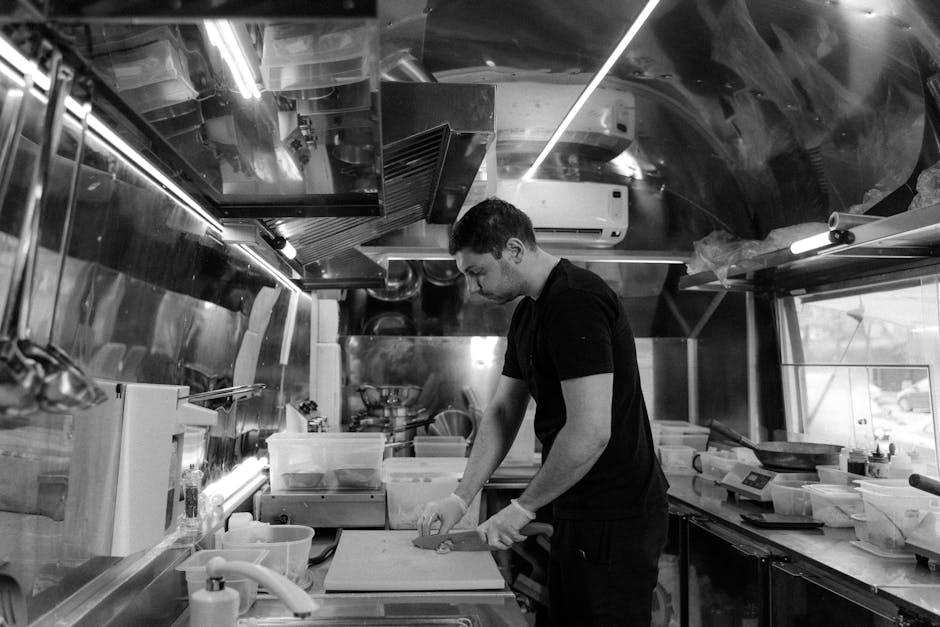
Zoning is about creating specific areas for different tasks. It ensures everything you need is within arm's reach. Consider dividing your kitchen into zones like prep, cooking, and cleaning. In the prep zone, keep knives, cutting boards, and mixing bowls. Near the stove, store pots, pans, and utensils. Next to the sink, place dish soap and sponges. This strategic placement reduces time spent searching for tools. Have you ever noticed how much time you waste looking for spices or a particular utensil? By organizing your kitchen into zones, you can avoid this frustration. It’s about having everything ready at your fingertips when you need it. Ask yourself: Is your kitchen designed to support your cooking habits? If not, small changes in layout can lead to big improvements in efficiency. Take a moment to assess your space. You might be surprised at the difference a few tweaks can make.
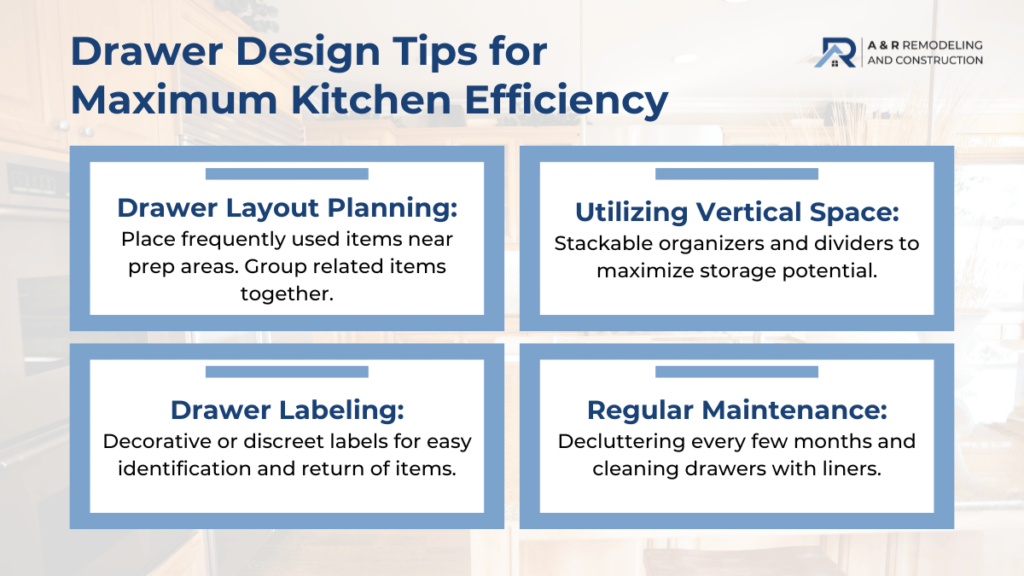
Credit: arbuildnc.com
Decluttering Strategies
Organizing your kitchen efficiently starts with decluttering. A clutter-free kitchen enhances functionality and eases your daily routines. Decluttering helps you identify what you really need, making space for essentials. By adopting effective strategies, you can transform your kitchen into a streamlined space. This section will explore how to purge unnecessary items and utilize smart storage solutions.
Purge Unnecessary Items
Start by examining every item in your kitchen. Ask yourself if it serves a purpose. Remove broken or duplicate utensils and gadgets. Donate items you haven't used in a year. This creates more space for essentials. Simplify your cooking space by keeping only what you need.
Smart Storage Solutions
Utilize vertical space with shelving units. Stackable containers are perfect for organizing pantry items. Use drawer dividers to separate utensils. Hang pots and pans to free up cupboard space. Label containers for easy identification. These solutions maximize space and enhance accessibility.
Efficient Cabinet Use
Efficient cabinet use is essential in creating a well-organized kitchen. Properly managed cabinets can save time and reduce clutter. With smart organization, every item finds its place, enhancing kitchen efficiency.
Adjustable Shelving
Adjustable shelving offers flexibility in storing kitchen items. You can modify the height to fit tall and short items. This customization maximizes space and keeps items accessible. It helps to store pots, pans, or tall bottles neatly.
Organize shelves based on usage frequency. Place often-used items at eye level. Less-used items can go on higher or lower shelves. This saves time during meal preparation.
Utilizing Cabinet Doors
Cabinet doors offer hidden storage opportunities. Attach hooks or racks inside the doors. They can hold utensils, towels, or lightweight items. This keeps counters clear and tidy.
Magnetic strips can hold knives or metal tools on doors. This is safe and efficient. It frees up drawer space. Consider installing small shelves or baskets for spices or small containers. These additions make accessing items quick and easy.
Countertop Organization
Efficient kitchen organization begins with a well-arranged countertop. A tidy countertop boosts productivity and creates a welcoming space. It reduces stress and makes cooking enjoyable. Smart organization ensures everything is within reach. This saves time and effort. Let's explore practical ways to achieve this.
Minimizing Counter Clutter
Start by clearing unnecessary items from your countertops. Remove things you rarely use. Store them in cabinets or drawers. A clear counter opens up space. It makes your kitchen feel bigger and cleaner. Keep only what you use daily. This keeps the counter neat and functional.
Essential Tools Only
Identify tools essential for your cooking routine. Place them within easy reach. Keep frequently used items like a cutting board or knife block on the counter. Store the rest away. This ensures you have what you need. Without crowding the space. A coffee maker or toaster might earn a spot if used daily. Keep everything else stored neatly.
Smart Appliance Placement
Smart appliance placement in the kitchen enhances efficiency and convenience. Proper organization can save you time and effort during meal preparations. Strategic placement of appliances can transform your cooking space into a functional haven. Let's explore how to make the best use of your kitchen by considering the placement of frequently used appliances and their power outlet accessibility.
Frequently Used Appliances
Place frequently used appliances within easy reach. Consider how often you use each item. For example, keep the toaster near the breakfast area. Position the coffee maker close to the mugs and coffee supplies. This setup reduces unnecessary movement and saves time. Store rarely used appliances in higher cabinets or less accessible areas. This frees up space for items you use daily.
Power Outlet Accessibility
Ensure appliances are near available power outlets. Avoid cluttered counters by using extension cords sparingly. Check the cord length of each appliance. Short cords require proximity to outlets. Rearrange kitchen furniture if necessary to optimize power access. This prevents tangled cords and maintains a neat appearance. Safety is important, so avoid overloading outlets.
Credit: ironmountainrefrigeration.com
Pantry Management
Pantry management is key to a well-organized kitchen. It ensures food items are easy to find and use. A neatly managed pantry can save time and reduce waste. By organizing your pantry, cooking becomes more efficient. You also make meal planning simpler. Let's explore effective pantry management strategies.
Categorizing Food Items
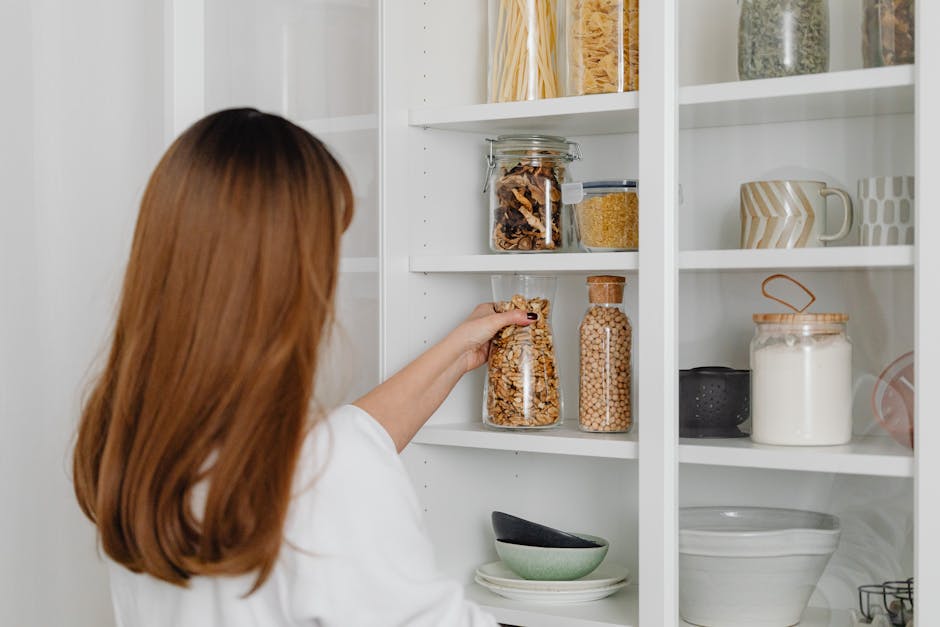
Start by grouping similar items together. Place canned goods on one shelf. Store dry goods like pasta and rice in another section. Keep snacks in a separate area. This system helps you see what you have. It reduces duplicate purchases. Use clear containers for loose items. Label them for quick identification.
Fifo System
Use the FIFO system for freshness. FIFO stands for First In, First Out. Place new items behind older ones. This ensures you use older items first. It prevents food from expiring unnoticed. Regularly check expiration dates. Rotate items to keep the pantry organized.
Labeling And Containers
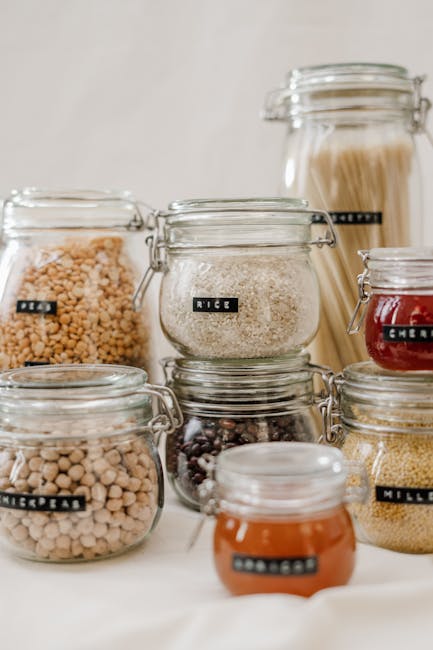
Efficient kitchen organization starts with labeling containers. Clear labels help quickly identify ingredients. Use uniform containers to maximize space and keep countertops tidy.
Organizing your kitchen can transform how you prepare meals and enjoy cooking. One of the simplest yet most effective ways to boost your kitchen's efficiency is through labeling and using the right containers. These strategies not only save time but also keep your kitchen tidy and visually appealing. Let's explore how clear containers and effective labeling techniques can make a real difference in your culinary space.
Clear Containers
Clear containers are a game-changer for kitchen organization. They allow you to see what you have at a glance, reducing the time spent searching for ingredients. Imagine opening your pantry and instantly locating the bag of rice or the jar of pasta without rummaging through stacks of opaque boxes. Using clear containers also helps you track your inventory. You can quickly notice when you're running low on essentials like flour or sugar. This visibility can prevent those last-minute grocery store trips when you're halfway through baking a cake. Moreover, clear containers create a uniform look that can make your pantry feel more organized. A friend of mine once switched to clear containers and was amazed at how much cleaner and more spacious her shelves appeared. Have you considered how much more enjoyable cooking could be if your ingredients were always easy to find?
Effective Labeling Techniques
Labeling is crucial for maintaining order in your kitchen. When every container has a label, you spend less time guessing what's inside. This is especially helpful when multiple family members use the kitchen, ensuring everyone knows where to find and return items. There are various labeling techniques you can use. Sticky labels are simple and effective, but they can peel off over time. Chalkboard labels offer a stylish and reusable option, allowing you to change the contents without hassle. Or you could use a label maker for a clean and professional look. Think about the placement of your labels too. Place them where they're easily visible, even when containers are stacked. Some people like to use labels on the top and front of containers for maximum visibility. What strategy would work best for your kitchen's layout and your family's needs? Incorporating clear containers and effective labeling techniques can transform your kitchen into a more efficient and enjoyable space. These small changes can lead to significant improvements in your daily cooking experience. What will you try first to enhance your kitchen's organization?
Maintaining Organization
Organizing your kitchen boosts efficiency and saves time. Arrange items by frequency of use for easy access. Label containers and utilize vertical space with shelves to maximize storage.
Maintaining a well-organized kitchen is the cornerstone of efficiency. It saves you time, reduces stress, and makes meal preparation a breeze. But how do you ensure that your kitchen stays organized over time?
Regular Cleanouts
Regularly cleaning out your kitchen is crucial. Set aside time each month to go through your pantry, fridge, and cabinets. Discard expired items and donate non-perishables you haven’t used in a while. Consider this: Is your kitchen cluttered with gadgets you never use? A friend once realized she had three can openers but only used one. She decluttered, and suddenly her kitchen felt twice as spacious. Make it a habit to check your spices and condiments. Are there duplicates? Are some past their prime? A simple cleanout can make your kitchen feel fresh and functional.
Routine Checks
Routine checks help you maintain order without feeling overwhelmed. Develop a weekly checklist to ensure everything is in its place. Ask yourself, is your kitchen layout still working for you? Sometimes, a small tweak can enhance efficiency. Moving your coffee mugs closer to the coffee machine might save you time each morning. Organize your kitchen tools based on use. Keep frequently used items within arm's reach and store seasonal items elsewhere. This ensures you're not constantly rummaging through drawers. Remember, maintaining organization is an ongoing process. How you choose to tackle it can make all the difference in creating a kitchen that serves your needs seamlessly.

Credit: www.instagram.com
Frequently Asked Questions
How Do I Start Organizing My Kitchen?
Begin by decluttering and removing items you no longer use. Group similar items together for easy access. Arrange frequently used items within arm's reach. Use labeled containers and baskets to keep the kitchen tidy. Regularly reassess the organization to maintain efficiency.
What Are Essential Kitchen Organization Tools?
Use drawer dividers to keep utensils sorted and easily accessible. Shelving systems maximize vertical space for storing pots and pans. Clear containers help identify contents quickly. Magnetic knife strips save counter space. Lazy Susans are ideal for organizing spices and condiments.
How Can I Maximize Small Kitchen Space?
Utilize wall-mounted racks for pots and pans. Install hooks for hanging mugs and utensils. Use stackable shelves to increase storage capacity. Employ pull-out organizers in cabinets for easy access. Opt for foldable or extendable tables to save space.
What's The Best Way To Organize Pantry Items?
Group items by category, such as canned goods or baking supplies. Use airtight containers to preserve freshness. Label shelves and containers for quick identification. Place frequently used items at eye level. Rotate older items to the front to avoid waste.
Conclusion
An organized kitchen makes life simpler. It saves time. Reduces stress. Cooking becomes enjoyable. Begin with decluttering. Keep only essentials on counters. Use labeled containers for easy access. Arrange items by frequency of use. Store pots near the stove. Keep spices close at hand.
Group similar items together. Regularly clean and maintain order. Stay consistent with your system. Small changes lead to big results. Enjoy a more efficient kitchen. Prepare meals with ease. Experience a smoother daily routine. Create a space that works for you.
Efficient and tidy. Your kitchen, your sanctuary.