
Imagine walking into your kitchen and immediately knowing where everything is. No more rummaging through drawers, no more frantic searches for that elusive spatula, just pure, blissful order.
Sounds like a dream, right? Well, it doesn't have to be. Organizing your kitchen map can transform this dream into reality. It's all about creating a space where everything has its place, and every meal prep feels like a breeze.
This guide will show you how to do just that. By the end, you'll not only have a kitchen that looks good but also works efficiently. Ready to turn chaos into calm and make cooking a joy? Let's dive in.
:max_bytes(150000):strip_icc()/how-to-organize-a-pantry-5084918_hero-88beeeb199da4658ae6deeac33ae0f35.jpg)
Credit: www.thespruce.com
Declutter First
Start with clearing out unnecessary items. Create a clean space to begin organizing your kitchen map. Use labels and bins to categorize ingredients, utensils, and cookware. This method saves time and enhances functionality in your kitchen.
Organizing your kitchen can seem like a daunting task. However, starting with decluttering can transform this chore into a manageable and even enjoyable process. By clearing out unnecessary items, you’ll not only create more space but also make your kitchen more functional and efficient. Imagine opening a drawer and finding exactly what you need without sifting through a pile of unused gadgets. Ready to start? Let’s dive into the art of decluttering.
Identify Unnecessary Items
Begin by taking a good look at your kitchen. Identify items you haven't used in the last six months. These are likely taking up valuable space. Consider that pasta maker you bought years ago but never used. Or the stack of mismatched plastic containers missing their lids. Are they really serving a purpose in your kitchen? The key is to be honest with yourself. Do you need three vegetable peelers? Or ten coffee mugs when you only use your favorite two?
Donate Or Discard
Once you’ve identified the items you no longer need, decide which ones can be donated. Many items, like gently used pots or extra utensils, can find new homes through local charities or community centers. Donating can also give you a sense of satisfaction, knowing your items will benefit someone else. For items that are damaged or beyond use, it’s time to discard them. Broken appliances or chipped plates are clutter that can be recycled or tossed. Think about the space you’ll gain by letting go of things you never use. Imagine how much simpler it will be to access the items you do use every day. As you declutter, keep asking yourself: Does this item deserve a spot in my kitchen? This mindset will guide you toward a more organized and efficient kitchen map. Embrace the process and enjoy the newfound space and clarity in your kitchen. What will you do with all this new room? The possibilities are endless.
Zoning Your Kitchen
Organizing your kitchen efficiently can transform your cooking experience from chaotic to seamless. Imagine knowing exactly where to find that spatula when your pasta is bubbling over. Zoning your kitchen means creating dedicated areas for different tasks, allowing you to move swiftly and smoothly. You can save time, reduce stress, and even enjoy cooking more by having everything you need within arm's reach.
Cooking Zone Essentials
Your cooking zone should be the heart of your kitchen. It's where the magic happens. Keep your stove, oven, and essential cooking tools nearby for quick access. Consider storing pots and pans in cabinets right next to the stove. Hang frequently used utensils like spatulas and ladles on hooks above the counter. It’s like having your own personal sous chef!
Think about the last time you cooked a big meal. Did you have to search for that specific pot or pan? Arrange your cooking zone so that these essentials are easy to grab. You'll thank yourself later.
Prep Zone Tools
The prep zone is where you get your hands dirty. It's where you chop, mix, and measure. Keep cutting boards, knives, and mixing bowls in this area. Store spices, oils, and measuring cups within arm's reach. Use drawer dividers to organize smaller items like peelers and graters.
Ever tried to make a salad and found yourself running back and forth across the kitchen? A well-organized prep zone can make your cooking process smoother and more enjoyable. Why not make life simpler by clustering these tools together?
Cleaning Zone Supplies
The cleaning zone can often be overlooked but is crucial for maintaining order. Position your sink, dishwasher, and trash bin close together. Store dish soap, sponges, and cleaning sprays under the sink. Keep a small bucket for compost if you’re into eco-friendly habits.
Remember the last time you finished cooking and faced a mountain of dishes? Having cleaning supplies readily available makes cleanup less daunting. Wouldn't it be nice to tackle that mess efficiently?
By zoning your kitchen, you create harmony and efficiency, making every cooking session less of a chore and more of a pleasure. With each zone clearly defined, you can spend less time searching and more time savoring your culinary creations.
Optimizing Cabinet Space
Optimizing cabinet space can transform your kitchen into a more functional area. Maximizing every inch helps reduce clutter, making it easier to find items. Whether your kitchen is large or small, smart organization is key.
Use Shelf Risers
Shelf risers are perfect for creating extra storage space. They elevate items, allowing you to use the vertical space in your cabinets. This simple tool helps store plates, bowls, and mugs in a neat manner. You can see all your items without digging through stacks.
Install Pull-out Drawers
Pull-out drawers offer easy access to items at the back of the cabinet. They slide out smoothly, saving you from stretching or bending. These drawers are ideal for storing pots, pans, and baking sheets. They keep your kitchen organized and items at your fingertips.
Efficient Use Of Drawers
Organizing your kitchen drawers can make cooking a breeze. Efficient use of drawers ensures everything has a place, reducing clutter. It saves time, making meal prep more enjoyable. A well-organized drawer means less searching and more cooking. Let's dive into strategies for using drawers efficiently.
Divide And Conquer
Start by sorting items in your drawer. Group similar items together. Use dividers to create sections. This keeps utensils from tangling. Small baskets can hold packets or loose items. Clear bins work well for visibility. Adjust dividers to fit your needs. It makes accessing items easy and quick.
Label For Ease
Labels add clarity to your kitchen organization. They help everyone find things easily. Use simple words or icons for labels. Stick them on the front of bins or drawer edges. This helps identify contents at a glance. Avoid overcomplicating labels. Keep them clear and concise. Labeling reduces the guesswork in finding items.
Maximizing Counter Space
Organizing your kitchen map effectively helps maximize counter space. Use vertical storage, hang utensils, and stack items neatly. Keep frequently used items within reach to enhance efficiency and maintain a tidy environment.
Maximizing counter space in your kitchen can transform your cooking experience. A cluttered counter not only looks untidy but also makes meal preparation a hassle. By employing smart storage solutions and minimizing countertop clutter, you can create a more efficient and enjoyable environment for your culinary adventures. Let's delve into two effective strategies to maximize your counter space.
Use Wall Storage Solutions
Walls are often overlooked as storage spaces in kitchens. Consider installing floating shelves to store your spices, cookbooks, or even small plants. They keep essentials within reach and free up valuable counter space. Pegboards are another great option. Hang utensils, pots, and pans on them. This keeps your most-used items visible and easy to grab, while also clearing your counters. Magnetic strips are perfect for storing knives safely. They free up drawer space and keep your knives easily accessible. You'll wonder why you didn't try this sooner!
Limit Countertop Appliances
Do you really need all those appliances out on the counter? Limiting countertop appliances is a simple yet effective way to gain more space. Think critically about which ones you use daily. Store less frequently used appliances in cabinets. This clears counters and makes your kitchen look tidy and spacious. Consider multifunctional appliances. A blender that also chops or a toaster oven that bakes can replace several other devices. This reduces clutter and maximizes functionality. What changes can you make today to optimize your kitchen counters? By taking small steps, you can create a more inviting and efficient cooking space.
Smart Storage Solutions
Organizing your kitchen can transform your cooking experience. Smart storage solutions maximize space. They also make your kitchen more efficient. You can access items quickly and easily. This reduces stress and saves time.
Smart storage involves making the most of every corner. Every shelf and drawer should serve a purpose. Let’s explore some clever ideas to enhance your kitchen's functionality.
Utilize Vertical Space
Vertical space often goes unnoticed in kitchens. Tall shelves can store rarely used items. Use wall-mounted racks for pots, pans, and utensils. This frees up counter space.
Install hooks under cabinets for mugs. Keep measuring cups and spoons within reach. This adds style and convenience to your kitchen. Vertical storage keeps surfaces clutter-free and organized.
Incorporate Lazy Susans
Lazy Susans are a great addition to any kitchen. They work well in corner cabinets. Store spices, oils, and sauces on them. This makes everything accessible with a simple spin.
You can use them in the fridge too. Place them on shelves to organize jars and bottles. This prevents items from getting lost in the back. Lazy Susans make finding ingredients easy and quick.
Pantry Organization
Organizing your pantry can transform your kitchen into a space of efficiency and ease. Imagine opening the pantry door and knowing exactly where to find what you need. It’s not just about tidying up; it’s about creating a system that works for you and your lifestyle. Whether you have a spacious walk-in pantry or a small cupboard, strategic organization can save you time and frustration. Let’s dive into some practical tips to get your pantry in order.
Group Similar Items
Start by grouping similar items together. Think about how you use your pantry and what makes sense for your cooking habits. Store grains like rice, pasta, and quinoa in one section. Keep snacks like crackers, chips, and nuts in another. This way, you can grab ingredients quickly without rummaging through everything.
Consider the frequency of use. Are there items you reach for more often? Place those at eye level or in easily accessible spots. Less-used items can go on higher or lower shelves. This simple strategy can make meal prep a breeze.
Use Clear Containers
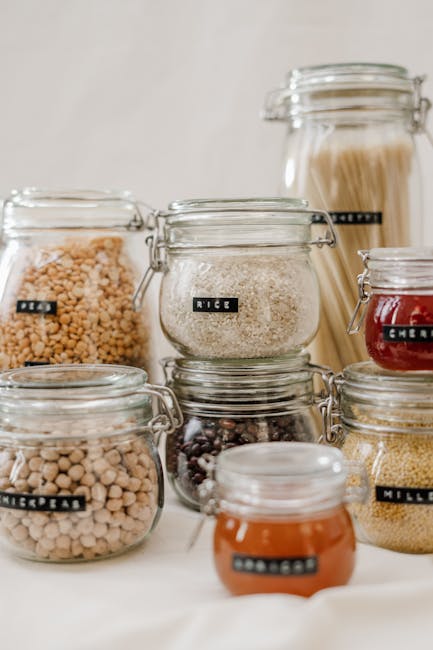
Using clear containers can be a game-changer for pantry organization. They not only give a neat appearance but also allow you to see exactly what you have. No more guessing if you have enough flour for a recipe or discovering that your cereal stash has dwindled.
Opt for stackable containers to maximize space. Label each container to avoid any mix-ups. This approach helps maintain order and can prevent expired products from lurking unnoticed. Investing in quality containers pays off in the long run.
Have you ever found yourself buying duplicates because you couldn’t see what was hiding at the back? Clear containers can solve this problem. It’s a small change with a big impact.
Think about your pantry organization. Are you using these strategies? What’s holding you back from achieving a clutter-free space? Take a step towards a more organized kitchen today.
Credit: myspacematters.com
Refrigerator Order
Arranging your kitchen begins with organizing your refrigerator. Place fruits and vegetables in separate drawers. Keep dairy on middle shelves for easy access. Store meats on the bottom shelf to prevent drips. Make use of door shelves for condiments and drinks.
Having a well-organized refrigerator can save you time, reduce food waste, and make meal preparation much more enjoyable. It’s not just about keeping things tidy; it's about creating a system that works for you and your family. By organizing your fridge efficiently, you'll always know where everything is, which can make cooking and grocery shopping a breeze.
Designate Sections
Assign specific areas of your fridge for different types of food. Place dairy products on one shelf, meats on another, and fruits and vegetables in their respective bins. This way, you'll quickly grab what you need without rummaging through everything. Consider using clear bins or containers to group similar items together. It helps in keeping things orderly and makes it easier to spot what you’re running low on. Having a designated spot for leftovers can also remind you to use them before they spoil. Think about the fridge door as well. Use it for condiments and items that are less perishable since it's the warmest part of the fridge. Have you ever wondered why your milk spoils faster? It might be because it’s stored on the door instead of the main shelf.
Regularly Clean Out
Make it a habit to clean out your fridge once a week. Check expiration dates and throw out anything that’s past its prime. This practice not only keeps your fridge fresh but also prevents unpleasant odors. While cleaning, wipe down shelves and drawers with a mild cleaning solution. It keeps bacteria at bay and maintains a hygienic environment for your food. Imagine opening your fridge to find it spotless and organized—wouldn't that be satisfying? Set aside time during your weekly meal prep to tidy up the fridge. It’s a small task with huge benefits. You’ll find it easier to plan meals and make grocery lists when you know exactly what you have.
Maintaining Your Kitchen Map
Maintaining your kitchen map is essential for a well-organized space. A kitchen map helps you know where everything belongs. It saves time and effort during cooking. Keep it updated to ensure efficiency in daily tasks. This guide will help you maintain your kitchen map effectively.
Regular Check-ins
Schedule regular check-ins to review your kitchen map. Set a reminder on your calendar every month. During these check-ins, evaluate each area of your kitchen. Ensure that items are in their designated places. Check for misplaced or unused items. A consistent review keeps your kitchen organized and functional.
Adjust As Needed
Sometimes adjustments are necessary. You might buy new kitchen tools or appliances. Find the best spot for them in your kitchen map. Rearrange items to make room for new additions. If something isn't working, change it. Flexibility is key to a well-maintained kitchen map.
Credit: www.reddit.com
Frequently Asked Questions
How To Start Organizing A Kitchen Map?
Begin by assessing your kitchen layout and identifying key zones. Categorize areas for cooking, prepping, and storage. This helps streamline tasks and improve efficiency. Consider accessibility and prioritize frequently used items. Sketch a rough map to visualize your plan, ensuring it suits your daily cooking routine and enhances functionality.
What Are Essential Kitchen Zones?
Essential kitchen zones include cooking, prepping, cleaning, and storage areas. Cooking involves stove and oven spaces; prepping includes countertops and cutting areas. Cleaning zones revolve around the sink and dishwasher. Storage areas house pantry items, utensils, and cookware. Properly defining these zones aids in efficient kitchen organization.
How Do I Optimize Kitchen Storage?
Maximize kitchen storage by using vertical space and organizing shelves. Install pull-out racks and baskets for easy access. Utilize drawer dividers and cabinet organizers to keep items tidy. Store frequently used utensils within reach. Label containers for quick identification, ensuring a clutter-free and accessible kitchen environment.
Why Is A Kitchen Map Important?
A kitchen map is crucial for efficient cooking and organization. It helps visualize space usage and enhances workflow. A well-planned map reduces time spent searching for items. It also ensures logical placement of utensils, contributing to a stress-free cooking experience and better kitchen management.
Conclusion
Organizing your kitchen map creates a smooth cooking experience. Focus on what you use most. Place items where they are easy to reach. Keep counters clean for more space. Use clear containers for spices and grains. Label shelves for quick access.
Hang pots and pans to save room. Group similar items together. Avoid clutter by removing unused items. A well-organized kitchen saves time and effort. Enjoy the ease of finding everything quickly. Cooking becomes more enjoyable. Embrace the simplicity of a tidy space.
Transform your kitchen into a practical, welcoming area.