Do you ever feel like your kitchen has a mind of its own? Like no matter how hard you try, it refuses to stay organized?
If you're nodding your head, you're not alone. A disorganized kitchen can make cooking stressful and meal prep chaotic. But here's the good news: transforming your kitchen from cluttered to calm doesn't have to be overwhelming. Imagine opening a drawer and finding exactly what you need, or reaching for a pot without a mini avalanche of lids.
Sounds dreamy, right? In this guide, we'll show you simple, effective ways to organize your kitchen, even if you're naturally disorganized. Stick with us, and soon, you'll enjoy a kitchen that works with you, not against you. Ready to make cooking fun again? Let's dive in!
Assessing Your Space
Start by evaluating the space in your kitchen. Identify cluttered areas that need immediate attention. Focus on simplifying storage solutions to make everything easily accessible and organized.
Organizing your kitchen can feel daunting, especially when chaos reigns supreme. Before diving into arranging pots and pans, it's crucial to understand your space first. Assessing your kitchen’s layout, identifying problem areas, and measuring for potential solutions can make the difference between a cluttered nightmare and a harmonious cooking haven. Let's break it down step by step, so you can confidently reclaim your kitchen.
Identify Problem Areas
Take a deep breath and step into your kitchen. Look around as if you're seeing it for the first time. What bothers you the most? Are drawers overflowing with mismatched lids and containers? Is the pantry a jumbled mess of canned goods and cereal boxes? These are your problem areas. Write them down. Remember the time you couldn't find the spaghetti strainer and dinner was delayed? That’s a problem area begging for attention. Identifying these spots is the first step in transforming your kitchen into a functional space.
Measure And Plan
Now that you know what needs fixing, grab a tape measure. Measure cupboards, drawers, and any other storage spaces. Knowing these dimensions is vital for planning what organizers or storage solutions will fit. Picture this: you buy a fancy spice rack, only to find it’s too big for your cabinet. Frustrating, right? Avoid this by measuring first. Sketch a rough layout of your kitchen. Which spaces are underutilized? Could that awkward corner be home to a shelf? Planning doesn’t have to be perfect, but it should give you a roadmap to follow. Consider what you want to achieve. Do you want quick access to cooking essentials? Or perhaps a neat display of your favorite mugs? What will make your kitchen work for you? By assessing your space thoroughly, you’ll set the stage for effective organization. Start today, and soon you'll wonder how you ever cooked in chaos.

Credit: www.instagram.com
Decluttering Essentials
Tidy up your kitchen effortlessly with decluttering essentials. Start by sorting items into categories. Store similar items together. Make use of clear containers for easy access and visibility. Label shelves and containers to maintain order. Regularly review and adjust the arrangement for a clutter-free kitchen.
Are you feeling overwhelmed by your messy kitchen and don't know where to start? Don't worry, you're not alone. Many people struggle with keeping their kitchens organized, especially when they're already disorganized. The key to transforming your chaotic space into a functional haven lies in mastering the Decluttering Essentials. By focusing on sorting, purging, donating, and disposing, you can reclaim your kitchen and enjoy a smoother cooking experience.
Sorting And Purging
Start by taking a good look at everything in your kitchen. You might be surprised by how much stuff you have. Create separate piles: one for items you use regularly, another for things you use occasionally, and a third for items you never use. Consider the last time you used each item. If it hasn't seen the light of day in over a year, it's time to let it go. Ask yourself, "Do I really need this?" Remember, less clutter means more space to work and enjoy your kitchen.
Donation And Disposal
Once you've sorted through your items, it's time to decide what to do with the ones you no longer need. Donating usable kitchen tools and appliances is a great way to give back to your community. Think of the joy your unused blender could bring someone else. For items that are broken or beyond repair, disposal is the best option. Make sure to recycle whenever possible, as it's better for the environment. Reflect on how much lighter your kitchen feels with each item that leaves your space. By tackling these decluttering essentials, you'll soon find your kitchen is a more inviting and efficient place to cook. Imagine walking into a kitchen that feels spacious and organized. Doesn't that sound like a dream come true?
Creating Functional Zones
Organizing your kitchen when chaos seems to reign supreme might feel daunting, but creating functional zones can transform the space. This method is all about defining areas based on specific tasks to streamline your cooking process. By assigning zones, you minimize clutter and maximize efficiency, making it easier for even the most disorganized person to navigate.
Cooking Zone
The cooking zone is the heart of your kitchen. This area should house your stove, pots, pans, and essential cooking tools. Keep frequently used items like spatulas or ladles close at hand. You might find it helpful to have a small rack or wall-mounted hooks for these tools.
Consider how you move while cooking. Is everything within arm's reach? If not, adjust your layout. A well-organized cooking zone can shave minutes off your meal prep time.
Imagine standing in front of a sizzling pan and effortlessly grabbing what you need without rummaging through drawers. How much time and stress would that save you?
Prep Zone
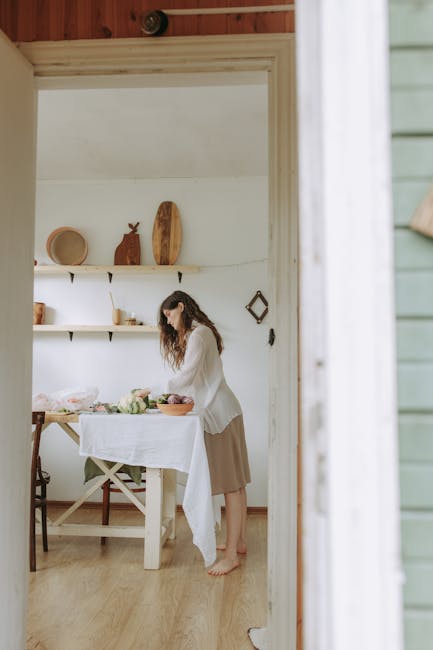
The prep zone is where culinary magic begins. Here, you chop, mix, and measure. Place your cutting boards, knives, and mixing bowls within easy reach. If space allows, a small countertop extension can be invaluable.
Think about the surface area. Is it enough for your needs? A clutter-free prep zone encourages creativity and efficiency. You might try using stackable containers to keep smaller items organized.
How many times have you knocked over a spice jar while reaching for a whisk? A dedicated prep zone can help prevent these mishaps.
Storage Zone
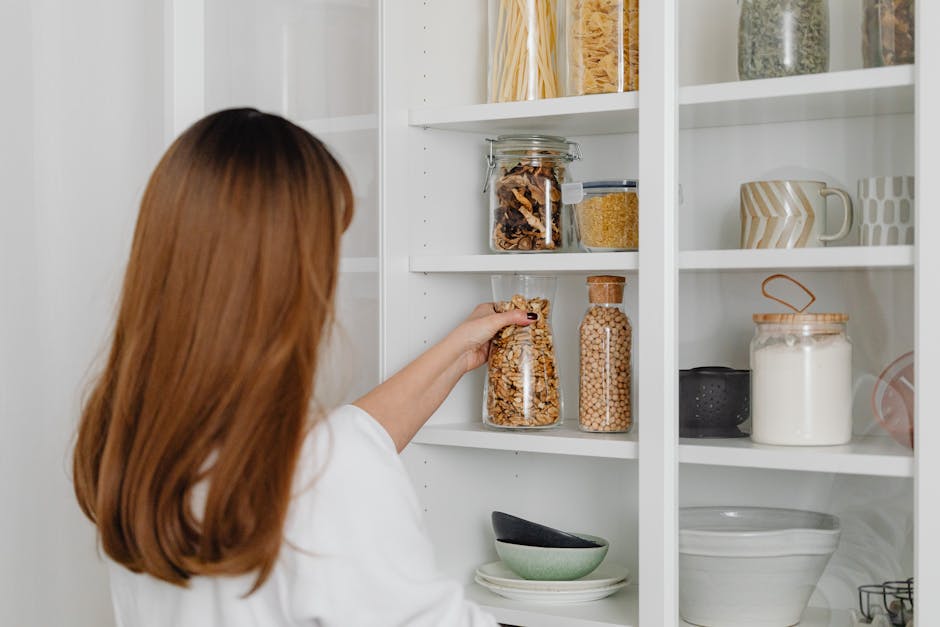
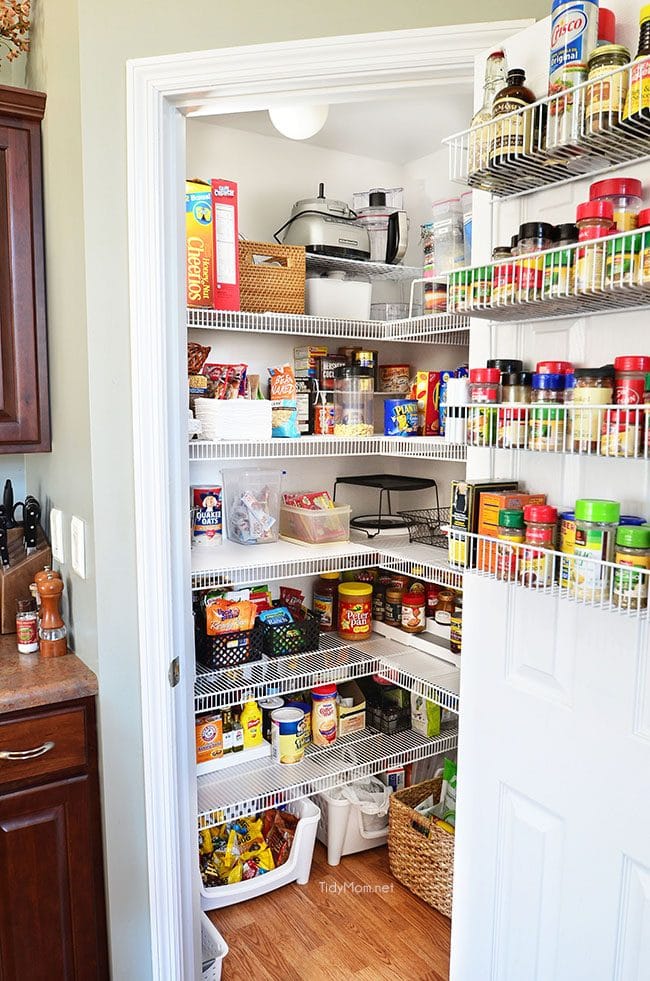
The storage zone is your pantry and cabinets. It's where you keep dry goods, canned items, and kitchen gadgets. Use clear bins or baskets to group similar items together. This not only saves space but also helps you quickly find what you need.
Label shelves or containers to avoid confusion. Is your storage zone overcrowded? Consider purging outdated or duplicate items. A tidy storage zone reduces the chance of buying something you already have.
Picture opening a cabinet and knowing exactly where your favorite cereal is. Wouldn't that simplify your mornings?
Organizing your kitchen with functional zones is more than just tidying up. It’s about creating a space that works for you and makes cooking enjoyable. These zones are like silent assistants, guiding you through your culinary journey. Are you ready to reclaim your kitchen from chaos?
Maximizing Storage Solutions
Struggling to find kitchen items can be frustrating. Clear counter space by using shelves and hanging racks. Store frequently-used items within reach and group similar items together.
Maximizing storage solutions in your kitchen can feel like solving a puzzle, especially when you're naturally disorganized. However, with a few clever strategies, you can make your space more functional and even enjoyable to use. Let’s dive into some practical tips that can help you reclaim order in your kitchen.
Utilizing Vertical Space
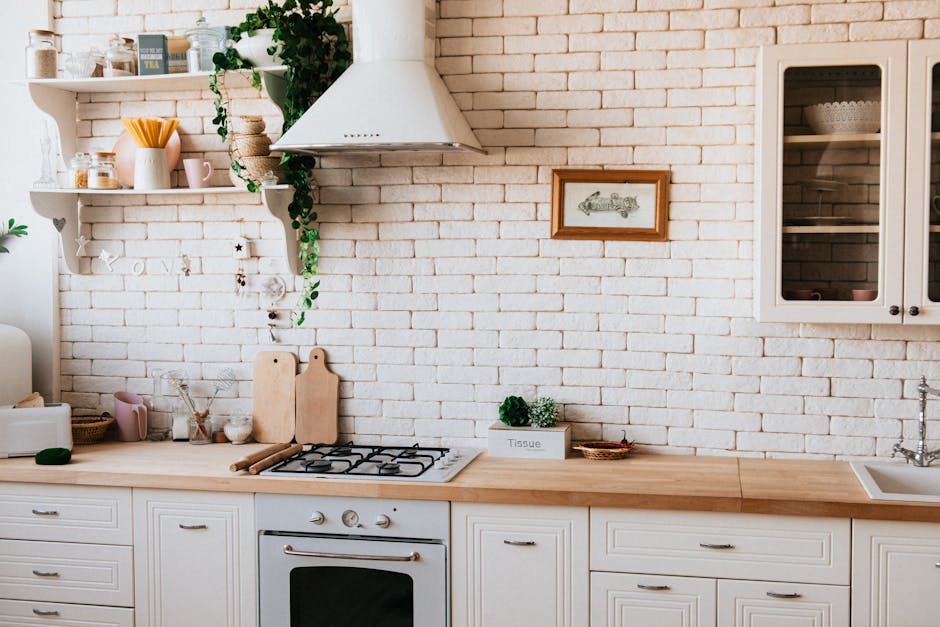
Look up! The walls and the space above your cabinets are often overlooked. Use wall-mounted shelves or hooks to hang pots, pans, and utensils. This not only frees up counter space but also keeps your most-used items within easy reach. Consider installing a pegboard. It’s a flexible solution that lets you rearrange items as needed. A friend once transformed her cluttered kitchen by simply adding a pegboard for her cooking essentials. Her kitchen looked bigger and she saved time hunting for the right spatula.
Drawer And Cabinet Organizers
Drawers can quickly become a chaotic mess. Add dividers to separate utensils, making it easy to find what you need. Cabinet organizers can double the storage space by adding tiers or pull-out shelves. Think about the last time you couldn’t find the lid for a pot. A simple lid organizer can solve this headache. Organizers help you see what you have, reducing duplicate purchases and minimizing waste.
Effective Use Of Pantry
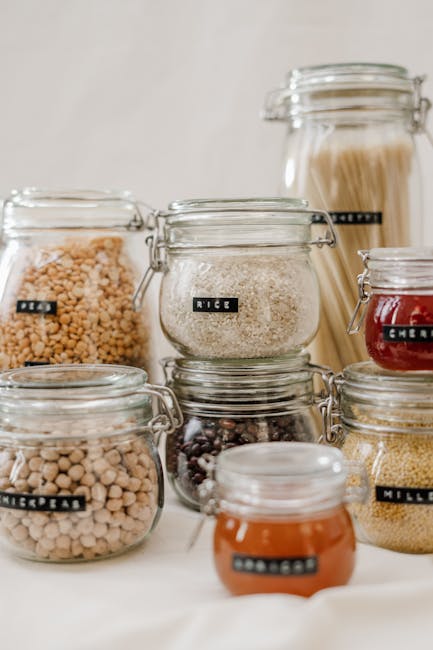
A well-organized pantry can change your cooking game. Use clear containers to store dry goods, labeling each one. This practice helps you see when you're running low on essentials. Arrange items by frequency of use. Keep everyday items at eye level and seasonal or seldom-used goods on higher shelves. This tactic not only keeps things orderly but also helps you maintain a streamlined shopping list. Ask yourself: How often do you buy ingredients you already have because you couldn’t see them? Reorganizing your pantry can save you money and reduce food waste. Taking small steps to maximize storage in your kitchen can make a big difference in your daily routine. Which of these tips will you try first?
Streamlining Daily Tasks
Streamlining daily tasks in the kitchen can transform chaos into clarity. A well-organized kitchen not only saves time but also reduces stress. Imagine preparing meals without searching for tools or ingredients. With a few changes, even the most disorganized spaces can become efficient. Let's explore some ways to organize your kitchen tasks effectively.
Organizing Cooking Tools
Cooking tools need a designated space in your kitchen. Sort them by type and frequency of use. Keep frequently used items within reach. Store them in drawers or on hooks. Group similar items together. Knives with knives, spoons with spoons. This makes finding tools quicker and easier.
Use drawer dividers for small items. Consider magnetic strips for metal tools. This keeps surfaces clear and tools accessible. A pegboard can also help. Hang pots and pans for easy access. This method saves space and time.
Efficient Cleaning Strategies
Cleaning as you cook saves time later. Wipe counters and wash dishes immediately. This prevents clutter from piling up. Keep cleaning supplies within reach. A small caddy under the sink works well. Use microfiber cloths for quick cleanups.
Designate a spot for dirty dishes. This keeps them out of the way. Load the dishwasher as you go. Run it once full. A tidy kitchen encourages efficient cooking. This creates a calm environment for meal preparation.
Credit: tidymom.net
Maintaining Order
Keeping your kitchen organized can feel like a daunting task. Especially when disorganization takes over. But once you get it in order, maintaining it becomes easier. Establishing a routine is key. It helps you sustain the organization you've worked hard to achieve.
Regular Cleanup Routine
Set a daily schedule for quick cleanups. Spend 10 minutes each day tidying up. Wipe down counters and put away stray items. This keeps clutter from piling up. Weekly, focus on more thorough cleaning tasks. Mop the floor and clean out the fridge. Consistency is your best friend in staying organized.
Seasonal Reorganization
As seasons change, so do your kitchen needs. Use this time to reassess your kitchen setup. Swap out seasonal items to the front. Store away those not in use. This ensures everything you need is always within reach. Declutter as you go. Donate or discard items you no longer use. A fresh start each season keeps your kitchen functional and neat.
Incorporating Personal Touches
Adding personal touches like colorful jars or labels can make your kitchen feel more inviting. Customizing storage with baskets or bins brings a sense of order and personality. Use unique items, such as vintage containers, to organize utensils and create a space that's both functional and charming.
Incorporating personal touches into your kitchen organization can transform it from a mere workspace into a reflection of your personality and style. It's about making the space feel uniquely yours while maintaining functionality. By adding elements that speak to you, you create an environment that's not only organized but also enjoyable to be in.
Adding Decorative Elements
Think about what makes you smile. It could be a small plant on the windowsill or a framed photo of a cherished memory on the wall. These little touches can make your kitchen feel homely and inviting. Consider using a decorative bowl or a vintage jar to store everyday items like fruits or utensils. This not only keeps them within reach but also adds character. You might even hang a piece of art or a quirky calendar to inject some personality into the space.
Personalizing With Color And Style
Color has a powerful impact on mood. Why not paint a wall in your favorite shade or add colorful dish towels that catch the eye? Choose a palette that resonates with you and complements your kitchen's existing design. Style matters too. If you adore a rustic look, incorporate wooden accents or mason jars. Love modern aesthetics? Opt for sleek metals and minimalistic designs. Your kitchen should reflect your taste, making it a space where you love to spend time. What if you tried mixing both old and new styles? A vintage clock paired with modern appliances can create an eclectic look that's uniquely yours. Think about what you want your kitchen to say about you. Adding personal touches doesn't have to be overwhelming. Start small, and gradually build up the atmosphere you desire. Your kitchen should be a place where you feel at home, surrounded by elements that make you happy and inspired.
:max_bytes(150000):strip_icc()/how-to-organize-a-kitchen-realsimple-GettyImages-1368918521-c68529a41fb04210aa9f62f37b7b7005.jpg)
Credit: www.realsimple.com
Frequently Asked Questions
How Can I Start Organizing My Kitchen?
Begin by decluttering your kitchen space. Remove items you rarely use. Group similar items together. Use clear containers for easy visibility. Label shelves and containers to maintain organization. Start small, focusing on one section at a time. Regularly reassess and tidy up to keep your kitchen neat.
What Are Essential Kitchen Organization Tools?
Invest in storage solutions like drawer dividers and shelf risers. Use clear bins for easy access and visibility. Label everything for easy retrieval. Consider hanging racks for pots and pans. Utilize tension rods for vertical storage. These tools will simplify your kitchen organization process.
How Do I Organize Kitchen Cabinets Effectively?
Sort items by category. Keep frequently used items within reach. Utilize stackable containers for efficient space use. Use lazy Susans for easy access to smaller items. Consider adjustable shelving for customization. Regularly assess and reorganize to maintain order in your cabinets.
Why Is Kitchen Organization Important?
An organized kitchen saves time and reduces stress. You find items quickly and prepare meals efficiently. It maximizes space, making cooking enjoyable. It also helps maintain cleanliness and hygiene. An orderly kitchen enhances productivity and ensures a pleasant cooking environment.
Conclusion
Organizing your kitchen doesn't need to be stressful. Start with one drawer. Then, tackle a cabinet. Use clear containers for easy access. Label everything for quick identification. Keep similar items together. Make space for essentials. Donate or discard unused items.
Maintain a tidy space regularly. Celebrate small victories along the way. Feel the difference in your daily routine. A neat kitchen boosts your mood. Enjoy cooking and meal prep more. Transform chaos into calm with simple steps. Remember, progress is key, not perfection.
Your kitchen can be a welcoming space. Embrace the change and stay organized.