Sharing a kitchen with roommates can be both a fun and challenging experience. You walk into the kitchen, and there’s a mix of groceries, gadgets, and those mysterious leftovers that nobody claims.
Sound familiar? This clutter can quickly turn your shared space into chaos. But what if there was a way to keep everything organized, making your kitchen a harmonious place for everyone? Imagine opening your cabinets to find neatly arranged shelves, knowing exactly where your favorite coffee mug is, and never having to play the guessing game of “Whose food is this?
” again. Organizing a kitchen shared with roommates doesn't have to be a constant battle. It can be simple and even enjoyable, allowing you to create a space where everyone feels at home. In this guide, you'll discover practical tips and clever strategies to transform your shared kitchen into a well-organized sanctuary. Whether you're dealing with limited cabinet space or differing schedules, you'll learn how to tailor solutions to fit your needs. Ready to turn chaos into order and enjoy a more peaceful cooking experience? Let's dive in and start organizing your kitchen together!
Credit: www.thekitchn.com
Setting Ground Rules
Sharing a kitchen with roommates can be an exciting yet challenging experience. Setting ground rules is crucial to ensure harmony and efficiency in this shared space. By establishing clear guidelines, you can prevent misunderstandings and foster a cooperative environment.
Shared Space Etiquette
Respect is the cornerstone of any shared space. Agree on basic etiquettes, such as cleaning up after yourself and not leaving dishes in the sink overnight. Consider asking everyone to label their food to avoid confusion. A friend once shared how labeling their groceries prevented many "Hey, who ate my yogurt?" conversations.
Discuss how long items should stay in the fridge or pantry. Rotating and clearing out old items can prevent clutter and bad smells. Do you have a plan for sharing kitchen appliances or utensils? Establishing these expectations upfront can save you from awkward moments.
Chore Distribution
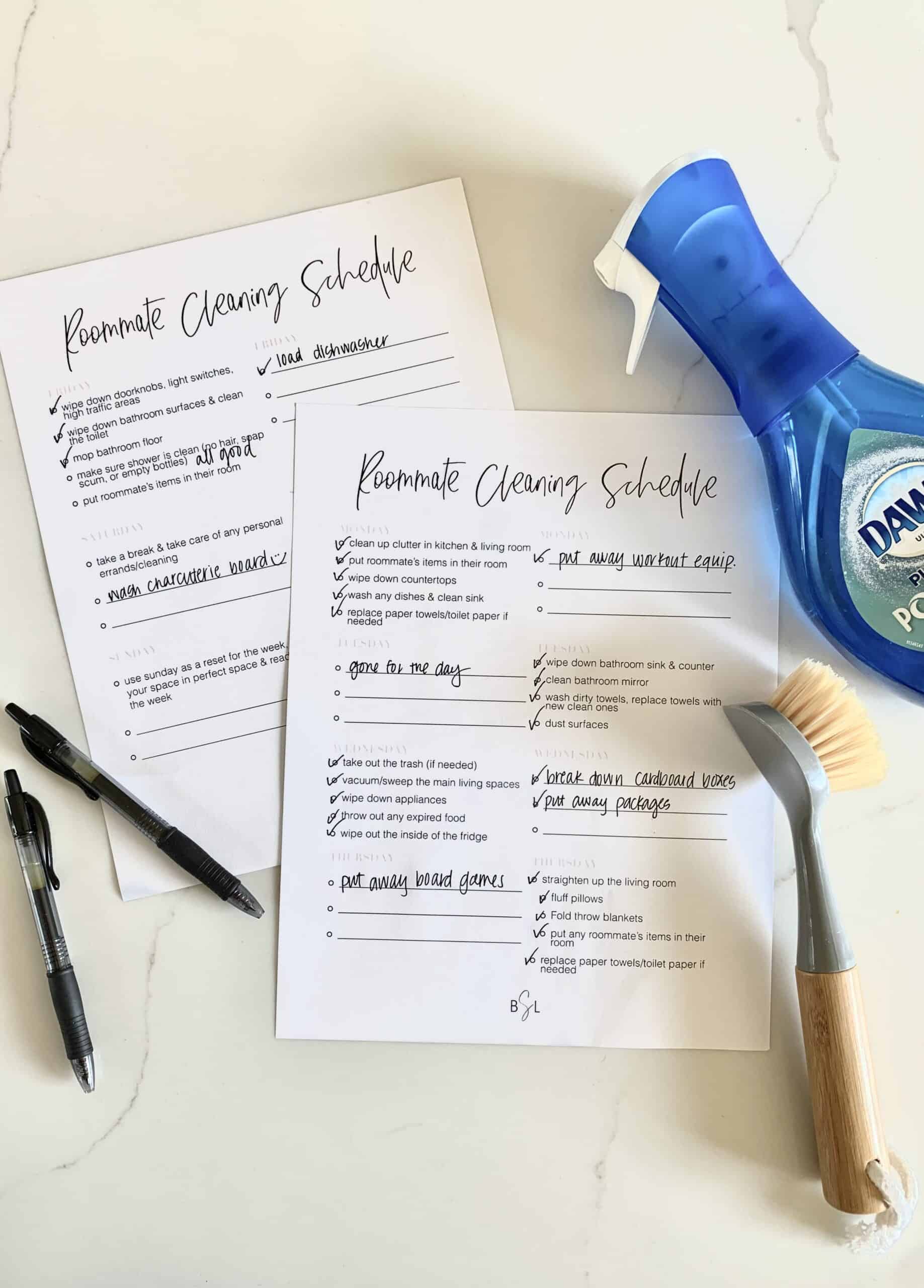
Dividing chores fairly can make a huge difference in maintaining a clean kitchen. Create a simple chore chart and rotate tasks weekly. This can ensure everyone contributes equally and feels responsible.
Consider each roommate’s schedule and strengths. Maybe one of you loves cooking but hates doing dishes. Swap tasks to play to each other's strengths. How about holding a weekly meeting to review and adjust chores if needed? It keeps everyone accountable and the kitchen sparkling.
Remember, clear communication is your best tool. Discussing and setting these ground rules early on can pave the way for a stress-free kitchen experience. What rules have you found most effective in your living situation?
Storage Solutions
Sharing a kitchen with roommates can be challenging. Organizing your stuff effectively is crucial for a harmonious living space. Proper storage solutions can make a big difference in reducing clutter. They help create a functional and enjoyable kitchen environment for everyone.
Maximizing Cabinet Space
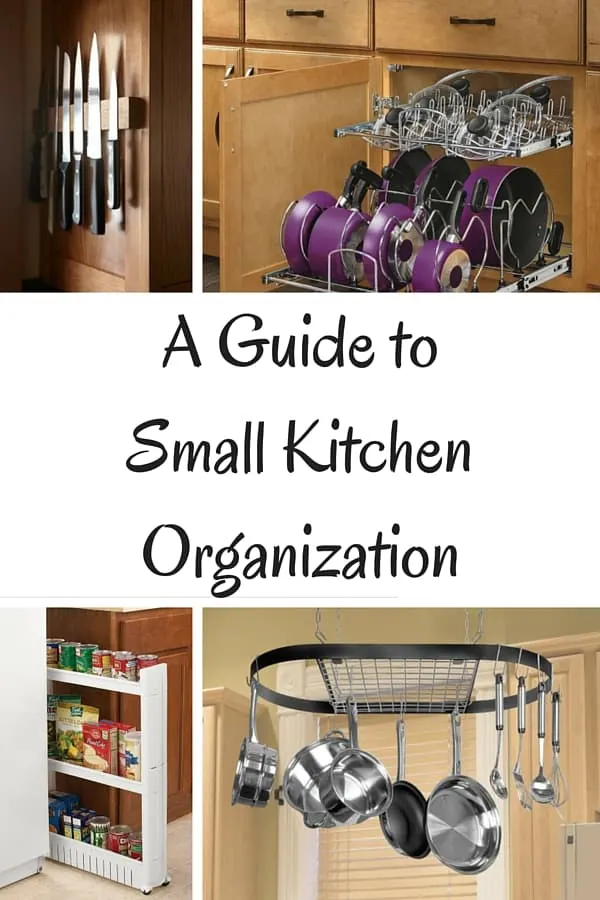
Cabinets are essential in any kitchen. Yet, they often get overcrowded. Use stackable shelf organizers to make the most of vertical space. These can double the storage area in each cabinet. Consider adding lazy Susans in corner cabinets. They provide easy access to items at the back. Clear bins are great for grouping similar items together. Label each bin for quick identification. This approach keeps things tidy and easy to find.
Utilizing Vertical Storage
Vertical storage is a smart way to free up counter space. Install hooks or pegboards on walls for pots and pans. This keeps them within reach and saves cabinet room. Use magnetic strips for knives and spice jars. They keep essentials visible and accessible. Floating shelves can hold small appliances or cookbooks. This strategy makes good use of wall space. It helps maintain a clean and organized kitchen.
Labeling Techniques
Organizing a shared kitchen can be challenging. Labeling techniques are essential for maintaining order. They help roommates identify items quickly. This prevents confusion and reduces food waste. Effective labeling makes shared living simpler.
Color-coded Labels
Color-coded labels are easy to implement. Assign a specific color to each roommate. Use colored tape or stickers for labeling. This method is visually striking. Everyone knows which items belong to whom. It reduces misunderstandings. Bright colors are best for visibility.
Digital Inventory Apps
Digital inventory apps help track kitchen items. They offer a modern labeling approach. Apps allow easy updates on shared groceries. Everyone can see what's available. Notifications remind you of items running low. They streamline communication and inventory management. Choose an app that suits your group's needs.
Credit: cookcraftlove.com
Efficient Meal Planning
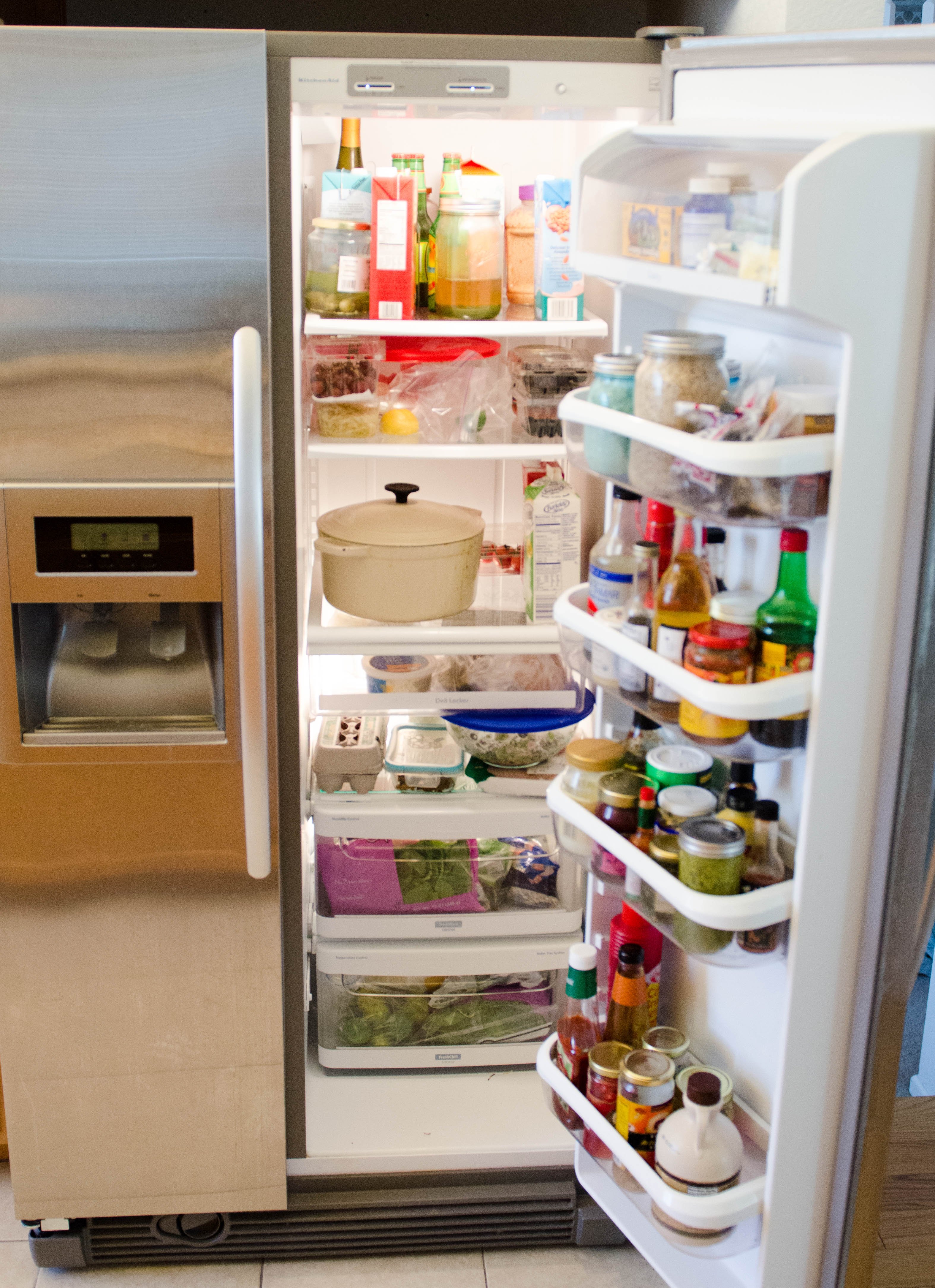
Sharing a kitchen with roommates can be simple and efficient. Designate specific shelves for each person’s items. Use clear labels to avoid confusion and ensure everyone knows where their things belong.
Sharing a kitchen with roommates can be a challenge, but efficient meal planning can turn it into an enjoyable experience. Organizing meals and ingredients ensures that everyone knows what's theirs and what's shared. This can help avoid the dreaded "who ate my leftovers" conversation. Plus, it saves time and money, and can even lead to healthier eating habits. Let's dive into how you and your roommates can make meal planning a breeze.
Shared Grocery Lists
Creating a shared grocery list is a smart way to streamline your shopping trips and cut down on waste. You can use apps like Google Keep or a simple notepad stuck on the fridge. Add items you all frequently use, like milk, bread, and eggs. This helps you avoid duplicate purchases and ensures you never run out of essentials. Agree on a budget for shared items and decide who will be responsible for shopping each week. This can help keep costs fair and ensure that everyone contributes.
Cooking Rotations
Cooking rotations can save time and reduce the kitchen chaos. Plan out who will cook on which days, and stick to it. This way, everyone gets a break from cooking a few nights a week. Consider your schedules and choose days that work best for each roommate. If you have a busy week, trade days with someone else. Also, discuss any dietary restrictions or preferences in advance. This ensures everyone gets a meal they enjoy and avoids any surprises at dinner time. Efficient meal planning can transform your shared kitchen from a cluttered space into a harmonious hub. It's all about communication, collaboration, and a little bit of planning. How will you and your roommates tackle meal planning to make your shared living experience more enjoyable?
Cleaning Schedules
Creating a cleaning schedule is essential when sharing a kitchen with roommates. It helps ensure that everyone knows their responsibilities, avoids conflicts, and maintains a clean and welcoming space for all. A well-organized plan can transform your kitchen into a harmonious hub where cooking and camaraderie flourish.
Daily Tidying Tasks
Every day, small actions can make a big difference in keeping your kitchen neat. Start by wiping down surfaces after each use. This simple task prevents crumbs and spills from piling up.
Don't forget about the dishes. Whether you prefer washing them by hand or using a dishwasher, make it a habit to tackle them daily. This prevents the dreaded pile-up that everyone tries to avoid.
Another daily task is taking out the trash. Assign a schedule so each roommate knows their turn. Nobody wants to deal with overflowing bins, especially when cooking is involved.
Weekly Deep Cleaning
Set aside time each week for a more thorough cleaning. This involves tackling areas often overlooked in daily tidying. Divide responsibilities among roommates to ensure fairness.
Dust and clean cupboard tops and shelves. This can be a fun bonding activity—grab a ladder, play some music, and make it a team effort. You’d be surprised how quickly you can finish when everyone works together.
Also, remember to clean appliances. Ovens, microwaves, and refrigerators can get grimy. Assign these tasks weekly, rotating among roommates. This ensures that all appliances stay in good condition.
Have you ever found that deep cleaning leads to unexpected discoveries in the kitchen? Maybe you'll find that missing lid or uncover some forgotten spices. It’s a small reward for a job well done and a reminder of the benefits of organization.
What cleaning routine works best for you and your roommates? Share your experiences and tips in the comments below—perhaps you'll inspire others to find their perfect cleaning schedule!
Credit: bysophialee.com
Conflict Resolution
Sharing a kitchen with roommates can be tricky. Create clear zones for each person's items to avoid confusion. Label shelves and drawers to keep things organized and maintain harmony.
Living with roommates can be a rewarding experience, but sharing kitchen space often leads to conflicts. Disagreements about cleanliness, storage, and usage are common. However, resolving these issues doesn’t have to be a headache. By focusing on effective conflict resolution, you can create a harmonious kitchen environment.
Open Communication
Clear and honest communication is key. When you notice a problem, talk about it openly with your roommates. Avoid letting issues simmer until they boil over. Schedule regular meetings to discuss any kitchen-related concerns. This proactive approach helps prevent misunderstandings. It ensures everyone is on the same page. Be specific about what bothers you. Instead of saying, "The kitchen is always messy," mention, "The sink is often full of dishes." This clarity can help your roommates understand the issue better.
Compromise Strategies
Compromising is crucial when sharing a space. Not everyone has the same habits or standards. Find middle ground that respects everyone's preferences. Consider creating a cleaning schedule. Rotate tasks weekly to ensure everyone shares the workload. This strategy reduces resentment and promotes fairness. Discuss different storage solutions. Maybe one roommate prefers storing pots and pans in a particular cupboard. Reach an agreement that accommodates everyone's needs while maximizing space. Think about what you value most. Are you more concerned about cleanliness or having designated storage? Understanding your priorities helps in negotiating compromises that work for everyone. Remember, a kitchen shared peacefully allows for more bonding moments. Imagine cooking together without stepping on each other's toes or arguing over missing utensils. How rewarding would that be?
Budget-friendly Tips
Organizing a kitchen with roommates can be challenging. Yet, with a bit of strategy and creativity, it becomes manageable. One key approach is adopting budget-friendly tips. These methods not only save money but also simplify kitchen life. Let's explore some practical ways to organize affordably.
Bulk Buying Benefits
Buying in bulk cuts costs significantly. Share the expenses with roommates. This approach works well for non-perishable items like pasta, rice, and canned goods. Store these items in clear, labeled containers. This keeps the pantry neat and items accessible. Bulk buying also reduces packaging waste. This eco-friendly step benefits your wallet and the planet.
Diy Cleaning Supplies
Store-bought cleaners often cost a lot. Make your own cleaning supplies instead. Use common ingredients like vinegar, baking soda, and lemon. These are effective and safe. Mix vinegar and water for a multipurpose spray. Baking soda works well for scrubbing surfaces. Lemon freshens up the kitchen naturally. Keep these DIY supplies in labeled spray bottles. This approach keeps the kitchen clean and expenses low.
Frequently Asked Questions
How To Share Kitchen Space Effectively?
Sharing kitchen space with roommates requires clear communication and organization. Use labeled containers for shared items and designate specific areas for personal belongings. Establish a cleaning schedule to maintain cleanliness. Regularly discuss any concerns to ensure everyone's needs are met and the kitchen remains a harmonious space.
What Is The Best Way To Organize Kitchen Items?
The best way to organize kitchen items is by categorizing them. Store similar items together, such as utensils, cookware, and pantry staples. Use shelves, racks, or organizers to maximize space. Label containers for easy identification. Regularly declutter to keep the kitchen functional and clutter-free.
How To Avoid Kitchen Clutter With Roommates?
To avoid kitchen clutter, establish a routine for regular cleaning and organizing. Encourage roommates to store items in designated spaces. Use baskets or bins for communal items. Discuss and agree on a decluttering schedule to ensure the kitchen remains tidy and efficient for everyone.
What Are Tips For Labeling Kitchen Items?
Labeling kitchen items is essential for organization and efficiency. Use waterproof labels or markers to ensure durability. Clearly write the contents and date of storage on containers. Regularly check and update labels to reflect current items. This helps in quick identification and reduces food waste.
Conclusion
Sharing a kitchen with roommates can be tricky. Clear communication helps. Label your containers. Divide shelves and drawers evenly. Keep cleaning supplies handy. Respect each other's space. Regularly check expiration dates. This avoids clutter and waste. Make a schedule for cleaning.
Rotate chores weekly. Discuss any issues calmly. Listen to each other. Adjust plans when needed. Remember, teamwork makes organizing easier. Be patient and flexible. Enjoy cooking and dining together. Building good habits now saves headaches later. A well-organized kitchen makes life smoother.
Happy cooking!