Are you tired of your cast iron cookware losing its luster and performance over time? You're not alone.
Many people invest in these kitchen staples, only to find them rusting or sticking after a few uses. But here's the secret: the way you store your cast iron is just as important as how you cook with it. Proper storage can prolong the life of your cookware and keep it in pristine condition.
Imagine reaching for your skillet and finding it as perfect as the day you bought it. In this guide, you'll discover simple, effective ways to store your cast iron cookware, ensuring it remains your trusty kitchen companion for years to come. Stay with us, because these tips might just transform your cooking experience.
Benefits Of Proper Storage
Properly storing cast iron cookware preserves its quality and extends its life. Keep it dry to prevent rust. Use a towel or paper to separate stacked pieces, avoiding scratches.
Proper storage of cast iron cookware is more than just organizing your kitchen—it’s about preserving the longevity and quality of your treasured pieces. Good storage practices can significantly extend the life of your cast iron, keeping it in top condition for years to come. But what exactly are the benefits of storing your cast iron cookware correctly?
Enhance Durability
Storing cast iron properly can prevent rust and damage. This ensures your cookware remains robust and ready for cooking. A simple act like placing it in a dry area can save you from the hassle of dealing with rust patches.
Maintain Cooking Performance
Proper storage helps maintain the seasoning of your cookware. This seasoning is crucial for non-stick performance. By avoiding moisture and stacking heavy items on your cast iron, you preserve its cooking efficiency.
Preserve Aesthetic Appeal
Everyone loves a kitchen that looks neat and inviting. Proper storage keeps your cast iron looking clean and attractive. Imagine reaching for your skillet and finding it spotless, ready to impress during your next culinary adventure.
Prevent Accidental Damage
Have you ever accidentally chipped a piece of cookware by stacking it carelessly? Proper storage helps avoid such accidents. By using protective layers or designated shelves, you protect your cast iron from unnecessary harm.
Optimize Space
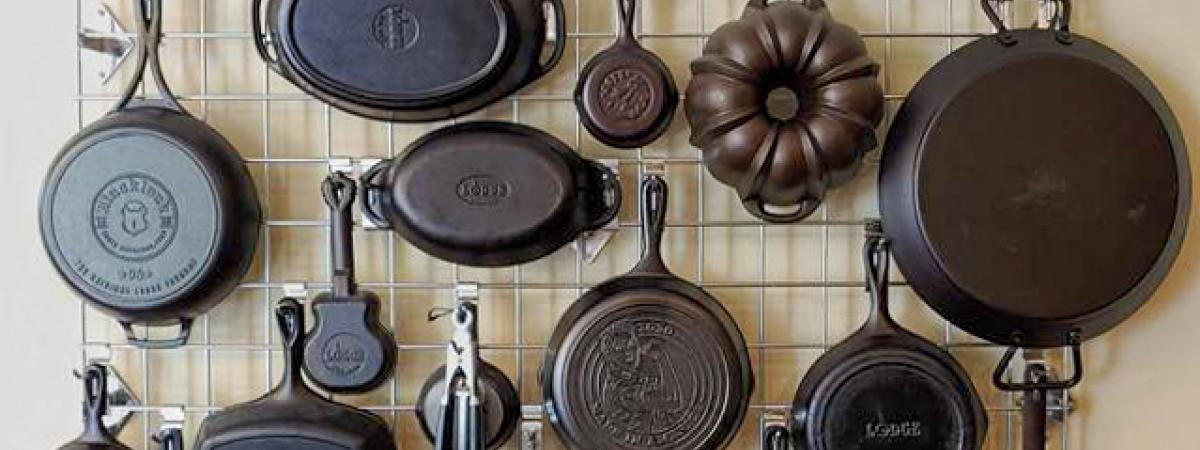
Does your kitchen feel cluttered? Proper storage can help. By organizing your cast iron efficiently, you free up space for other essentials. Consider using hooks or dedicated racks to maximize your kitchen’s potential. Take a moment to think about your current storage habits. Are they helping or hindering your cast iron’s longevity? Proper storage isn’t just beneficial—it’s essential for any cast iron enthusiast.

Credit: www.amazon.com
Cleaning Before Storage
Proper care is essential for cast iron cookware. Before storing, clean it well. Cleaning ensures long-lasting durability and prevents rust.
Removing Food Residue
Begin by removing all food particles. Use a brush or scraper for stubborn residue. Avoid soap, as it strips seasoning. Hot water works best. Rinse thoroughly to clear all debris.
Drying Thoroughly
Once clean, dry the cookware immediately. Moisture leads to rust. Use a towel to wipe it dry. Place on the stove over low heat. This ensures complete dryness. Store it in a cool, dry place.
Seasoning For Longevity
Seasoning cast iron cookware ensures it lasts a lifetime. It protects from rust and enhances non-stick properties. This process creates a natural, protective layer. It keeps your cookware in top condition. Regular seasoning can save time and money. Invest in this simple step for long-term benefits.
Why Seasoning Matters
Seasoning creates a barrier against moisture. This prevents rust and corrosion. Cast iron is prone to rust if left unprotected. Seasoning also improves cooking performance. It forms a non-stick surface, reducing the need for excess oil. This means healthier cooking and easier clean-up.
How To Season Correctly
Start with a clean, dry pan. Apply a thin layer of vegetable oil. Use a cloth or paper towel to spread it evenly. Preheat your oven to 375°F (190°C). Place the cookware upside down on the middle rack. Use aluminum foil to catch drips. Bake for one hour. Allow it to cool completely in the oven. Repeat this process for a stronger layer.

Credit: flawedyetfunctional.com
Choosing The Right Storage Space
Choosing the right storage space for cast iron cookware is crucial. Proper storage ensures your cookware stays in top condition for years. Consider factors like moisture and temperature for the best results.
Avoiding Moisture
Moisture is cast iron's worst enemy. It leads to rust, which damages cookware. Store your cast iron in a dry place. Ensure no water is present in the storage area. Use a cloth or paper towel to absorb moisture. This simple step can save your cookware.
Temperature Considerations
Temperature also affects cast iron cookware. Extreme cold or heat can cause damage. Avoid storing near ovens or stoves. A stable, room-temperature spot is best. This keeps your cookware safe from cracking or warping.
Storing With Care
Store cast iron cookware with care to maintain its quality. Keep it dry and away from moisture to prevent rust. Use a paper towel between stacked pieces to avoid scratches.
Storing your cast iron cookware with care is essential to maintain its longevity and performance. Proper storage not only preserves the seasoning but also prevents rust and damage. Whether you have a single skillet or a full set, knowing the best ways to store your cast iron is crucial for every cooking enthusiast.
Stacking Techniques
Stacking cast iron cookware can save space, especially in a small kitchen. However, improper stacking may lead to scratches or chips. Always start by placing the heaviest item at the bottom. This prevents lighter pieces from getting damaged under pressure. Consider stacking similar-sized items together to ensure even weight distribution. You might wonder, can stacking really harm your cookware? Yes, it can. Without proper care, the surface of your cast iron can suffer. Always ensure that the cookware is dry before stacking to avoid moisture buildup, which can lead to rust.
Using Protective Layers
To further protect your cast iron, use protective layers between pieces. A simple yet effective method is placing a paper towel or a piece of cloth between each item. This acts as a cushion and helps absorb any residual moisture. Felt or silicone pan protectors are also excellent options if you want something more durable. These protectors are specifically designed for cookware and come in various sizes to fit your needs. Have you tried using old t-shirts or dishcloths? They work just as well, and it's a great way to recycle. By applying these storing methods, you prolong the life of your beloved cast iron cookware. After all, investing a little time in proper storage means more delicious meals for years to come. How do you store your cookware? Maybe it's time to refine your methods for even better results!
Common Mistakes
Storing cast iron cookware demands attention to detail. Many make mistakes that harm their pans. Recognizing these pitfalls helps maintain cookware longevity. Learn about common errors to keep your cast iron in peak condition.
Ignoring Moisture Risks
Moisture is the enemy of cast iron. It leads to rust, damaging your cookware. Always dry your cast iron completely after washing. Store it in a dry place. Avoid damp areas like under the sink. Moisture left unchecked can ruin its surface.
Using Improper Cleaning Agents
Avoid harsh cleaning agents on cast iron. They strip away the seasoning. Use mild soap if needed. Never use a dishwasher for cleaning. Dishwashers cause rust and damage. Stick to hand washing with soft sponges. This preserves the pan’s integrity.
Restoring Neglected Cookware
Proper storage keeps cast iron cookware in excellent condition. Clean and dry thoroughly to prevent rust. Store in a dry place, stack carefully, and use paper towels or cloth between pieces. This method protects surfaces and ensures longevity, allowing for reliable use in your kitchen.
Restoring neglected cast iron cookware can feel like a daunting task, but it’s a rewarding journey. If your grandmother's skillet has been collecting dust and rust in the back of the cupboard, don't despair. With a little love and elbow grease, you can bring it back to life and enjoy its timeless cooking benefits once again.
Identifying Rust
First, let’s identify the rust on your cookware. Rust appears as orange-brown patches and can vary from light specks to more significant coverage. Run your fingers over the surface; a rough feel is a clear sign of rust. Don’t panic if you find it. Rust is a common issue with cast iron and can be remedied. Assess the extent of the rust to decide how thorough your restoration process needs to be.
Re-seasoning Tips
Once the rust is removed, re-seasoning your cast iron is crucial. Start by washing your cookware with warm water and mild soap to remove any debris. Dry it completely using a towel or place it on a low stove to evaporate moisture. Then, apply a thin layer of vegetable oil or shortening over the entire surface, including the handle. Place the cookware upside down in the oven at 375°F for about an hour. This process will help the oil bond with the iron, creating a natural, non-stick surface. Do you have a favorite tip for seasoning? Many find using flaxseed oil creates a robust layer. Experiment with different oils to find what works best for you. Remember, regular use and maintenance will keep your cast iron in top shape.
Tips For Long-term Maintenance
Proper storage extends the life of cast iron cookware. Dry completely to prevent rust. Apply a thin layer of oil before storing. Store in a cool, dry place. Avoid stacking to maintain seasoning.
Storing cast iron cookware properly ensures its longevity and peak performance. The right maintenance strategy not only preserves its non-stick surface but also prevents rust and damage. Let's dive into some practical tips for long-term care that will keep your cast iron in top shape for years to come.
Routine Checks
Regular checks can save your cast iron from becoming a rusty relic. Every few weeks, inspect your cookware for signs of rust or damage. If you spot any rust, tackle it immediately with a bit of steel wool and re-season the pan. Pay attention to the handle and edges, where rust often sneaks in. Regularly check the bottom for any unevenness or warping. Catching issues early keeps your cookware safe and effective.
Best Practices For Daily Use
Daily habits make a big difference in maintaining your cast iron. After each use, clean it with hot water and a stiff brush—soap isn't necessary. Dry it thoroughly with a towel to prevent moisture buildup. Season your pan lightly after every use by applying a thin layer of oil. This practice keeps the surface smooth and non-stick. Be mindful of storing it in a dry place with good air circulation to avoid moisture traps. Think about your storage conditions. Are they too humid? Consider storing your pans in a cabinet with silica gel packets to absorb excess moisture. This simple step could prevent rust and prolong the life of your cookware. By following these strategies, your cast iron will remain a reliable kitchen companion for generations. How do you keep your cookware in pristine condition? Share your thoughts and experiences below!
Credit: www.lodgecastiron.com
Frequently Asked Questions
How Do You Clean Cast Iron Cookware Before Storing?
To clean cast iron, scrub with a brush and rinse with water. Dry thoroughly to prevent rust. Season the pan with oil before storing to protect its surface. Avoid using soap, as it can strip the seasoning.
Can I Stack Cast Iron Pans For Storage?
Stacking is possible but use protective layers between pans. Consider using paper towels or cloth to prevent scratches. Ensure cookware is completely dry before stacking to avoid rust.
Should Cast Iron Be Stored With A Lid On?
It's best to store cast iron without a lid to allow airflow. This prevents moisture buildup that can cause rust. If storing with a lid, ensure the cookware is completely dry.
How Often Should I Season Cast Iron Cookware?
Season cast iron cookware every few uses or when the surface appears dull. Regular seasoning maintains a non-stick surface and prevents rust. Use a light coating of vegetable oil and bake for best results.
Conclusion
Storing cast iron cookware properly ensures its long life. Always clean and dry it completely. Moisture can cause rust, so keep it in a dry place. Use paper towels to separate stacked pieces. This prevents scratching. Regular seasoning helps maintain its non-stick quality.
Remember, care equals longevity. Your cast iron will serve you well for years. With these tips, enjoy cooking with reliable, well-maintained cookware. Happy cooking!