
Imagine you're whipping up a delicious omelet on a lazy Sunday morning. You reach for your trusty non-stick pan, confident that your breakfast won't end up glued to the bottom.
But as you crack those eggs and let them sizzle, a question lingers in your mind: Is non-stick cookware really safe for you and your family? You've probably heard mixed opinions. Some swear by the convenience, while others worry about health risks.
It's time to cut through the noise and get to the truth. Understanding the safety of non-stick cookware is crucial—not just for your health, but for ensuring that your kitchen remains a safe haven for culinary creativity. You'll discover the facts about non-stick cookware. You'll learn what makes them work, the potential risks involved, and how you can make informed choices for your kitchen. Are you ready to find out what lies beneath the surface of your favorite pans? Keep reading, because the answers might surprise you.
What Is Non-stick Cookware?
Non-stick cookware features a special coating that prevents food from sticking. Concerns about its safety focus on the chemicals used in the coating. Using low to medium heat and avoiding metal utensils can help reduce potential risks.
Imagine the ease of flipping a pancake without it sticking to the pan. This is the magic of non-stick cookware. But what exactly makes these pots and pans different from traditional cookware? Non-stick cookware is designed to make cooking and cleaning a breeze. It features a special coating that prevents food from sticking to the surface. This means you can use less oil or butter, making your meals healthier. Most non-stick cookware is made of metals like aluminum or stainless steel, coated with substances like Teflon. These coatings ensure that your eggs slide right off the pan and your fish doesn't crumble while cooking. But have you ever wondered about the science behind this? The secret lies in the smooth surface of the coating, which creates minimal friction. This ensures food particles don't cling to the pan, allowing for easy release.
Why Choose Non-stick Cookware?
Imagine preparing a delicate omelet without it tearing apart. Non-stick cookware offers you this ease. It’s perfect for cooking foods that are prone to sticking. You might be thinking about cleanup. With non-stick pans, washing up becomes less of a chore. A gentle wipe is often enough, saving you time and effort. Plus, you can cook with less oil, which is a win for your health. Non-stick cookware helps you achieve those crispy textures without the added calories.
Do You Really Need Non-stick Cookware?
Consider your cooking habits. Do you often prepare foods that stick? If yes, then non-stick cookware could be your best friend. Think about your lifestyle. If you’re someone who values convenience and quick clean-ups, then investing in non-stick pans might be worth it. However, if you enjoy using high heat for searing meats, traditional cookware might suit you better. Non-stick coatings can degrade at high temperatures.
Potential Concerns With Non-stick Cookware
While convenient, there are concerns about non-stick coatings releasing harmful chemicals when overheated. This is especially true if the coating is scratched. To avoid this, use wooden or silicone utensils with your non-stick cookware. They are gentle on the coating and help extend the life of your pans. Regularly check your pans for scratches. If the coating starts to flake, it’s time to replace them. This ensures you keep your kitchen safe and your food healthy. Have you ever wondered if non-stick cookware is right for you? It can transform your cooking experience, but understanding its features and limitations is key to making the right choice.
Materials Used In Non-stick Cookware
When it comes to non-stick cookware, the materials used can make a significant impact on your cooking experience and health. Have you ever wondered what's behind the smooth surface that allows your pancakes to slide effortlessly from the pan? Let's delve into the main materials used in non-stick cookware to help you make informed choices.
Teflon And Ptfe
Teflon, often synonymous with non-stick, is a brand name for PTFE (polytetrafluoroethylene). It's a synthetic polymer that gives cookware its slick surface. However, there's been concern about PTFE releasing harmful fumes when overheated. It's crucial to avoid cooking at high temperatures and keep your kitchen well-ventilated.
Imagine frying an egg at low heat without any hassle. That's the beauty of Teflon, but remember, safety lies in proper use. How do you usually handle your non-stick pans? It's worth checking your cooking habits.
Ceramic Coating
Ceramic-coated pans are gaining popularity as they promise a chemical-free alternative. These pans use a silica-based gel to create a non-stick layer. They tend to be safer at higher temperatures compared to Teflon.
Ever tried sautéing vegetables and noticed a crisp texture? Ceramic coatings can offer that without compromising safety. Is ceramic the better choice for your cooking style?
Other Alternatives
Beyond Teflon and ceramic, there are other options like cast iron with seasoning, or anodized aluminum. These materials can offer non-stick properties without synthetic coatings.
Have you experimented with a cast iron skillet? Although it requires more maintenance, it offers great versatility. What's your take on trying something different for your culinary creations?
Understanding the materials in your cookware can make a big difference in both safety and cooking quality. So, next time you whip up a meal, consider what your pan is made of. Are you making the best choice for your kitchen?
Benefits Of Non-stick Cookware
Non-stick cookware offers convenience with easy cleaning and less oil usage. It ensures food doesn’t stick, making cooking easier. Concerns about its safety often relate to overheating. Use moderate heat to maintain its safety and longevity.
Non-stick cookware has become a staple in many kitchens around the world, and for good reason. It offers a range of benefits that appeal to both seasoned chefs and those just learning to cook. Whether you're whipping up a simple omelet or a gourmet meal, non-stick cookware makes the process smoother and more enjoyable. Let's delve into why you might want to consider having these kitchen essentials in your home.
Ease Of Cooking
Cooking with non-stick cookware is almost like having an extra set of hands in the kitchen. The coating on these pans ensures that food glides smoothly, reducing the need for excess oil or butter. This not only makes your meals healthier but also lets you focus on perfecting your dish rather than worrying about it sticking. Imagine cooking a delicate fish fillet or a fluffy pancake without the frustration of it tearing apart—non-stick cookware makes this possible. Have you ever found yourself scraping off bits of food from a pan, wondering if it's all worth the trouble? With non-stick cookware, that's a worry of the past. The effortless release of food means you can spend less time fussing over the stove. This ease encourages creativity in the kitchen, allowing you to experiment with different recipes and cooking techniques without the fear of a sticky mess.
Simple Cleaning
After enjoying a delicious meal, the last thing you want is to spend ages scrubbing pots and pans. Non-stick cookware significantly reduces cleanup time. The smooth surface prevents food residue from clinging, so a quick rinse or a gentle wipe is often all that's needed. Think about how much time you could save if your cleaning routine was cut in half. Non-stick pans are generally dishwasher safe, adding another layer of convenience. This ease of cleaning makes cooking less daunting and more inviting, especially on busy weeknights or lazy weekends. Moreover, non-stick cookware is perfect for those who may not have mastered the art of cooking just yet. It offers an easy way to avoid burnt or stubborn food spots, making every cooking session a success. Whether you're an experienced home cook or just starting, the benefits of non-stick cookware are undeniable. What dish will you try next with this newfound kitchen ally?
:max_bytes(150000):strip_icc()/Simply-Recipes-Scratched-Skillet-LEAD-01-b4ce97b15a994f2eacbb729aa4d99bc7.jpg)
Credit: www.simplyrecipes.com
Potential Health Risks
Non-stick cookware may release harmful chemicals at high temperatures. These chemicals can pose health risks over time. Regular use and proper maintenance can help minimize potential dangers.
Potential Health Risks Using non-stick cookware might make your cooking more convenient, but have you ever wondered about the potential health risks? Many of us reach for that non-stick pan without giving it a second thought. But are we unknowingly exposing ourselves to harmful substances?
Chemical Exposure
The main concern with non-stick cookware is the chemicals used to make the coating. Most non-stick pans are coated with polytetrafluoroethylene (PTFE), commonly known as Teflon. When heated, this coating can release fumes that you might inhale, potentially leading to health issues. Have you noticed any unusual fumes while cooking? Those fumes could be the result of PTFE breaking down. Some people have reported flu-like symptoms, known as "Teflon flu," after exposure to these fumes.
Heat And Toxicity
Cooking at high temperatures can cause non-stick coatings to degrade. Once the pan reaches temperatures above 500°F (260°C), toxic particles and gases may be released. The risk of releasing these toxins increases with overheating, which can easily happen if you leave a pan unattended. Do you often cook on high heat to speed things up? You may want to reconsider, as overheating not only affects your health but also damages the longevity of your cookware. Always aim to cook on low to medium heat when using non-stick pans.
When choosing cookware, it's essential to weigh convenience against potential health risks. By being mindful of how you use your non-stick pans, you can minimize exposure and keep your kitchen a safe place. What steps will you take to ensure your cooking methods prioritize health?
Environmental Impact
In today's world, where we are increasingly conscious of our carbon footprint, the environmental impact of non-stick cookware is a pressing concern. While these pans and pots promise convenience in cooking and cleaning, their lifecycle from production to disposal raises significant environmental questions. Are you considering the broader implications of your kitchen choices?
Manufacturing Concerns
The manufacturing process of non-stick cookware often involves chemicals like PTFE and PFOA. These substances can release harmful emissions into the atmosphere. When I first learned about this, it surprised me how something so common in kitchens could contribute to environmental pollution.
Manufacturers are gradually shifting towards PFOA-free cookware. However, the production still demands high energy consumption and resource use. Are these eco-friendly changes happening quickly enough to make a real difference?
Disposal Challenges
Disposing of non-stick cookware poses its own set of challenges. Many non-stick pans are not recyclable due to their chemical coatings. This results in them ending up in landfills, where they take years to decompose.
Consider the last time you replaced a non-stick pan. Did you think about where it would end up? Finding eco-friendly disposal solutions can make a significant impact. Some companies offer take-back programs, but they are not yet widespread.
Understanding the full environmental impact of non-stick cookware can guide you to make more sustainable choices in your kitchen. Are you ready to look beyond convenience and think about the planet? Small changes in our buying and disposal habits can lead to a healthier environment for future generations.

Credit: www.delish.com
Safety Precautions
Non-stick cookware offers convenience in the kitchen. Yet, ensuring its safe use is vital. Safety precautions help maintain health and extend the cookware's life. Following guidelines can prevent potential hazards and enhance your cooking experience.
Proper Usage Tips
Use medium or low heat for non-stick pans. High heat can damage the coating. Opt for wooden or silicone utensils. Metal utensils may scratch the surface. Avoid preheating an empty pan. It can release fumes and damage the non-stick layer.
Maintenance Best Practices
Hand wash non-stick cookware with mild soap. Avoid abrasive sponges that can scratch. Dry thoroughly to prevent water spots. Store with care. Stack with soft liners to protect the surface. Regularly inspect for signs of wear. Replace if the coating starts to peel.
Alternatives To Non-stick Cookware
Many people are concerned about the safety of non-stick cookware. Fortunately, there are safe alternatives. These alternatives offer durability and versatility. They also provide safe cooking without harmful chemicals.
Cast Iron
Cast iron is a popular choice. It is known for its durability and even heat distribution. A well-seasoned cast iron pan can be non-stick. It can also improve with use over time. Cast iron is perfect for searing, frying, and baking. It retains heat well and adds iron to your food. This cookware can last a lifetime with proper care.
Stainless Steel
Stainless steel is another great option. It is durable, non-reactive, and resistant to rust. Stainless steel cookware provides excellent heat conduction. It is ideal for browning and searing. This cookware is easy to clean and maintain. It is also dishwasher safe. Stainless steel is perfect for everyday cooking. It is a reliable and healthy alternative to non-stick pans.
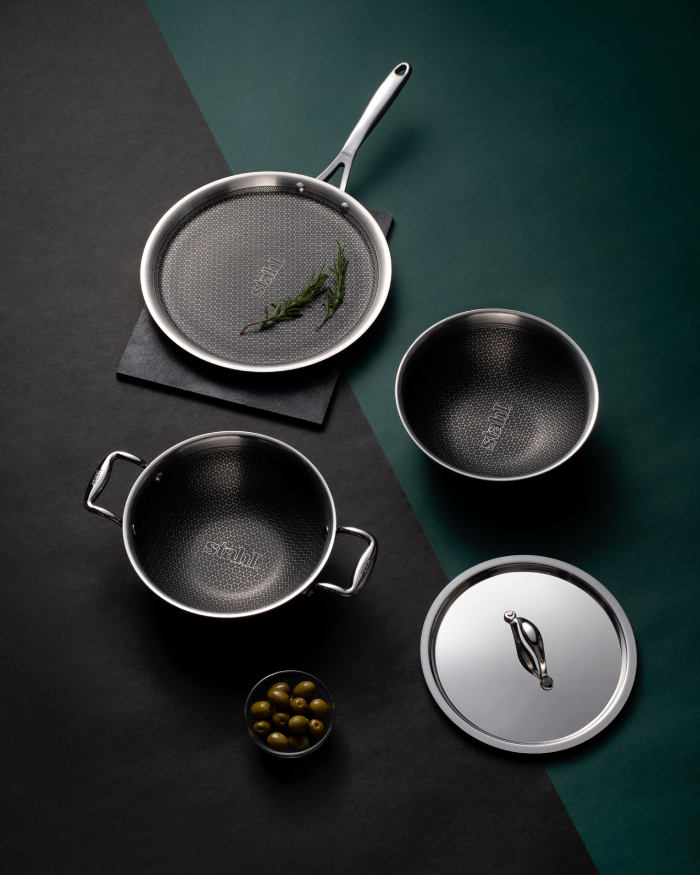
Credit: stahlkitchens.com
Consumer Considerations
Non-stick cookware often raises safety concerns among consumers. Potential risks stem from chemicals like PFOA in some coatings. Choosing well-known brands can reduce health risks, ensuring safer cooking experiences.
When it comes to choosing non-stick cookware, you might find yourself standing in the kitchen aisle, overwhelmed by choices. The decision is not just about aesthetics or the latest trend. It's about making a safe choice for you and your family. With numerous brands and price points, it’s essential to weigh consumer considerations carefully.
Cost Vs. Safety
Balancing cost and safety is a crucial consideration. While cheaper non-stick pans might appeal to your wallet, it’s worth checking if they meet safety standards. Sometimes, spending a little more ensures you’re not compromising on health. Cheap pans can often have coatings that wear off quickly. This not only reduces their lifespan but can also lead to harmful chemicals leaching into your food. Isn’t your health worth the investment?
Brand Reputation
Brand reputation can be a telling indicator of quality. Have you ever bought a product just because you trust the brand? It’s a common instinct that often pays off. Brands with a strong reputation usually adhere to strict safety standards. Reading reviews and researching can provide insights into how a brand handles safety concerns. Are they transparent about their materials? In the end, ask yourself: Do you trust the brand enough to believe in the safety of their products? Your peace of mind is just as important as the product itself.
Frequently Asked Questions
Is Non-stick Cookware Harmful To Health?
Non-stick cookware is generally safe for cooking. However, overheating can release harmful fumes from Teflon coatings. To ensure safety, use cookware at low to medium heat and avoid preheating an empty pan. Choose PFOA-free options to minimize potential health risks further.
Can Non-stick Pans Cause Cancer?
There is no evidence that non-stick pans cause cancer. Concerns have been raised about PFOA, a chemical once used in Teflon production. However, most modern non-stick cookware is PFOA-free. To be safe, avoid overheating non-stick pans, as this can release fumes harmful to birds and potentially humans.
How Do You Safely Use Non-stick Cookware?
To safely use non-stick cookware, avoid high heat settings and preheating empty pans. Use wooden or silicone utensils to prevent scratching the surface. Hand wash with a soft sponge and mild detergent. Avoid using metal tools, which can damage the non-stick coating.
Are There Alternatives To Non-stick Cookware?
Yes, there are several alternatives to non-stick cookware. Stainless steel, cast iron, and ceramic are popular options. Stainless steel is durable and versatile, while cast iron retains heat well. Ceramic cookware offers a non-stick surface without harmful chemicals. Each type has its benefits and requires specific care.
Conclusion
Non-stick cookware offers convenience in the kitchen. But safety concerns exist. Choose high-quality brands for better peace of mind. Always follow care instructions to avoid damage. Cook on low to medium heat to prevent harmful fumes. Consider alternatives like stainless steel or cast iron.
They offer durability and health benefits. Regularly check your cookware for scratches or wear. Replace it if needed. Prioritize safety and enjoy cooking. Make informed decisions for your kitchen and health.