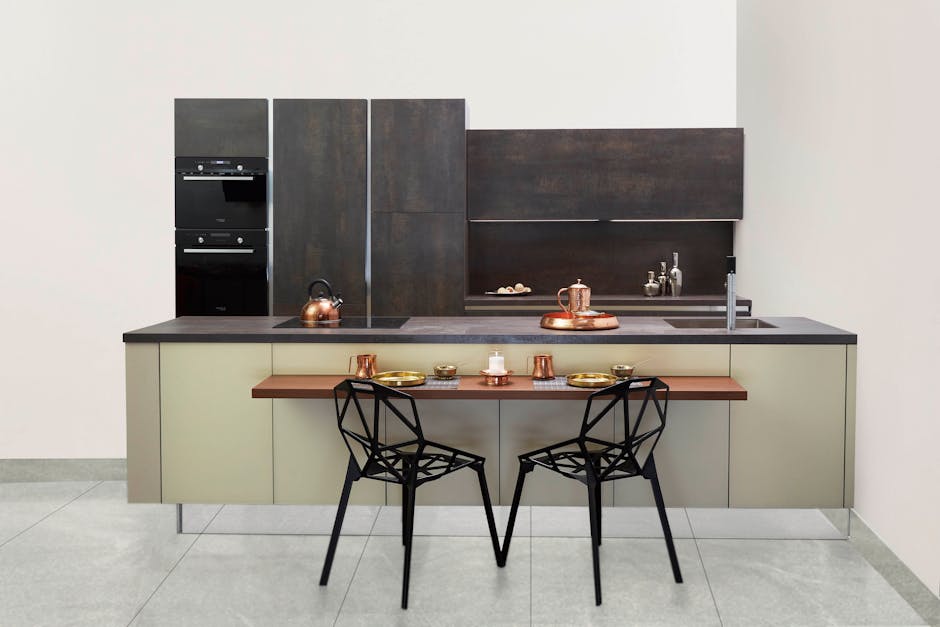
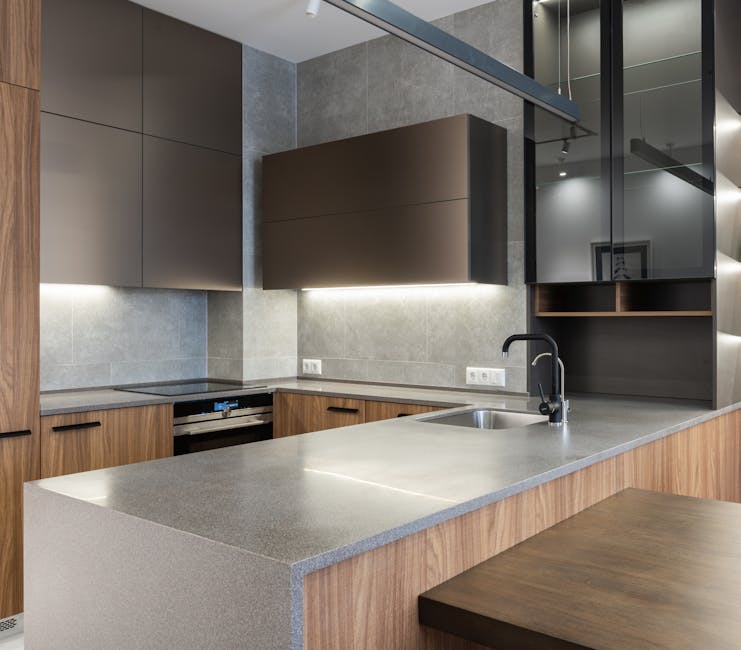
When tax season rolls around, you're likely focused on deductions and ensuring everything is in order. But have you ever paused to wonder about the specifics of what counts as home furnishings according to the IRS?
The kitchen, often the heart of your home, is filled with appliances you use every day. But are these everyday essentials considered home furnishings in the eyes of the IRS? Understanding this could potentially impact your tax filings and deductions.
Dive into this article to uncover the surprising details and make sure you're not missing out on any tax-saving opportunities. You might just find the answers you’ve been looking for—and they could be more beneficial than you think.

Credit: journal.firsttuesday.us
Kitchen Appliances Vs. Home Furnishings
Kitchen appliances can sometimes be classified as home furnishings by the IRS. This classification depends on their usage and installation. Proper understanding ensures accurate tax reporting and compliance.
When you're decorating your home, you might wonder if kitchen appliances are considered home furnishings. It’s an interesting question that can impact how you categorize and even deduct certain expenses. Understanding the difference between kitchen appliances and home furnishings is crucial, especially if you're dealing with tax matters.
Definitions And Distinctions
Kitchen appliances typically refer to devices that assist in cooking or food preparation. These include refrigerators, ovens, microwaves, and dishwashers. They are often regarded as essential for a functioning kitchen, but are they furnishings? Home furnishings generally cover items that decorate or provide comfort in your home. Think of sofas, tables, chairs, and beds. These items are usually more about style and comfort rather than utility. The IRS might not see your sleek new refrigerator as a furnishing. It’s more likely considered a necessity rather than a decorative item. This distinction is key when you're thinking about tax deductions or planning a home renovation.
Common Categories
When categorizing items, think about their primary function. A stove, for example, is vital for cooking, which places it squarely in the appliance category. On the other hand, a dining table serves a different purpose. It’s a place where you gather, eat, and socialize. This makes it a furnishing. Small appliances like toasters or blenders often blur the lines. Are they essential or just convenient? It might depend on how often you use them. Consider your own home. Do you view your appliances as part of your decor, or merely as tools? This perspective can guide how you approach both your interior design and your budget. So, next time you’re shopping for your kitchen, ask yourself: Is this a necessity or a style choice? Understanding these categories can help you make informed decisions that align with both your aesthetic and financial goals.
Credit: www.homedepot.com
Irs Guidelines On Home Furnishings
Understanding how the IRS classifies home furnishings is essential for taxpayers. Some people wonder if kitchen appliances qualify as home furnishings. The IRS provides specific guidelines on what can be considered home furnishings. Knowing these rules can help you make informed decisions about your tax filings.
Tax Deductibility Criteria
Not all home furnishings are tax deductible. The IRS has strict criteria for what qualifies. Generally, furnishings must be used for business purposes to be deductible. For instance, if you have a home office, certain items might qualify. The key is how the item is used, not just where it is located.
Relevant Irs Publications
The IRS offers publications that detail rules on home furnishings. These documents provide clarity on tax deductions. IRS Publication 587 discusses business use of your home. It includes information on furnishings and appliances. It’s a useful resource for understanding tax implications.
Another important document is IRS Publication 535. It covers business expenses, including furnishings. Reading these publications can help you understand what the IRS considers deductible. Always refer to the latest version for accurate information.
Implications For Kitchen Appliances
Kitchen appliances may fall under home furnishings for IRS purposes. This classification affects tax deductions and credits. Understanding these implications helps homeowners make informed financial decisions.
Implications for Kitchen Appliances Understanding if kitchen appliances are considered home furnishings can impact how you manage your finances and taxes. Many people overlook this aspect, which can lead to missed opportunities or even costly errors. Are you among those who are uncertain about how kitchen appliances fit into the world of taxes?
Tax Treatment Of Appliances
When it comes to taxes, kitchen appliances might not be the first thing on your mind. Yet, their classification can affect your tax return. Generally, the IRS considers them as personal property rather than home furnishings. Appliances like refrigerators and ovens are essential but not structural. If you rent out your property, you might qualify for depreciation deductions. This means you can reduce your taxable income by claiming the wear and tear of your appliances. However, if you use your kitchen appliances solely for personal use, these deductions might not apply. It's crucial to identify your primary use of these appliances. Are they generating income, or are they simply making your life easier?
Common Misconceptions
Many people assume that all home purchases are treated the same for tax purposes. This isn't true for kitchen appliances. Just because they're inside your home doesn't automatically make them part of home furnishings. Another misconception is that you can write off all appliance-related expenses. In reality, only those used for business or rental purposes may qualify. It’s important to distinguish between personal and business use when calculating tax deductions. Finally, not all updates or repairs on appliances are deductible. Only certain improvements or replacements might be eligible. Are you sure you're maximizing your tax benefits when it comes to your kitchen appliances? Understanding these nuances can help you make informed decisions. Wouldn't you rather be prepared than caught off guard when tax season arrives? By learning how kitchen appliances are treated for tax purposes, you can better manage your financial planning. So, are your kitchen appliances just for comfort, or are they a potential tax advantage waiting to be tapped into?
Case Studies And Examples
Kitchen appliances might be considered home furnishings by the IRS under certain conditions. Case studies highlight how classification impacts tax deductions. Examples show varying interpretations based on usage and installation.
When you think about your kitchen, you often imagine the appliances that make daily tasks simpler. But have you ever wondered if your refrigerator or oven falls under the IRS's definition of home furnishings? This question has intrigued many homeowners and tax professionals alike. Let's dive into some case studies and examples to explore this intriguing topic further.
Real-world Scenarios
Imagine you bought a new home and filled your kitchen with state-of-the-art appliances. You might assume these are simply part of your home's interior. However, when tax season arrives, you find yourself questioning whether these purchases can be classified differently for tax purposes. Consider Jane, a homeowner who replaced her old stove with a high-tech induction model. She pondered whether this upgrade could offer tax benefits. Her research led her to uncover that while kitchen appliances enhance the home, the IRS might not always categorize them as furnishings. What would you do in her shoes?
Irs Rulings And Interpretations
The IRS has specific guidelines on what constitutes home furnishings. Their rulings have often focused on whether an item is integral to the function of the home or merely a decorative addition. Kitchen appliances sometimes straddle this line, creating confusion. A notable case involved a taxpayer who argued that their energy-efficient refrigerator should be seen as a home improvement rather than a furnishing. The IRS's interpretation was crucial here, as it determined whether the purchase qualified for certain tax deductions. How do you interpret the function of your kitchen appliances within your home? Understanding these nuances can help you make informed decisions during tax season. It could mean the difference between a simple write-off and a more beneficial deduction. So next time you're in the kitchen, consider how your appliances might be viewed through the eyes of the IRS.
Navigating Irs Regulations
Understanding IRS regulations can be confusing for many homeowners. Kitchen appliances often raise questions about tax deductions. Are they considered home furnishings? The IRS guidelines can be tricky. It's important to know how to navigate these rules. Proper knowledge can save time and money during tax season.
Consulting Tax Professionals
A tax professional can provide valuable advice. They understand IRS regulations deeply. Their expertise can help clarify any confusion. This ensures you make informed decisions. Seeking professional advice can prevent costly mistakes. A tax expert knows the ins and outs of tax laws. They can offer guidance tailored to your needs.
Tips For Compliance
Keep detailed records of all purchases. Maintain receipts for kitchen appliances. Documentation is crucial for tax claims. Stay updated on any changes in IRS rules. Regularly review the IRS website for updates. Understanding compliance can ease tax season stress. Following these tips ensures you stay within legal boundaries.

Credit: www.amazon.com
Frequently Asked Questions
Are Kitchen Appliances Tax-deductible Home Furnishings?
Kitchen appliances are typically not considered home furnishings for tax purposes. The IRS generally categorizes them as personal property. However, if you're using them for a home office or rental property, you might qualify for deductions. Always consult a tax professional for specific advice related to your situation.
Do Kitchen Appliances Qualify As Capital Improvements?
Kitchen appliances are usually not considered capital improvements. Capital improvements generally include permanent modifications that increase property value. Appliances are often seen as personal property. However, built-in appliances might qualify. It's important to check IRS guidelines and consult a tax advisor for detailed information.
Can Kitchen Appliances Be Depreciated On Taxes?
Yes, kitchen appliances can often be depreciated if used for business or rental property. Depreciation allows you to recover the cost over time. The IRS provides specific guidelines on how to depreciate appliances. Consult a tax professional to ensure you're applying the correct method and rates.
Are Kitchen Appliances Part Of Household Goods?
Yes, kitchen appliances are generally considered household goods. They include items like refrigerators, ovens, and microwaves. However, for tax purposes, they are not typically classified as home furnishings. The classification can vary based on usage and specific IRS rules.
Conclusion
Understanding the IRS classification of kitchen appliances matters. Are they home furnishings? It depends on specific IRS guidelines. Appliances like refrigerators and ovens often fall into this category. Knowing this can influence tax deductions and filings. Consult a tax professional for tailored advice.
Accurate classification ensures compliance and optimal financial planning. Make informed decisions with your kitchen investments. Stay updated on IRS rules. Your financial health may benefit from this knowledge. Research and ask questions when uncertain. A little effort now can save complications later.