Are you concerned about the safety of the cookware you use every day? You're not alone.
With so many options on the market, it’s easy to feel overwhelmed and unsure about which materials are safe for your family. Nylon cookware, known for its non-stick properties and ease of use, has gained popularity in many households. But a question lingers: Is nylon cookware toxic?
We'll dive into the facts and myths surrounding nylon cookware, helping you make informed decisions about what you bring into your kitchen. Discover the truth about nylon cookware and ensure you're making the healthiest choices for you and your loved ones. Stay with us as we unravel the mystery and provide clarity on this important topic.
Credit: www.hunker.com
Nylon Cookware Basics
Nylon cookware has become a staple in many kitchens due to its affordability and versatility. However, the question of its safety often arises. Before we dive into whether nylon cookware is toxic, let's first understand its basics. This section will cover what nylon cookware is and how it is commonly used in kitchens.
What Is Nylon Cookware?
Nylon cookware is made from synthetic polymers, which are designed to be heat-resistant. It includes items like spatulas, spoons, and ladles. These tools are often chosen because they are gentle on non-stick surfaces, preventing scratches and damage. Nylon's durability makes it ideal for kitchen use, but its composition raises questions about safety when exposed to high temperatures.
Imagine cooking a family dinner and reaching for your nylon spatula. You appreciate how it glides smoothly over your non-stick pan, preserving its coating. But have you ever wondered how it withstands the heat? Nylon can tolerate temperatures up to a certain point, beyond which it may start to melt or release chemicals. This is why understanding its safe temperature range is crucial for your kitchen safety.
Common Uses In Kitchens
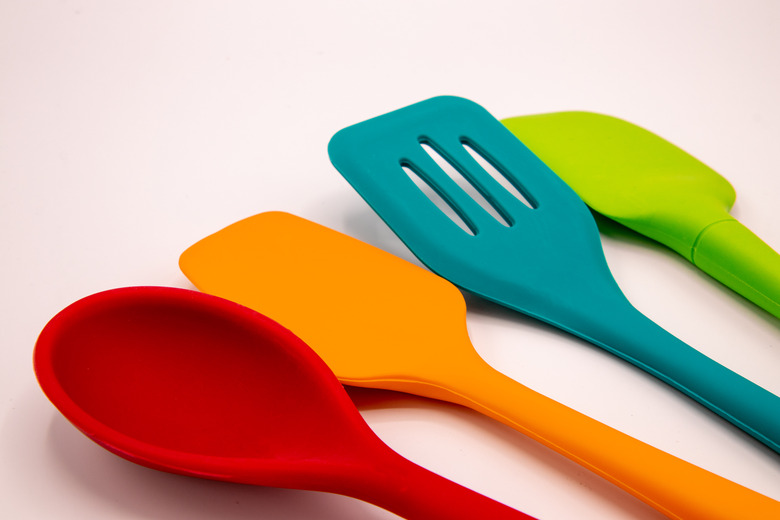
Nylon cookware is ubiquitous in modern kitchens. You'll find it in various forms such as mixing spoons, slotted turners, and pasta servers. It is favored for being lightweight and easy to handle, which is a blessing during long cooking sessions. Its non-abrasive nature makes it perfect for delicate cookware, but knowing how to use it safely can be a game changer.
Imagine preparing a delicate omelette on a lazy Sunday morning. You reach for your nylon spatula, knowing it will keep your pan scratch-free. But do you know the temperature threshold of your spatula? Exceeding this limit can lead to degradation, potentially releasing harmful substances. Are you aware of the maximum heat your nylon tools can handle? Understanding this can help you make safer choices in your kitchen.
In summary, nylon cookware is a helpful addition to your culinary arsenal. By knowing its basics and usage limits, you can ensure your cooking remains both efficient and safe. What experiences have you had with nylon cookware? Do you feel confident in using it safely, or do you have concerns about its heat resistance? Your insights could be invaluable in navigating the complexities of kitchen safety.

Credit: www.youtube.com
Safety Concerns
Nylon cookware, a popular choice in many kitchens, raises safety concerns. These concerns stem from potential toxins and health risks. Understanding these aspects helps in making informed choices. Let's delve into the details.
Potential Toxins In Nylon
Nylon, a type of plastic, may contain harmful substances. These substances include chemicals like BPA and melamine. BPA is known to leach into food at high temperatures. Melamine can also pose risks if ingested. These toxins are linked to health issues. They might affect hormone levels and cause other health problems.
Health Risks Of Using Nylon Cookware
Using nylon cookware might expose users to dangerous chemicals. These chemicals can migrate into food during cooking. High heat worsens the leaching process. Over time, ingestion of these toxins can lead to health issues. Some studies suggest links to hormonal disruptions. Others indicate potential cancer risks. Regular exposure increases these risks.
Consider alternatives like stainless steel or ceramic. They offer safer cooking options. Choosing wisely can reduce health risks significantly.
Scientific Studies
Recent studies question the safety of nylon cookware. Concerns arise about potential toxic chemicals leaching into food. Experts recommend cautious use.
Understanding the safety of kitchen tools is crucial, especially when it comes to materials like nylon. Scientific studies have looked into whether nylon cookware poses any health risks, given its widespread use. Let's dive into what research has uncovered about nylon cookware and how it stacks up against other materials.
Research Findings On Nylon Cookware
Scientists have conducted various studies to assess the potential toxicity of nylon when used in cookware. Research indicates that nylon is generally safe for cooking at low to moderate temperatures. It's designed to withstand heat without releasing harmful substances. However, when exposed to extremely high temperatures, nylon can break down and release fumes. These fumes might not be ideal for your health. Consider how often you cook at high temperatures with nylon tools. If you frequently do so, it might be worth exploring alternatives.
Comparative Analysis With Other Materials
How does nylon compare to other materials like stainless steel, silicone, or wood? Each has its strengths and weaknesses. Nylon is lightweight and affordable, making it a popular choice. Stainless steel, on the other hand, is durable and can handle high heat without issues. However, it's heavier and may scratch non-stick surfaces. Silicone is flexible and heat-resistant, but it might not be suitable for all cooking tasks. Wood is gentle on cookware and has a natural appeal. Yet, it can be prone to harboring bacteria if not cleaned properly. Reflect on your cooking habits. Which material aligns best with your needs and lifestyle? By understanding these findings and comparisons, you can make informed decisions about the tools you use in your kitchen. What matters most to you—safety, cost, or versatility? Consider these factors as you choose the right cookware materials for your culinary adventures.
Alternatives To Nylon Cookware
Are you concerned about the potential hazards of nylon cookware in your kitchen? You're not alone. Many home cooks are exploring safer alternatives to ensure they prepare meals without worry. Let's dive into some practical and healthier cookware options that can replace nylon in your culinary adventures.
Stainless Steel Options
Stainless steel cookware is a fantastic choice for health-conscious cooks. It's durable, non-reactive, and won't leach chemicals into your food. I remember switching to stainless steel pans and being amazed at how evenly they cooked meals without sticking. Plus, they’re easy to clean! Stainless steel is a safe bet for everyday cooking, and it gives your kitchen a professional touch.
Cast Iron Cookware
Cast iron is a classic choice that has stood the test of time. These heavy-duty pots and pans enhance flavors and even add a touch of iron to your dishes. Imagine making a crispy-skinned chicken or a perfectly seared steak in a cast iron skillet. It’s a game-changer! Just remember to season your cast iron cookware properly to prevent rust and maintain its non-stick qualities.
Ceramic Solutions
Ceramic cookware is another excellent alternative. It’s non-toxic, non-stick, and available in vibrant colors to brighten up your kitchen. Have you ever tried baking a lasagna in a ceramic dish? The result is a beautifully cooked meal with minimal cleanup. Ceramic is perfect for those who want a safe and visually appealing option.
Glass Cookware
Glass cookware is an underrated option. It's transparent, allowing you to monitor cooking progress without removing the lid. Imagine watching your casserole bubble away in the oven, knowing there are no hidden chemicals. Glass is perfect for baking and storing leftovers safely. Although it may not be suitable for stovetop use, it's ideal for oven cooking and microwave heating.
Switching from nylon to these healthier options can transform your cooking experience. Which alternative will you try first? Consider your cooking habits and preferences, then make the switch to a safer kitchen environment.
Eco-friendly Cooking
Eco-friendly cooking is gaining popularity. People want to reduce their carbon footprint. Choosing the right cookware is a big part of this movement. Many wonder if nylon cookware is toxic. Exploring sustainable options can lead to healthier cooking habits.
Benefits Of Sustainable Cookware
Sustainable cookware is made from safe materials. These include stainless steel, cast iron, and glass. They do not release harmful chemicals when heated. This ensures the food remains safe to eat. Sustainable materials often last longer. This reduces waste and saves money over time.
Such cookware is easy to clean. It requires less detergent, which is better for the environment. Many sustainable options are also energy-efficient. This means you use less heat and save energy. Cooking becomes both eco-friendly and economical.
Tips For Eco-conscious Cooking
Choose cookware that fits your cooking needs. Use pots and pans that are the right size. This helps in conserving energy. Always cook with lids on. This reduces cooking time and saves energy. Use low to medium heat settings. High heat can cause more energy use and potential toxins.
Consider using a pressure cooker. It cooks food faster and uses less energy. Avoid preheating unless necessary. Many foods cook well without preheating. Finally, try to cook in bulk. This reduces energy use and provides meals for later.

Credit: siliconemakers.com
Choosing Safe Cookware
Nylon cookware might release harmful chemicals when heated to high temperatures. Consider using it only at low heat. Opt for cookware made of stainless steel or cast iron for safer cooking.
Choosing Safe Cookware In today's world, where health-conscious choices are on the rise, selecting the right cookware is crucial. Many people are concerned about the materials used in their kitchen tools, especially when it comes to the possibility of toxic substances. So, how do you choose cookware that ensures your meals are not only delicious but also safe for you and your family?
Factors To Consider
When choosing safe cookware, the material is key. Look for cookware made of stainless steel, cast iron, or ceramic. These materials are generally considered safe and do not leach harmful chemicals into food. Check for durability. High-quality cookware should withstand high heat without breaking down. This reduces the risk of materials releasing toxins at high temperatures. Consider the ease of cleaning. Cookware that is easy to clean prevents the buildup of harmful residues. Non-stick surfaces can be convenient, but ensure they are free from harmful chemicals like PFOA and PFAS.
Recommendations For Safe Cooking
Invest in quality over quantity. It might be tempting to buy a complete set of cheap cookware, but a few high-quality pieces are a better investment for your health. Regularly inspect your cookware for signs of wear and tear. Scratches and chips can indicate that the protective surface is compromised, potentially exposing your food to harmful substances. Experiment with different cookware materials to see what works best for you. I once replaced my non-stick pan with a cast iron skillet and noticed an improvement in the taste of my meals and peace of mind regarding safety. Wouldn't you prefer to cook without worrying about toxins? By considering the material, durability, and ease of cleaning, you can make informed decisions that benefit your health. Always prioritize your well-being in the kitchen, because what you cook with is just as important as what you cook.
Frequently Asked Questions
Is Nylon Cookware Safe For Cooking?
Nylon cookware is generally considered safe for cooking at low to medium temperatures. It can melt or release harmful chemicals at high temperatures. It's important to avoid using nylon utensils on hot surfaces to prevent potential health risks.
Can Nylon Utensils Melt In High Heat?
Yes, nylon utensils can melt if exposed to high heat. They are designed for low to medium heat cooking. It's advisable to use them cautiously around hot surfaces to maintain their integrity and avoid chemical release.
What Are The Health Risks Of Nylon Cookware?
Nylon cookware might release harmful chemicals when exposed to high temperatures. These chemicals could potentially pose health risks. It's important to use nylon cookware within recommended temperature ranges to avoid any negative health effects.
How Do I Clean Nylon Cookware Safely?
To clean nylon cookware, use mild soap and warm water. Avoid abrasive pads as they can damage the surface. Gentle cleaning ensures the longevity of nylon cookware and maintains its safety for cooking.
Conclusion
Nylon cookware raises concerns about safety. It's essential to use it wisely. Avoid high heat to prevent harmful fumes. Always check for damage or wear. Consider alternatives like stainless steel or cast iron. They are often safer choices. Research and stay informed about cookware materials.
Health should always come first in the kitchen. Cooking with care ensures better food safety. Remember, every material has its pros and cons. Make informed decisions for your family's well-being. Your kitchen tools matter, so choose wisely for peace of mind.